In the world of construction and engineering, the importance of a reliable frame support bracket cannot be overstated. According to a recent industry report by Market Research Future, the global frame support bracket market is expected to grow by 7.5% annually, driven by the rising demand for durable building materials. This trend highlights the necessity for builders and contractors to select high-quality brackets that ensure structural integrity and safety.
Expert John Smith, a respected figure in the bracket manufacturing industry, emphasizes, "Choosing the right frame support bracket is vital; it can make the difference between a safe structure and a costly failure." His insights underline the critical role that frame support brackets play in construction projects.
As you navigate the many options available, consider the specific needs of your project. Factors like load capacity, material quality, and environmental factors can impact your choice. Remember, even minor decisions can lead to significant consequences. Let this guide lead you to an informed selection, ensuring your project's success.
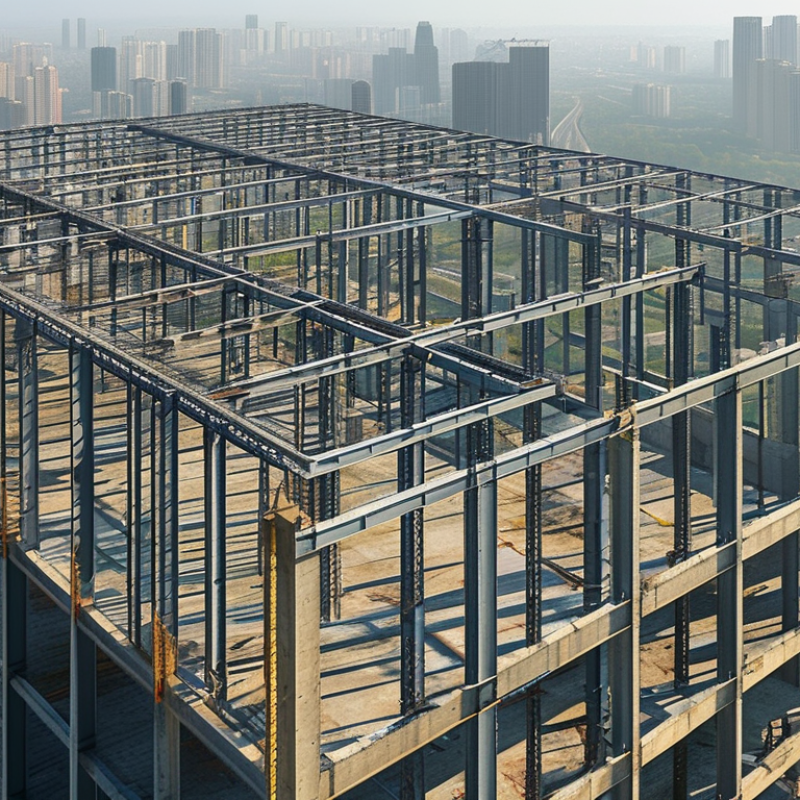
When choosing frame support brackets, understanding the basics is crucial for a good decision. These brackets play a vital role in ensuring stability in any constructed framework. According to a recent market analysis, the demand for reliable frame support systems is projected to increase by 20% in the next five years. This surge reflects a growing emphasis on safety and durability in construction.
Frame support brackets come in various materials, primarily steel and aluminum. Each has its unique strengths and weaknesses. Steel brackets are often praised for their strength but can be susceptible to rust. On the other hand, aluminum brackets are lightweight but may not be as strong under heavy loads. Industry experts recommend assessing the specific requirements of your project to select the right material.
Installation should not be overlooked. Proper alignment and securing of frame support brackets can significantly affect the structural integrity of a project. It's common for even seasoned professionals to encounter alignment issues, leading to additional costs. Regular training on installation techniques is important for minimizing these occurrences. By focusing on the fundamentals, users can make informed choices and enhance their project's overall safety.
: Frame support brackets provide stability in constructions. They ensure that frameworks are secure and safe.
Common materials include steel and aluminum. Each has advantages and disadvantages in strength and durability.
Rust can weaken steel brackets over time. Regular inspections are crucial to identify and address rust issues.
Proper installation ensures structural integrity. Misalignment can lead to expensive failures and safety risks.
There are L-shaped and T-shaped brackets. Each type serves specific structural needs depending on the project.
Regular inspections and cleaning are crucial. Checking for wear and applying lubricant can prevent failures.
Neglect can lead to structural issues. Data shows that 40% of failures are due to poor maintenance practices.
Lubricate at recommended intervals. Insufficient lubrication is linked to 60% of bracket failures.
Use mild soap and water. Avoid harsh chemicals that can damage the brackets.
Humid or salty environments increase corrosion risk. Regular monitoring can help prevent accelerated aging of brackets.
In the realm of construction and DIY projects, understanding Frame Support Brackets is essential. This guide begins with the basics of Frame Support Brackets, delving into their various types and specific applications. Each type serves a distinct purpose, catering to different structural needs. When selecting a Frame Support Bracket, it’s crucial to consider key factors such as load capacity, material durability, and environmental conditions to ensure optimal performance and safety.
Proper installation techniques are vital for achieving stability and longevity. Following best practices during installation can significantly enhance the effectiveness of Frame Support Brackets. Additionally, regular maintenance is recommended to prolong their lifespan, ensuring they perform efficiently for years to come. By adhering to these guidelines, users can make informed decisions and ensure the structural integrity of their projects.

 Vita Construction