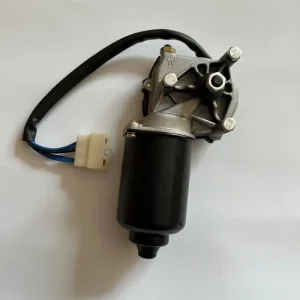
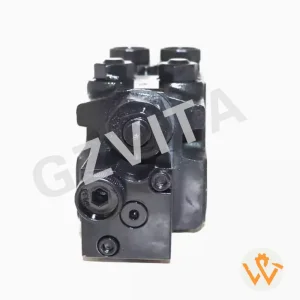
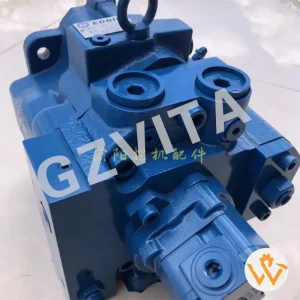
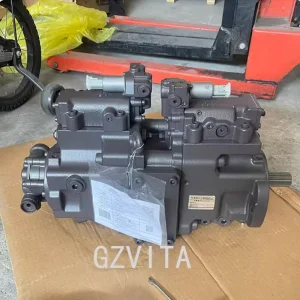
In the global market for industrial equipment, precision engineering determines uptime. Denso, as an industry standard-bearer, has established benchmarks for electrical components, fuel injection systems, and electronic sensor modules. In modern hydraulic excavators, material handling systems, and heavy-duty bulldozers, the integration of Denso-type units—ranging from 24V wiper motors to crankshaft speed sensors—is pivotal for system synchronization.
For global fleet procurement officers and distributors, sourcing genuine or equivalent high-performance components requires balancing structural reliability against economic viability. As global industrial ecosystems undergo supply changes, the focus is shifting towards manufacturers who combine raw material selection with precision-guided calibration methods that mimic or exceed original equipment manufacturer (OEM) requirements.
"Reliability in heavy industrial components is not simply about dimensional accuracy. It lies in thermal tolerance, high-pressure resilience, and signal stability under continuous load conditions. High-precision dynamic sealing and advanced alloy metallurgy prevent catastrophic failures."
Operating conditions vary significantly across regions. While North American applications often require robust compliance with long working cycles under extreme cold conditions, Southeast Asian applications prioritize moisture resistance and heat dissipation capabilities.
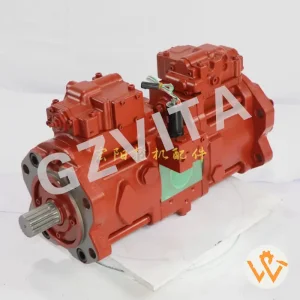
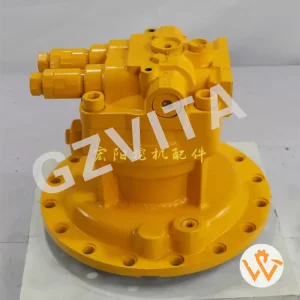
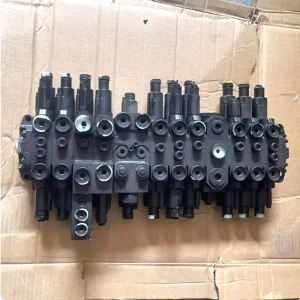
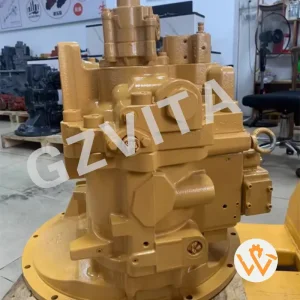
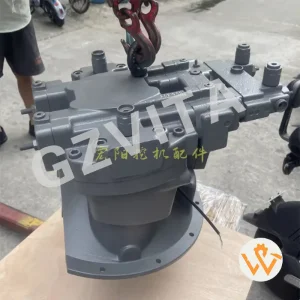
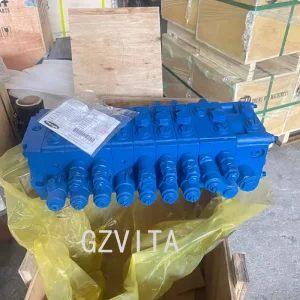
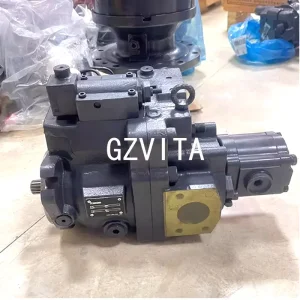
Whether integrating main control blocks for Doosan DX75-9C systems, installing heavy-duty piston pumps for Sany SY135/SY155 series, or deploying critical travel reduction gears for Caterpillar units, local maintenance teams face the challenge of sourcing components that can fit without modifications. Sourcing alternatives that utilize exact-match wire harnesses, correct terminal configurations, and identical fluid displacement angles is essential to reduce downtime.
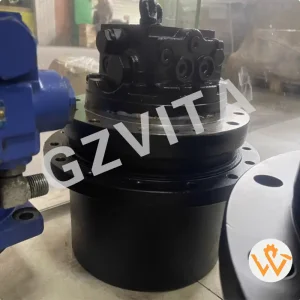
All hydraulic piston pump assemblies undergo high-speed computer-aided dynamic balance checks.
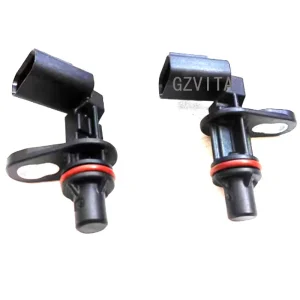
Speed sensors utilize high-grade magnetic shielding to prevent signal distortion from external interference.
Wiper motors feature pure copper windings with temperature-sensitive circuit breakers for extended lifespans.
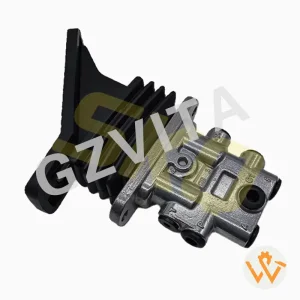
Hydraulic valves are tested to withstand over 2.5 million stress cycles without micro-fissure expansion.
Integrating High-Yield Production & Foreign Trade Excellence
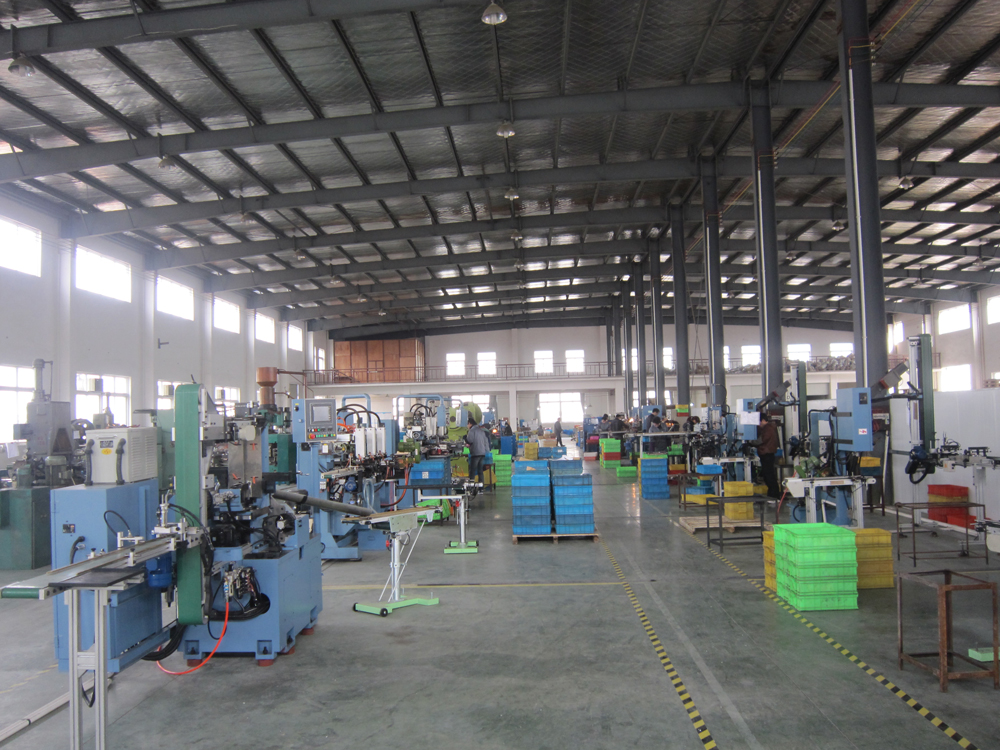
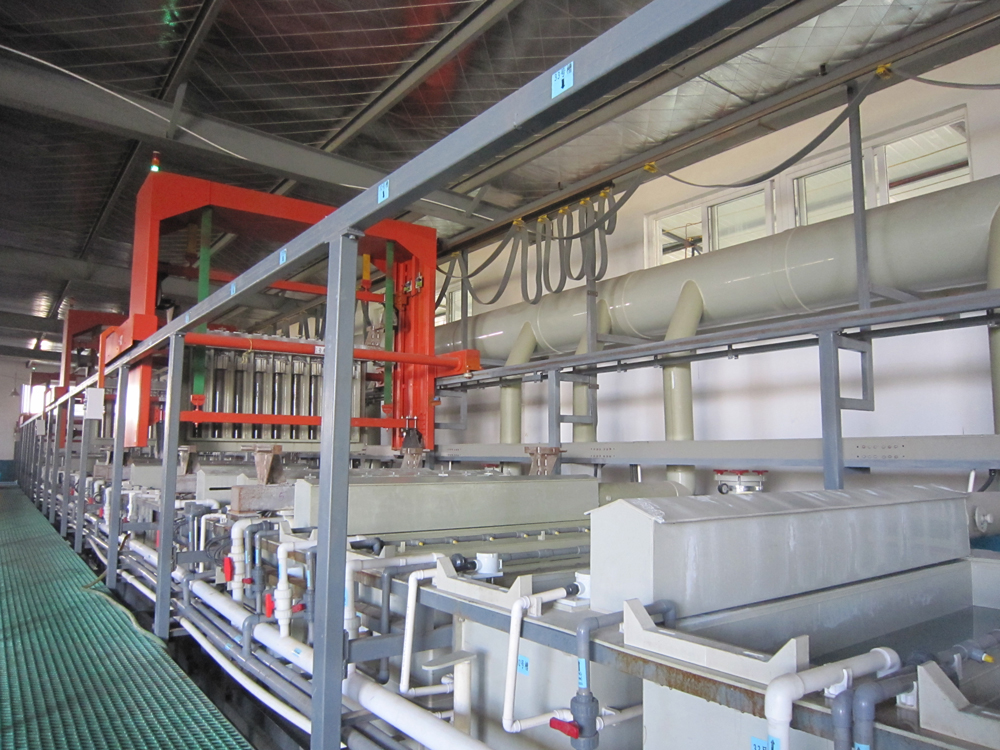
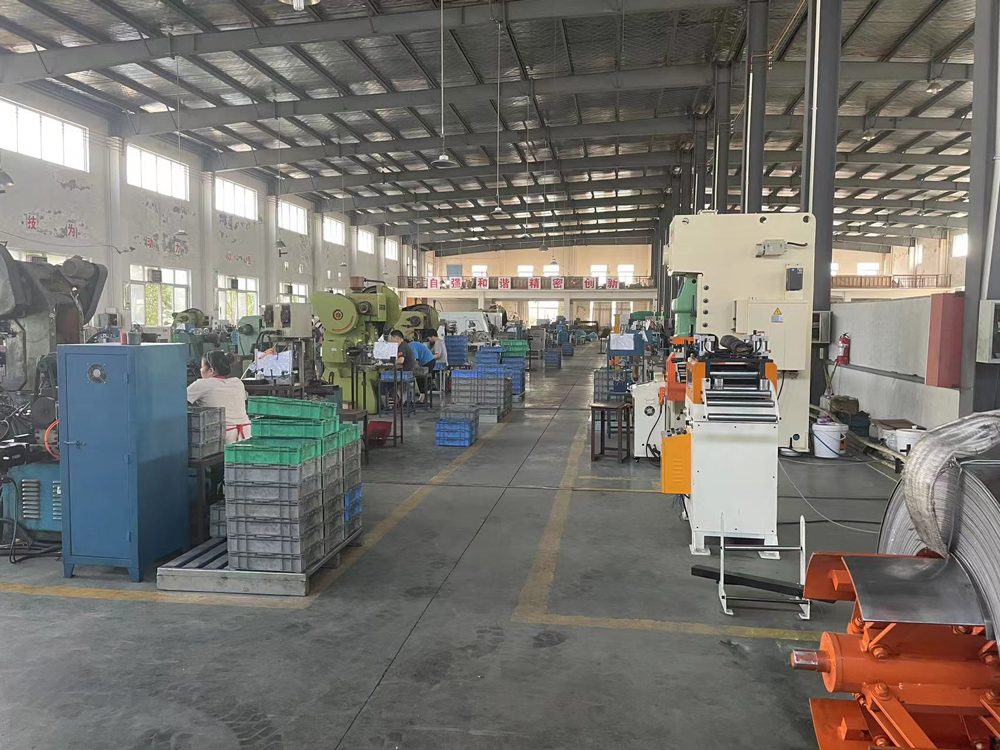
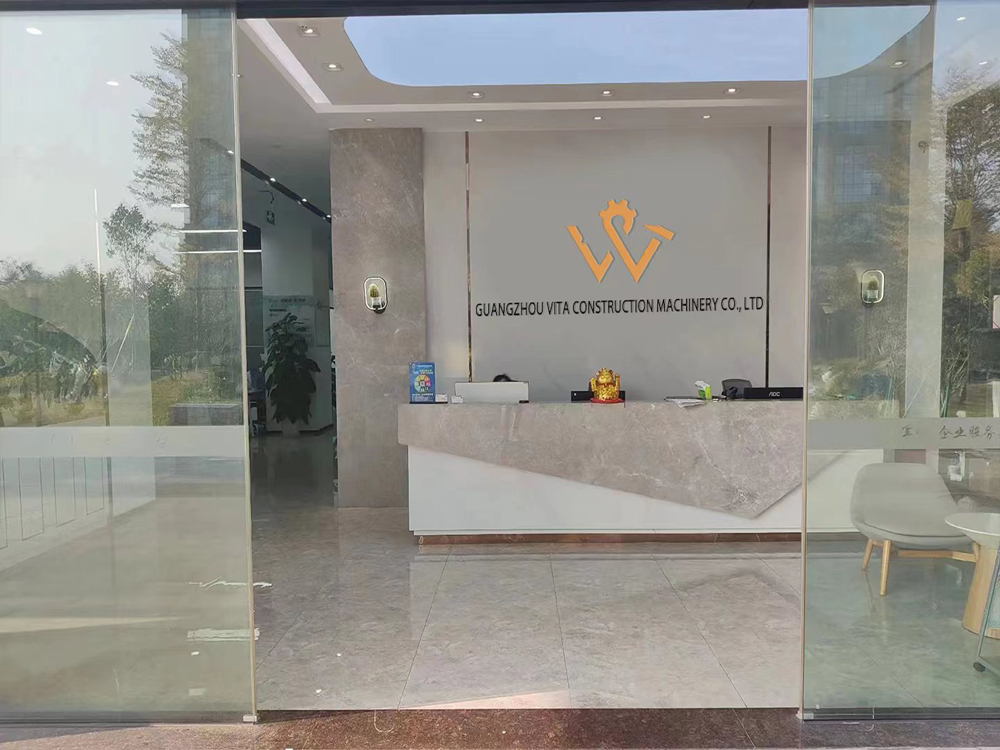
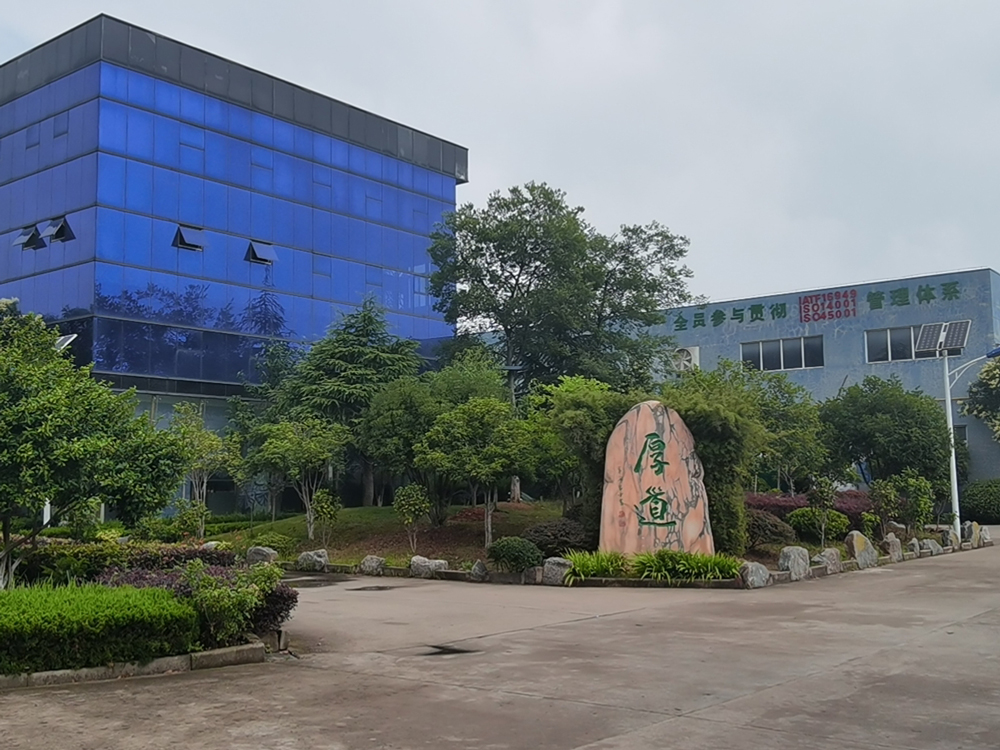
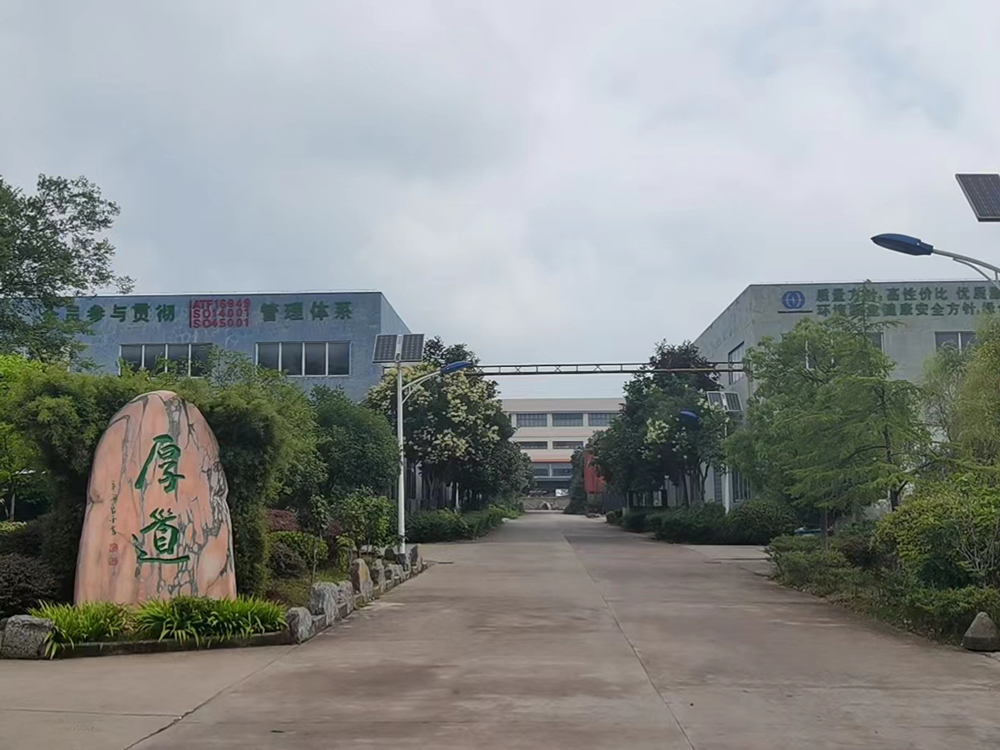
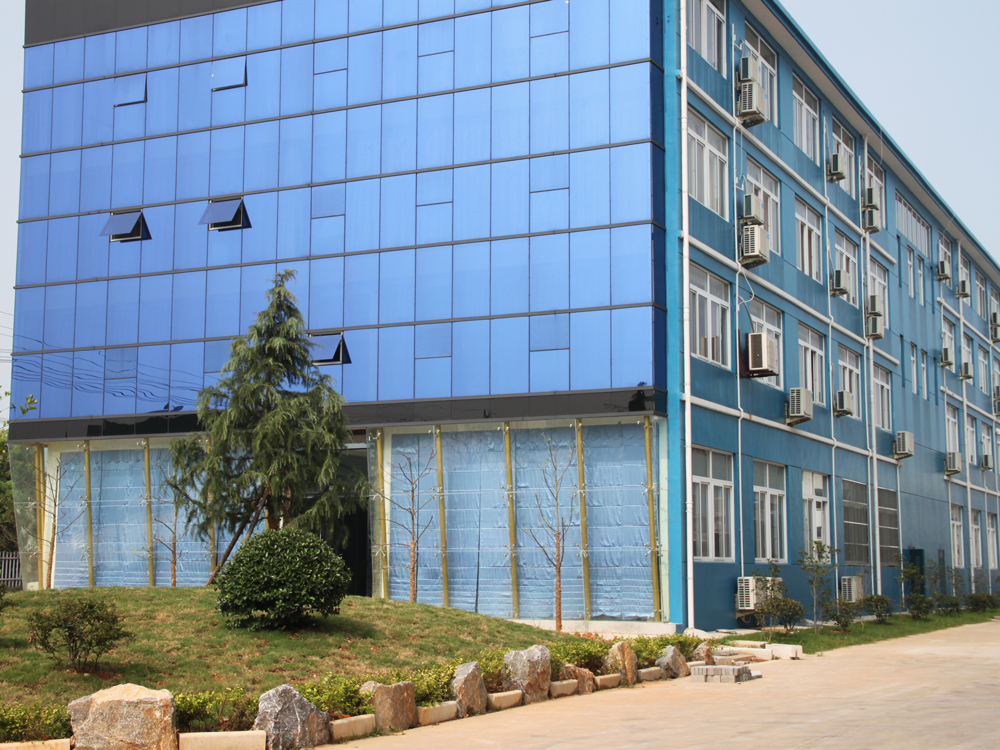
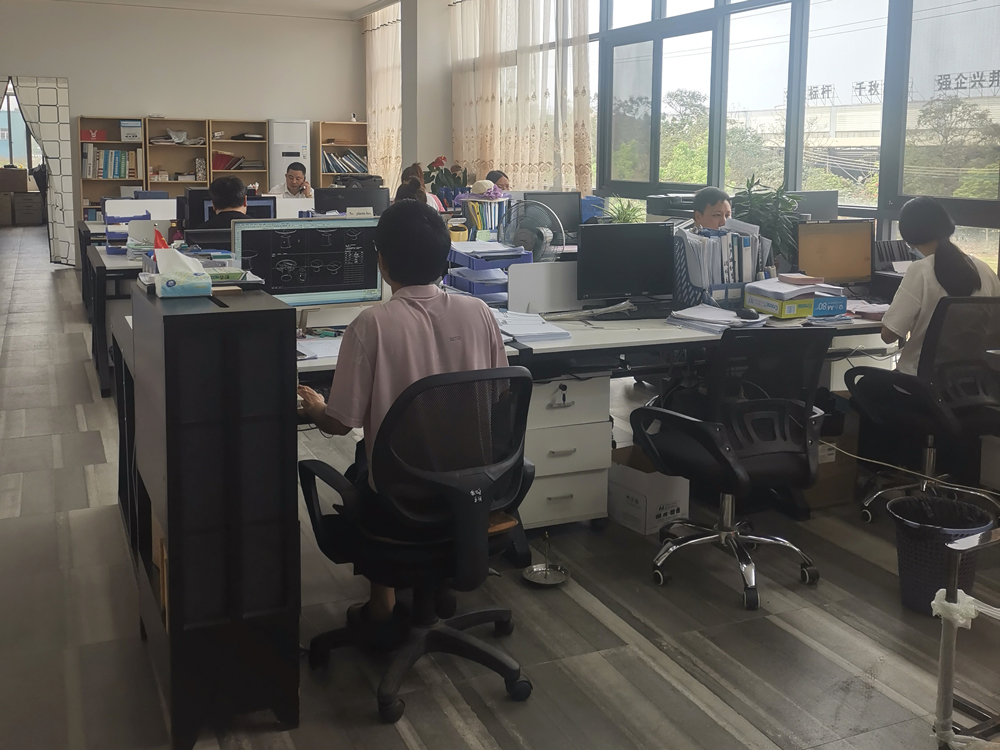
Guangzhou Vita Construction Machinery Co., Ltd. is a major industrial enterprise that combines factory operations and international trade. Located in Hubei Province, our production site covers more than 18,000 square meters of specialized workshop space equipped with advanced tooling, processing, and testing machinery. Supported by 278 skilled workers and a team of 8 engineering specialists, we maintain quality standards across our production cycles while offering short turnaround periods.
We specialize in the development, manufacture, and distribution of components for construction machinery. Our product portfolio includes engine assemblies, hydraulic piston pumps, final drive gearboxes, electrical generator sets, engine bearings, crankshafts, valves, gear pumps, cylinders, filtration systems, excavator buckets, and undercarriage components. These parts serve as direct replacements for equipment from major brands, including Komatsu, Volvo, Sumitomo, Caterpillar, Kubota, Hitachi, John Deere, Kobelco, Hyundai, Kato, Sany, XCMG, and SUNWARD.
In high-pressure civil and industrial construction projects, equipment failure impacts timelines. We supply components designed to run reliably under heavy workloads.
Our capabilities extend beyond physical supply. We maintain a dedicated engine repair and testing division to support customers with electrical, hydraulic, and mechanical calibration issues.
Our maintenance engineers are available for technical assessments and on-site support to assist clients with complex installation projects.
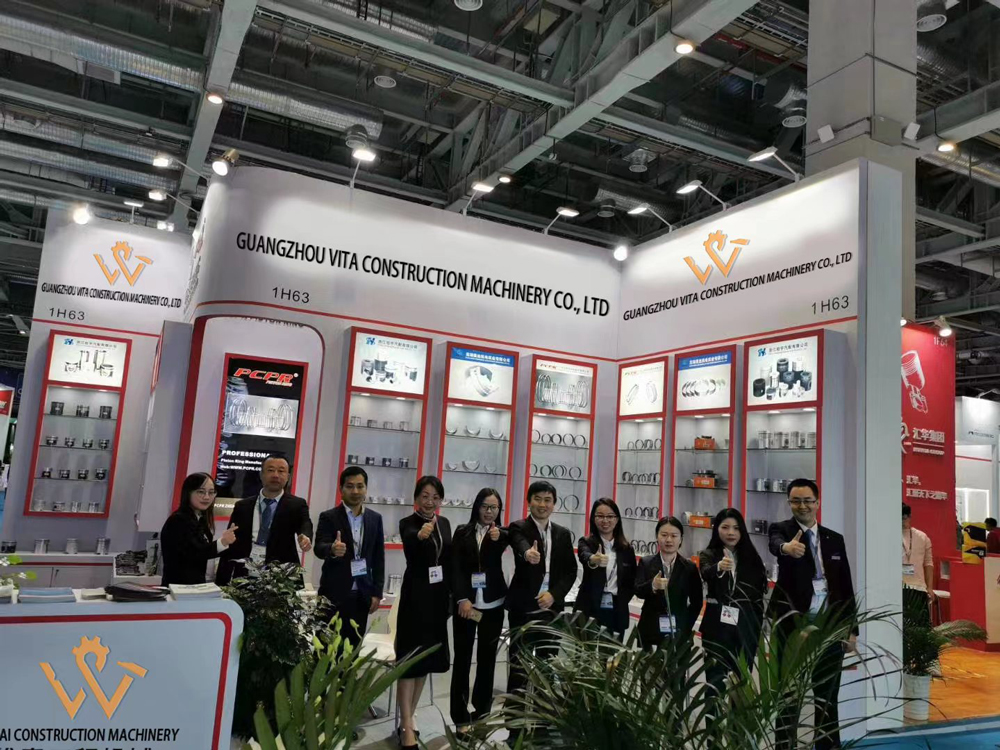
Take an inside look at our state-of-the-art facilities in Hubei Province, where precision engineering meets large-scale production.
Addressing critical considerations for procurement managers, distributors, and site mechanics.
We use original manufacturer components to establish baseline CAD templates. Critical parameters, such as splines, bolt configurations, shaft diameters, and hydraulic flow dynamics, are analyzed. Samples must match the physical and structural tolerances of the OEM counterparts before production begins.
We use high-grade bimetallic alloys and case-hardened structural steel for cylinder blocks and pistons to minimize friction and wear. Cylinder bores undergo honing processes, and drive shafts are heat-treated to resist torque loads and fatigue during operation.
We construct electrical housings with resin moldings and apply rubberized seal gaskets to meet IP66/IP67 ingress ratings. Wire leads are sheathed in cross-linked polyethylene, which offers protection against engine heat, petroleum splash, and vibration.
Yes. Supported by our eight-person engineering department, we can modify port configurations, change spring tension rates in distribution control valves, and adjust mounting brackets for older excavators or custom industrial power units.
Every hydraulic main pump is tested on our diagnostic bench. This process includes testing volumetric efficiency, monitoring flow rates across pressure increments, analyzing heat dissipation rates, and checking case drain pressures to prevent premature shaft seal leakage.
By operating our manufacturing center in Hubei alongside our trading hub in Guangzhou, we maintain a selection of standard-size pumps, seal kits, and final drives in stock. This setup allows us to coordinate with air and ocean freight carriers for prompt dispatch.
We provide diagnostic sheets, structural layout diagrams, and wiring schematics. If necessary, our maintenance engineers can travel internationally to assist fleet operators with major component retrofits and commissioning.
Yes, our pumps and valves use fluorocarbon (Viton) and HNBR seals as standard. These materials prevent chemical degradation when used with both mineral-based oils and synthetic biodegradable fluids.
 Vita Construction