 Vita Construction
1 / 3
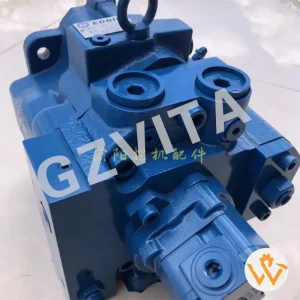
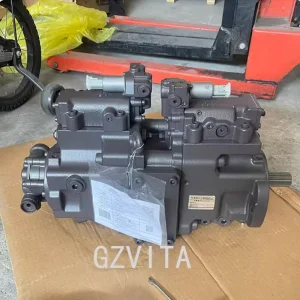
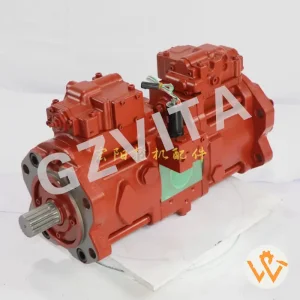
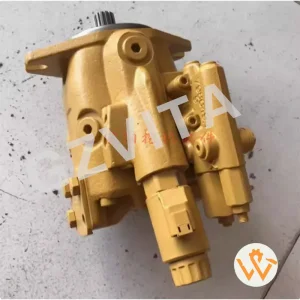
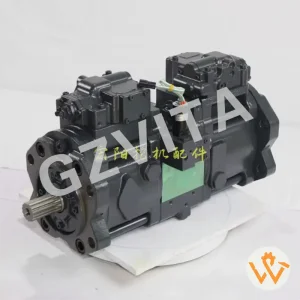
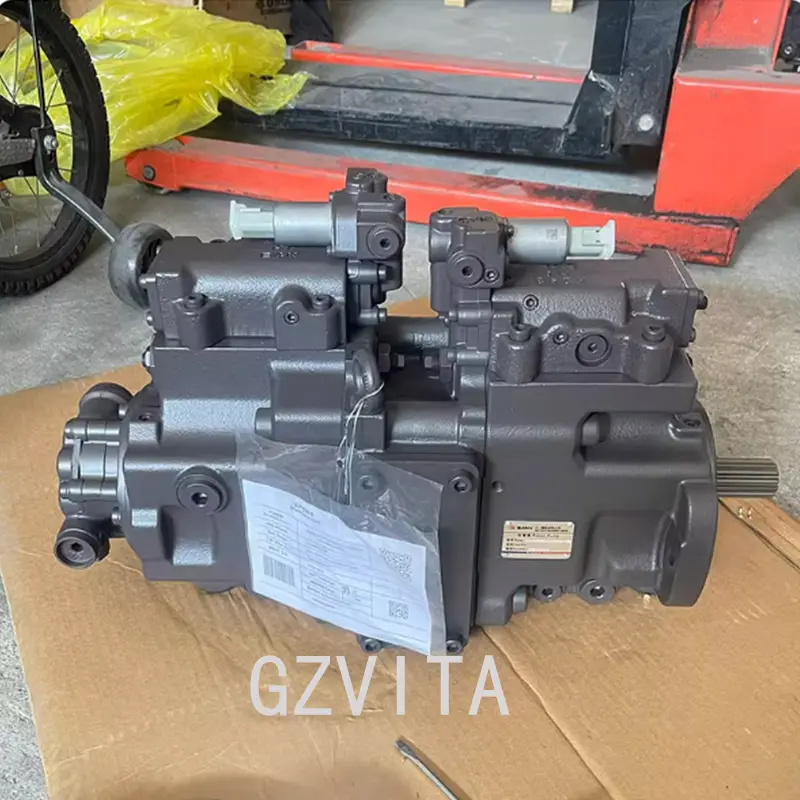
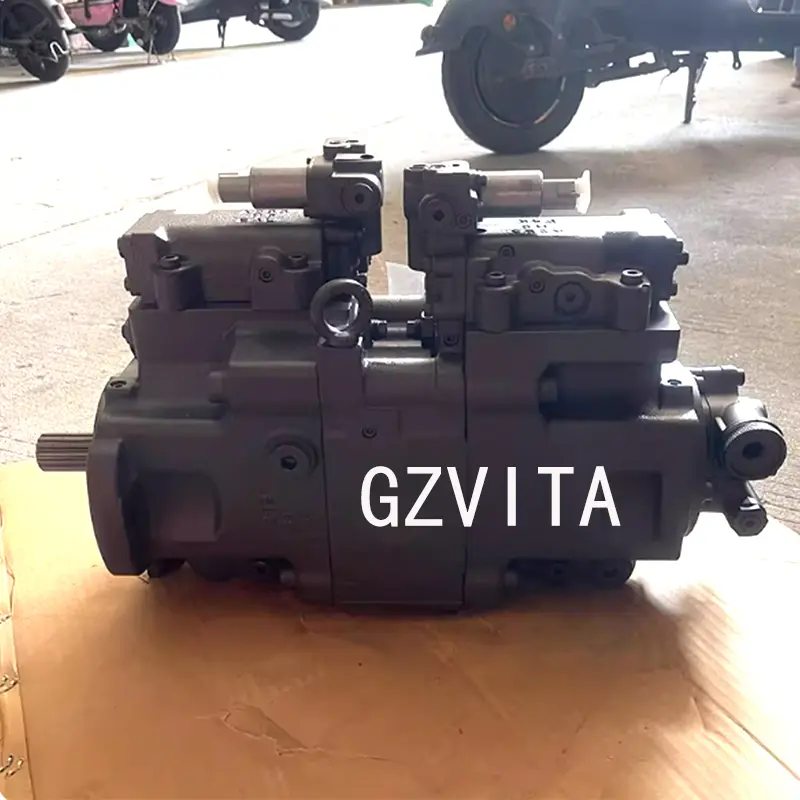
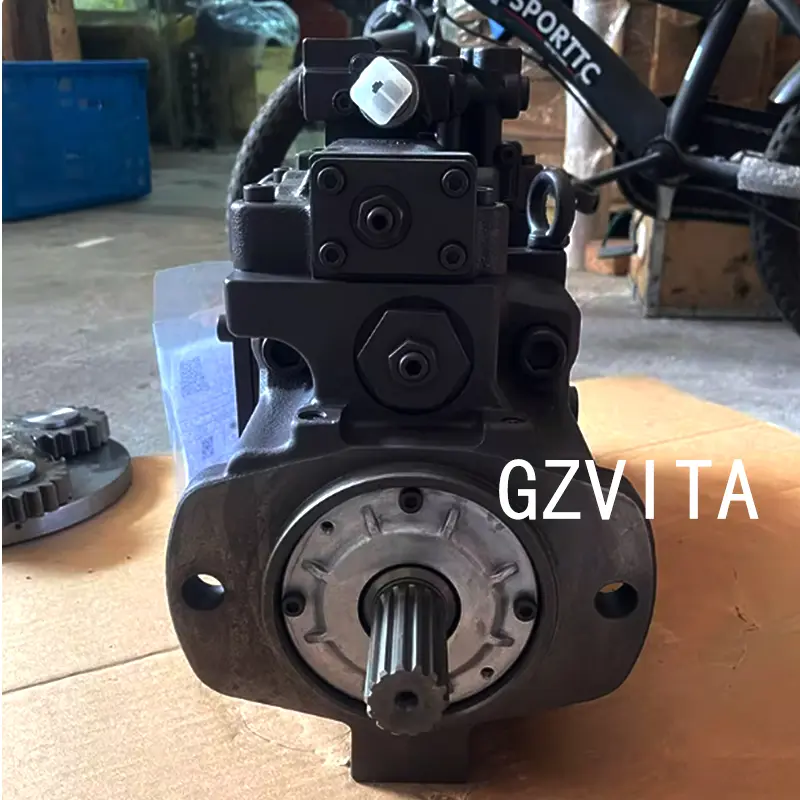
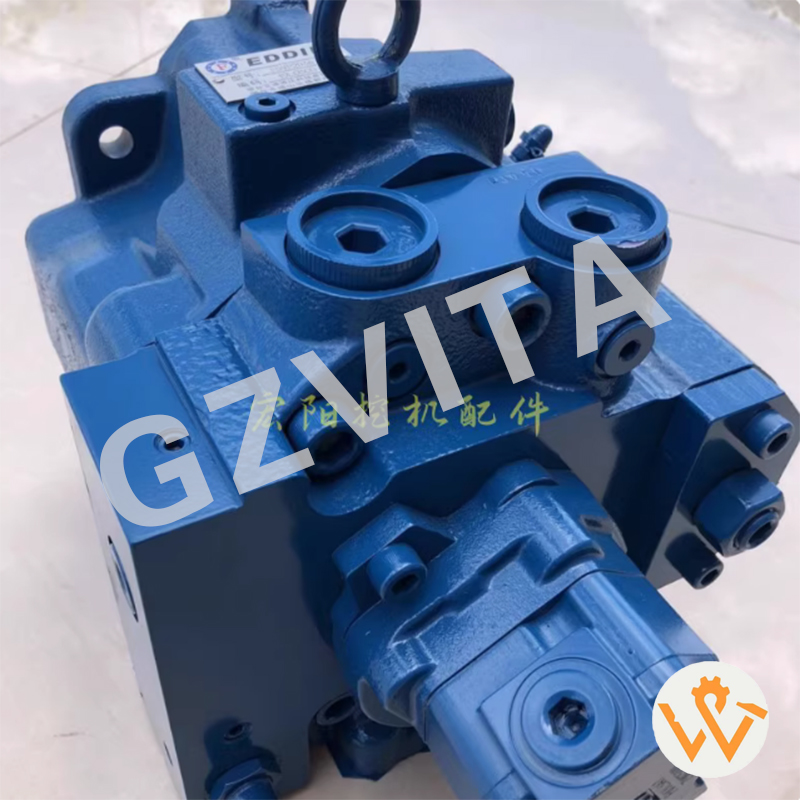
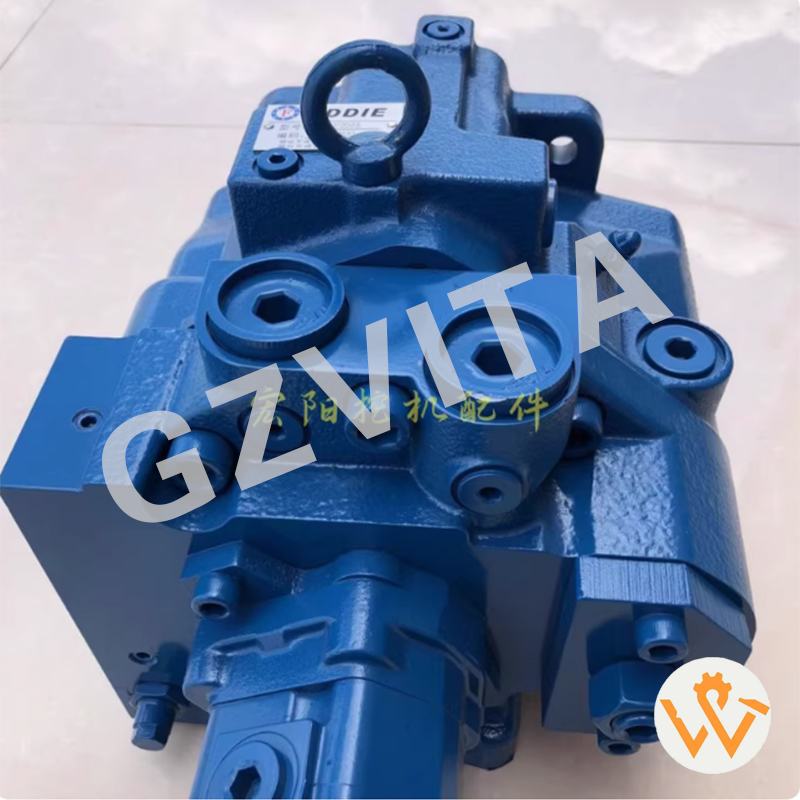
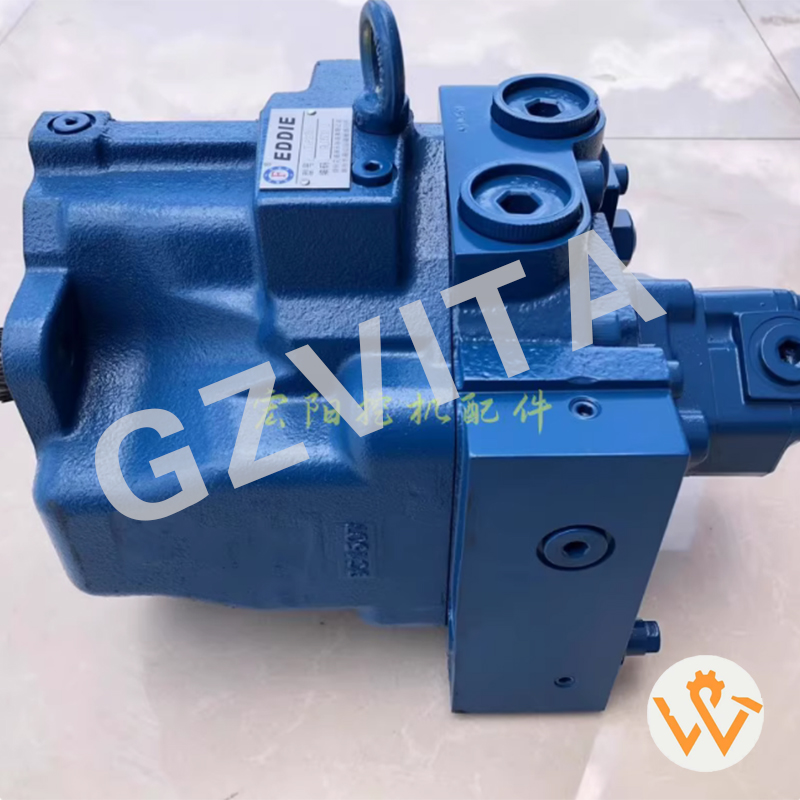
Inspecting the hydraulic pump is crucial for ensuring the efficient operation of an excavator. The hydraulic pump is responsible for generating the hydraulic pressure needed to operate various components, such as the boom, arm, and bucket. Regular inspection can help identify potential issues before they lead to significant problems. Here’s a step-by-step guide on how to inspect the hydraulic pump:
Ensure the excavator is parked on a stable surface and the engine is turned off. Engage the parking brake and remove the key to prevent accidental operation.
Inspect the hydraulic pump and surrounding areas for any signs of hydraulic fluid leaks. Look for wet spots, puddles, or drips around seals and connections.
Examine hydraulic hoses and fittings connected to the pump for wear, cracks, or damage. Replace any damaged components immediately.
Check the hydraulic pump housing for any signs of cracks, dents, or other physical damage.
Inspect the hydraulic fluid reservoir and ensure that the fluid level is within the recommended range. Low fluid levels can lead to pump cavitation and damage.
Start the excavator and operate it at low speed. Listen for any unusual noises coming from the hydraulic pump, such as grinding, whining, or knocking. These sounds may indicate internal issues.
Operate the excavator's hydraulic functions (e.g., boom, arm, bucket) to observe the pump's performance. Ensure that the hydraulic movements are smooth and responsive. Any hesitation or jerking may indicate a problem with the pump.
If accessible, check the drive mechanism that connects the hydraulic pump to the engine. Ensure that belts or couplings are in good condition and properly tensioned.
If the hydraulic pump has any electrical components (such as sensors), inspect the wiring and connectors for damage or corrosion. Use a multimeter to check for proper voltage and continuity if necessary.
Monitor the temperature of the hydraulic pump during operation. Overheating can indicate issues such as low fluid levels, contamination, or internal wear.
Record any issues or observations during the inspection. This documentation can help with future maintenance and repairs.
Follow the manufacturer's recommendations for regular maintenance and inspections of the hydraulic pump. This may include fluid changes, filter replacements, and other preventive measures.
Why is it important to inspect the excavator hydraulic pump regularly?
Regular inspections keep the hydraulic system running efficiently and help identify potential issues early, preventing costly breakdowns and damage to key components like the boom, arm, and bucket.
What safety precautions should I take before inspecting the pump?
Always park the excavator on a stable surface, turn off the engine, engage the parking brake, and remove the key. Wearing proper safety gear such as gloves and goggles is also essential.
What are the common signs of hydraulic pump failure?
Common signs include physical leaks around seals, visible cracks or wear on hoses, unusual grinding or whining noises during operation, slow or jerky movements, and pump overheating.
How does low hydraulic fluid affect the pump?
Low fluid levels can cause pump cavitation, introducing air bubbles into the fluid. This leads to mechanical wear, lack of pressure, and ultimately severe internal damage to the hydraulic pump.
What should I do if the hydraulic pump is overheating?
Stop operations immediately to check fluid levels and search for signs of contamination or blockages. If fluid levels are normal, internal component wear may be the cause, and professional service may be required.