 Vita Construction
1 / 2
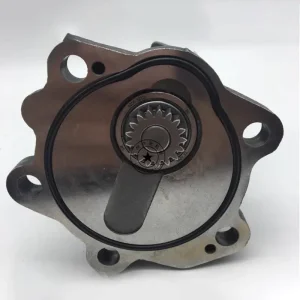
The piston pump generates hydraulic fluid pressure by using pistons to compress hydraulic oil. This pressurized fluid is essential for powering various hydraulic components of the excavator.
The hydraulic pressure produced by the piston pump is used to operate the excavator’s hydraulic cylinders, which control the movement of the boom, arm, bucket, and other attachments. This allows for precise and powerful movements necessary for excavation tasks.
Piston pumps are known for their high efficiency and ability to deliver a consistent flow of hydraulic fluid under varying loads. This ensures that the excavator can perform effectively in different working conditions.
Many excavator piston pumps are designed with variable displacement capabilities, allowing them to adjust the flow rate and pressure based on the demands of the hydraulic system. This feature enhances the machine’s performance and fuel efficiency.
Piston pumps are built to withstand high pressures and harsh working environments, making them a reliable choice for heavy machinery like excavators. Their robust design contributes to the overall longevity of the hydraulic system.
The hydraulic system, powered by the piston pump, allows for precise control of the excavator’s movements. Operators can make fine adjustments to the position and force applied by the excavator’s components, which is critical for tasks that require accuracy.
The excavator piston pump is a vital component that enables the hydraulic system to function effectively, providing the necessary power and control for the excavator’s operations.
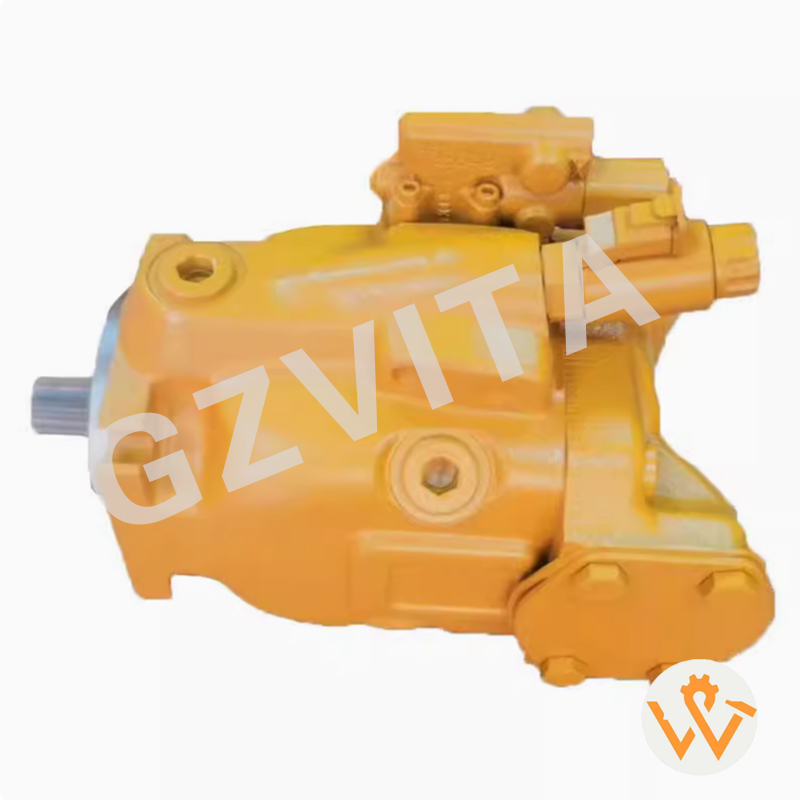
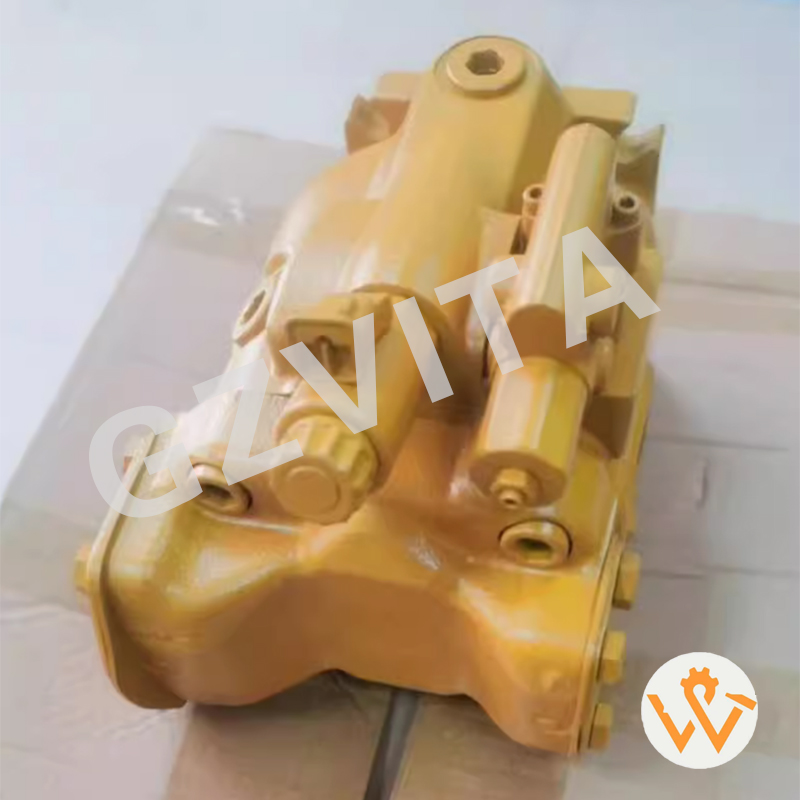
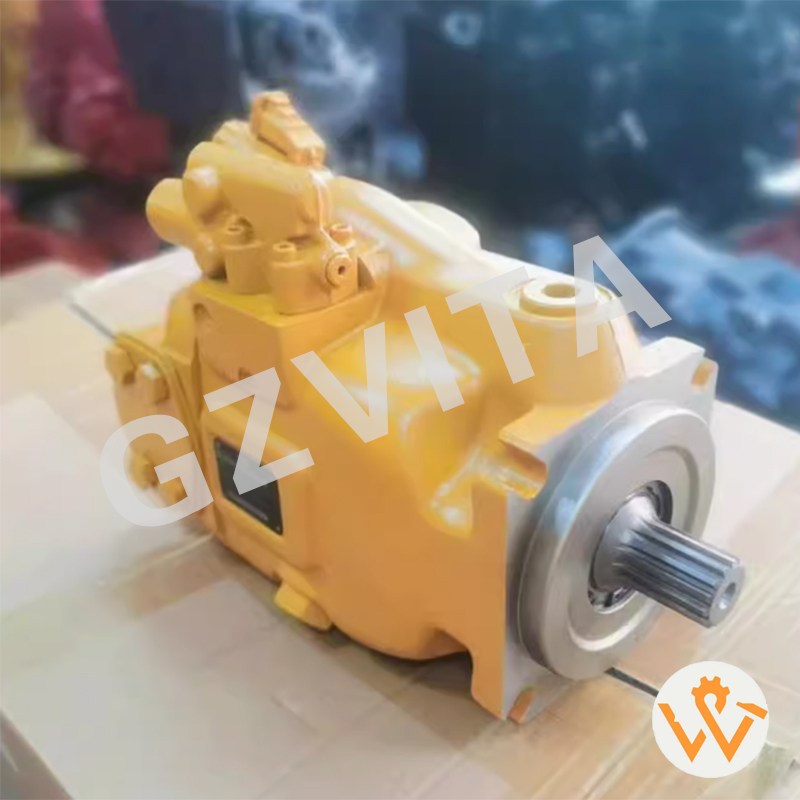
The primary function of an excavator piston pump is to generate hydraulic fluid pressure by using pistons to compress hydraulic oil, which powers the machine's hydraulic components.
It produces hydraulic pressure to operate the hydraulic cylinders. This controls the movements of critical parts like the boom, arm, bucket, and other attachments.
Variable displacement allows the pump to dynamically adjust flow rate and pressure according to system demands. This optimization increases overall machine efficiency and saves fuel.
They are selected because they can handle high operating pressures and survive in harsh working conditions. Their robust construction increases the longevity and reliability of the excavator's hydraulic system.
Yes, by providing consistent pressure and control, it allows operators to execute precise adjustments to the position and force of the excavator's components for highly accurate work.