 Vita Construction
1 / 4
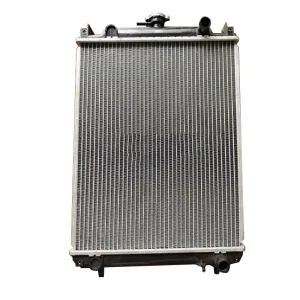
A radiator is a crucial component of a vehicle’s cooling system, designed to dissipate heat from the engine and maintain optimal operating temperatures. Here’s a detailed explanation of how a radiator works:
When the engine runs, it generates a significant amount of heat due to the combustion process. To prevent the engine from overheating, a coolant (usually a mixture of water and antifreeze) circulates through the engine block. As the coolant flows through the engine, it absorbs heat, raising its temperature.
The heated coolant exits the engine and enters the radiator. The flow of coolant is typically facilitated by a water pump, which ensures that the coolant circulates efficiently throughout the cooling system.
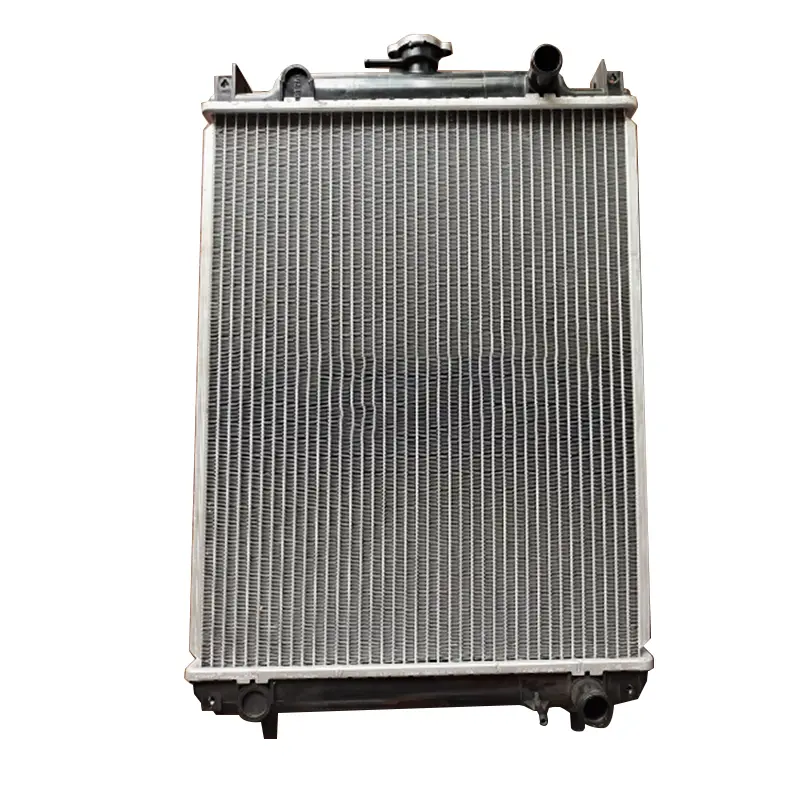
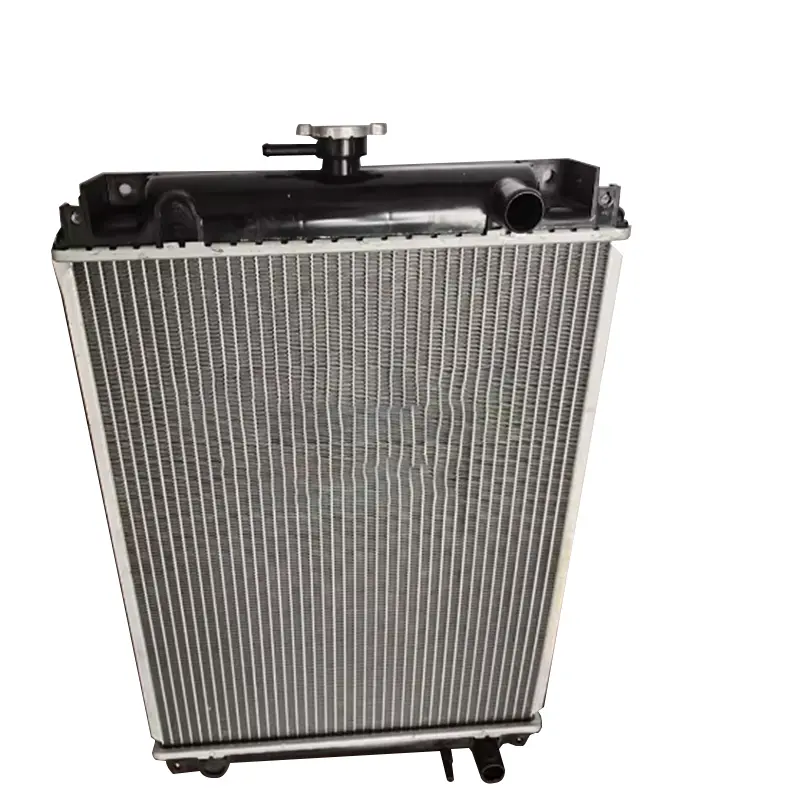
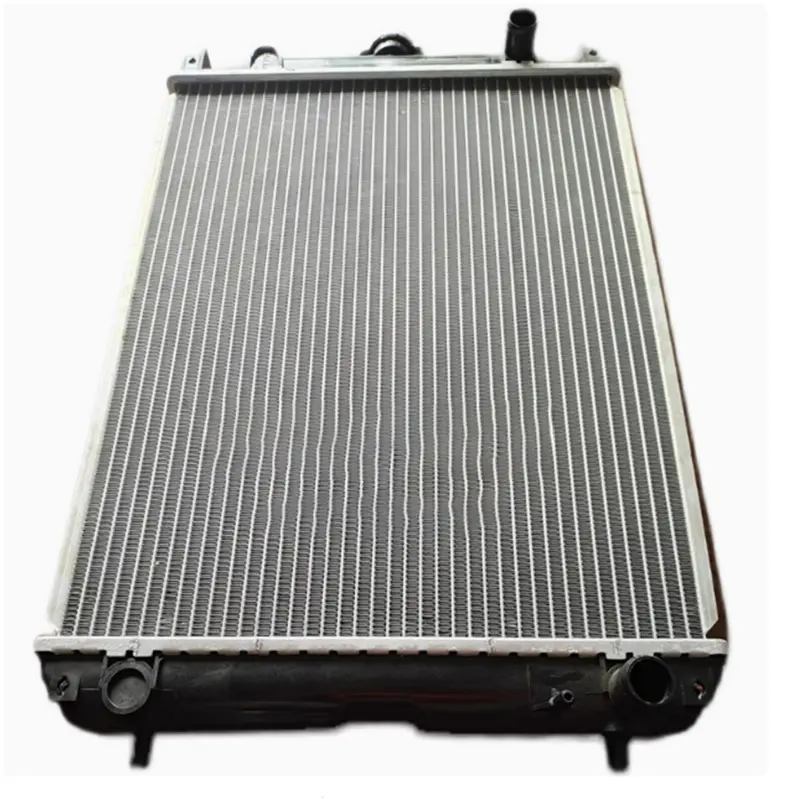
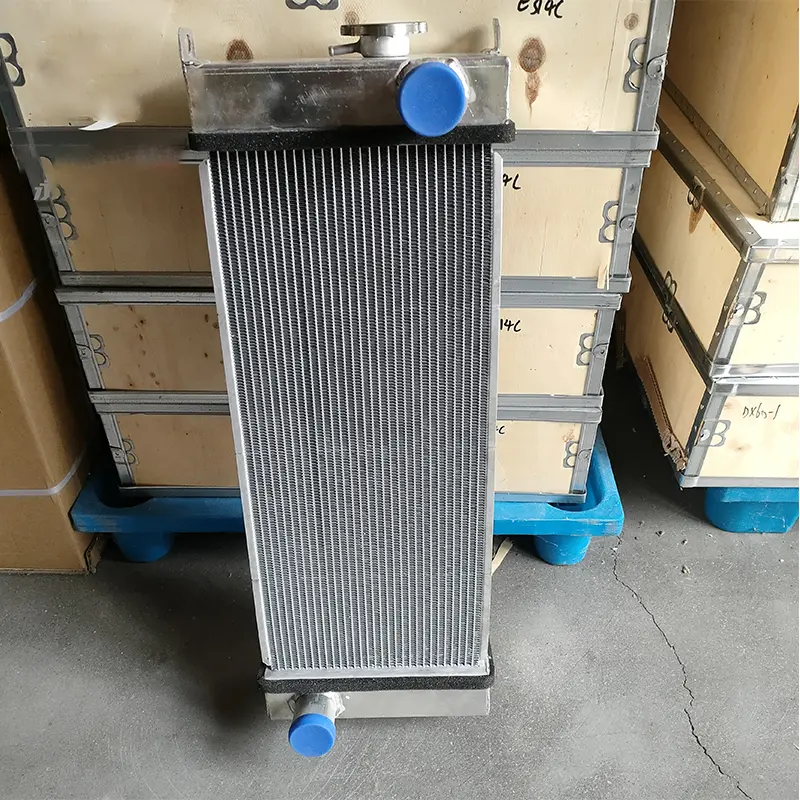
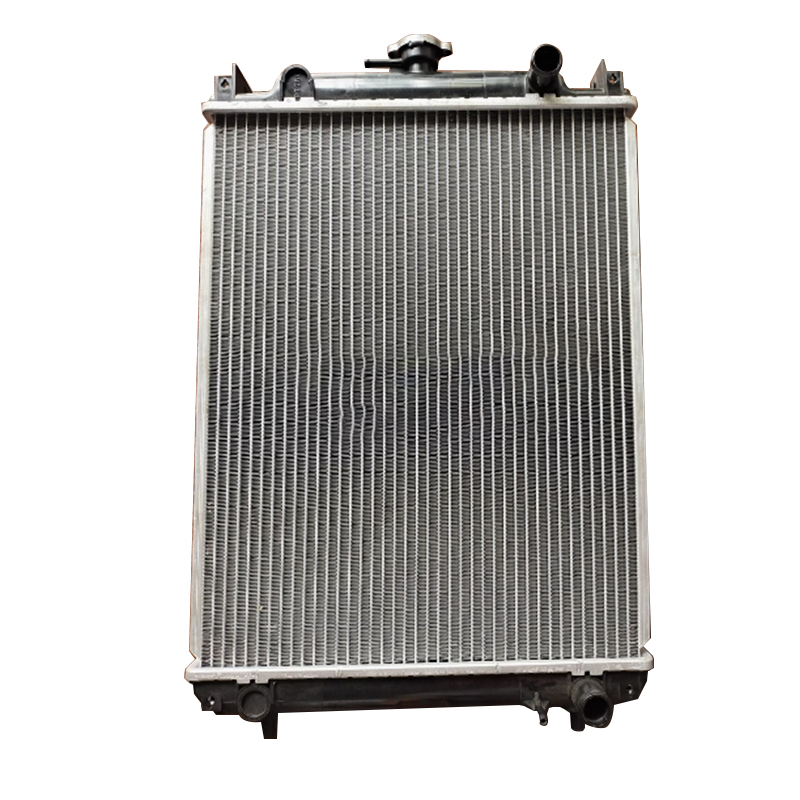
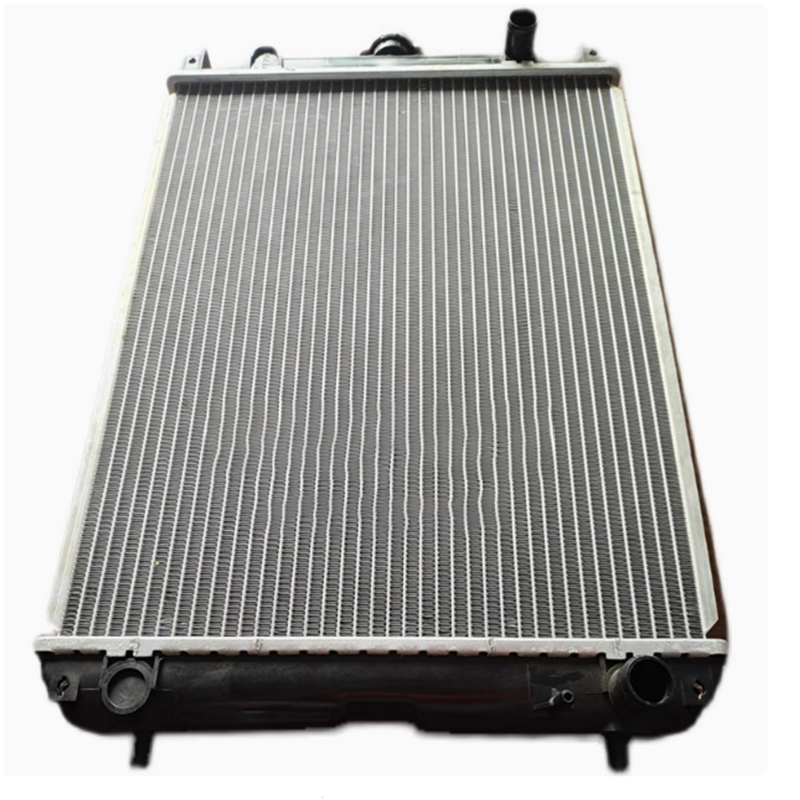
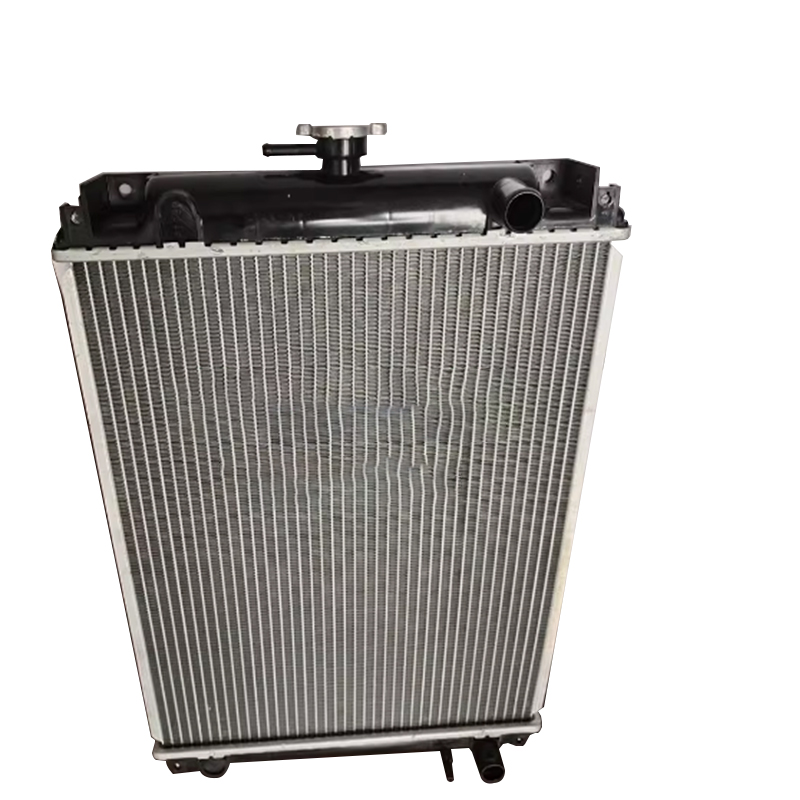
Inside the radiator, the hot coolant flows through a series of thin tubes. Surrounding these tubes are metal fins that increase the surface area for heat dissipation. As the hot coolant passes through the tubes, heat is transferred from the coolant to the fins.
To enhance the cooling process, air is drawn through the radiator. This can occur naturally while the vehicle is moving (dynamic airflow) or through a fan (static airflow) when the vehicle is stationary or at low speeds. The airflow over the fins helps to carry away the heat, cooling the coolant as it passes through the radiator.
Once the coolant has released its heat, it exits the radiator and returns to the engine to absorb more heat. This continuous cycle of heating and cooling helps maintain the engine at an optimal temperature, preventing overheating and ensuring efficient operation.
The cooling system is equipped with a thermostat that regulates the flow of coolant based on the engine’s temperature. When the engine is cold, the thermostat remains closed, allowing the engine to warm up quickly. Once the engine reaches the desired temperature, the thermostat opens, allowing coolant to flow to the radiator for cooling.
In summary, a radiator works by facilitating the transfer of heat from the engine coolant to the surrounding air, thereby maintaining the engine’s temperature within a safe operating range. Proper functioning of the radiator is essential for the overall performance and longevity of the engine, making regular maintenance and checks important for vehicle owners.
The main function of a radiator is to dissipate the intense heat generated by the vehicle's engine. It transfers heat from the circulating coolant to the outside air, keeping the engine at a safe operating temperature.
Coolant (a mixture of water and antifreeze) flows through the engine block, absorbing the heat generated during combustion. It then transports this heat to the radiator to be cooled down before returning to the engine.
The thermostat regulates the flow of coolant. It stays closed when the engine is cold to help it warm up quickly, and opens up once the engine reaches its optimal operating temperature to let coolant flow to the radiator.
The metal fins are designed to increase the surface area of the radiator tubes. As hot coolant flows through the tubes, the fins transfer the heat to the passing air more efficiently.
Airflow is generated naturally by the movement of the vehicle (dynamic airflow) and assisted by electric fans (static airflow) when the vehicle is stationary or moving at slow speeds.
Regular radiator checks and maintenance prevent issues like coolant leaks, blockages, and corrosion, ensuring optimal heat exchange and protecting the engine from severe overheating damage.