 Vita Construction
1 / 3
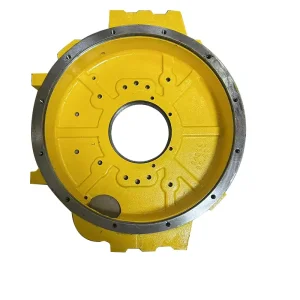
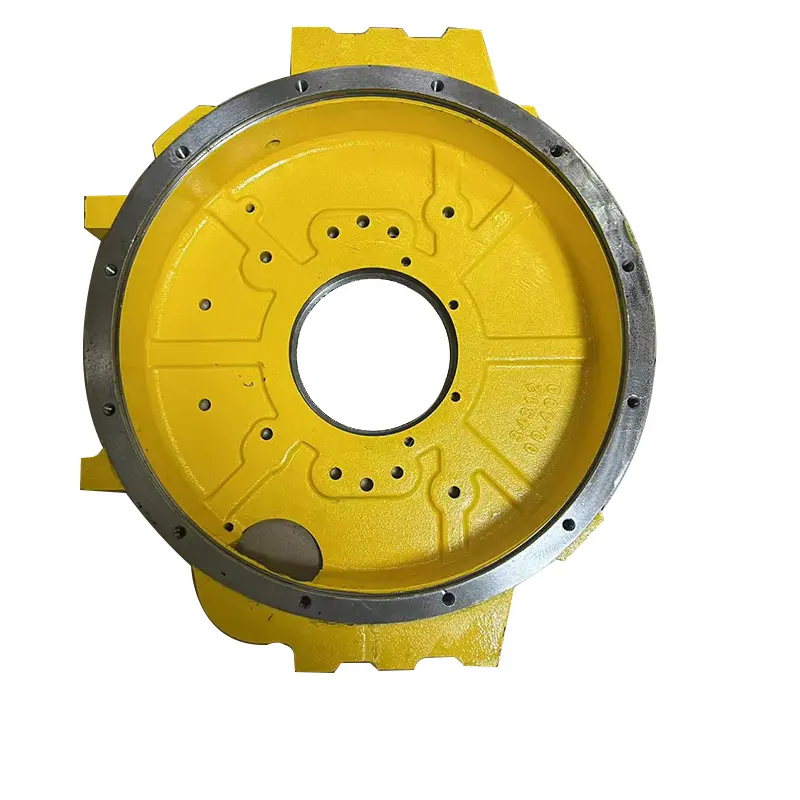
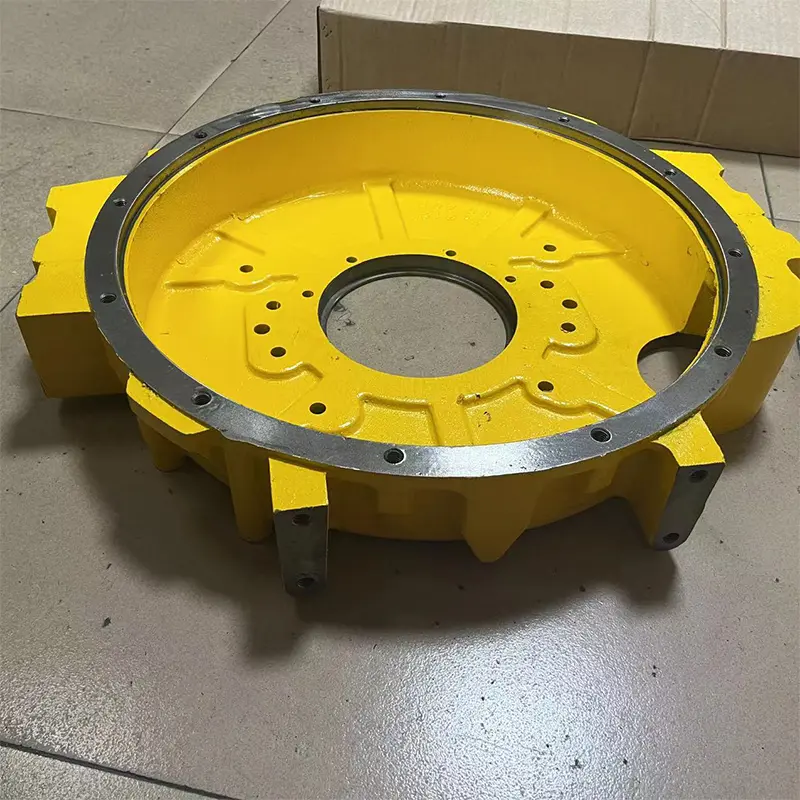
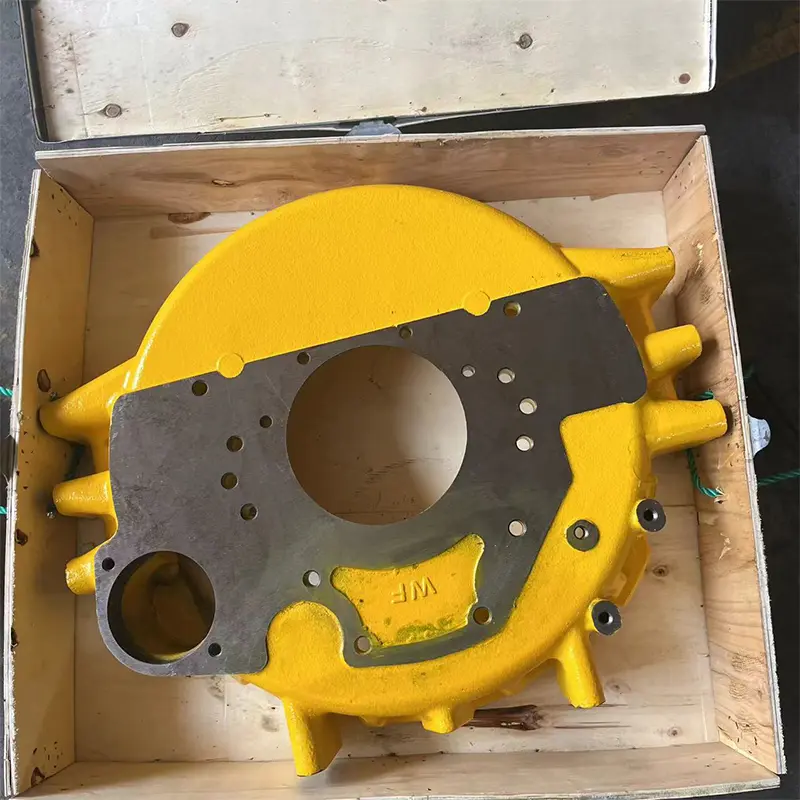
The engine flywheel housing, also known as the bell housing, is a critical component in an internal combustion engine system, particularly in vehicles and heavy machinery like excavators. It serves several important functions related to the engine’s operation and overall performance. Here’s a detailed overview of the flywheel housing and its role in an engine.
The flywheel housing is a protective casing that encloses the flywheel and connects the engine to the transmission. It plays a vital role in housing the components that facilitate the transfer of power from the engine to the drivetrain. The flywheel itself is a heavy, rotating disc that helps to smooth out the engine’s power delivery and maintain momentum.
Flywheel housings are typically made from durable materials such as cast iron or aluminum, which can withstand the high stresses and temperatures generated during engine operation. The design of the housing may vary depending on the engine type and application, but it generally features:
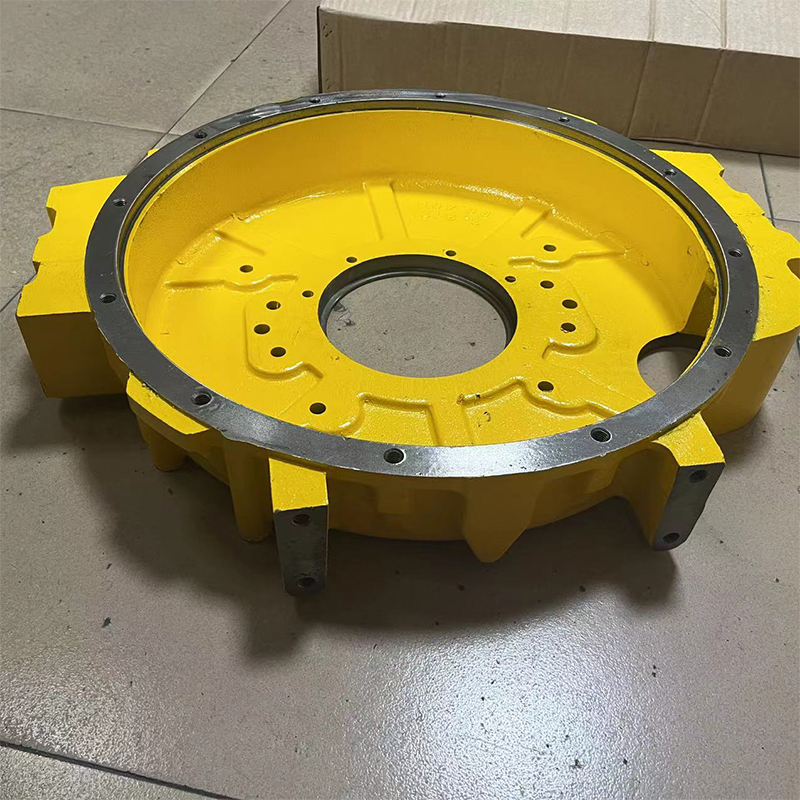
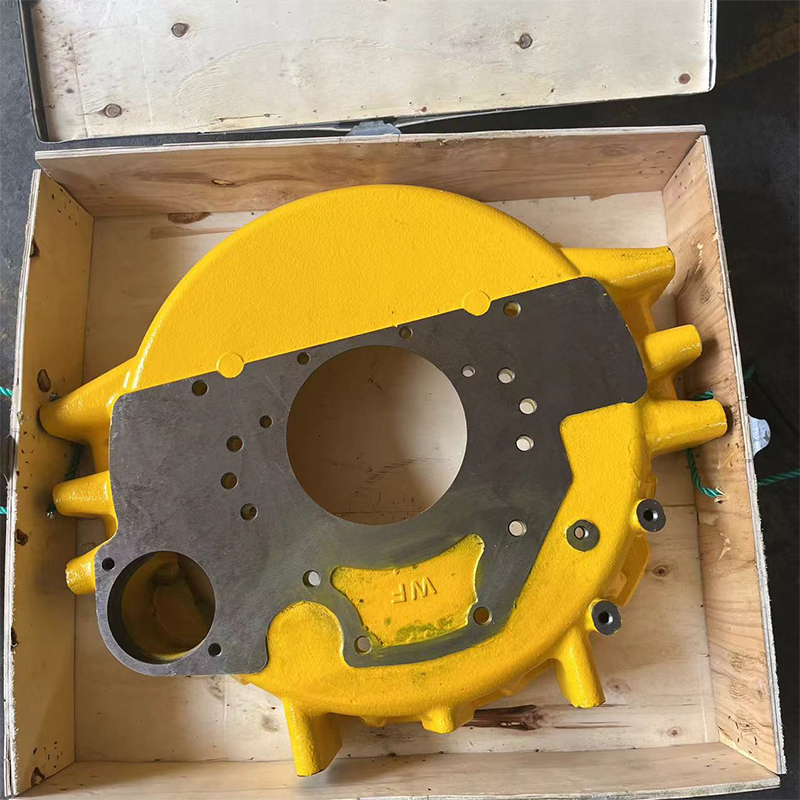
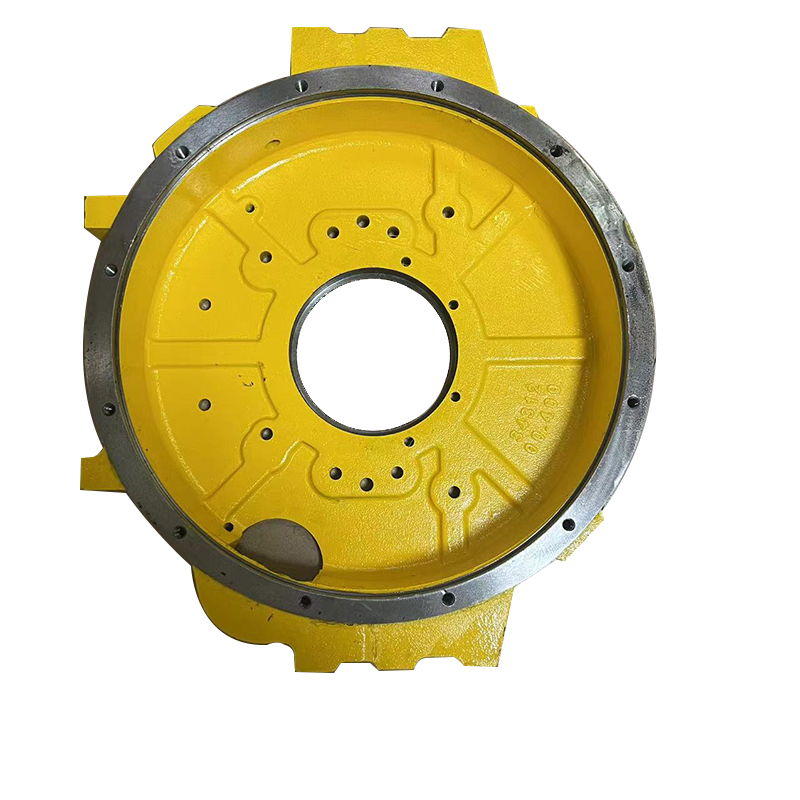
Also known as the bell housing, it is a protective casing that encloses the flywheel and connects the engine block to the transmission system.
They are generally constructed from durable materials like cast iron or aluminum to withstand high structural stresses and operating temperatures.
Proper alignment prevents uneven wear on components, ensures smooth power transfer, and minimizes vibration during operation.
By housing the flywheel, it helps reduce engine vibrations and enables consistent torque delivery through stored rotational energy.
Regularly check for structural cracks, monitor for engine or transmission oil leaks around the seals, and keep the housing free of dirt and debris.