 Vita Construction
1 / 3
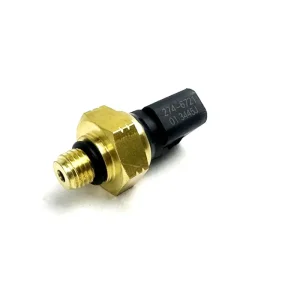
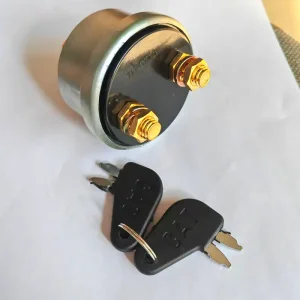
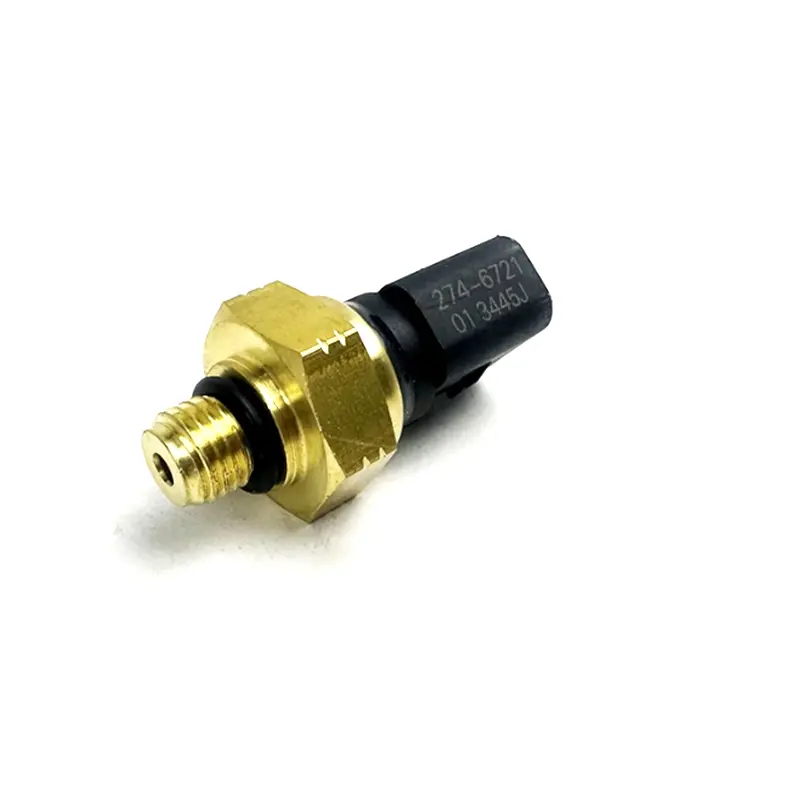
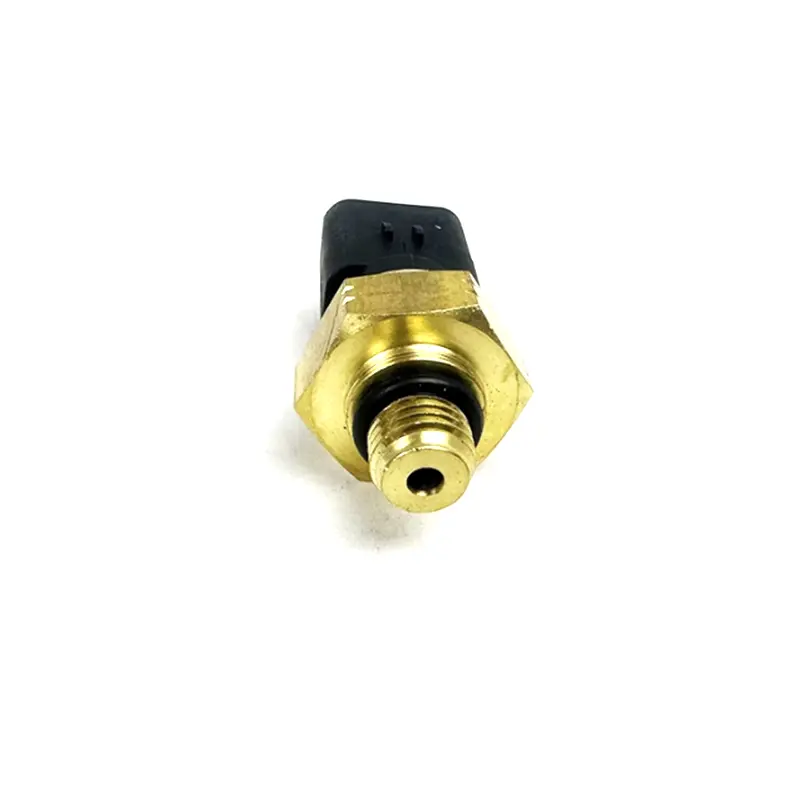
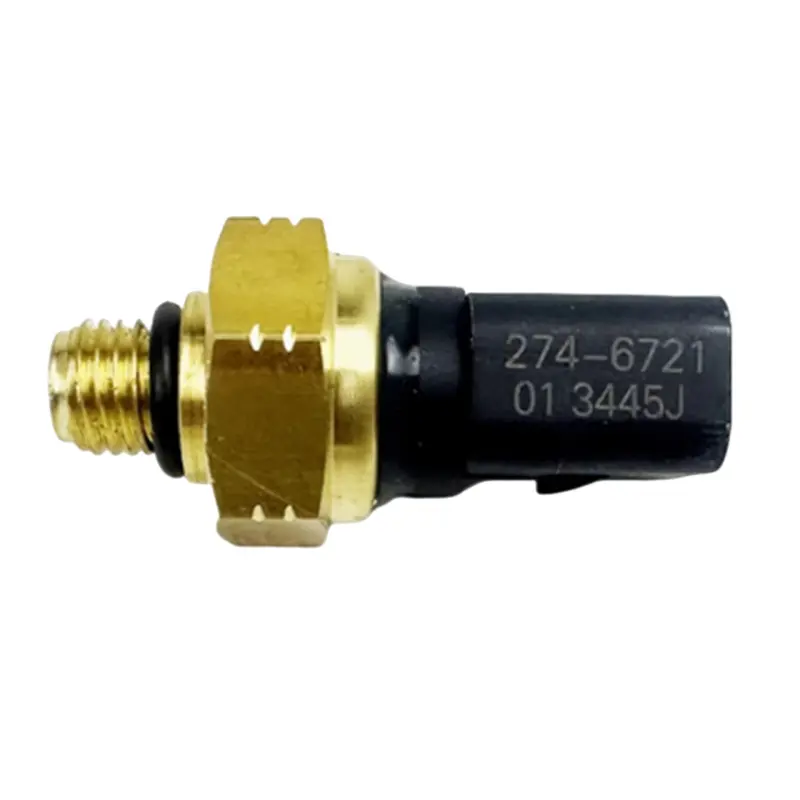
The oil pressure sensor is a critical component in the engine management system of an excavator. It plays a vital role in monitoring the oil pressure within the engine, ensuring that the engine operates efficiently and safely.
Continuously monitors engine oil pressure and provides real-time data to the ECU to evaluate engine health and performance.
Triggers dashboard alerts immediately if pressure drops below limit threshold, preventing severe damage from low lubrication.
Transmits essential feedback to the ECU, helping to optimize overall engine parameters and increase fuel efficiency.
Built to endure extreme construction conditions, vibrations, high temperatures, moisture, and chemical exposure.
Requires routine checks on connections and wear to guarantee accurate monitoring and avoid severe engine damage.
An indispensable tool within the excavator’s engine management scheme, boosting safety and optimal performance.
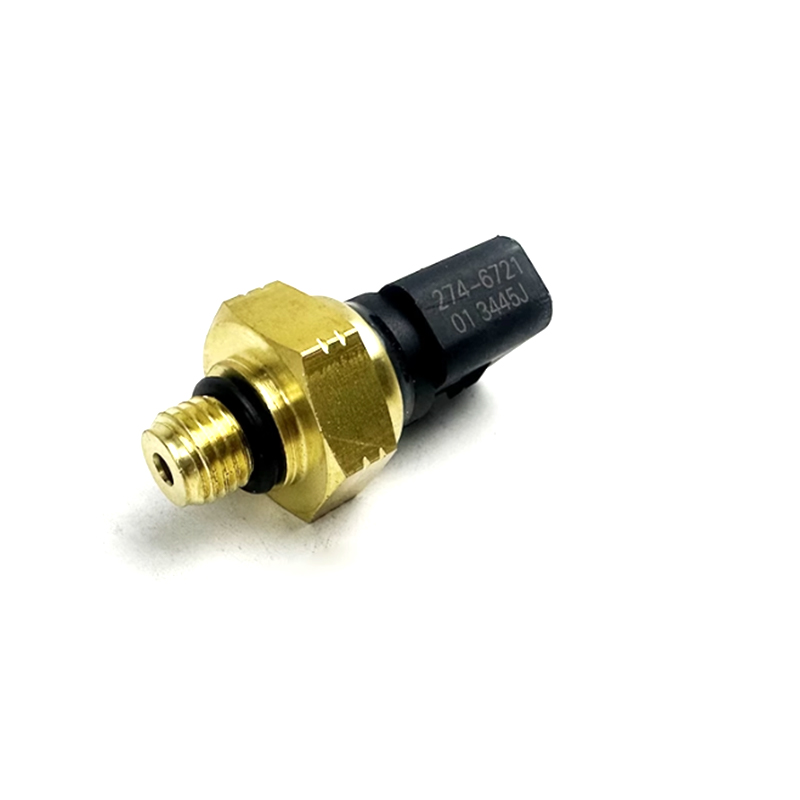
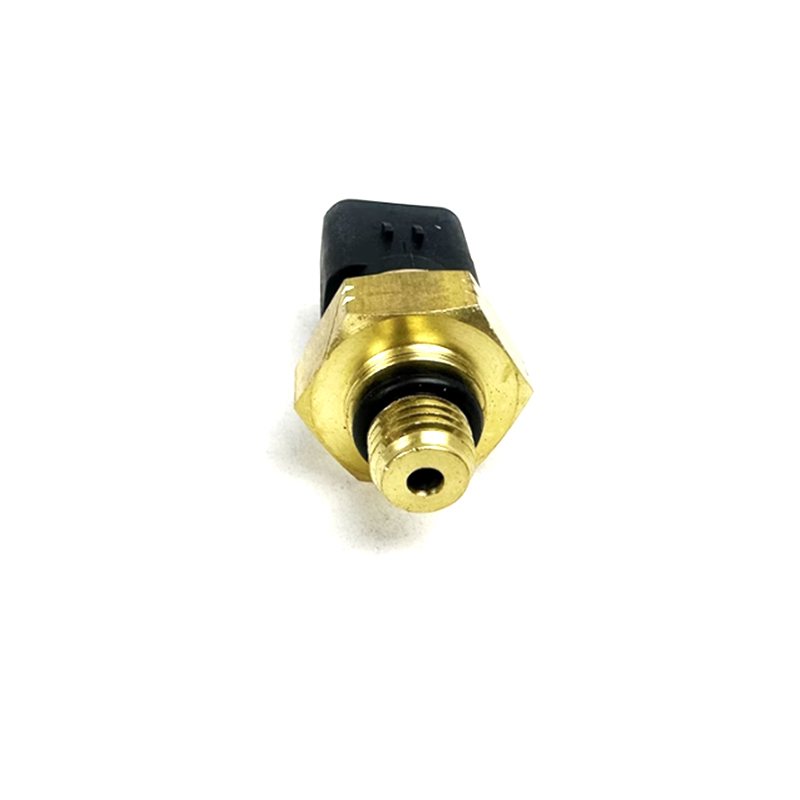
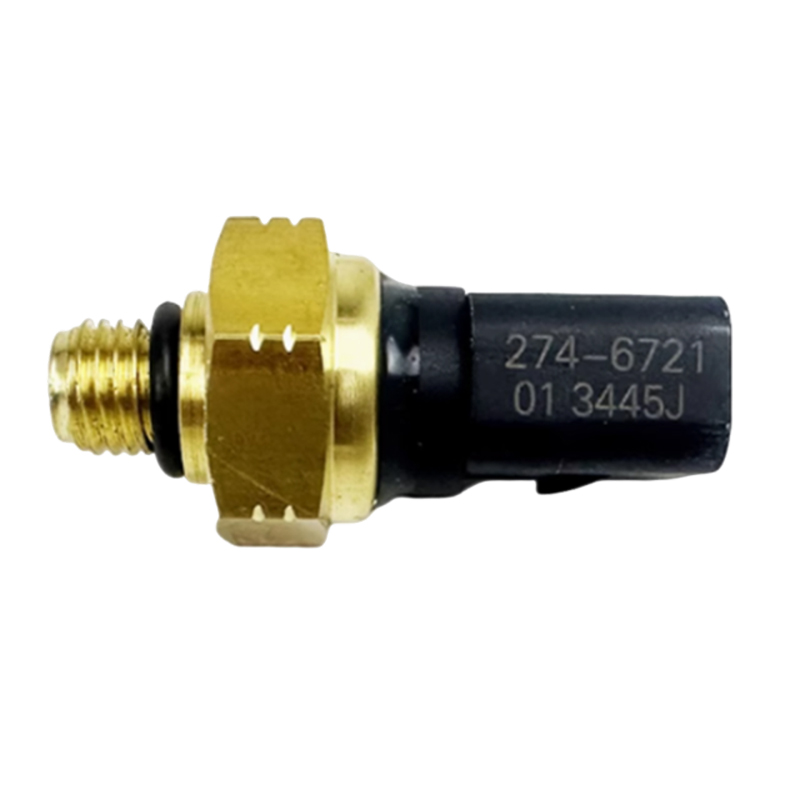
The primary purpose of the sensor is to continuously monitor the engine's oil pressure in real time, feeding vital status data back to the Engine Control Unit (ECU) to ensure safe and efficient engine operation.
If the oil pressure drops below a safe threshold, the sensor activates an immediate alert warning light on the operator’s dashboard. This signals the operator to take quick corrective action to prevent severe engine breakdown.
The ECU processes the real-time pressure feedback to dynamically adjust engine parameters. This fine-tuning helps keep the engine running in its ideal operating range and enhances overall fuel efficiency.
Yes. They are manufactured using robust materials that resist extreme heat, continuous vibrations, oil contaminants, and moisture, ensuring long-term operational durability.
Operators should regularly inspect the sensor physically for wear, clean off contaminants, and ensure all electrical wiring connections remain secure and free of corrosion.