 Vita Construction
1 / 4
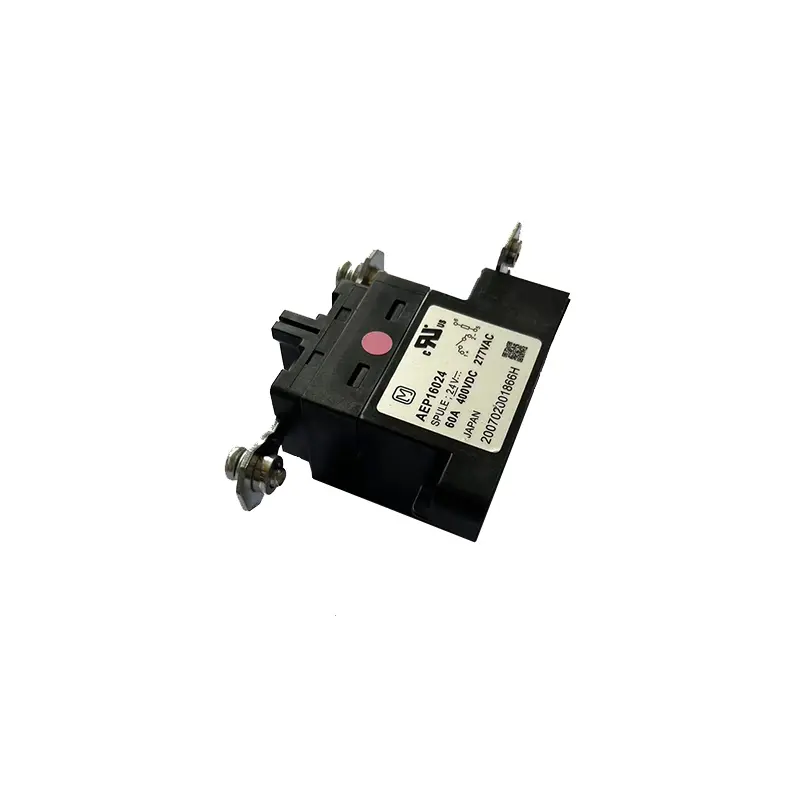
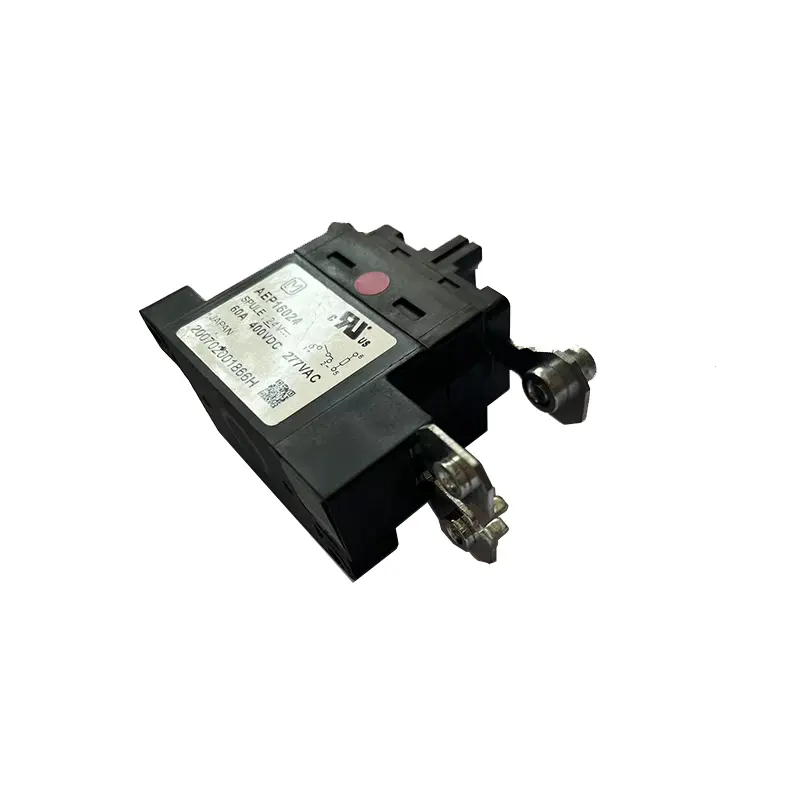
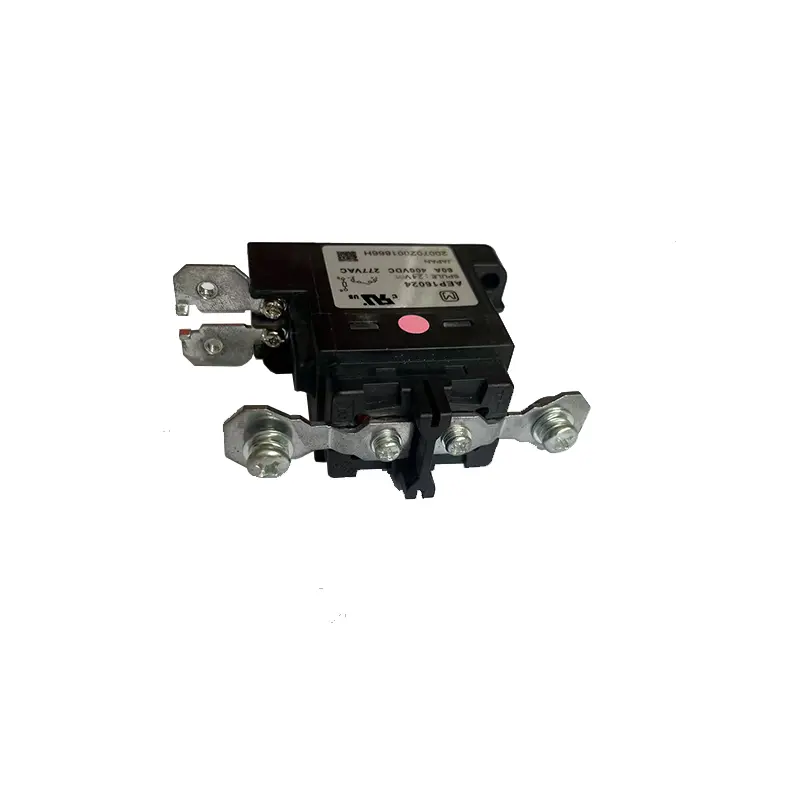
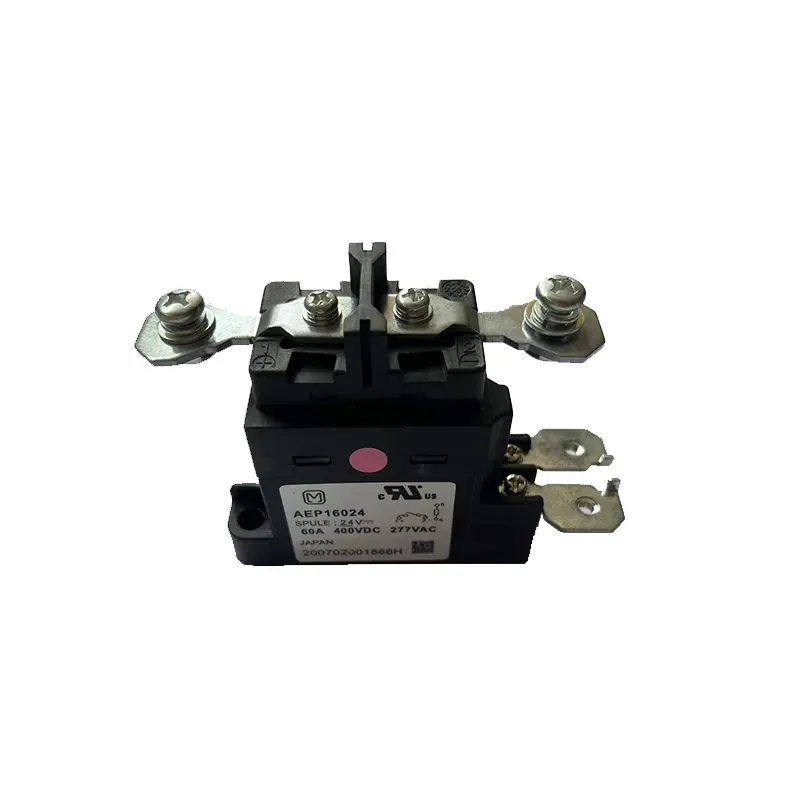
Magnetic relays are electromechanical devices used to control the flow of electricity in various applications. They serve as switches that open or close circuits based on an electromagnetic force generated by an electric current. Magnetic relays are widely used in industrial, automotive, and consumer electronics due to their reliability and versatility. In this article, we will explore the function, features, and importance of magnetic relays.
The primary function of a magnetic relay is to control a high-power circuit using a low-power signal. When an electric current passes through the coil of the relay, it generates a magnetic field that attracts a movable armature. This movement either opens or closes the contacts within the relay, allowing or interrupting the flow of electricity in the connected circuit.
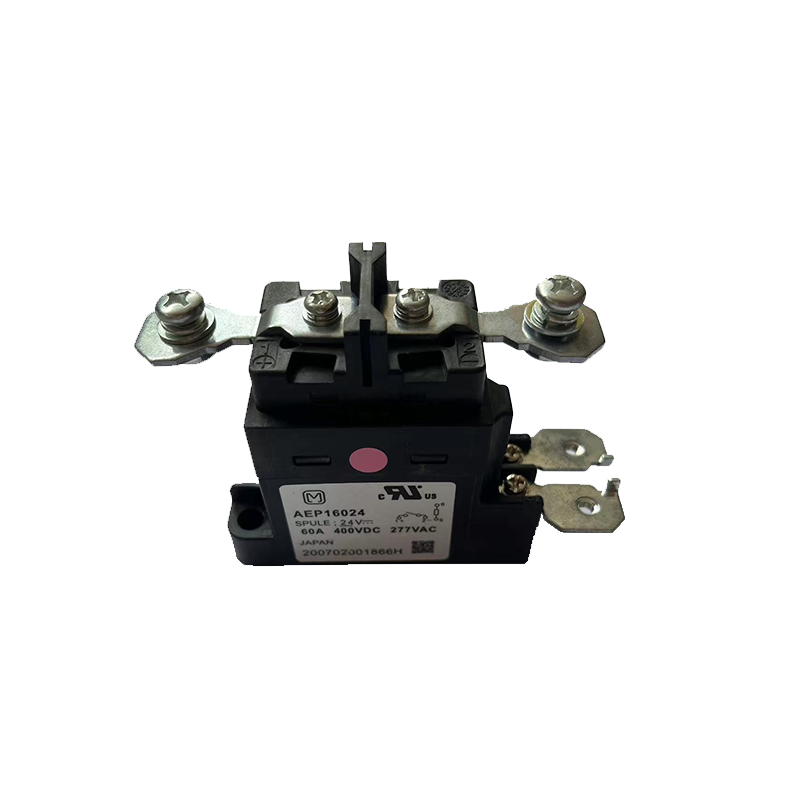
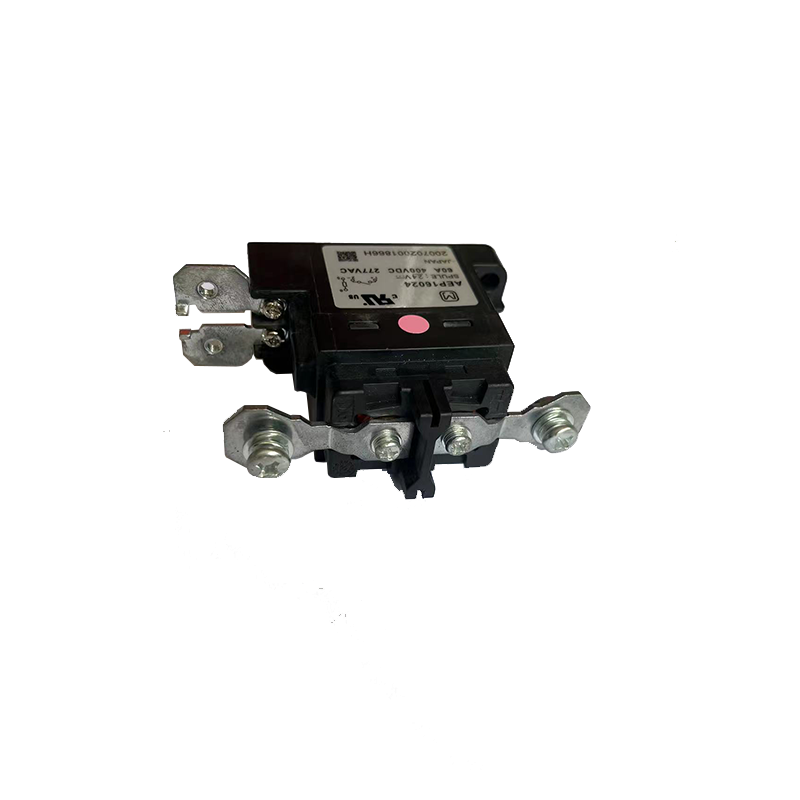
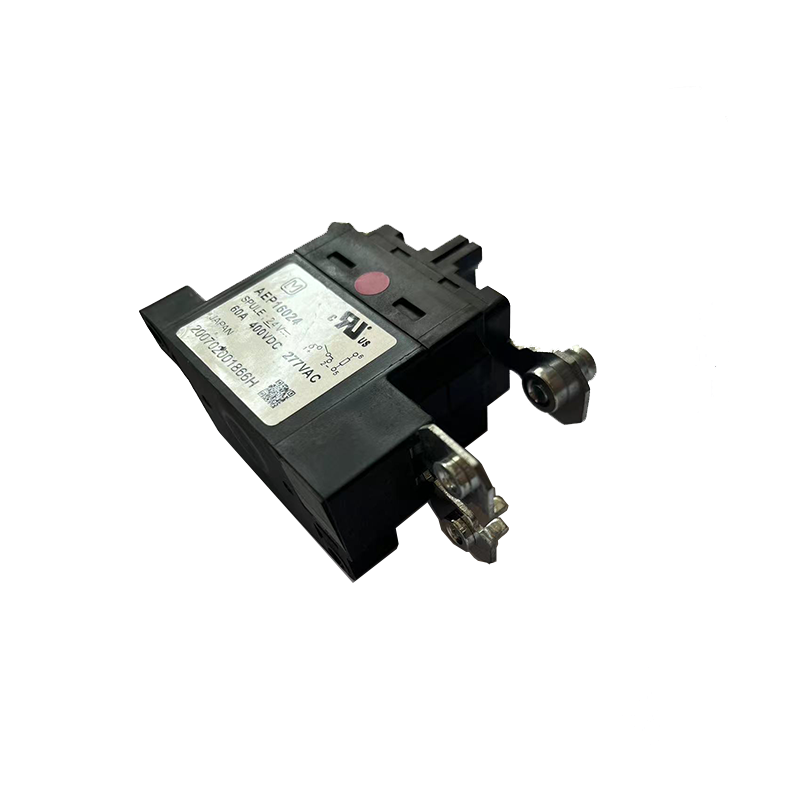
A magnetic relay is an electromagnetic switch that uses a small electrical current to generate a magnetic field, which in turn controls a larger electrical current by opening or closing contacts.
Its primary function is to safely control a high-power circuit using a low-power input signal, providing complete electrical isolation between the control system and the load.
Magnetic relays are available in a variety of coil voltages to suit different systems, commonly including 5V, 12V, 24V, and 120V configurations.
They typically come with normally open (NO) and normally closed (NC) configurations, which determine the state of the circuit when the relay is not energized.
They are widely used in industrial automation (controlling motors and conveyors) and automotive applications (controlling lights, horns, and pump switches).