 Vita Construction
1 / 5
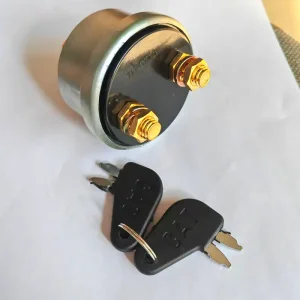
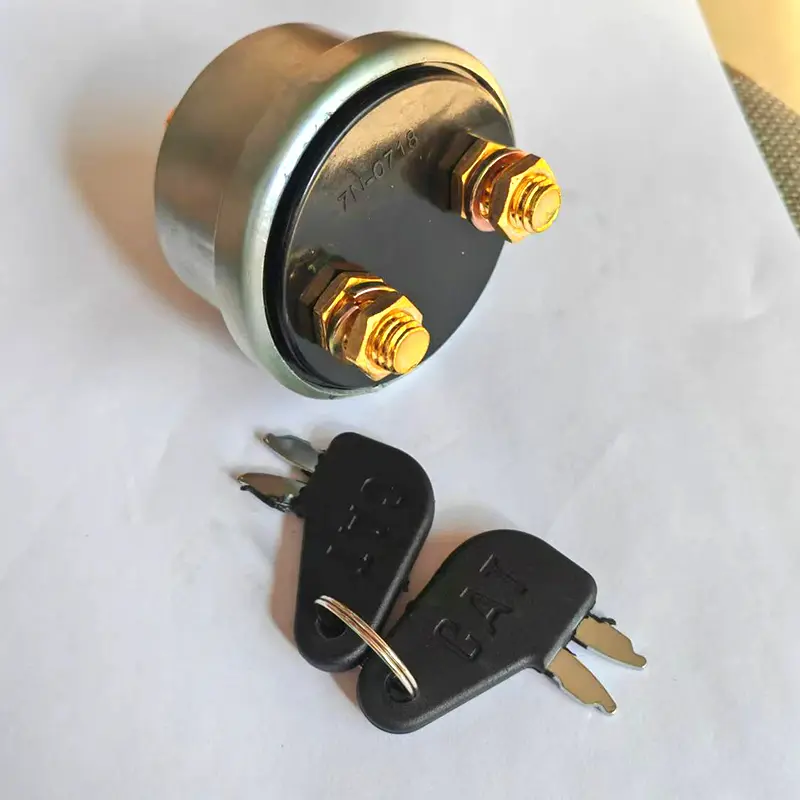
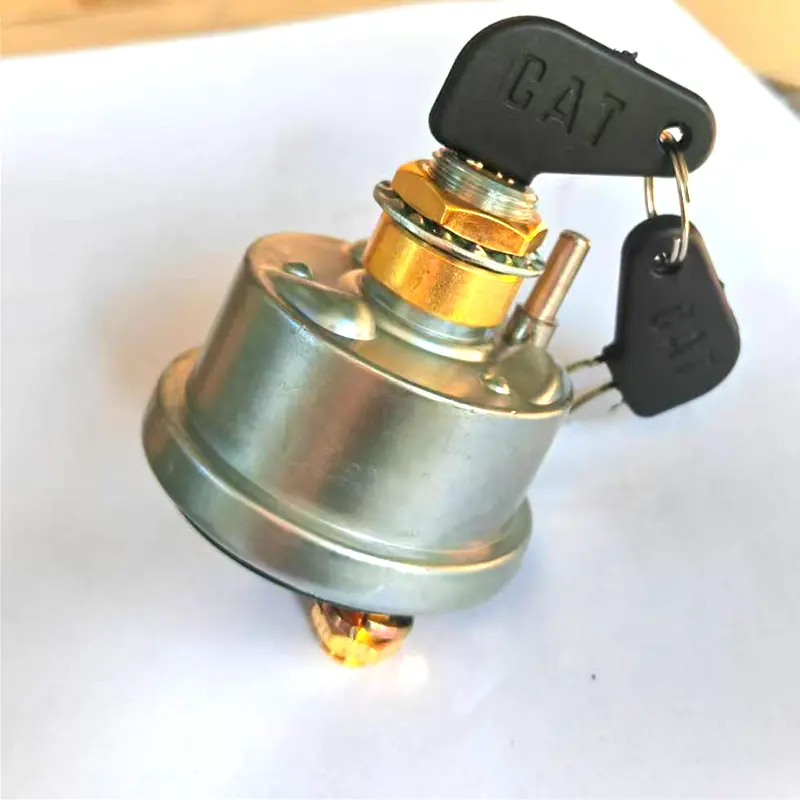
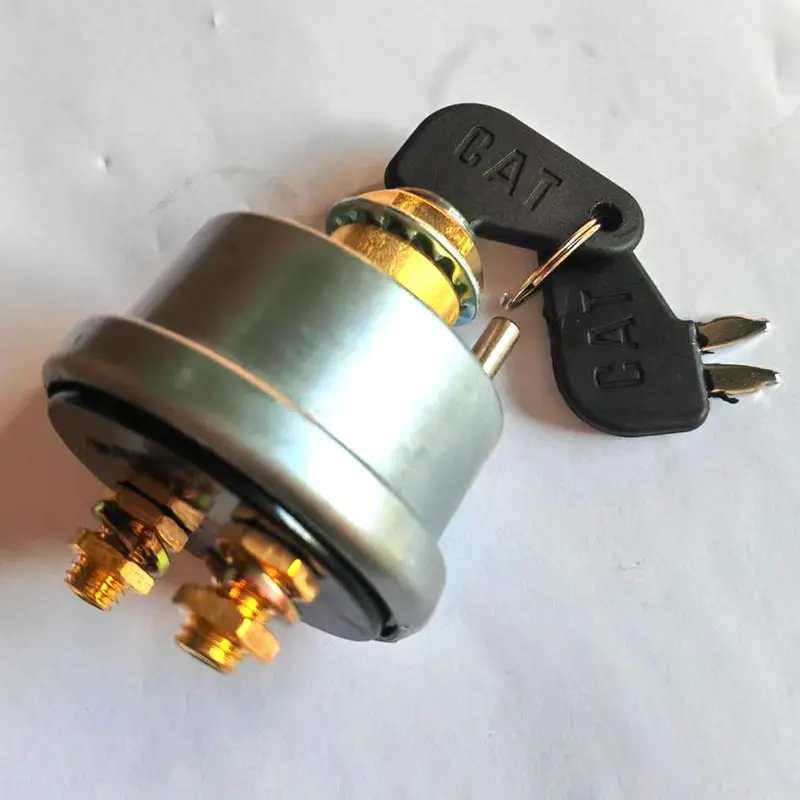
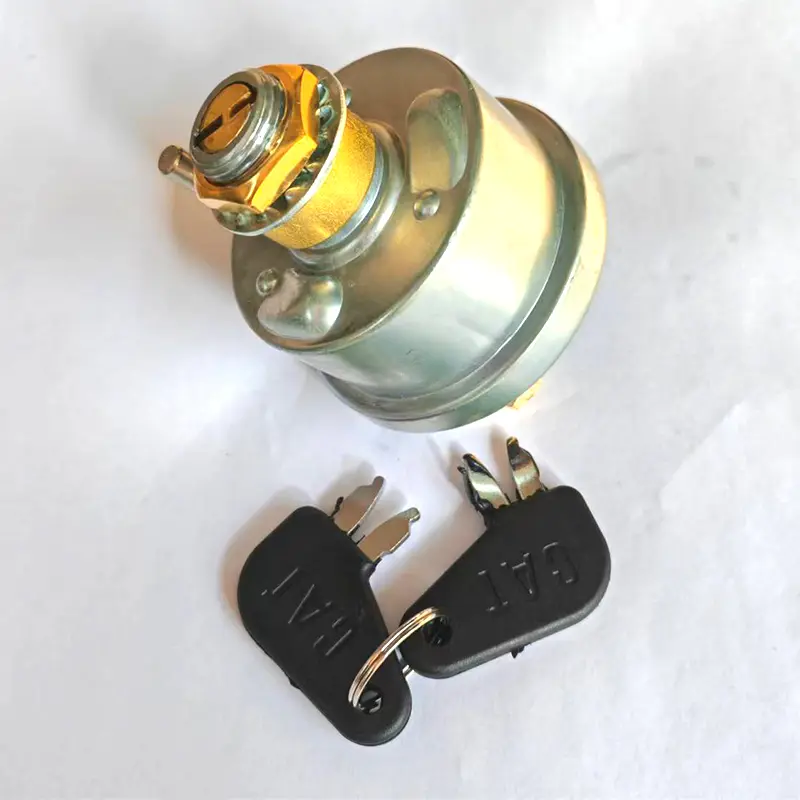
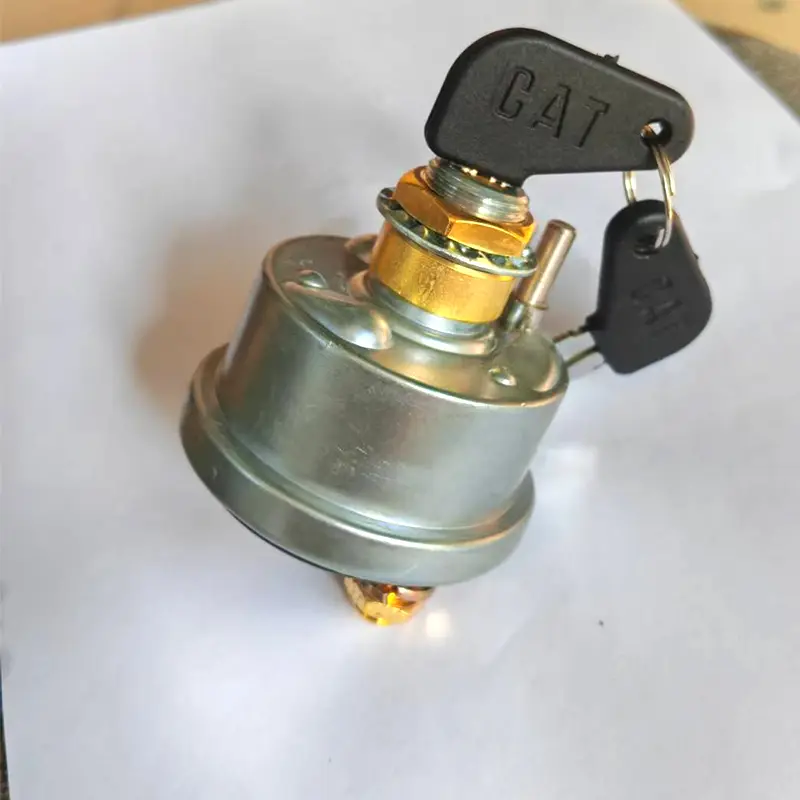
The ignition switch in an excavator is a crucial component that controls the starting and stopping of the engine. It serves as the interface between the operator and the engine’s electrical system, ensuring that the engine can be safely and effectively started and shut down. Here’s a detailed description of the ignition switch and its functions:
The primary function of the ignition switch is to initiate the engine start-up process and to turn off the engine when necessary. When the operator turns the key or presses the start button, the ignition switch sends an electrical signal to the starter relay, which activates the starter motor to crank the engine.
In summary, the ignition switch acts as the vital gateway for governing the power state of your excavator. Proper use, paired with routine checking of its electrical pathways and key mechanism, ensures minimal downtime and safe operability during heavy duty applications.
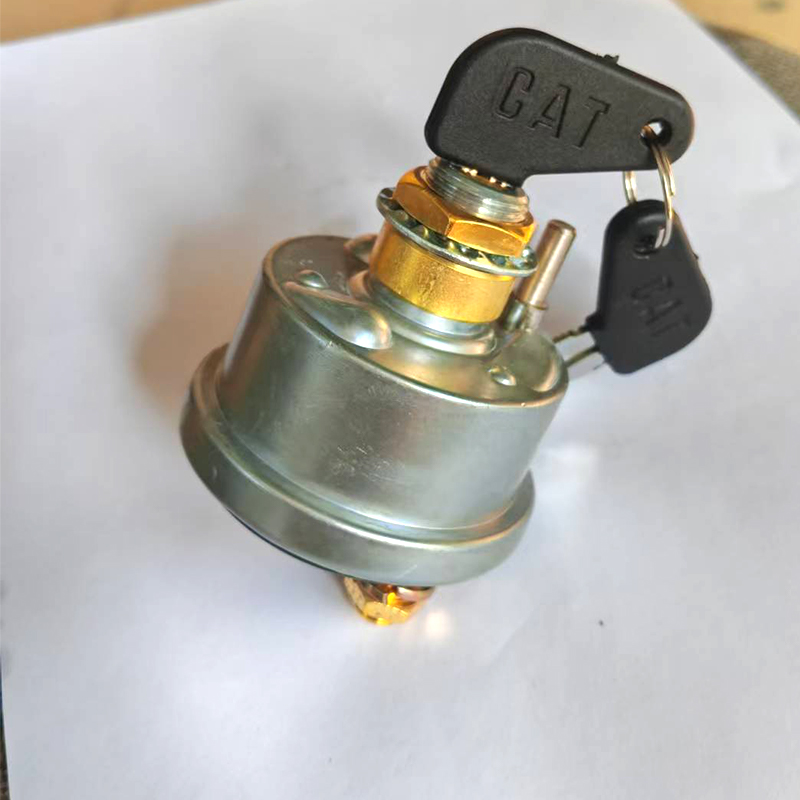
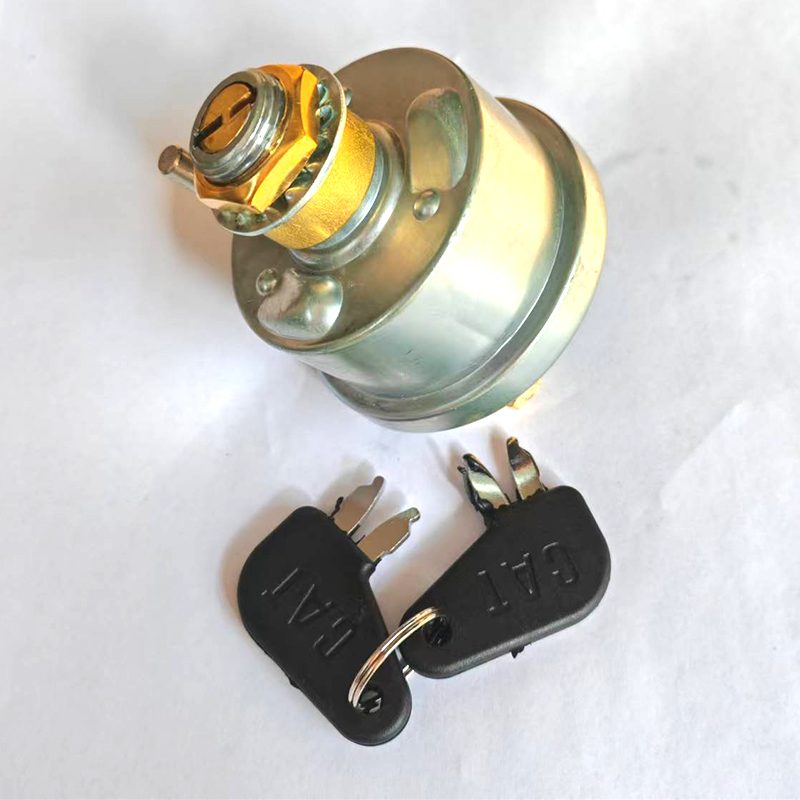
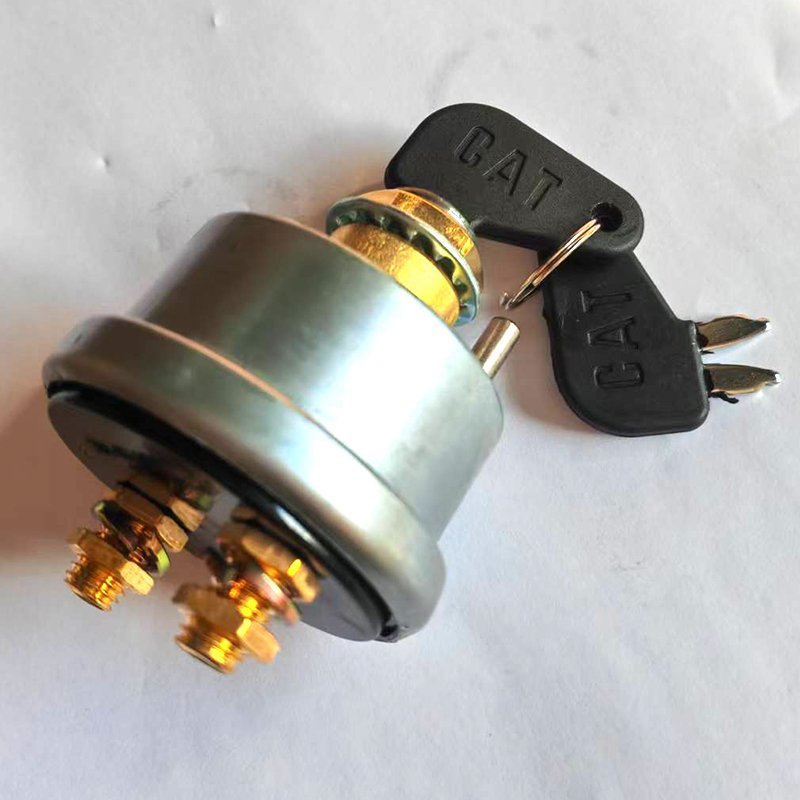
The main functions are initiating the engine startup process by sending signals to the starter relay, maintaining the running state, and safely shutting down the engine when turned off.
This is a safety feature designed to prevent the starter motor from engaging with the flywheel while the engine is already in motion, which protects the components from severe gear damage.
Common signs of failure include difficulty turning the key, the engine failing to crank despite a good battery, intermittent electrical power loss, or failure of the engine to shut down.
It is recommended to inspect the ignition switch during regular scheduled maintenance of the vehicle's electrical system, or immediately if you experience starting anomalies.
Yes, the 7N-0718 ignition switch assembly comes complete with 2 operational keys specifically designed for compatible machinery.