 Vita Construction
1 / 5
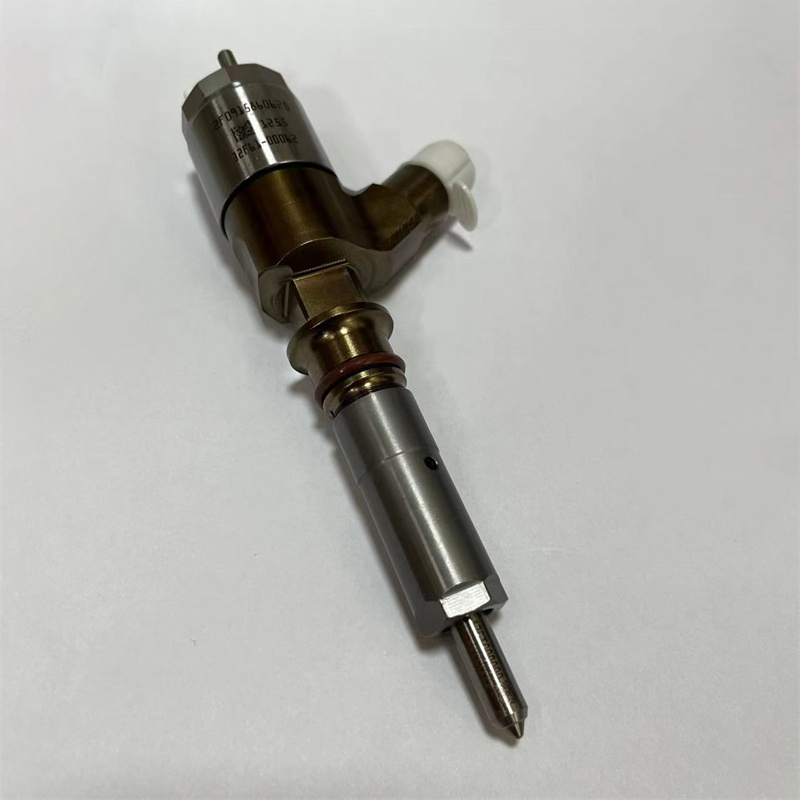
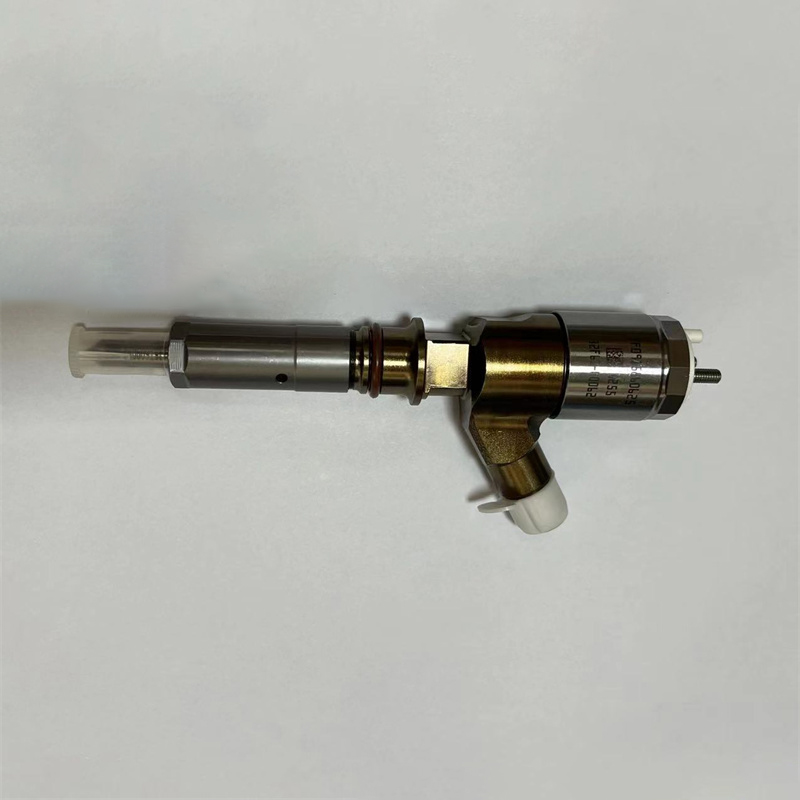
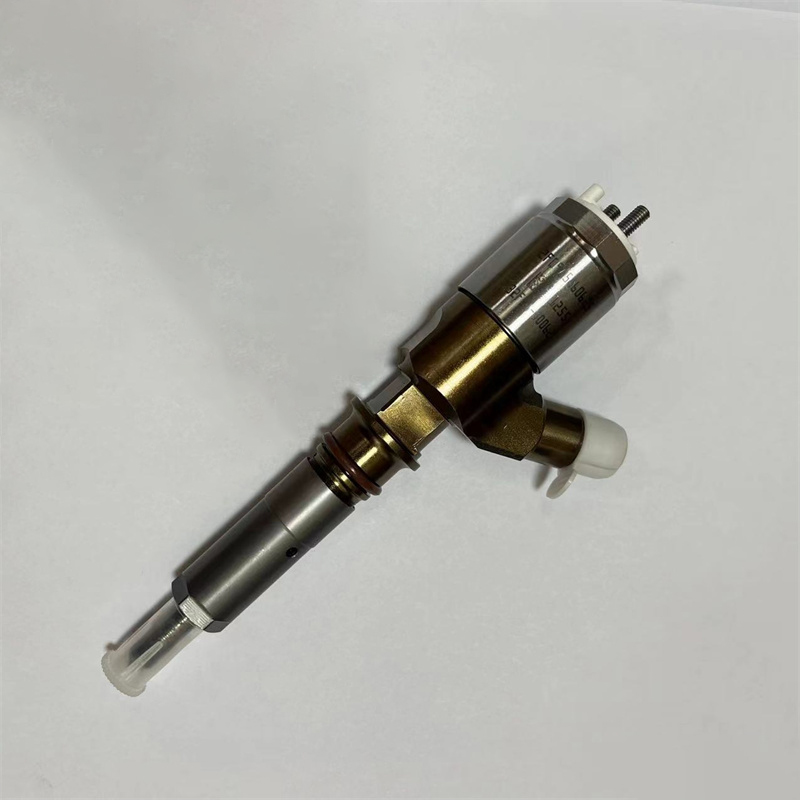
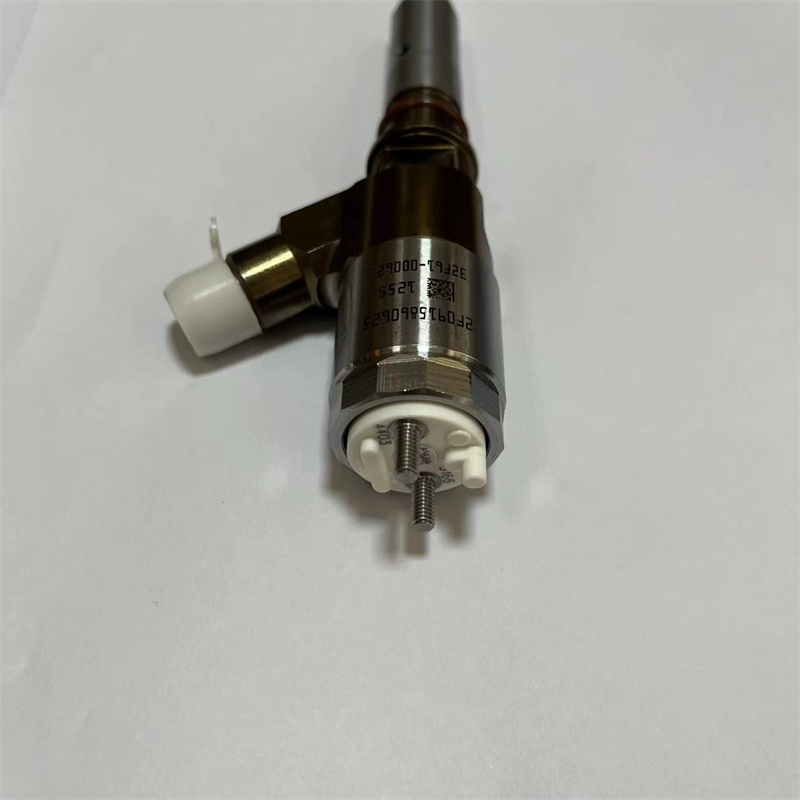
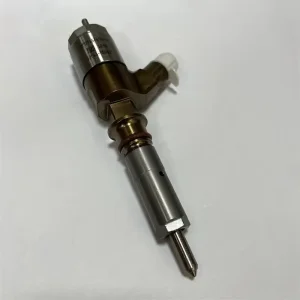
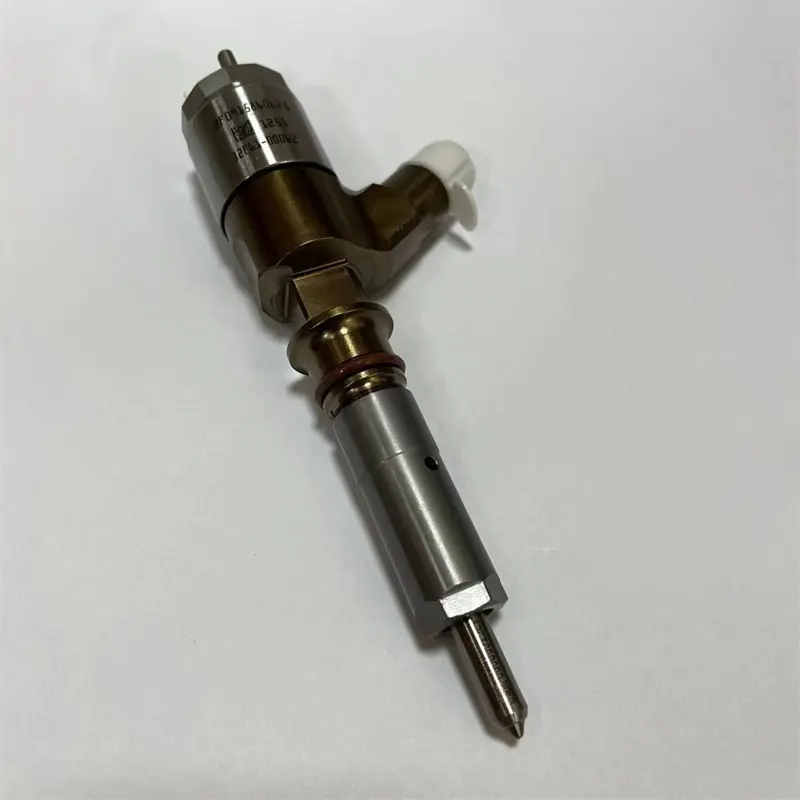
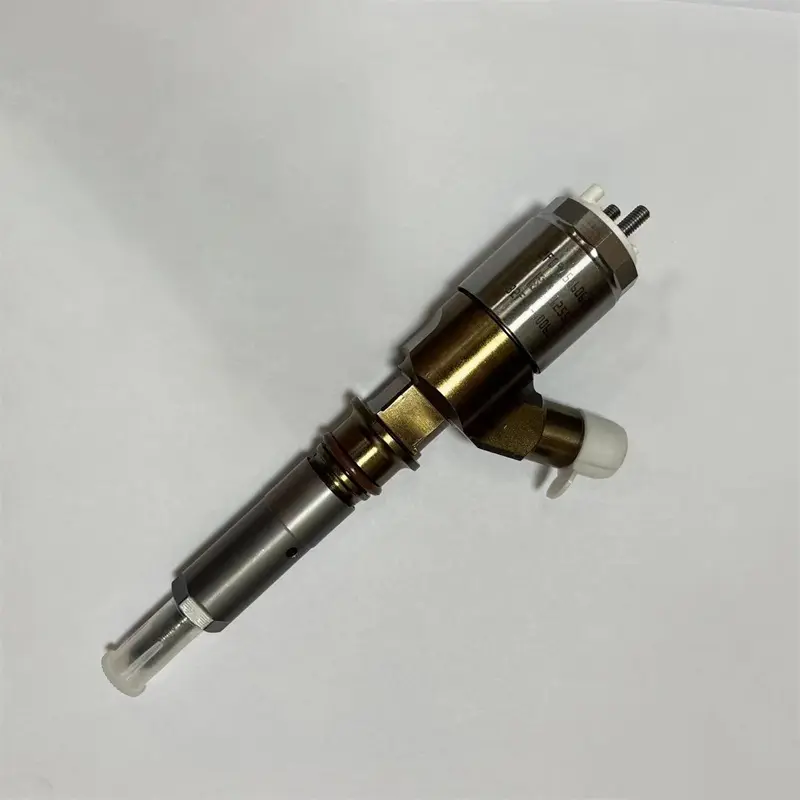
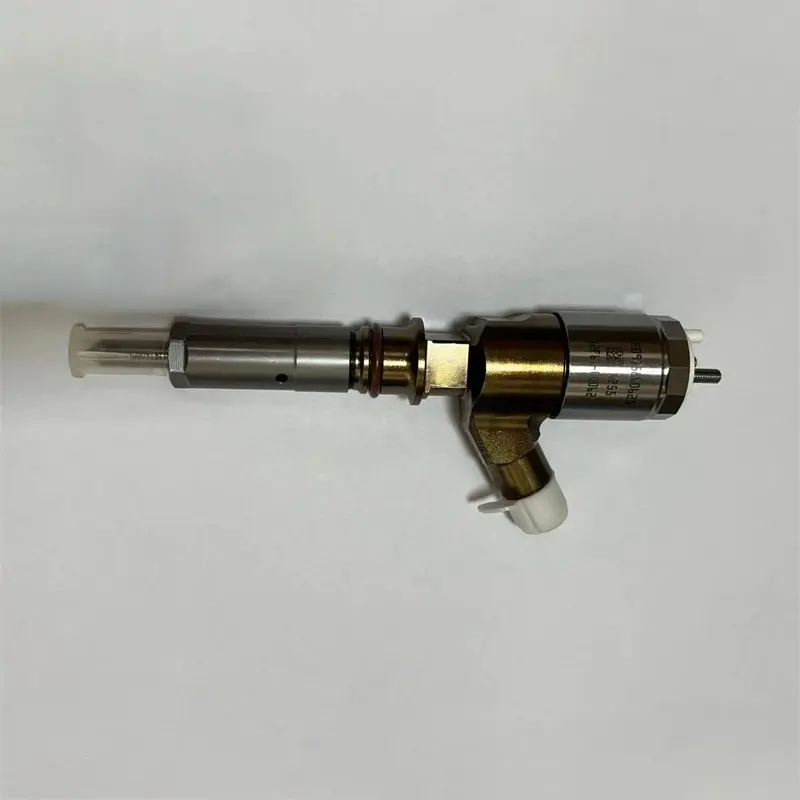
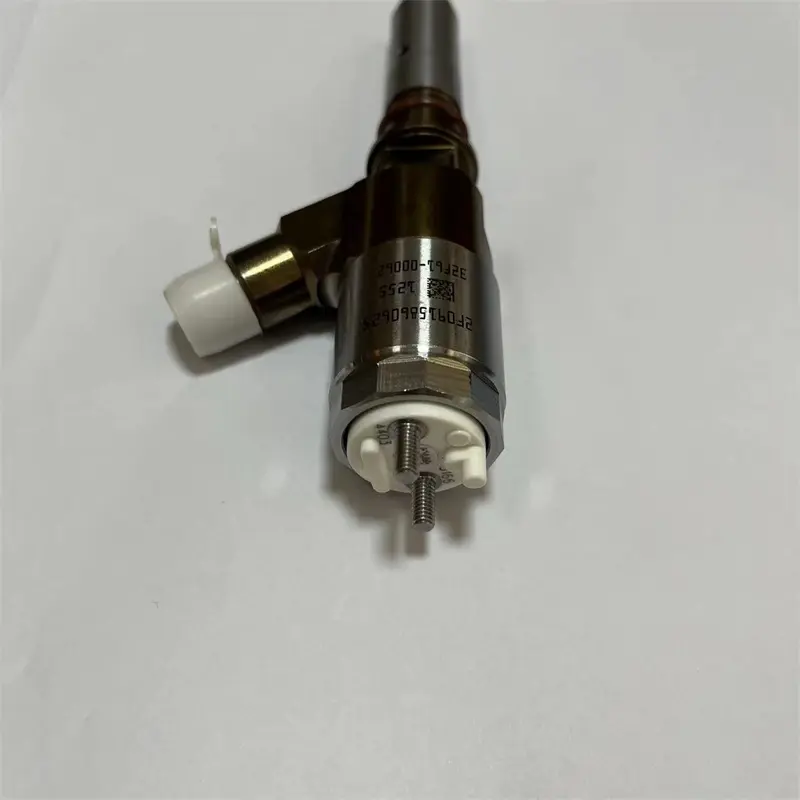
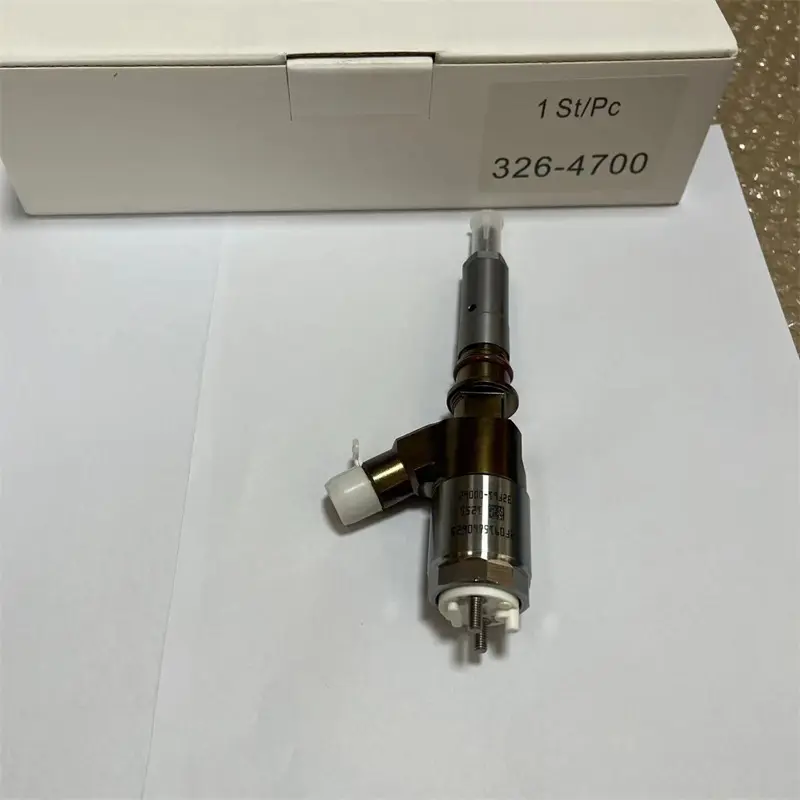
Fuel injectors are vital components in the engine system of an excavator, playing a crucial role in the performance and efficiency of the machine. They are responsible for delivering the precise amount of fuel into the engine's combustion chamber, ensuring optimal combustion and power generation.
The primary function of a fuel injector is to spray a fine mist of fuel into the engine's combustion chamber. This atomization of fuel allows for better mixing with air, leading to more efficient combustion.
Modern excavator fuel injectors are designed to operate with high precision. They are controlled by the engine control unit (ECU), which adjusts the timing and amount of fuel injected based on various parameters such as engine speed, load, and temperature. This ensures that the engine runs efficiently under different operating conditions.
By optimizing the fuel-air mixture, fuel injectors help reduce harmful emissions produced during combustion. This is increasingly important as regulations on emissions become stricter in many regions.
There are generally two main types of fuel injectors used in excavators:
These injectors operate based on mechanical principles and are often found in older models. They rely on engine pressure to deliver fuel.
Most modern excavators use electronic fuel injectors, which are controlled by the ECU. These injectors provide better performance, fuel efficiency, and emissions control compared to their mechanical counterparts.
Regular maintenance of fuel injectors is essential for the overall health of the excavator's engine. Clogged or malfunctioning injectors can lead to poor engine performance, increased fuel consumption, and higher emissions. Common maintenance practices include cleaning the injectors, checking for leaks, and ensuring that the fuel supply system is functioning correctly.
In summary, fuel injectors are critical components of an excavator's engine system, responsible for delivering fuel efficiently and precisely. Their proper functioning is essential for optimal engine performance, fuel efficiency, and compliance with emissions regulations. Regular maintenance and timely replacement of faulty injectors can significantly enhance the longevity and reliability of the excavator.