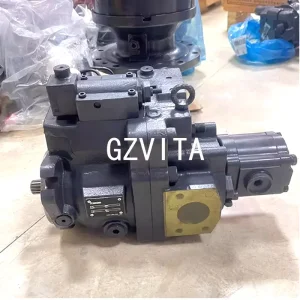
Inspecting the hydraulic pump is crucial for ensuring the efficient operation of an excavator. The hydraulic pump is responsible for generating the hydraulic pressure needed to operate various components, such as the boom, arm, and bucket. Regular inspection can help identify potential issues before they lead to significant problems. Here’s a step-by-step guide on how to inspect the hydraulic pump:
Tools and Materials Needed
- Safety gear (gloves, goggles, hard hat)
- Wrenches and sockets
- Torque wrench
- Inspection mirror (optional)
- Flashlight
- Clean rags
- Hydraulic fluid (for topping off if necessary)
- Multimeter (for electrical checks, if applicable)
Safety First
Ensure the excavator is parked on a stable surface and the engine is turned off. Engage the parking brake and remove the key to prevent accidental operation.
Step-by-Step Inspection Process
-
Check for Leaks: Inspect the hydraulic pump and surrounding areas for any signs of hydraulic fluid leaks. Look for wet spots, puddles, or drips around seals and connections.
-
Inspect Hoses and Fittings: Examine hydraulic hoses and fittings connected to the pump for wear, cracks, or damage. Replace any damaged components immediately.
-
Look for Physical Damage: Check the hydraulic pump housing for any signs of cracks, dents, or other physical damage.
-
Check Fluid Levels: Inspect the hydraulic fluid reservoir and ensure that the fluid level is within the recommended range. Low fluid levels can lead to pump cavitation and damage.
-
Listen for Unusual Noises: Start the excavator and operate it at low speed. Listen for any unusual noises coming from the hydraulic pump, such as grinding, whining, or knocking. These sounds may indicate internal issues.
-
Check Pump Operation: Operate the excavator’s hydraulic functions (e.g., boom, arm, bucket) to observe the pump’s performance. Ensure that the hydraulic movements are smooth and responsive. Any hesitation or jerking may indicate a problem with the pump.
-
Inspect the Drive Mechanism: If accessible, check the drive mechanism that connects the hydraulic pump to the engine. Ensure that belts or couplings are in good condition and properly tensioned.
-
Electrical Connections: If the hydraulic pump has any electrical components (such as sensors), inspect the wiring and connectors for damage or corrosion. Use a multimeter to check for proper voltage and continuity if necessary.
-
Check for Overheating: Monitor the temperature of the hydraulic pump during operation. Overheating can indicate issues such as low fluid levels, contamination, or internal wear.
-
Document Findings: Record any issues or observations during the inspection. This documentation can help with future maintenance and repairs.
-
Perform Regular Maintenance: Follow the manufacturer’s recommendations for regular maintenance and inspections of the hydraulic pump. This may include fluid changes, filter replacements, and other preventive measures.
Product Display
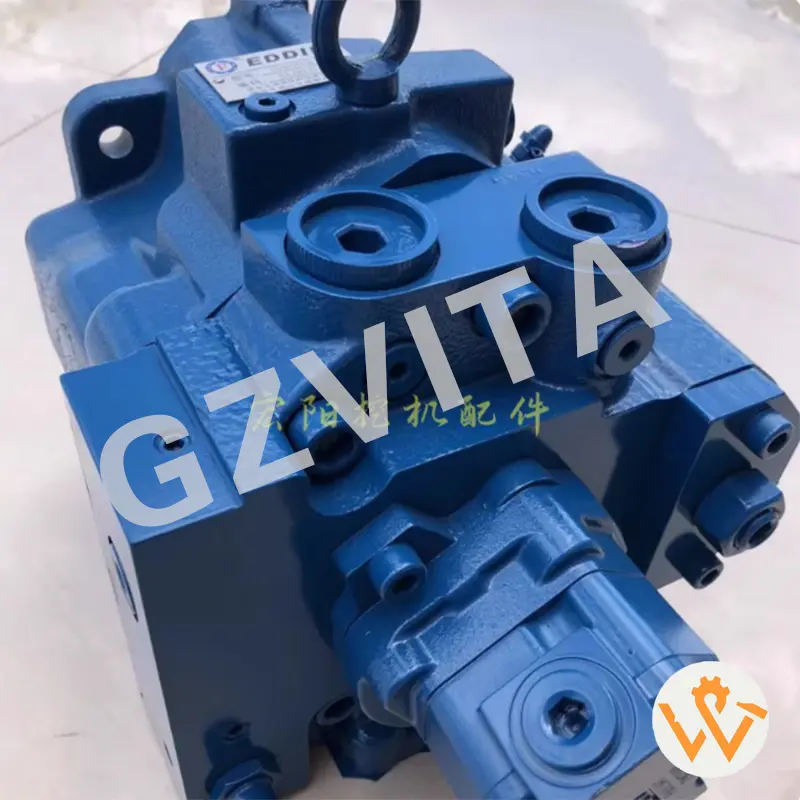
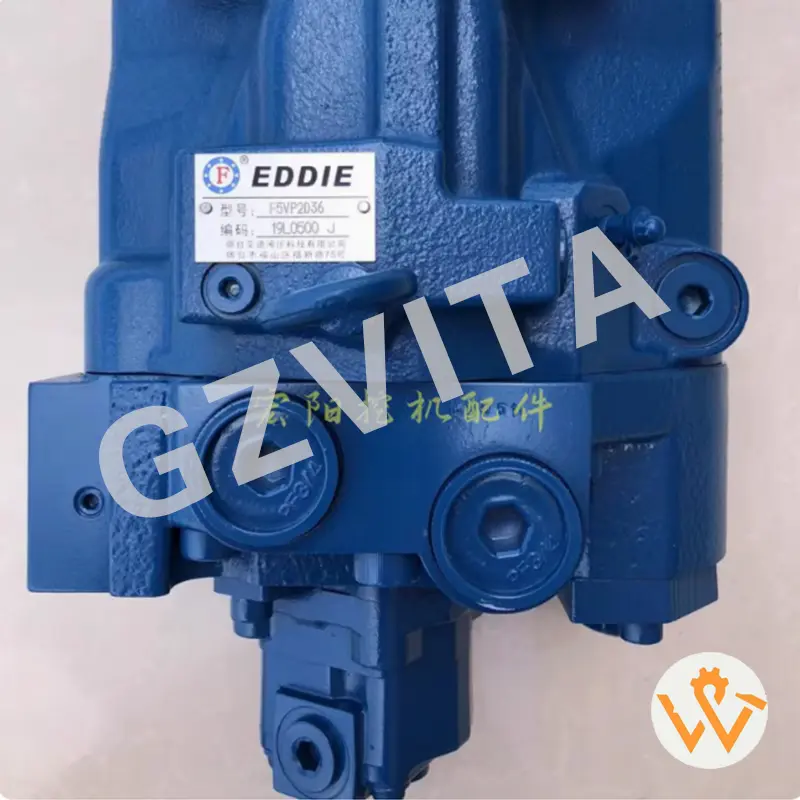
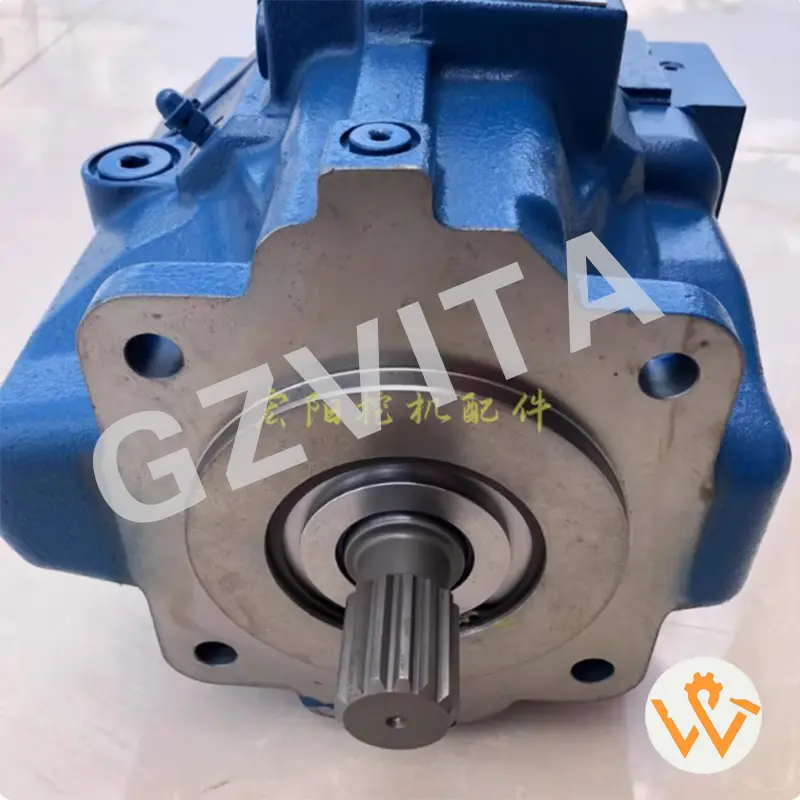
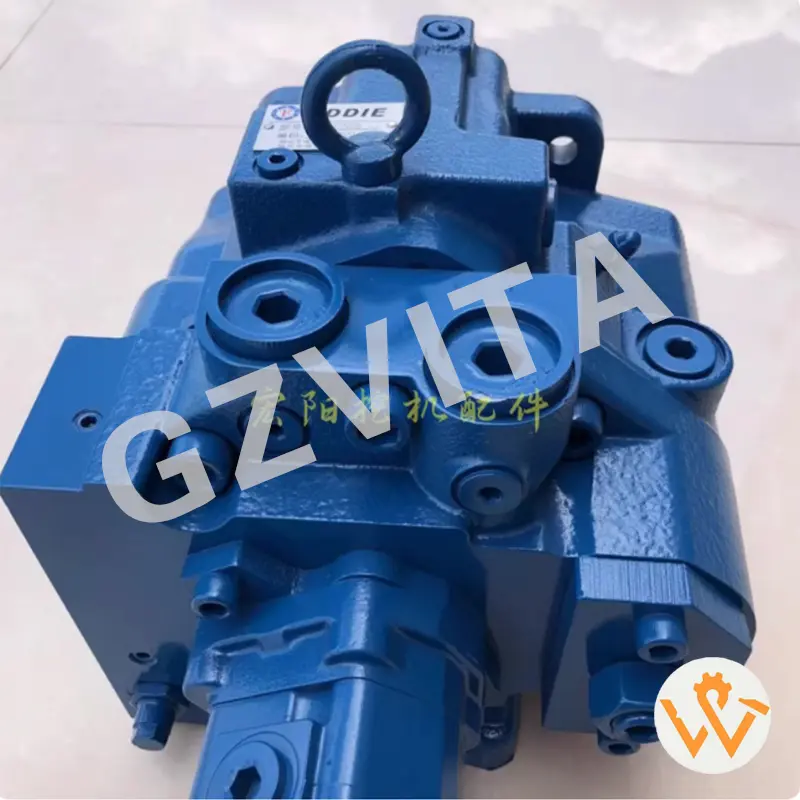
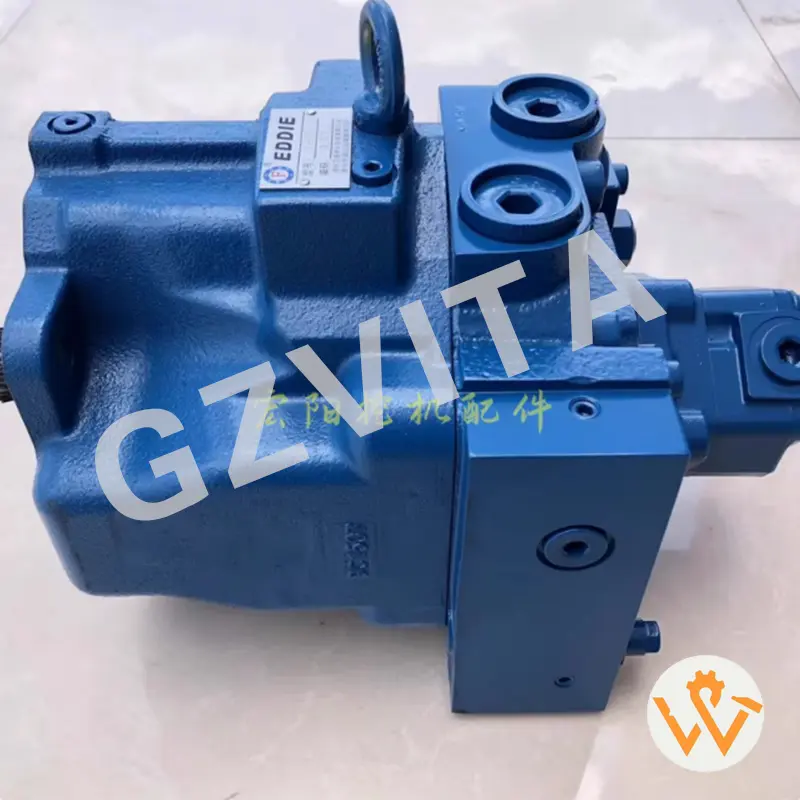
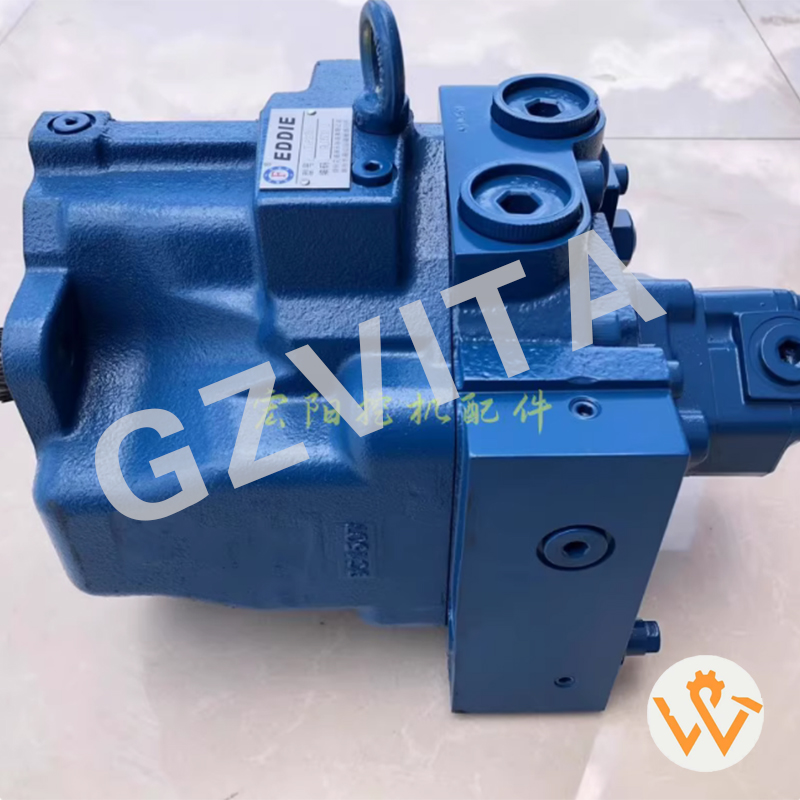
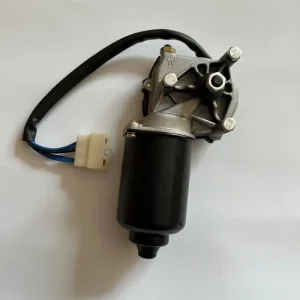
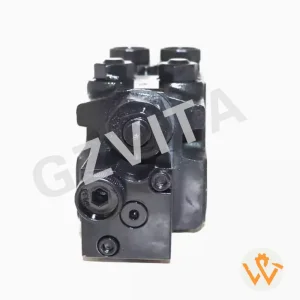
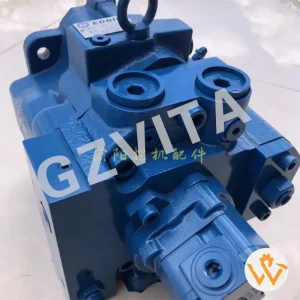
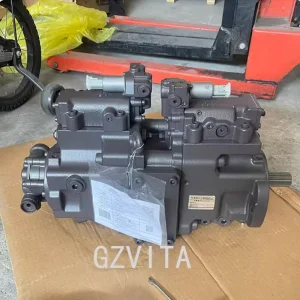
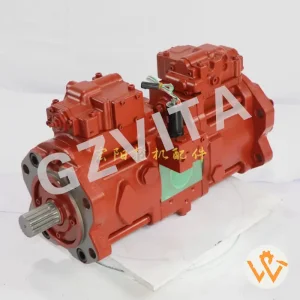
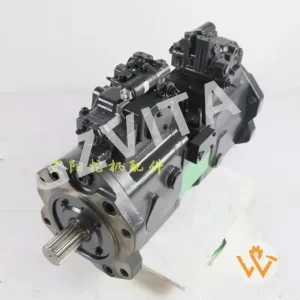
AP2D36 Hydraulic pump For Excavator Doosan 80 Hyundai 75 31N1-10012
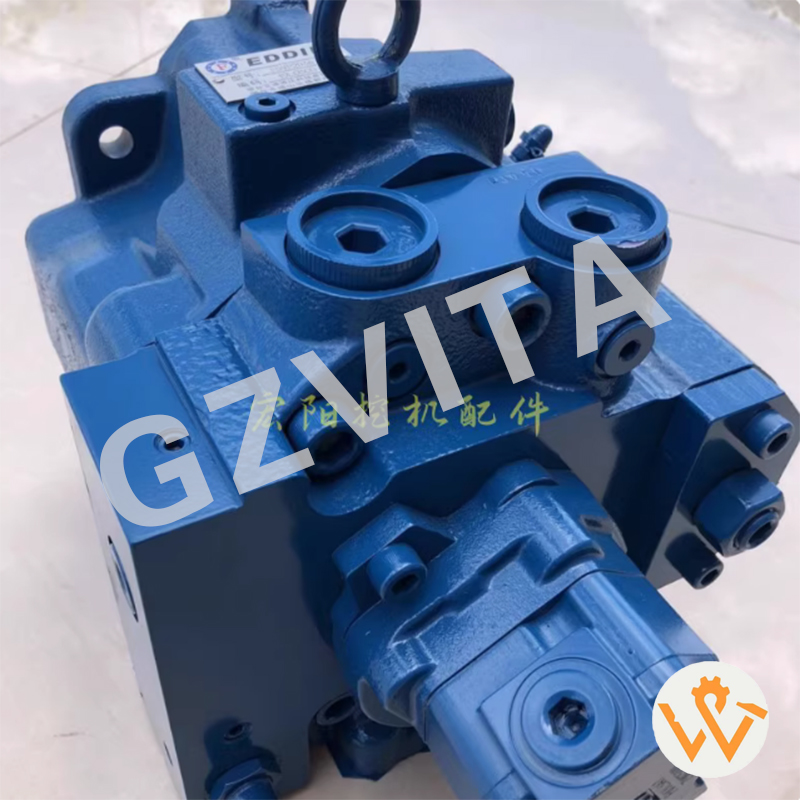
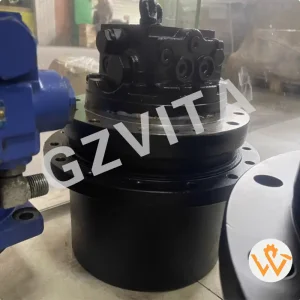
AP2D36 Hydraulic pump For Excavator Doosan 80 Hyundai 75 31N1-10012 (01)
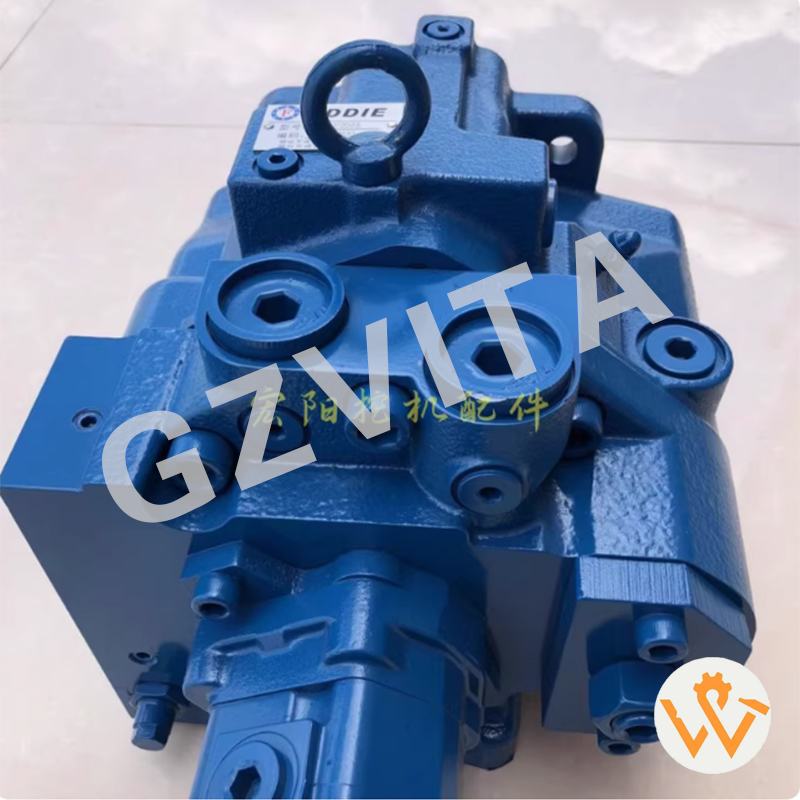
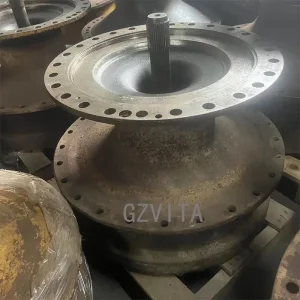
AP2D36 Hydraulic pump For Excavator Doosan 80 Hyundai 75 31N1-10012(03)
Frequently Asked Questions
What are the signs of a failing hydraulic pump on an excavator?
Common signs include slow or sluggish operation of hydraulic functions, unusual noises (grinding or whining), external fluid leaks, and excessive operating temperatures.
How often should you inspect an excavator's hydraulic pump?
Visual checks for leaks and fluid levels should be done daily before operation. A comprehensive inspection should be performed according to the manufacturer's recommended maintenance intervals, typically every 250 to 500 operating hours.
What causes hydraulic pump cavitation?
Cavitation is usually caused by low hydraulic fluid levels, clogged suction filters, or air leaks in the intake line, which introduce air bubbles into the pump chamber.
Can I run my excavator if the hydraulic pump is leaking?
No, running an excavator with a leaking pump can lead to system contamination, loss of pressure, fluid starvation, and ultimately catastrophic failure of the pump and other hydraulic components.
What type of tools do I need for a basic hydraulic pump inspection?
You will need basic hand tools including wrenches, socket sets, a torque wrench, safety gear (gloves/goggles), a flashlight for dark areas, and clean rags to clean up any fluid.
 Vita Construction