 Vita Construction
1 / 4
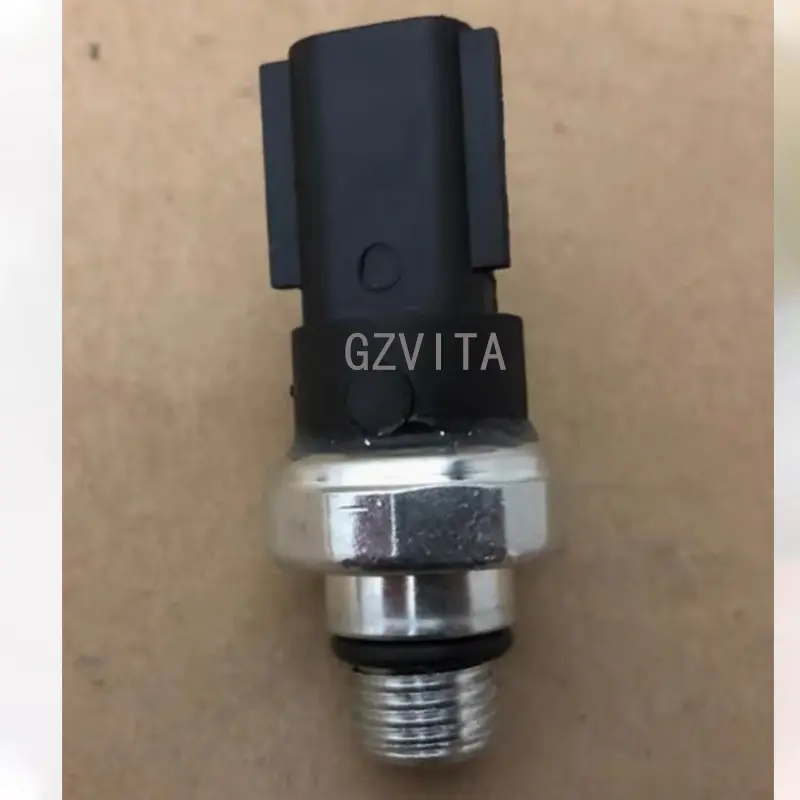
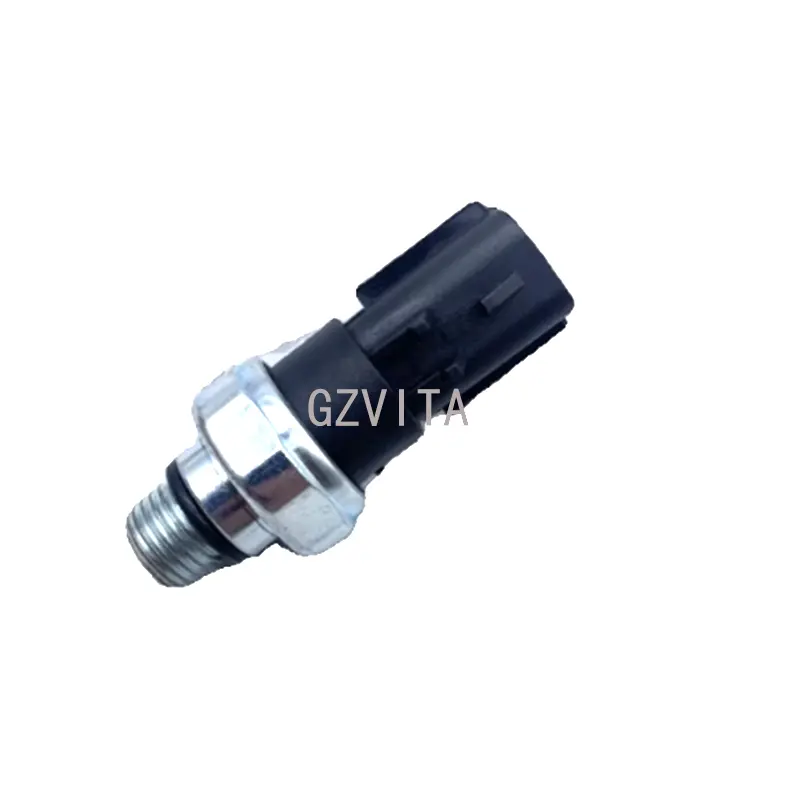
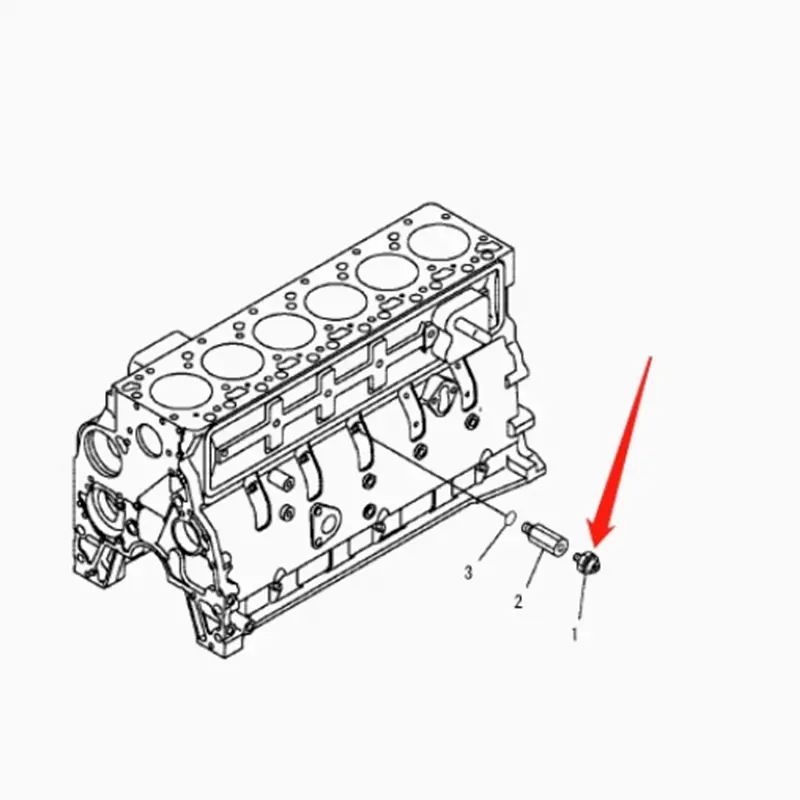
Assembling an engine oil pressure sensor can vary in difficulty depending on several factors, including the specific engine design, the location of the sensor, and the experience level of the person performing the assembly. Here are some considerations:
If the oil pressure sensor is easily accessible, it may be relatively straightforward to install. However, if it is located in a tight or hard-to-reach area, it may require more effort and specialized tools.
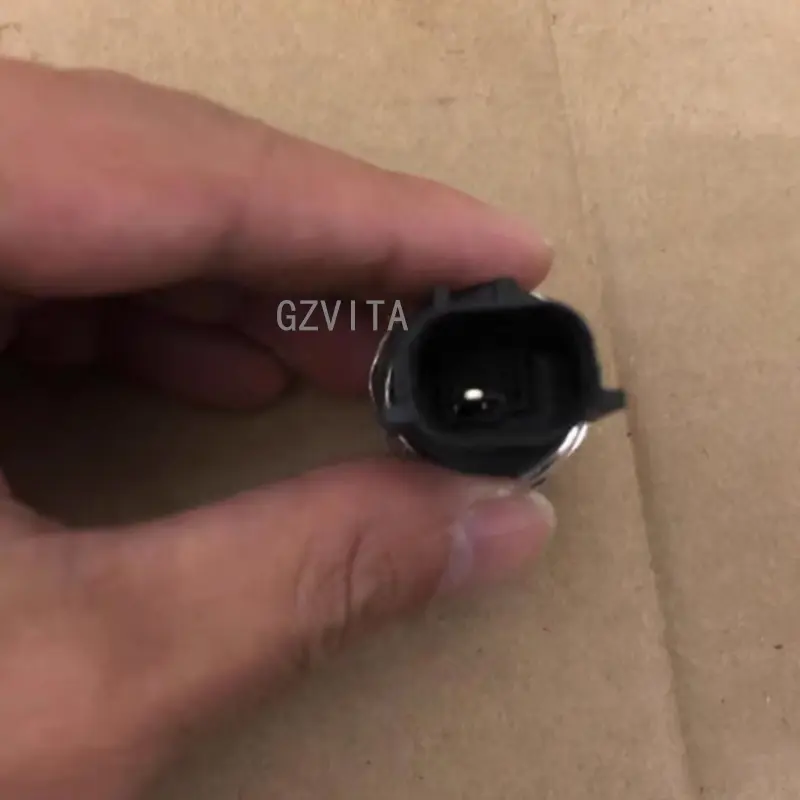
Different types of oil pressure sensors (mechanical vs. electronic) may have different installation procedures. Electronic sensors often require electrical connections, while mechanical sensors may involve direct oil line connections.
Basic hand tools (like wrenches and sockets) are typically needed for installation. If the installation requires additional tools (like torque wrenches or adapters), it may complicate the process.
For someone with mechanical experience, assembling an oil pressure sensor may be relatively easy. However, for a novice, it could be more challenging, especially if they are unfamiliar with engine components.
Always refer to the manufacturer’s instructions or service manual for specific guidance on installation. This can provide valuable information on torque specifications and any necessary precautions.
While assembling an engine oil pressure sensor can be straightforward in some cases, it may present challenges in others. Proper preparation, tools, and knowledge can make the process easier.
The difficulty level varies. It depends heavily on the design of the engine, where the sensor is located, and your level of mechanical experience.
If the sensor is located in an easily accessible spot, the installation is generally straightforward. If it is located in a tight or hard-to-reach area, you may need more effort and specialized tools to complete the process.
Electronic sensors typically require electrical wiring and connections to integrate with the vehicle's computer system, whereas mechanical sensors involve direct connections to the engine's physical oil lines.
Most installations require basic hand tools like wrenches and sockets. However, depending on the engine, you might also need specific tools like torque wrenches or custom adapters.
For a novice who is unfamiliar with engine parts, the process can be challenging. Someone with previous mechanical experience will generally find the assembly much easier to complete.
You should always consult the manufacturer's instruction sheets or the vehicle's service manual. These documents provide crucial information regarding proper torque specifications and safety precautions.