 Vita Construction
1 / 3
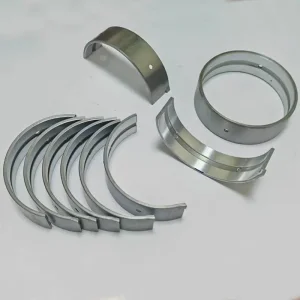
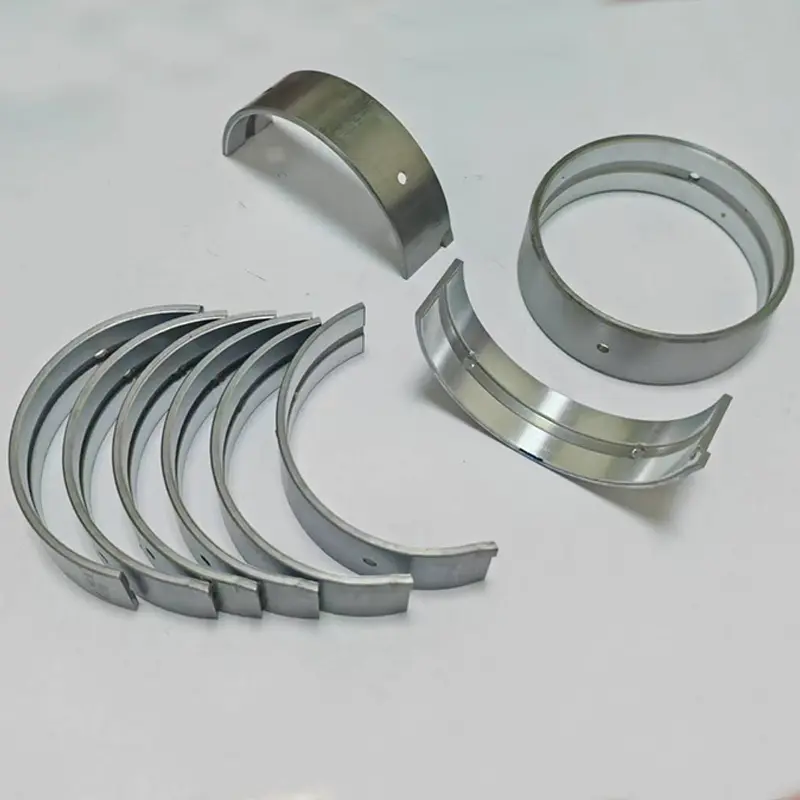
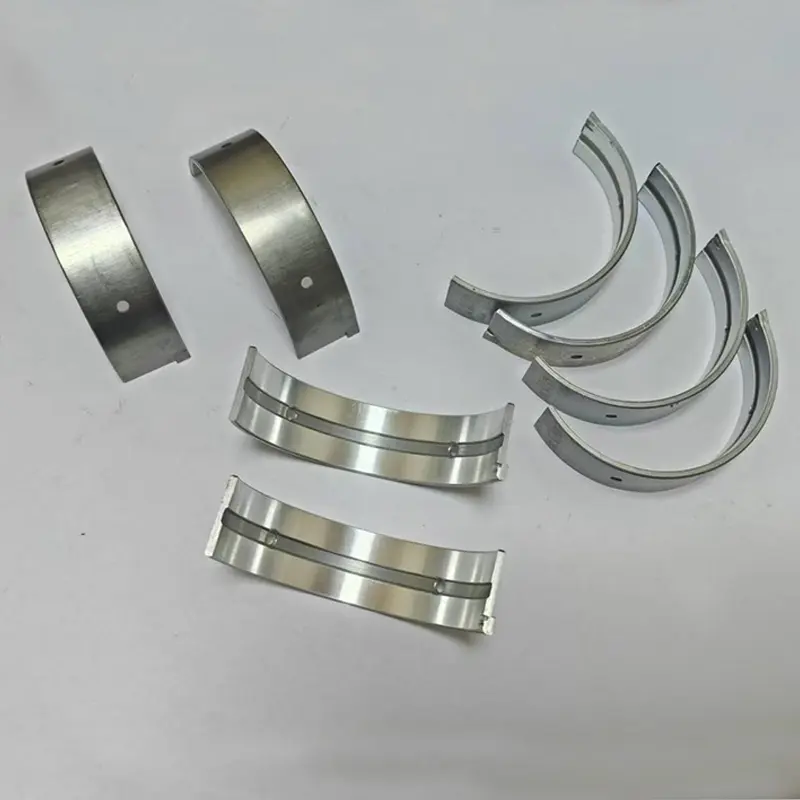
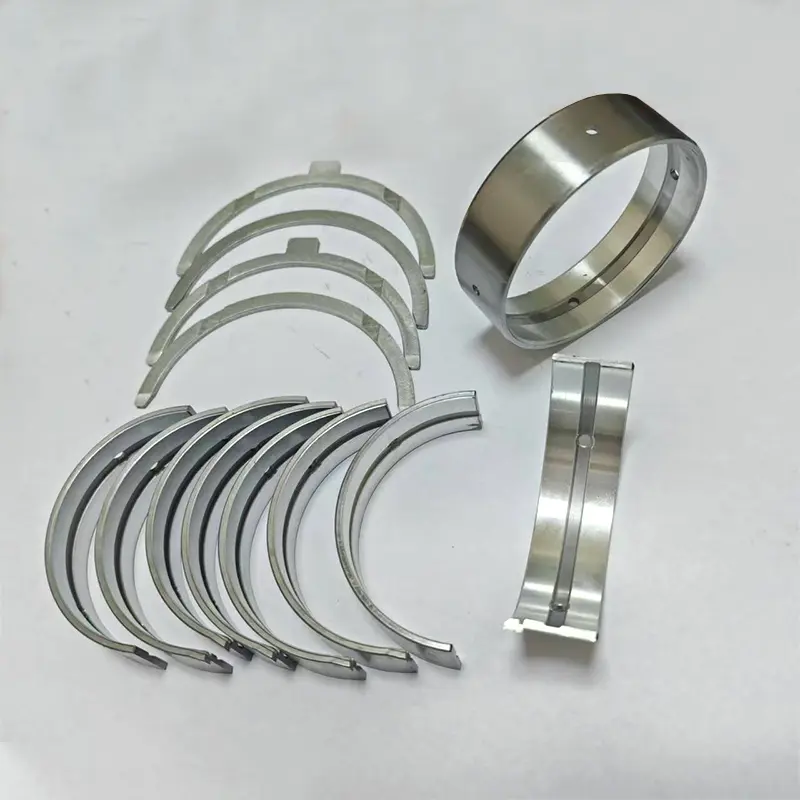
Engine thrust washers are critical components in internal combustion engines, designed to manage axial loads and maintain proper alignment of rotating parts. These washers play a vital role in ensuring the smooth operation of the engine, particularly in the context of the crankshaft and camshaft assemblies.
The primary function of thrust washers is to absorb and distribute axial forces generated during engine operation. These forces can arise from various sources, including the movement of the crankshaft and the forces exerted by the connecting rods during combustion. Thrust washers help prevent excessive movement of the crankshaft in the axial direction, ensuring that it remains properly aligned within the engine block.
By providing a stable surface for the crankshaft to rest against, thrust washers help maintain the correct clearance between the crankshaft and other engine components. This is crucial for preventing wear and tear, which can lead to engine failure if not properly managed.
Proper lubrication is essential for the effective functioning of thrust washers. Engine oil circulates through the engine, providing a protective film that reduces friction and wear on the washer surfaces. Regular oil changes and using the correct type of oil are crucial for maintaining the health of thrust washers and the overall engine.
Over time, camshaft bearings can experience wear due to factors such as inadequate lubrication, contamination, or excessive load. Symptoms of failing camshaft bearings may include unusual noises, decreased engine performance, and erratic valve operation. Regular maintenance, including oil changes and inspections, can help identify potential issues early, preventing more severe engine damage.
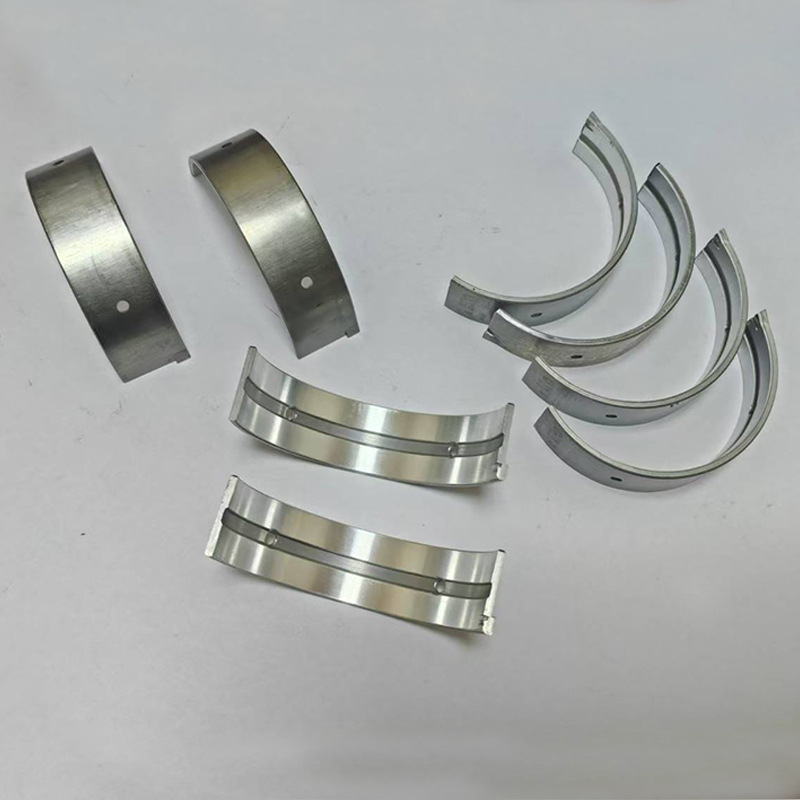
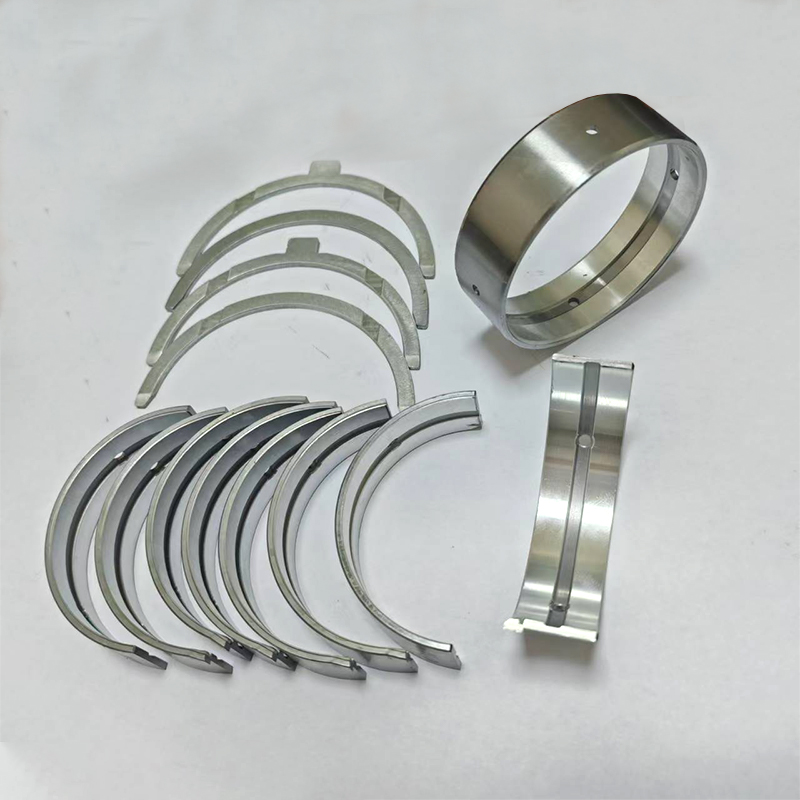
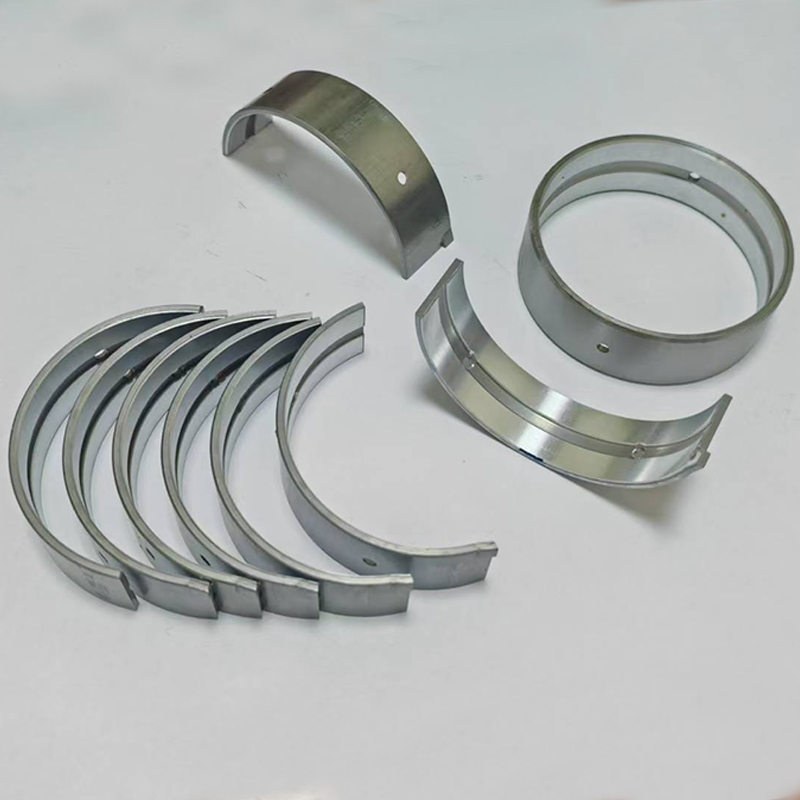
Engine thrust washers are designed to control the axial (fore and aft) movement of the crankshaft and camshaft, maintaining proper alignment of these rotating components and absorbing the axial loads generated during operation.
Common symptoms include excessive crankshaft play, abnormal engine noises or knocking, rapid wear of surrounding engine components, and in severe cases, drops in engine oil pressure or erratic valve operation.
Proper lubrication creates a pressurized oil film between the moving surfaces of the crankshaft and the thrust washers. This film significantly reduces direct friction, minimizes heat generation, and prevents premature metal-to-metal wear.
No. While both support rotating parts, camshaft bearings support the radial (spinning) load of the camshaft, whereas thrust washers specifically manage the axial (lengthwise lateral) loads of the assemblies.
They should be inspected during routine engine overhauls or if you notice symptoms like drop in engine performance, unusual valve timing issues, or metal particles in the engine oil during standard oil changes.