 Vita Construction
1 / 3
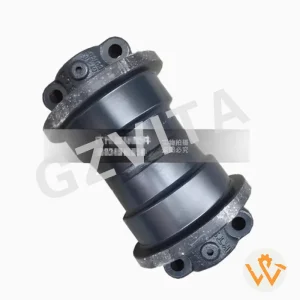
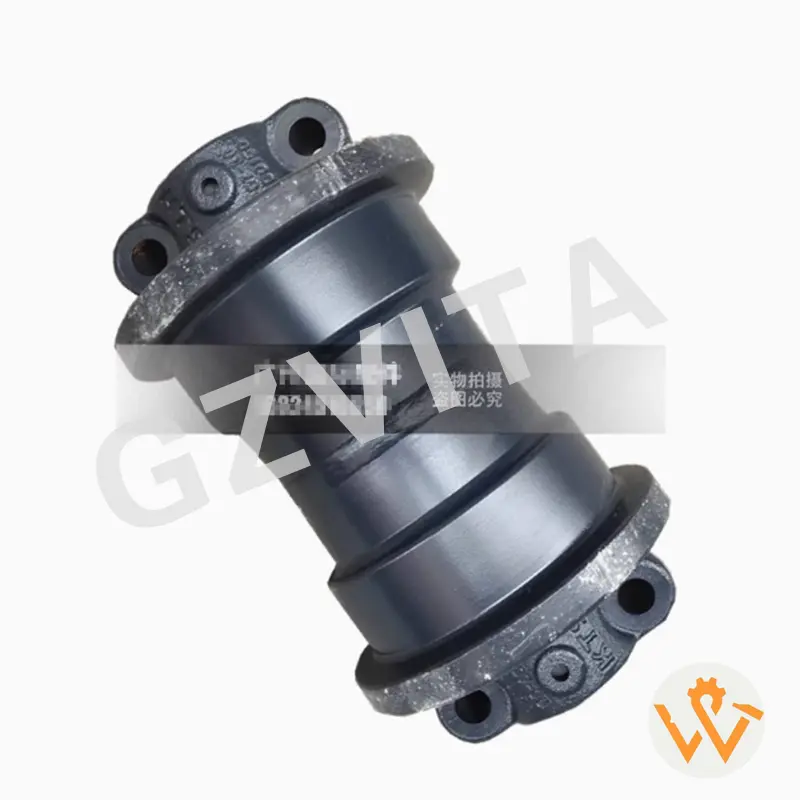
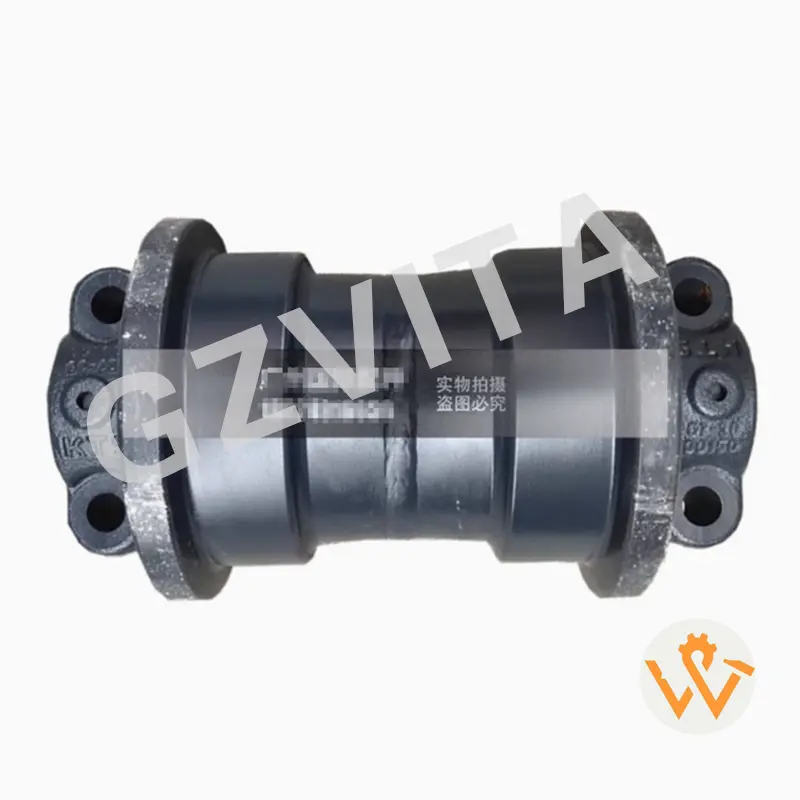
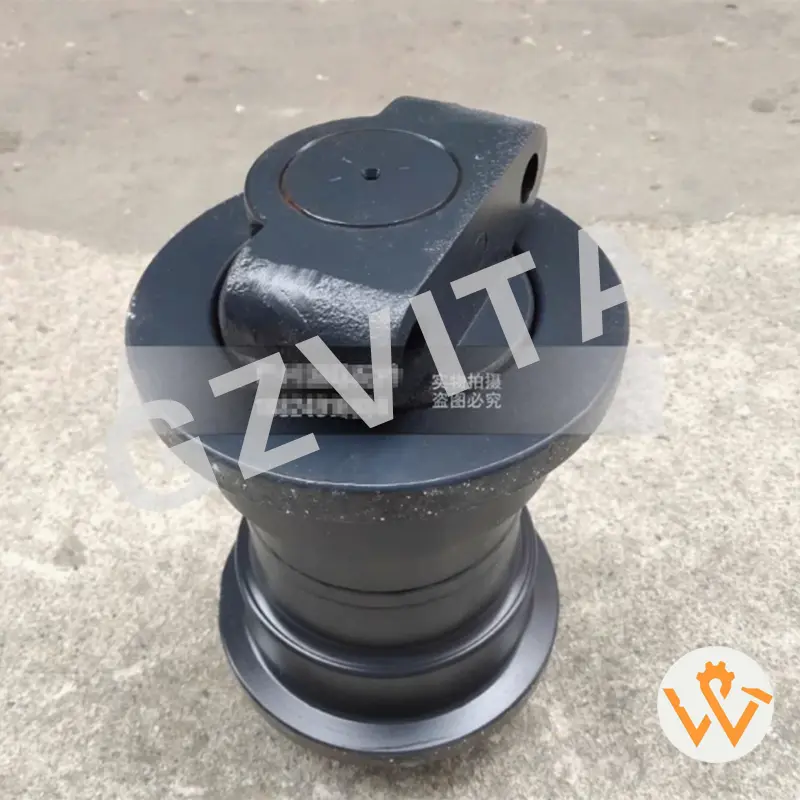
Track rollers are essential components of an excavator’s undercarriage system, playing a crucial role in the overall performance and functionality of the machine. These rollers support the weight of the excavator and facilitate the movement of the tracks, ensuring smooth operation across various terrains. In this blog, we will explore the function, features, and importance of track rollers in excavators.
The primary function of track rollers is to support the weight of the excavator and guide the tracks as they move around the undercarriage. They are positioned along the track frame and work in conjunction with other components, such as idler wheels and sprockets, to ensure efficient movement.
Track rollers are vital for several reasons:
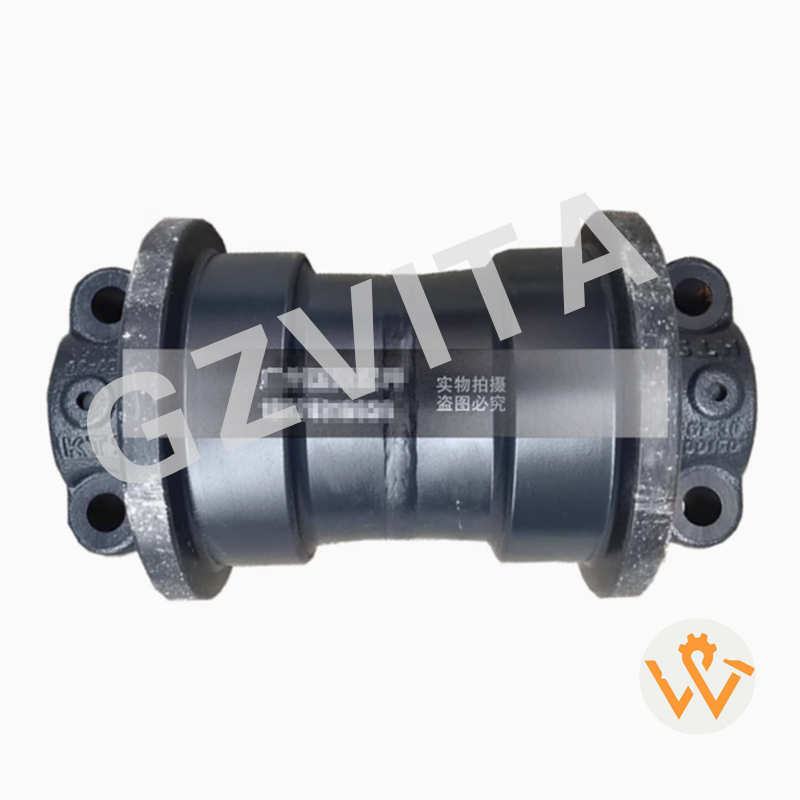
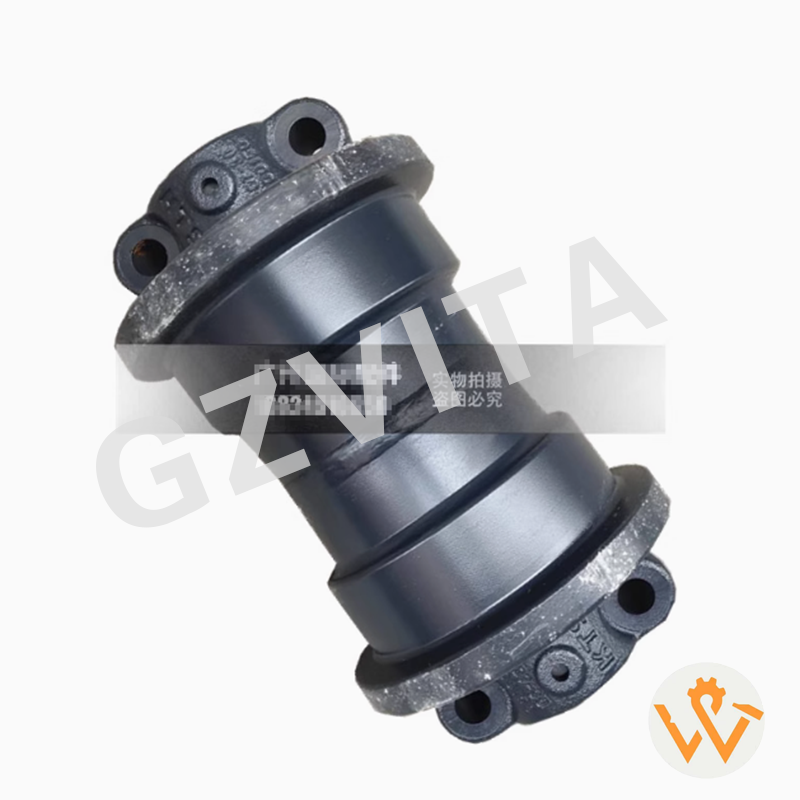
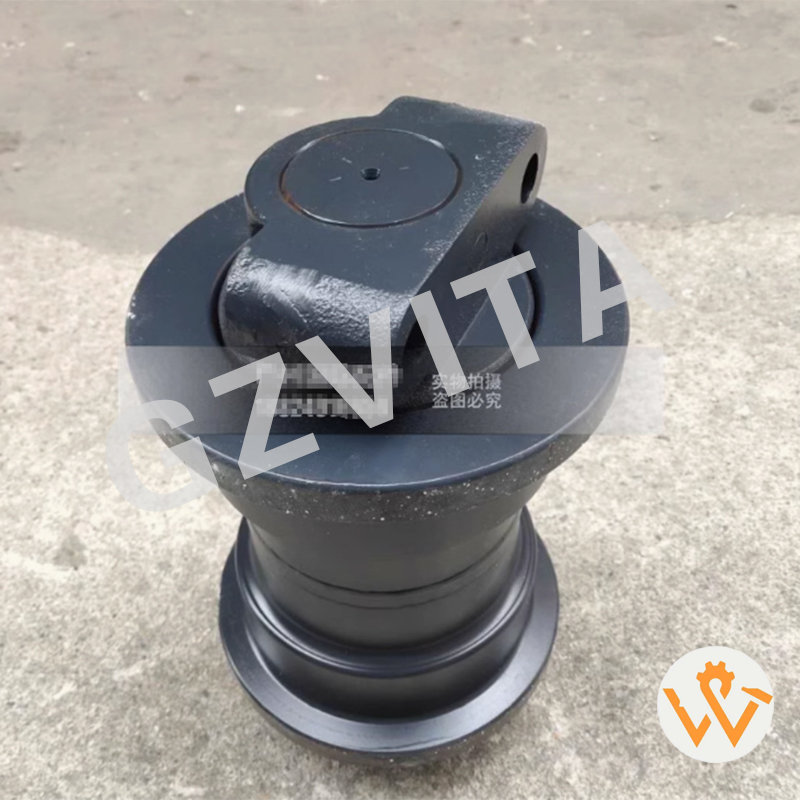
The main function of track rollers is to support the total weight of the excavator and guide the track chains smoothly along the frame, ensuring even weight distribution and stable movement.
Track rollers are typically manufactured from high-strength forged steel or durable composite materials to ensure they can withstand heavy loads and harsh working conditions on construction sites.
By distributing the machine's weight evenly across the tracks and keeping the tracks properly aligned, track rollers prevent slippage and provide balanced traction on uneven or sloped terrains.
Yes. Properly functioning track rollers reduce unnecessary wear and tear on the track links and shoes, which helps extend the overall lifespan of the undercarriage system and minimizes maintenance expenses.
No, track rollers come in different sizes, shapes, and configurations. It is crucial to choose the specific roller design that matches your excavator model and its operational requirements for proper fitting and performance.