Wholesale Yanmar Engine 3TNE82A Piston 119813-22080 For PC10 PC15 Suppliers, Company

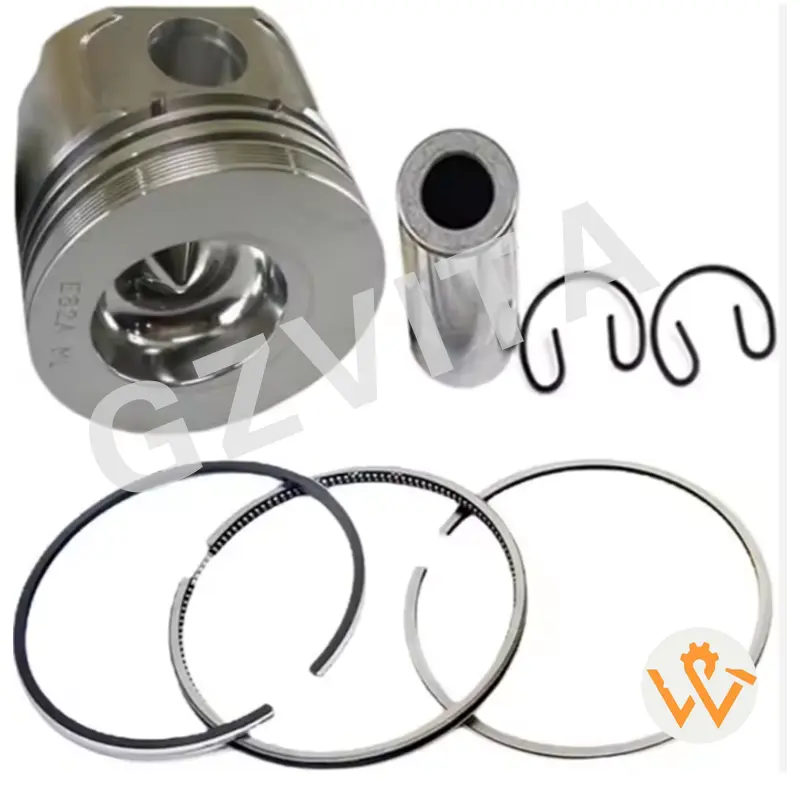
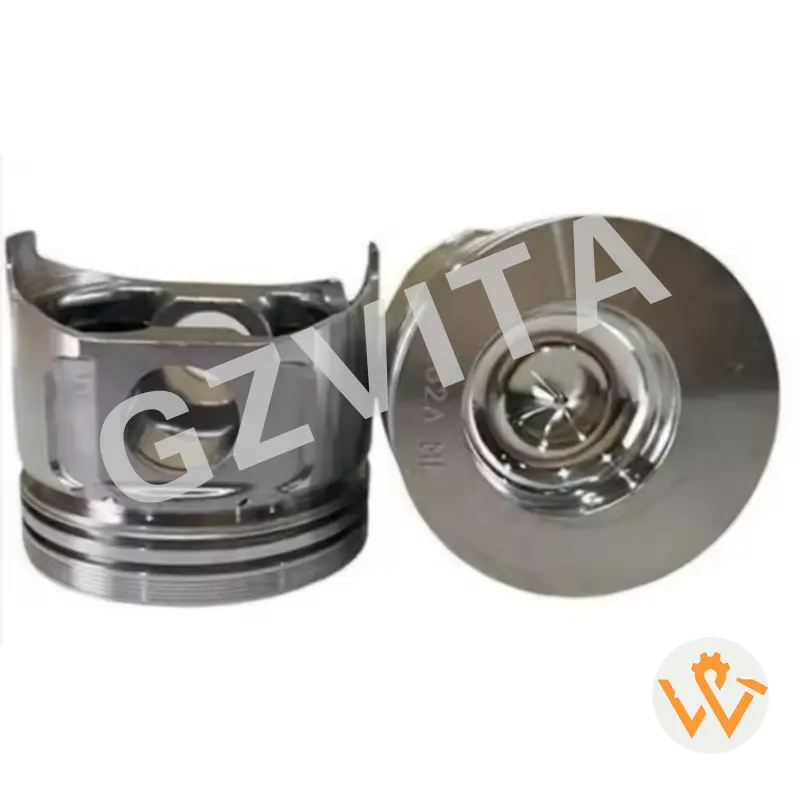
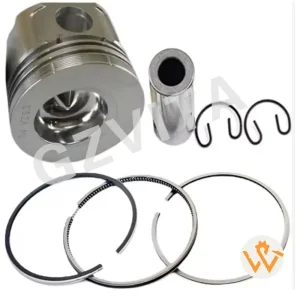
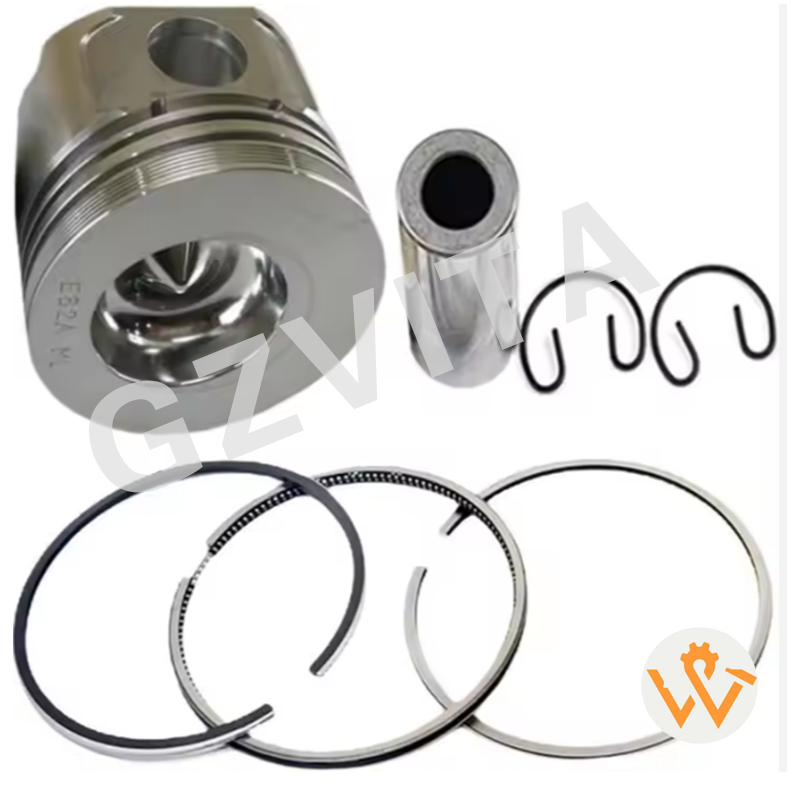
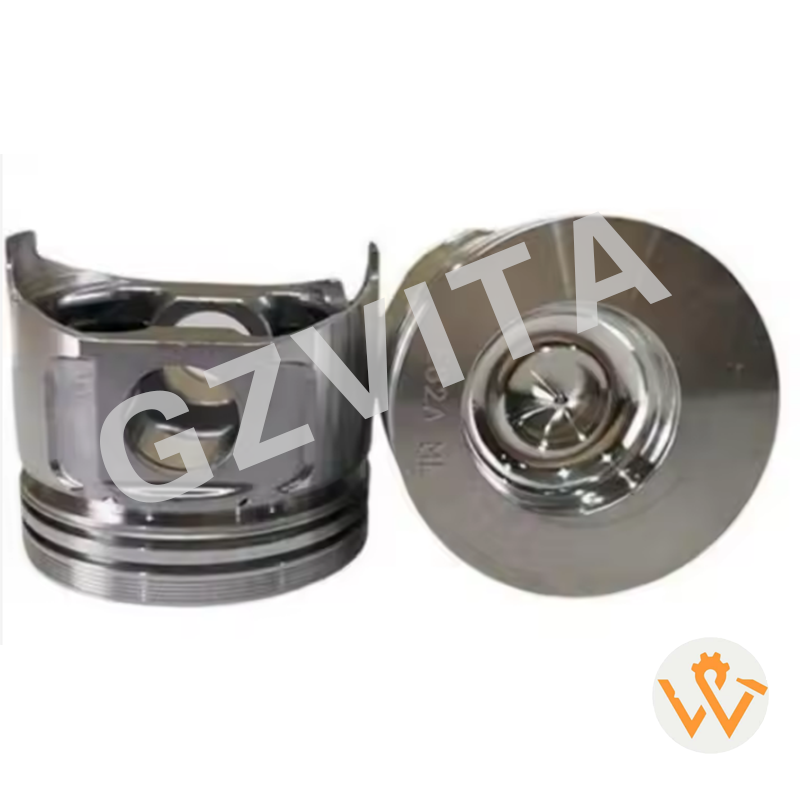
1.Product name:engine piston

2.Part number:119813-22080

3.Compatible for:Komatsu Excavator PC10 PC15 PC20 PC25 PC28

4.Leading time:2-3 days

5.Packing way:Neutral packing or customization packing

Product Description

Introduction to Engine Pistons

Engine pistons are vital components of internal combustion engines, playing a crucial role in converting the energy generated from fuel combustion into mechanical work. Here’s an overview of engine pistons, their functions, and their significance in engine operation.

What Are Engine Pistons?

Pistons are cylindrical components that move up and down within the engine’s cylinders. They are typically made from lightweight, durable materials such as aluminum alloys or cast iron, designed to withstand high temperatures and pressures. The piston is connected to the crankshaft via a connecting rod, which translates the linear motion of the piston into rotational motion.
Functions of Engine Pistons

Compression: During the intake stroke, the piston moves down the cylinder, allowing the air-fuel mixture to enter. As the piston moves back up during the compression stroke, it compresses this mixture, increasing its temperature and pressure, which is essential for efficient combustion.
Combustion: When the piston reaches the top of its stroke (Top Dead Center, or TDC), the air-fuel mixture is ignited by a spark (in gasoline engines) or by compression (in diesel engines). The resulting explosion forces the piston back down the cylinder, generating power.
Power Stroke: The downward movement of the piston during the power stroke turns the crankshaft, which ultimately powers the vehicle or machinery. This is the primary function of the piston in the engine cycle.
Exhaust: After the power stroke, the piston moves back up the cylinder again during the exhaust stroke, pushing the spent gases out of the cylinder and into the exhaust system.
Heat Transfer: Pistons also help dissipate heat generated during combustion. They transfer heat to the cylinder walls and, subsequently, to the engine coolant, helping to regulate engine temperature.

Types of Engine Pistons

Flat Top Pistons: These have a flat surface and are commonly used in many engines. They provide a good balance of performance and efficiency.
Dished Pistons: These have a concave shape on the top, which can help improve combustion efficiency and reduce emissions.
Domed Pistons: These have a convex shape on the top, which can increase the compression ratio and improve power output.
Forged Pistons: Made from a solid piece of metal, forged pistons are stronger and more durable, making them suitable for high-performance applications.

Product Display

Engine Pistons1

Engine Pistons 1

Engine Pistons2

Engine Pistons 2

Frequently Asked Questions

What materials are engine pistons made of?

Engine pistons are typically made of high-quality aluminum alloys or cast iron. These materials are lightweight, highly durable, and capable of withstanding the intense heat and pressure inside the engine cylinder.

Why is the power stroke important for engine operation?

The power stroke is the crucial phase of the engine cycle where the ignited fuel mixture forces the piston downward. This linear movement is transferred to the crankshaft as rotational energy, powering the vehicle or machinery.

What is the difference between forged and cast pistons?

Forged pistons are machined from a single solid block of metal, offering exceptional strength and durability for high-performance operations. Cast pistons, while suitable for standard applications, are formed by pouring molten metal into a mold.

How do engine pistons contribute to temperature control?

Pistons aid in heat transfer by conducting the intense thermal energy generated during combustion away from the cylinder head. This heat is transferred to the cylinder walls and subsequently absorbed by the engine's coolant system.

Why do different piston head shapes exist?

Piston head shapes (such as flat, dished, or domed) are designed to modify the compression ratio and optimize the combustion chamber's airflow. This helps achieve different balances of fuel efficiency, emissions control, and overall power output.
Related Products