 Vita Construction
1 / 2
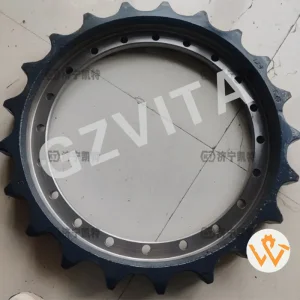
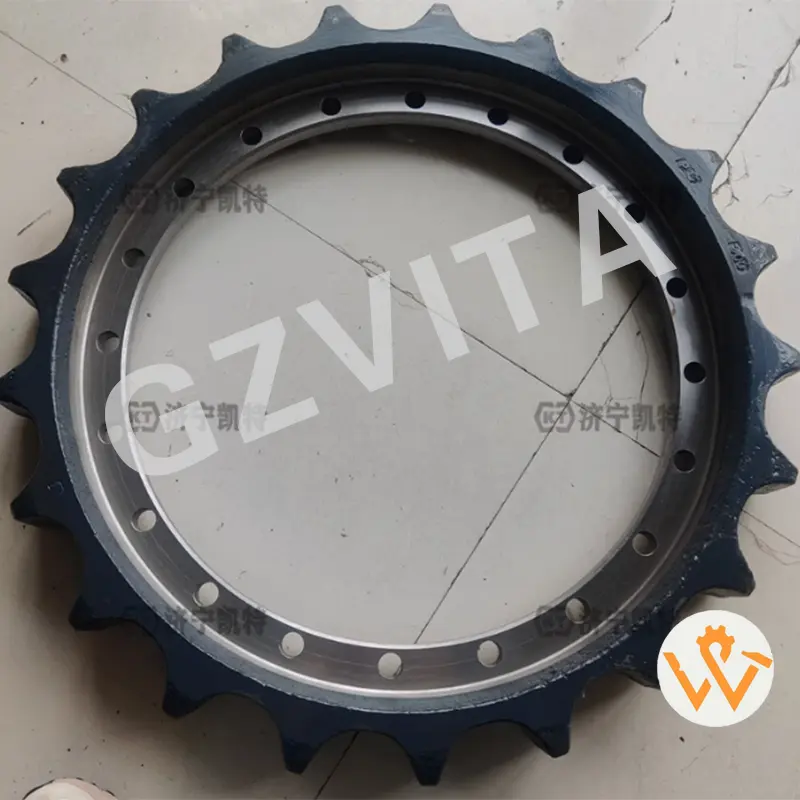
Excavator sprockets are crucial components of the undercarriage system, playing a vital role in the overall performance and functionality of the machine. These toothed wheels are responsible for driving the tracks, enabling the excavator to move efficiently across various terrains. In this blog, we will explore the function, features, and importance of excavator sprockets.
The primary function of sprockets is to engage with the rubber or steel tracks, facilitating movement. As the sprockets rotate, they pull the tracks around the undercarriage, allowing the excavator to travel forward, backward, and turn. The interaction between the sprockets and tracks is essential for the machine's mobility and stability.
Sprockets transmit power from the engine to the tracks, converting the engine's rotational force into linear movement.
Sprockets help maintain proper tension in the tracks, ensuring they remain securely in place during operation.
Excavator sprockets are typically made from high-strength steel or alloy materials to withstand the stresses and strains of heavy-duty operations. This durability is essential for longevity and performance.
The design of the sprocket teeth is critical for effective engagement with the tracks. Properly shaped and spaced teeth ensure smooth operation and reduce wear on both the sprockets and tracks.
Sprockets come in various sizes and configurations, depending on the specific model of the excavator and its intended application. The right sprocket size is essential for optimal performance.
Excavator sprockets are vital for several reasons:
Sprockets are essential for the mobility of the excavator, allowing it to navigate different terrains, including rough, muddy, or uneven surfaces.
Well-designed sprockets contribute to the overall efficiency of the excavator by ensuring smooth power transmission and reducing energy loss during operation.
High-quality sprockets minimize wear and tear on the tracks, extending their lifespan and reducing maintenance costs.
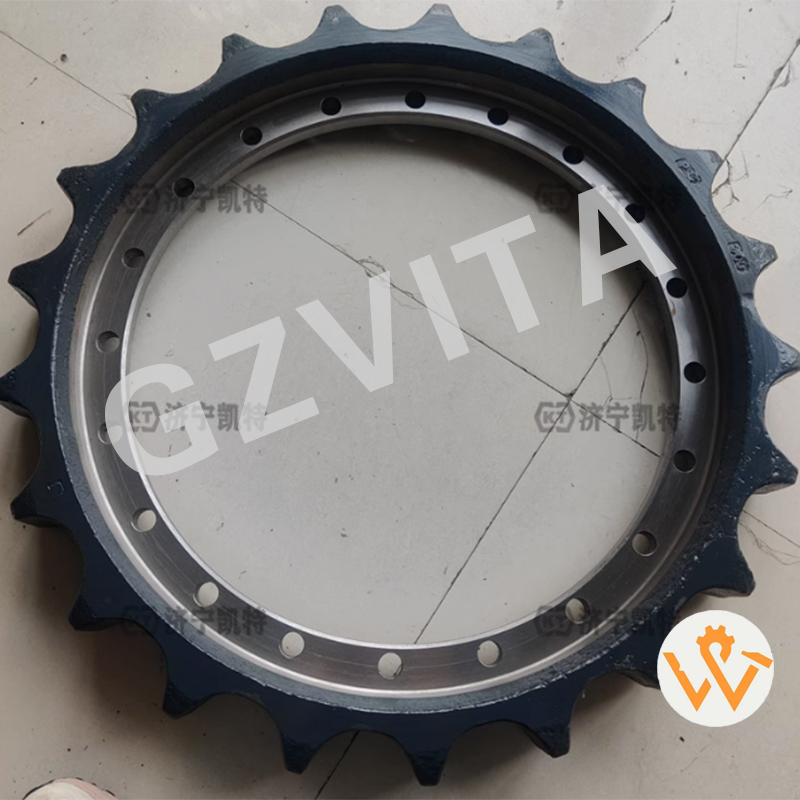
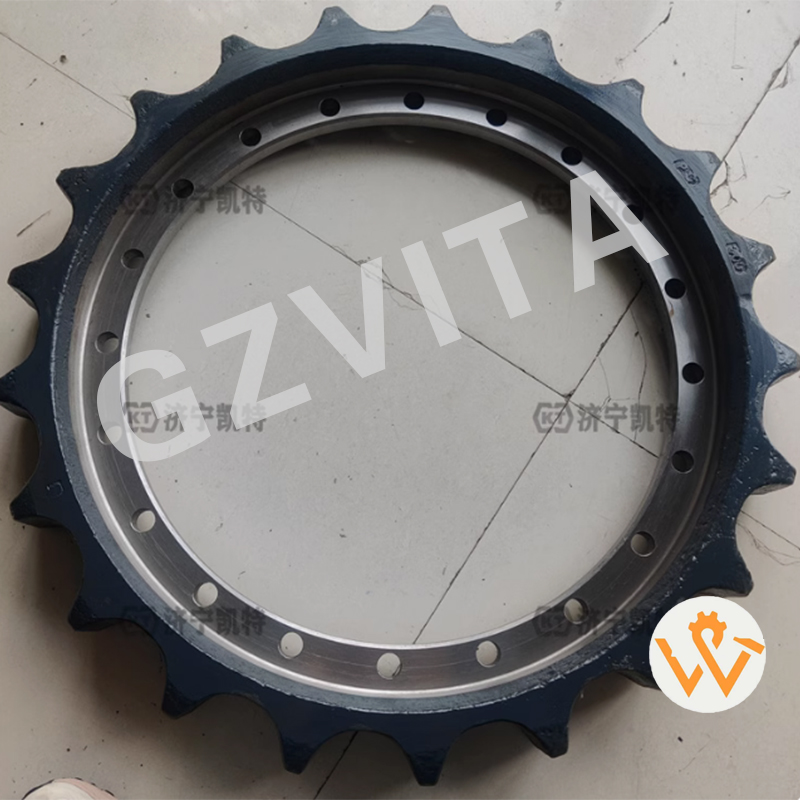
The main function of the sprocket is to engage with the rubber or steel tracks, transmitting power from the engine to drive the tracks and enable the machine to move.
They are typically manufactured from high-strength steel or durable alloy materials to ensure they can withstand heavy-duty loads and harsh working conditions.
Proper tension prevents the tracks from slipping or coming off the sprockets, ensuring safe operation and reducing unnecessary wear and tear on the undercarriage components.
The precise shape and spacing of the sprocket teeth ensure smooth engagement with the track links, which minimizes friction and extends the service life of both parts.
No, sprockets come in various sizes and configurations designed specifically for particular excavator models and track types to ensure optimal performance and compatibility.