 Vita Construction
1 / 4
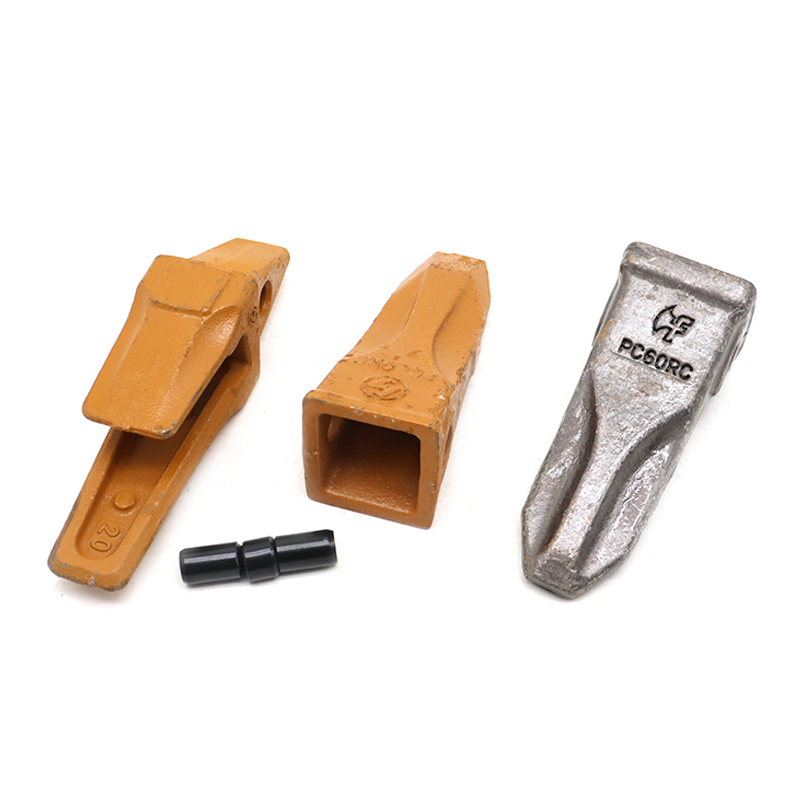
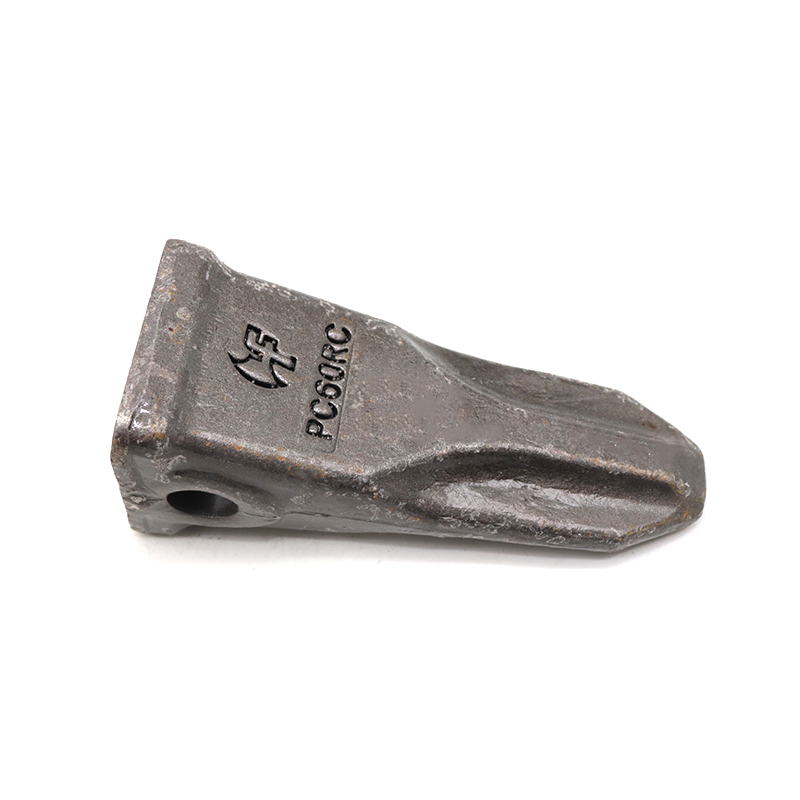
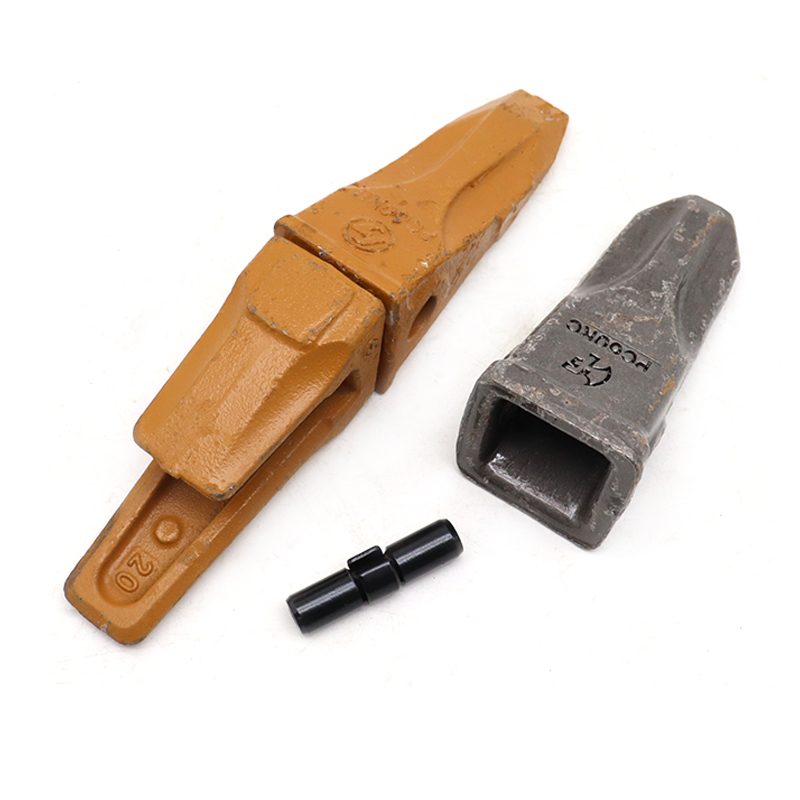
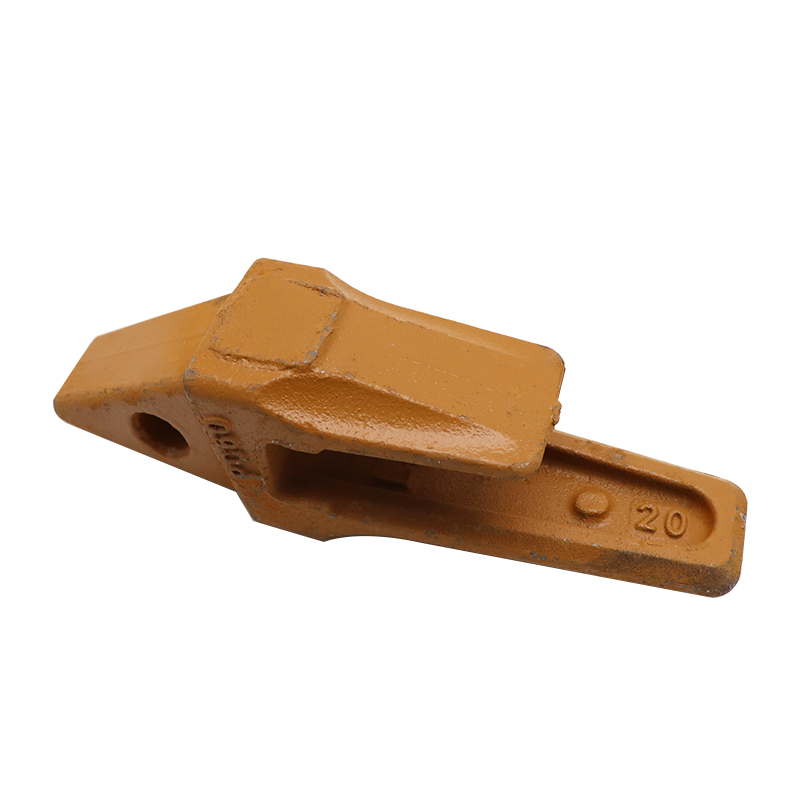
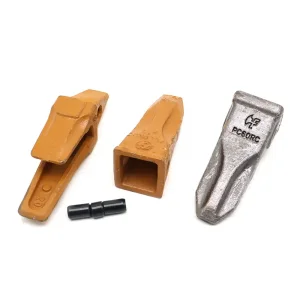
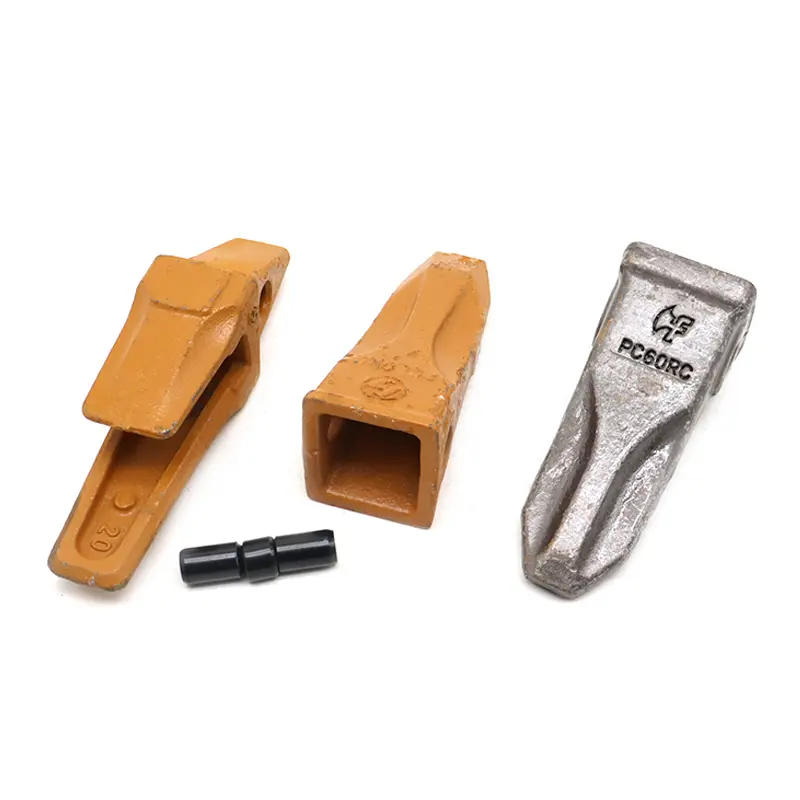
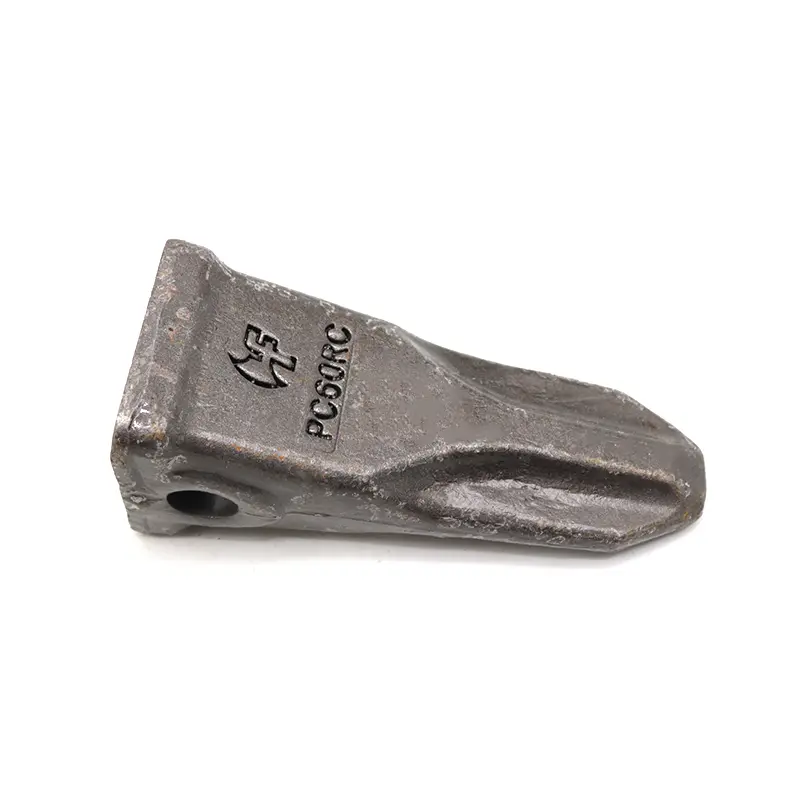
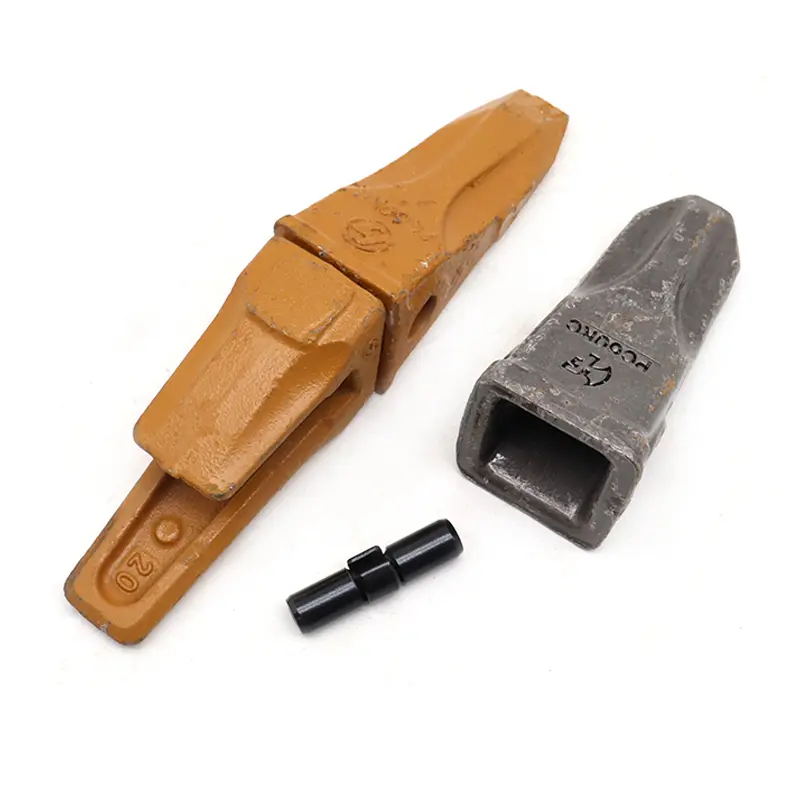
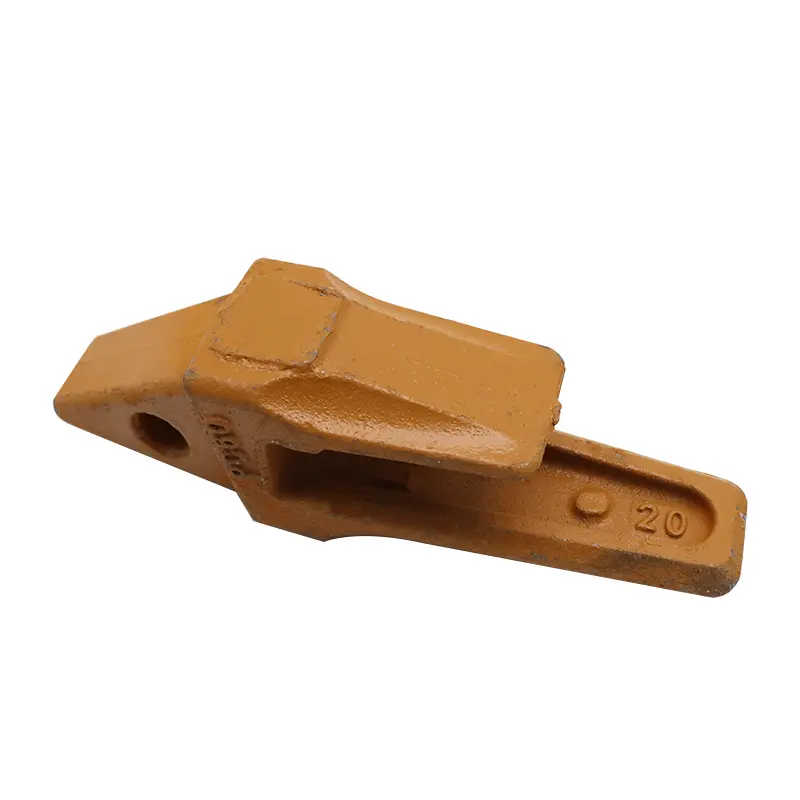
Excavator bucket teeth are essential components of the excavator's bucket, designed to enhance the machine's digging and material handling capabilities. These teeth are specifically engineered to penetrate various types of soil and materials, making them crucial for efficient excavation and construction work.
There are several types of excavator bucket teeth, each designed for specific applications:
These are general-purpose teeth suitable for a variety of digging tasks. They are versatile and commonly used in construction and landscaping.
Designed for more demanding applications, heavy-duty teeth are thicker and more robust, making them ideal for tough materials and conditions.
These teeth have a sharper, more pointed design, specifically engineered for digging in rocky or hard ground. They are made from high-strength materials to withstand the increased wear and tear.
These are used for applications requiring a larger surface area for scooping, such as in soft soils or when moving loose materials.
Excavator bucket teeth are typically made from high-strength steel or alloy materials that provide excellent durability and resistance to wear. Many teeth are also heat-treated to enhance their toughness and extend their lifespan. The design often includes features such as replaceable tips, allowing for easy maintenance and cost-effectiveness.
Regular inspection and maintenance of bucket teeth are essential for optimal performance. Operators should check for signs of wear, such as chipping or excessive rounding of the teeth, and replace them as needed to maintain digging efficiency. Proper maintenance not only ensures effective operation but also prolongs the life of the bucket and the excavator.
In summary, excavator bucket teeth are vital components that significantly enhance the machine’s digging and material handling capabilities. Understanding their functions, types, and maintenance requirements is crucial for operators to maximize the efficiency and longevity of their excavators. By ensuring that bucket teeth are in good condition, operators can improve productivity and reduce operational costs on the job site.