 Vita Construction
1 / 3
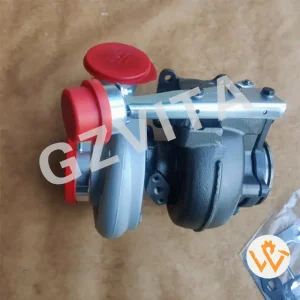
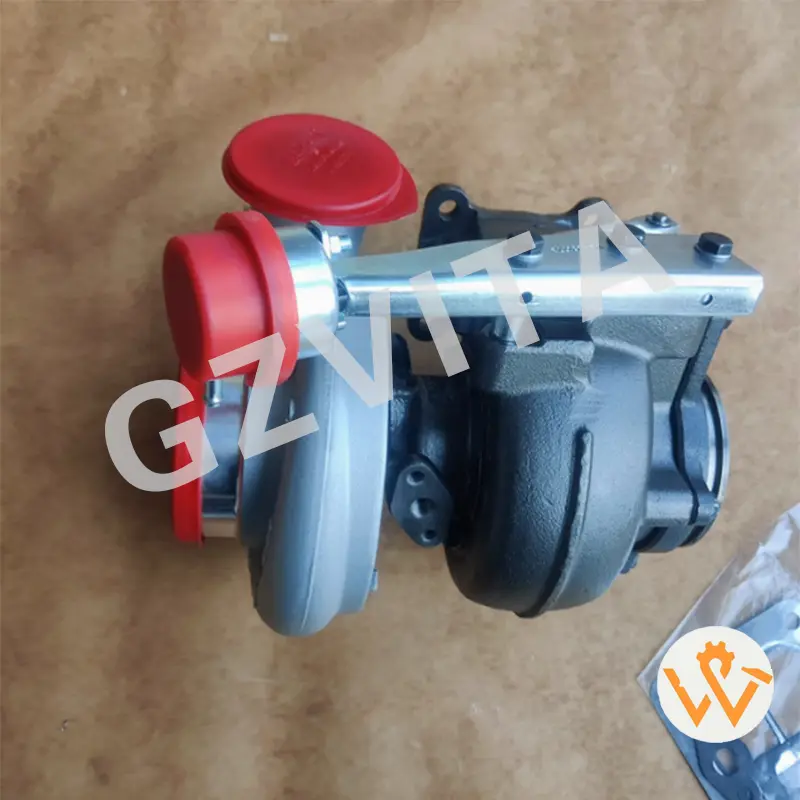
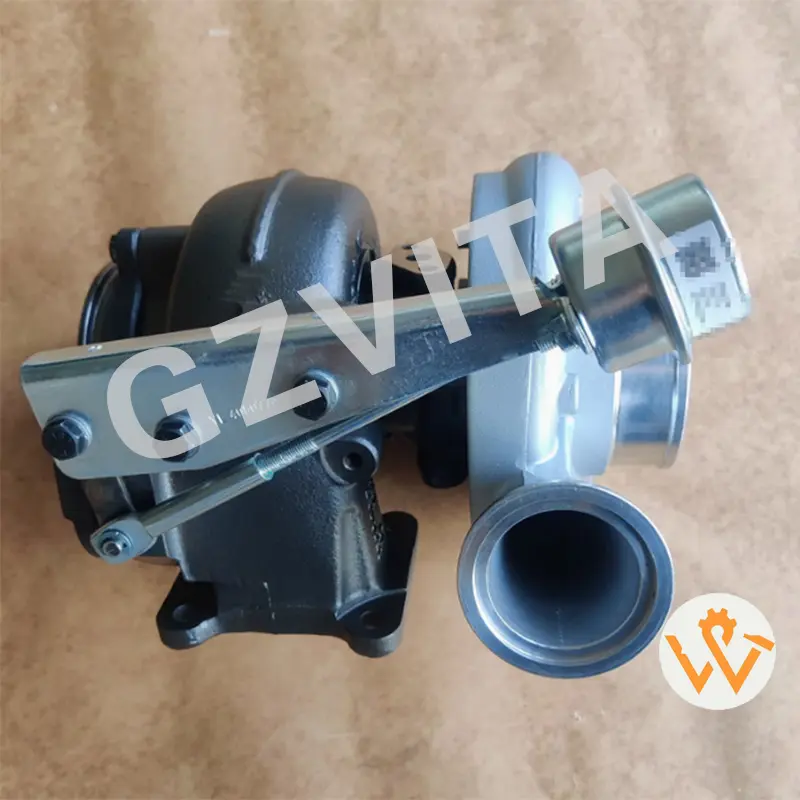
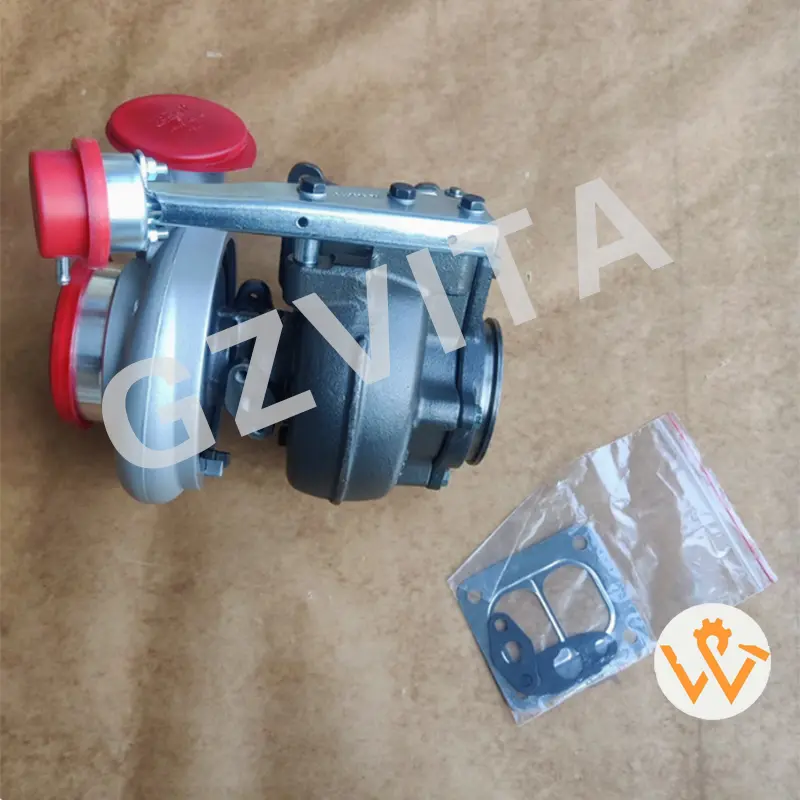
The primary function of a turbocharger is to boost the engine's power by forcing more air into the combustion chamber. This process allows for a more efficient combustion of fuel, resulting in increased power and torque.
The turbocharger consists of two main components: the turbine and the compressor. The turbine is driven by exhaust gases, which spin it at high speeds. This, in turn, drives the compressor, which draws in ambient air and compresses it before it enters the engine.
By increasing the amount of air available for combustion, the turbocharger enables the engine to burn more fuel efficiently, leading to higher power output and improved performance.
Turbochargers are designed to be compact, allowing them to fit within the limited space of an excavator's engine compartment while still providing significant performance benefits.
Built to withstand high temperatures and pressures, turbochargers are made from robust materials that ensure long-lasting performance even in demanding operating conditions.
Some modern turbochargers feature variable geometry technology, which allows for better control of airflow and boost pressure across a wider range of engine speeds, enhancing responsiveness and efficiency.
By boosting engine power without increasing engine size, turbochargers allow excavators to perform heavy-duty tasks more efficiently, improving productivity on job sites.
Turbocharged engines tend to be more fuel-efficient, as they can produce more power from the same amount of fuel, reducing operational costs and environmental impact.
Improved combustion efficiency leads to lower emissions, making turbocharged excavators more environmentally friendly and compliant with regulations.
Check the turbocharger for signs of wear, damage, or oil leaks. Early detection of issues can prevent more significant problems down the line.
Ensure that the engine oil is changed regularly, as clean oil is crucial for lubricating the turbocharger and preventing premature wear.
Keep the air intake system clean and ensure that air filters are replaced as needed to prevent debris from entering the turbocharger.
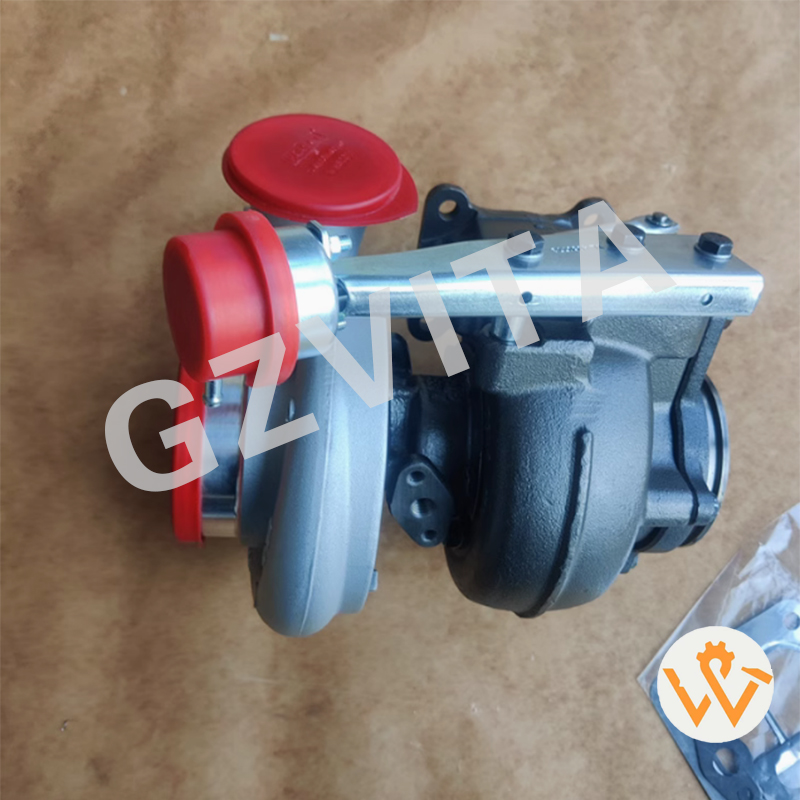
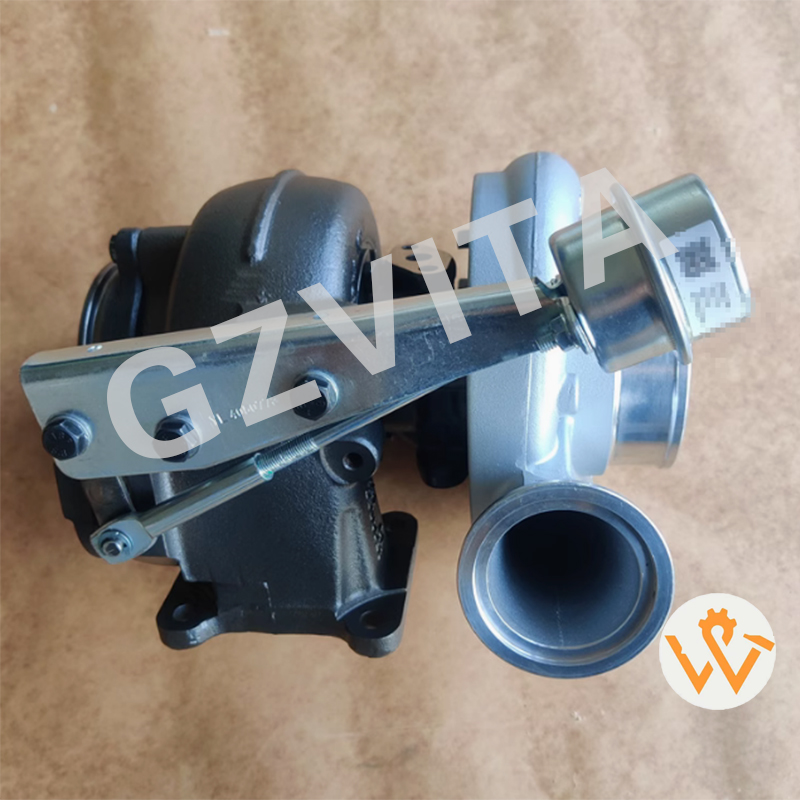
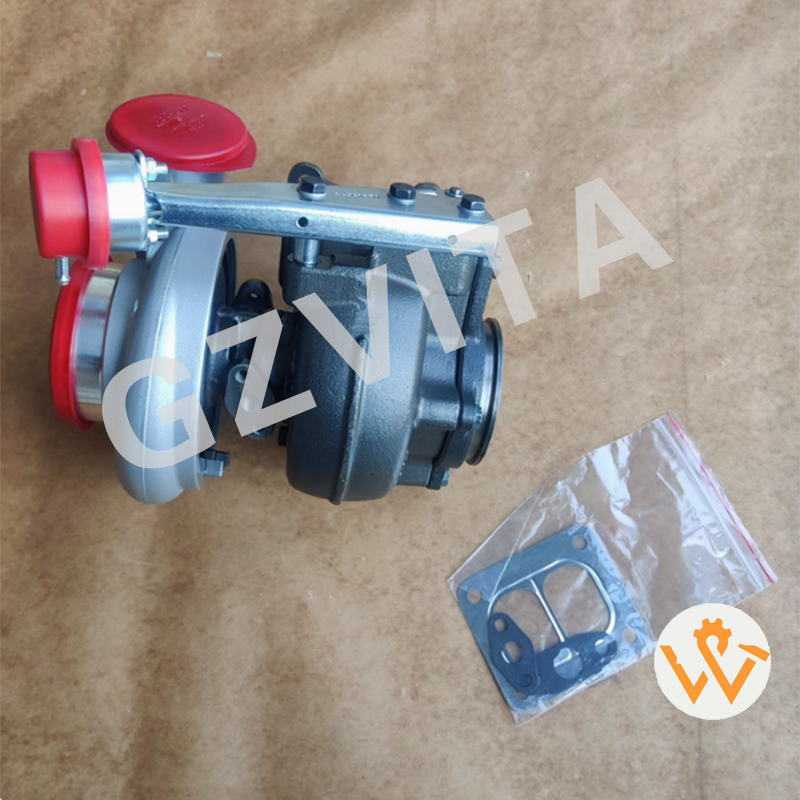
The main function of a turbocharger is to boost the engine's power by compressing and forcing more ambient air into the combustion chamber. This allows the engine to burn fuel more efficiently, resulting in increased power and torque.
By increasing the volume of air inside the combustion chamber, it enables cleaner and more complete fuel combustion. This allows the engine to generate more power from the same amount of fuel, reducing overall consumption and lowering operational costs.
Variable Geometry technology allows the turbocharger to adjust and optimize airflow and boost pressure dynamically across a wide range of engine speeds. This increases response times, reduces turbo lag, and enhances overall engine efficiency.
Turbochargers operate at extremely high speeds and temperatures. Clean, high-quality engine oil is essential to lubricate the turbine bearings, dissipate heat, and prevent premature wear or failure of the internal parts.
Common indicators include a noticeable loss of engine power, unusual whining or whistling noises, excessive smoke from the exhaust, and visible oil leaks around the turbocharger housing.
A clean air filter prevents dust, dirt, and external debris from entering the high-speed compressor wheel. If particles bypass the filter, they can cause severe physical damage to the compressor blades and destroy the unit.