 Vita Construction
1 / 3
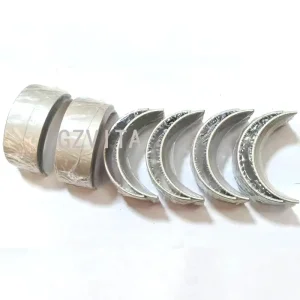
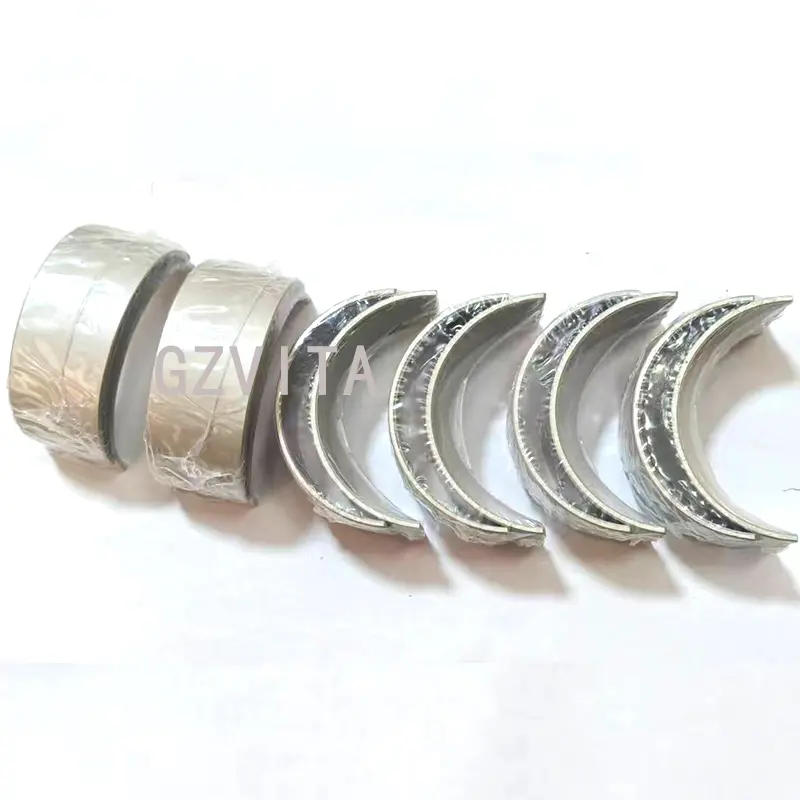
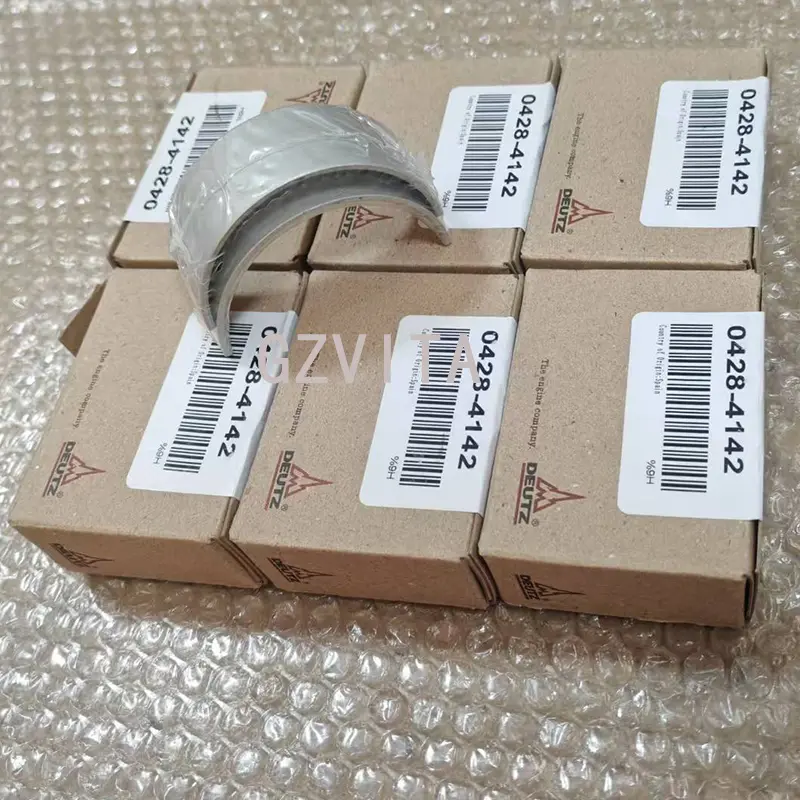
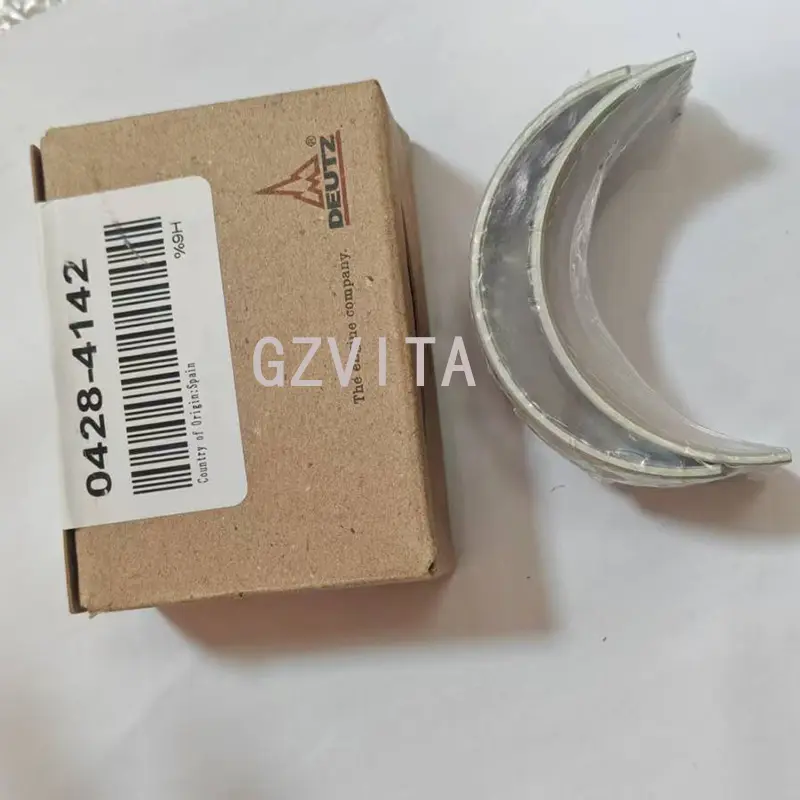
Choosing the correct brand of connecting rod bearings and crankshaft bearings is crucial for the performance and longevity of an engine. Here are some key factors to consider when making your selection:
OEM (Original Equipment Manufacturer): These bearings are made by the original manufacturer of the engine. They are designed to meet the exact specifications and tolerances of the engine, ensuring optimal performance and reliability.
Aftermarket: These bearings are produced by third-party manufacturers. While some aftermarket brands offer high-quality products, it's essential to research and choose reputable brands known for their reliability and performance.
Bearings are typically made from materials such as aluminum, copper, or bi-metal composites.
Look for bearings that use high-quality materials that can withstand the engine's operating conditions, including temperature and pressure.
Ensure that the bearings you choose match the required clearance specifications for your engine.
This is critical for proper oil flow and lubrication. Consult the engine's service manual for the correct specifications.
Research the reputation of the brand you are considering. Look for reviews, testimonials, and feedback from other users.
Brands with a long history of producing reliable engine components are often a safer choice.
Verify that the bearings are compatible with your specific engine model. Different engines may have different requirements, so it's essential to ensure that the bearings you choose are designed for your engine.
Consider the intended use of the engine. If the engine will be used in high-performance applications, you may want to invest in high-performance bearings that can handle increased stress and heat.
Check if the manufacturer offers a warranty on their bearings. A good warranty can provide peace of mind and indicate the manufacturer's confidence in their product. Additionally, consider the availability of customer support in case you have questions or issues.
While it may be tempting to choose the cheapest option, remember that quality is paramount when it comes to engine components. Investing in high-quality bearings can save you money in the long run by preventing premature engine wear or failure.