 Vita Construction
1 / 5
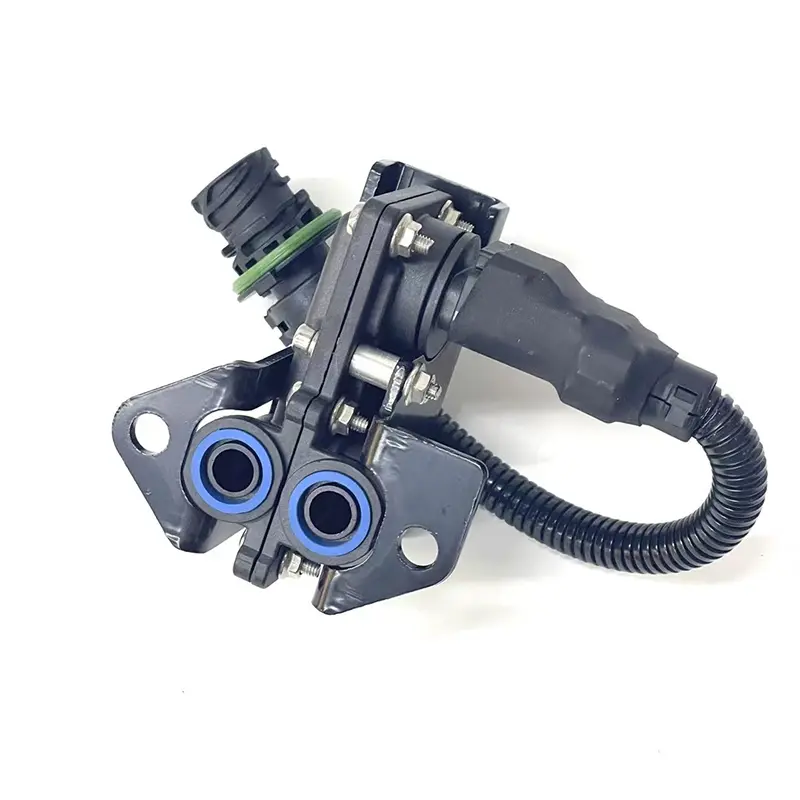
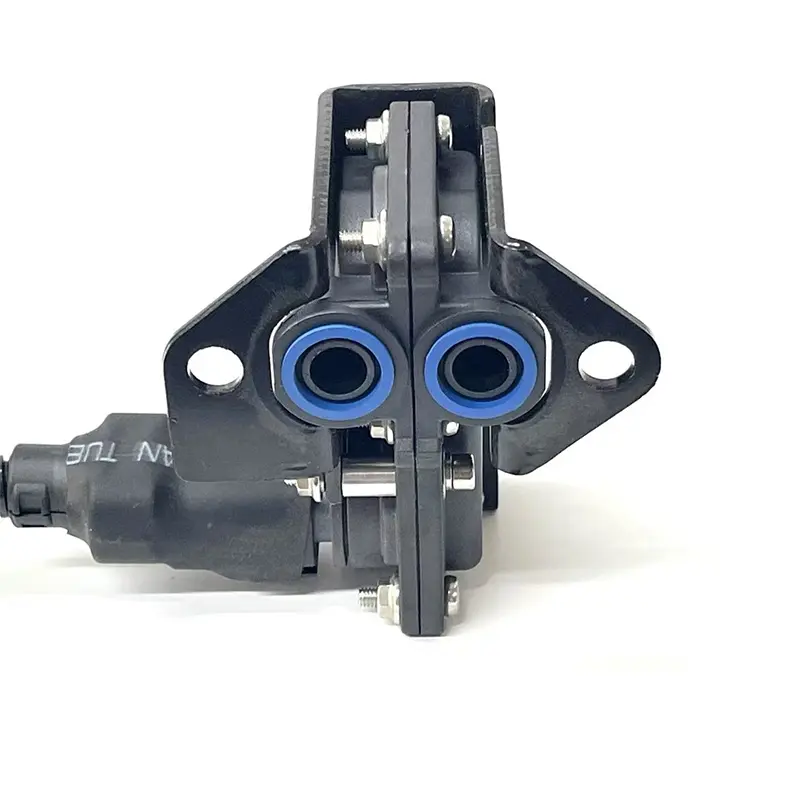
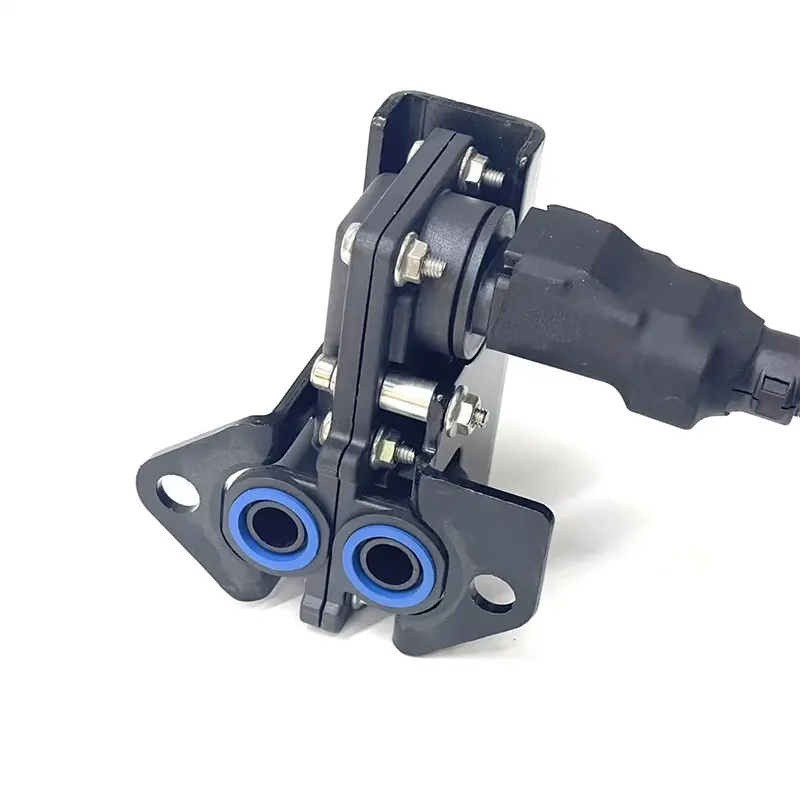
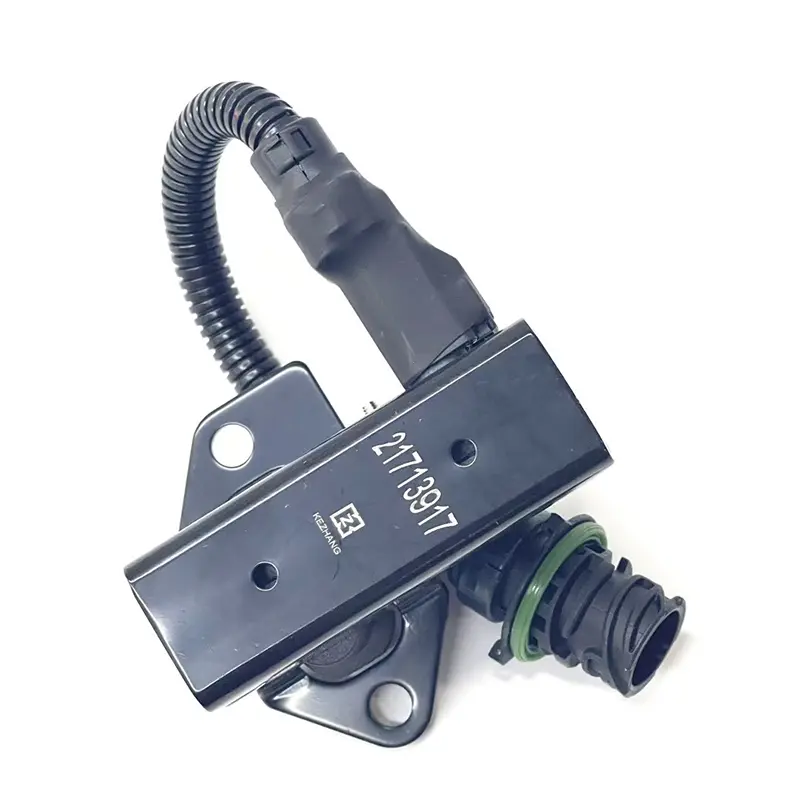
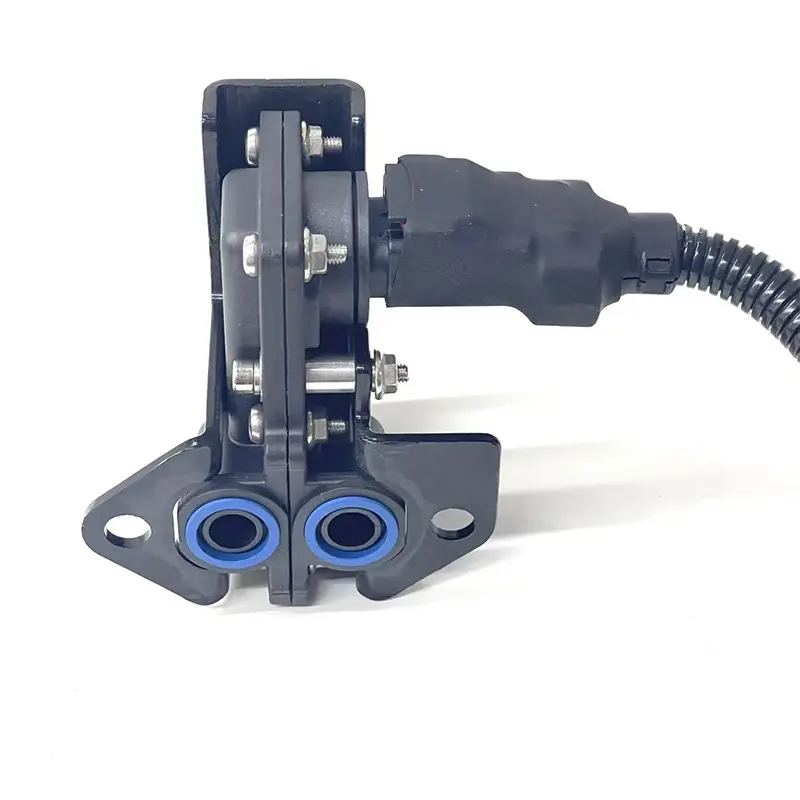
An Exhaust Gas Recirculation (EGR) pressure sensor is a critical component in modern internal combustion engines, particularly those designed to meet stringent emissions regulations. The EGR system is responsible for reducing nitrogen oxide (NOx) emissions by recirculating a portion of the engine’s exhaust back into the intake manifold. The EGR pressure sensor plays a vital role in monitoring and controlling this process.
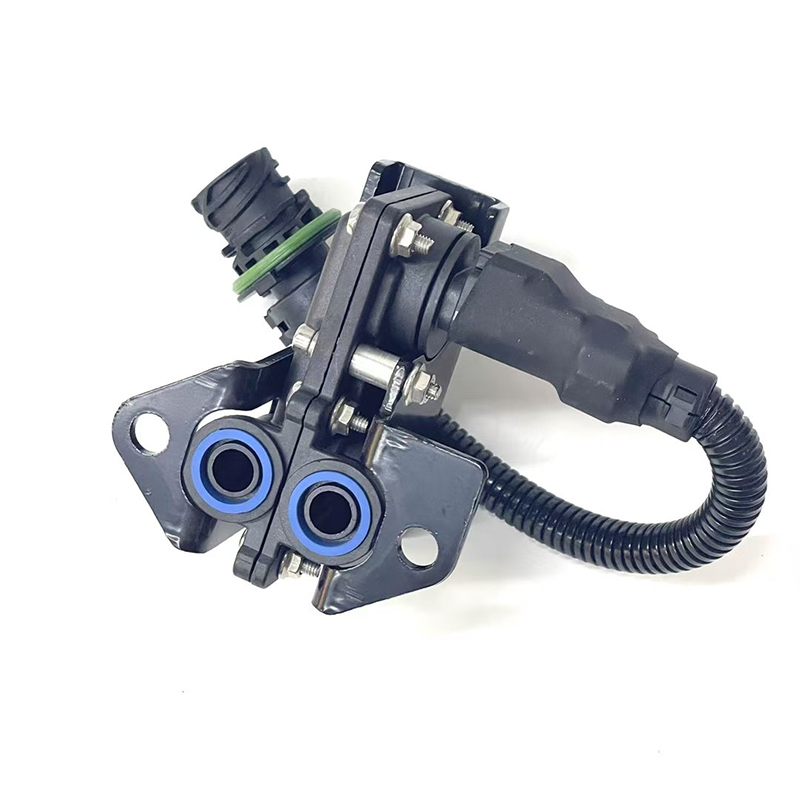
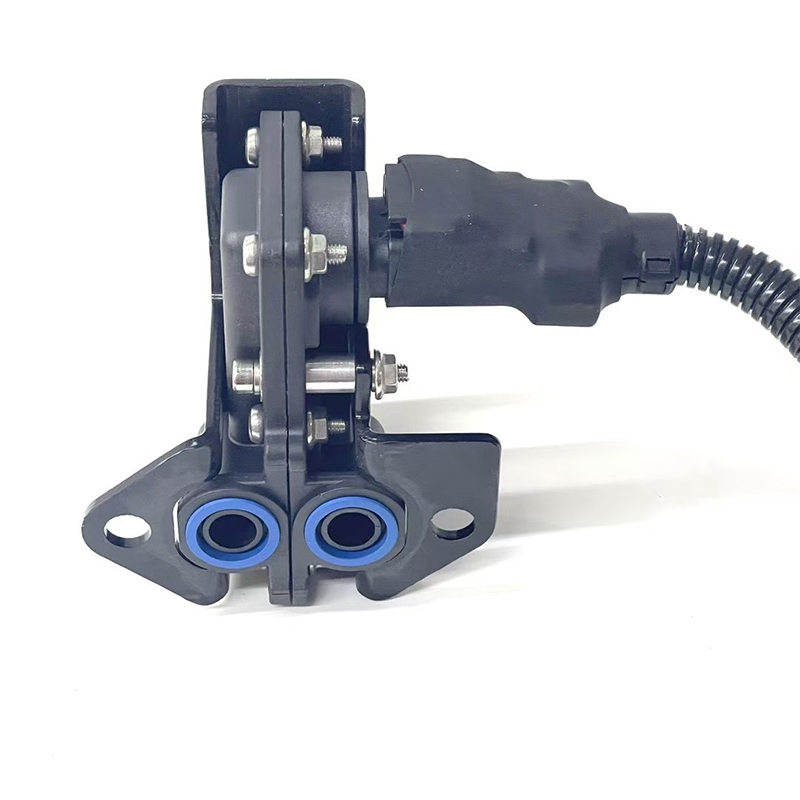
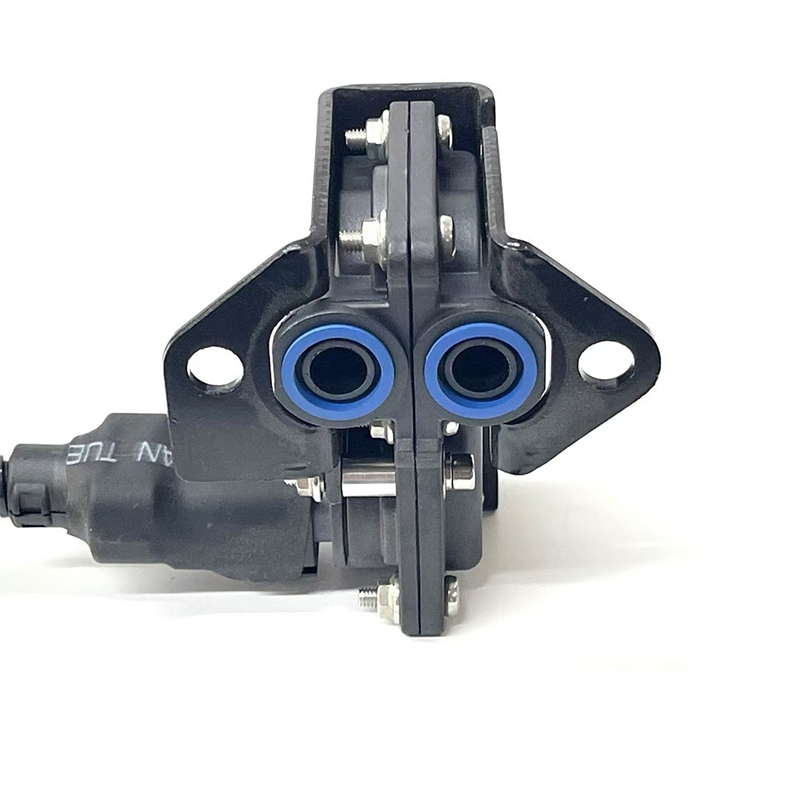
It measures the pressure of exhaust gases entering the EGR system and feeds this data to the ECU to control emissions and performance.
A failing sensor can lead to incorrect EGR flow, causing issues like rough idling, decreased fuel efficiency, and engine hesitation.
Analog sensors output a continuous voltage signal based on pressure, while digital sensors convert pressure into digital signals for more precise processing by the ECU.
Yes, if the sensor sends abnormal readings to the ECU, it will trigger the check engine light and log diagnostic trouble codes (DTCs).
They are widely used in modern automotive engines (both gasoline and diesel) as well as heavy-duty vehicles like trucks and buses to meet emission standards.