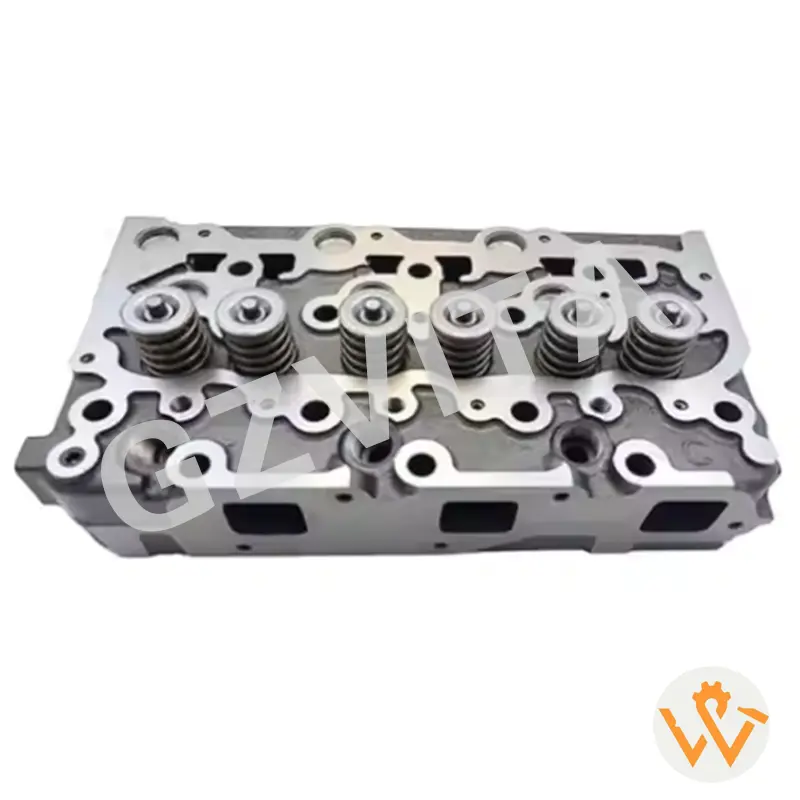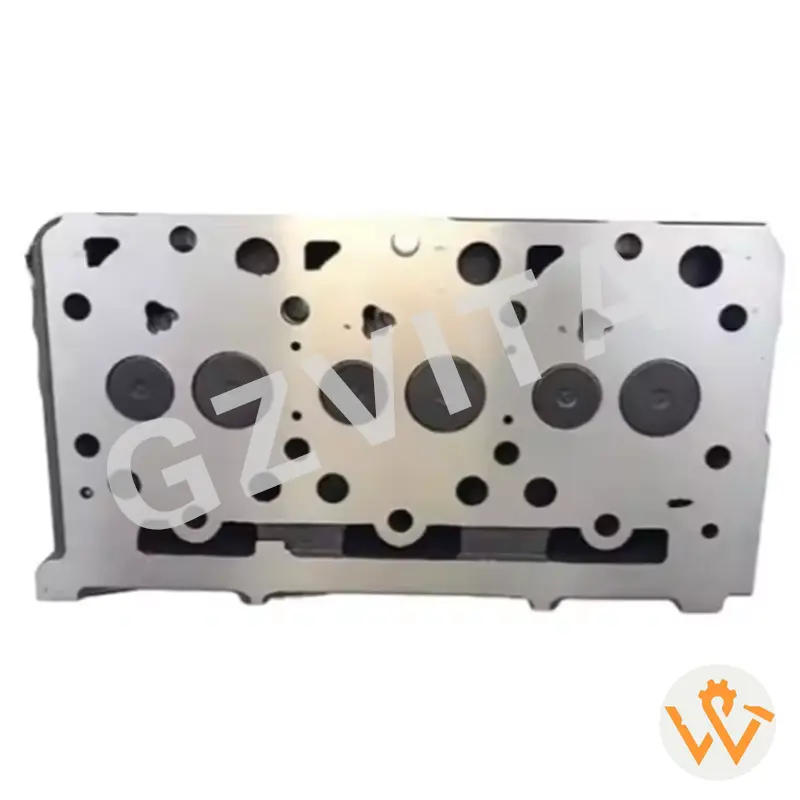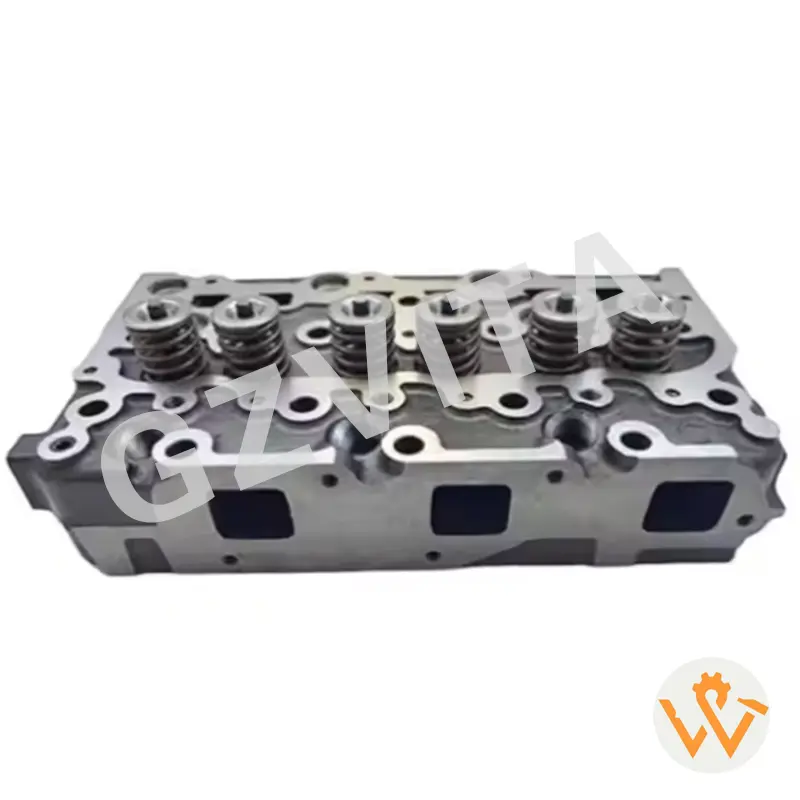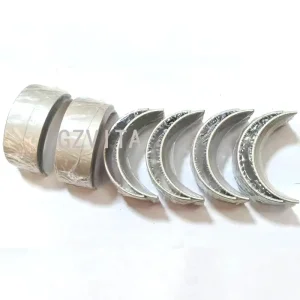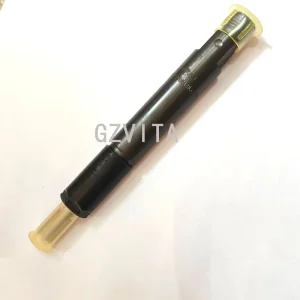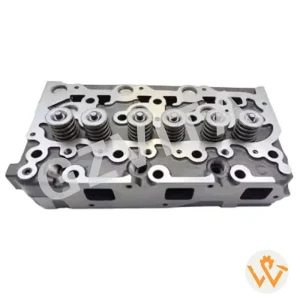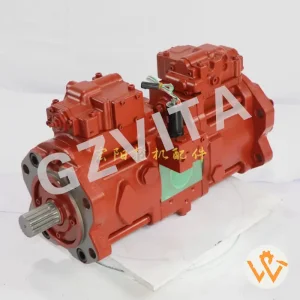
Wholesale Cylinder Head 16487-03050 16444-03040 1A033-03042 for D1703 D1803 Engine Supplier, Companies

  1. Application of high-temperature resistant nickel-chromium alloys for exhaust manifolds.
  2. Use of aluminum alloy cylinder heads with advanced heat dissipation properties.
  3. Ceramic thermal barrier coatings on piston crowns to reduce heat transfer.
  4. Heat-treated forged steel for crankshafts and connecting rods for strength under thermal stress.
  5. Special high-silicon aluminum alloy for pistons to minimize thermal expansion.
  6. Stainless steel components in critical hot sections to prevent oxidation.
  7. Anodized or ceramic-coated surfaces on select parts for improved heat reflection.
  8. Use of austenitic materials in valve seats for durability.
  9. Composite metal gaskets designed to maintain seal integrity at high temperatures.
  10. Nitriding treatment on cylinder liners for enhanced wear resistance at elevated temperatures.


  1. Engine Design & Architecture


  1. Optimized combustion chamber design for efficient burning and lower peak temperatures.
  2. Cross-flow cylinder head design for improved coolant circulation around hot zones.
  3. Overhead valve (OHV) design for compactness and better heat management.
  4. Direct injection technology promoting cleaner combustion and controlled heat release.
  5. Turbocharging with intercooling to manage intake air temperature.
  6. Precision-machined components ensuring minimal friction and heat generation.
  7. Strategically placed cooling fins on air-cooled engine models.
  8. Low-friction piston rings to reduce parasitic heat from mechanical resistance.
  9. Optimized valve timing for effective scavenging and temperature control.
  10. Robust engine block design with reinforced ribbing for thermal stability.


  1. Cooling System Enhancements


  1. High-capacity, gear-driven water pumps for consistent coolant flow.
  2. Large surface area radiators with optimized core design.
  3. Thermostatically controlled coolant circulation for rapid warm-up and stable operation.
  4. Coolant bypass systems to prevent hot spots.
  5. Engine oil coolers to maintain lubricant viscosity and cooling performance.
  6. Coolant additives inhibiting corrosion and scale formation in high-heat conditions.
  7. Dual-circuit cooling systems in some industrial models for prioritized component cooling.
  8. High-efficiency cooling fans with thermally engaged clutches or viscous drives.
  9. Directed coolant jets at the bottom of pistons for under-crown cooling.
  10. Expansion tanks accommodating coolant volume changes due to temperature swings.


  1. Lubrication & Oil Management


  1. High-temperature stability engine oils meeting or exceeding specific Kubota specifications.
  2. Large-capacity oil pans providing greater heat dissipation from the oil sump.
  3. Oil jets/spray nozzles for piston cooling and lubrication.
  4. Efficient oil filters with high-temperature media to maintain cleanliness.
  5. Oil thermostats to regulate oil temperature for optimal viscosity.
  6. Bypass valve systems in oil filters for protection during cold starts or high-temperature oil thickening.
  7. Use of synthetic or semi-synthetic oils recommended for extreme operating conditions.
  8. Oil grade recommendations specifically for sustained high-load, high-temperature applications.


Product Description

How to detect the common rail for an excavator?

Detecting the common rail injector on an excavator involves a series of steps that include visual inspection and possibly some testing. Here’s a comprehensive guide to help you identify and check the common rail injector system safely and effectively.

1

Safety Precautions

Ensure the excavator is turned off and parked on a flat, stable surface. Engage the parking brake and wear appropriate personal protective equipment (PPE) before beginning any work.

2

Locate the Common Rail Injector

  • Consult the Manual: Refer to the operator’s manual for the specific model of your excavator. It provides wiring diagrams and coordinates for components.
  • Visual Inspection: The common rail injectors are typically located directly on the engine’s cylinder head. Look for a fuel rail (the common rail) running along the injectors, with high-pressure lines connected to each one.
3

Identify the Components

  • Common Rail: This is a high-pressure rail designed to supply fuel to the injectors uniformly. It is made of thick-walled metal to handle high pressures and has fuel lines connected.
  • Injectors: Mounted tightly on the engine cylinder head, each injector features electrical connectors on top and feed lines attached to the sides.
4

Inspect the Injectors

  • Check for Leaks: Closely inspect all connections around the injectors and the common rail for signs of wetness or fuel leakage.
  • Electrical Connections: Ensure the wiring harness connectors plug securely into each injector and are free of dirt, oil, and corrosion.
5

Testing the Injectors

  • Use a Multimeter: To measure electrical resistance, disconnect the injector's electrical plug. Touch the multimeter leads to the injector terminals and compare the reading with specifications.
  • Injector Balance Test: If specialized diagnostic equipment is available, run a balance test to evaluate the fuel delivery rate of each injector.
  • Check for Fault Codes: Connect a diagnostic scanner to the excavator's ECU port to pull fault codes related to the fuel delivery system.
6

Listen for Operation

While the engine is running, use a mechanic's stethoscope or listen carefully for irregular engine sounds, such as knocking, clicking anomalies, or uneven rhythm, which may point to cylinder misfires.

7

Consult a Professional

If you are unable to successfully isolate the failure or if the injectors require physical replacement and calibration, consult a qualified heavy machinery mechanic.
Frequently Asked Questions

What are the common symptoms of a failing common rail injector?
Common signs include rough idling, engine misfires, decreased engine power, black smoke coming from the exhaust, difficult starting, and a noticeable increase in fuel consumption.
Can I clean the common rail injectors myself?
While you can use high-quality fuel additives to clean minor deposits, physical cleaning and nozzle rebuilding require high-precision test benches. It is recommended to have this serviced by a specialist.
How does a multimeter check a common rail injector?
By disconnecting the injector's electrical harness and setting the multimeter to measure resistance (ohms), you can test the internal solenoid coil. If the reading is open limit (OL) or out of the factory specification range, the coil is faulty.
Why is fuel contamination bad for common rail systems?
Common rail systems operate at extremely high pressures (often exceeding 2,000 bar). Dirt particles or water can rapidly wear down internal valves, cause rust, clog nozzle micro-holes, and lead to total injector failure.
How often should I inspect the excavator common rail system?
A basic visual inspection for leaks and wire wear should be performed during routine engine service checks (approximately every 250 to 500 operating hours). Detailed diagnostics should occur if fault codes appear.

Related Products