 Vita Construction
1 / 3
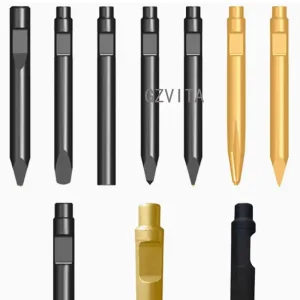
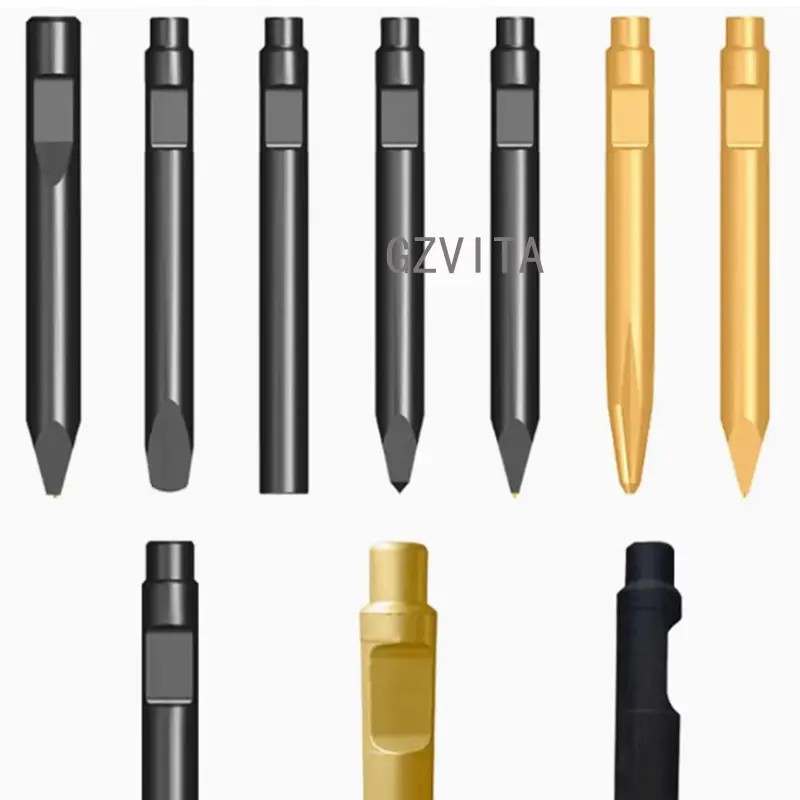
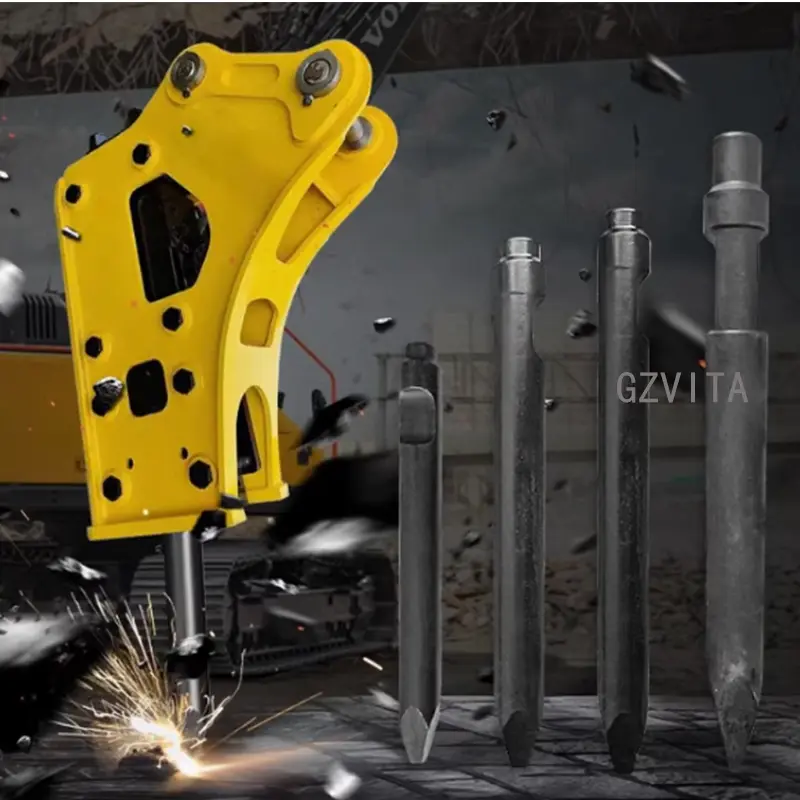
Breaker drill rods, also known as hydraulic breaker rods or tool rods, are essential components used in conjunction with hydraulic breakers (or hammers) mounted on excavators and other heavy machinery. These rods serve as the connection between the hydraulic breaker and the tool bit, facilitating the transfer of energy and impact force necessary for effective breaking and demolition tasks. Here’s an overview of breaker drill rods and their significance in construction and demolition applications.
A breaker drill rod is a cylindrical metal rod designed to withstand high levels of stress and impact. It connects the hydraulic breaker to the chisel or tool bit that performs the actual breaking work. The rod is engineered to transmit the hydraulic energy generated by the breaker into powerful impacts on the material being worked on, such as concrete, rock, or asphalt.
The primary function of a breaker drill rod is to efficiently transfer the hydraulic energy from the breaker to the tool bit. This energy transfer is crucial for maximizing the effectiveness of the hydraulic breaker in breaking tough materials.
Breaker drill rods are constructed from high-strength materials, such as alloy steel, to withstand the extreme forces and impacts generated during operation. Their durability is essential for ensuring long service life and reliability in demanding environments.
Breaker drill rods are designed to be compatible with specific hydraulic breakers and tool bits. This compatibility ensures optimal performance and safety during operation, as using the wrong rod can lead to equipment failure or inefficiency.
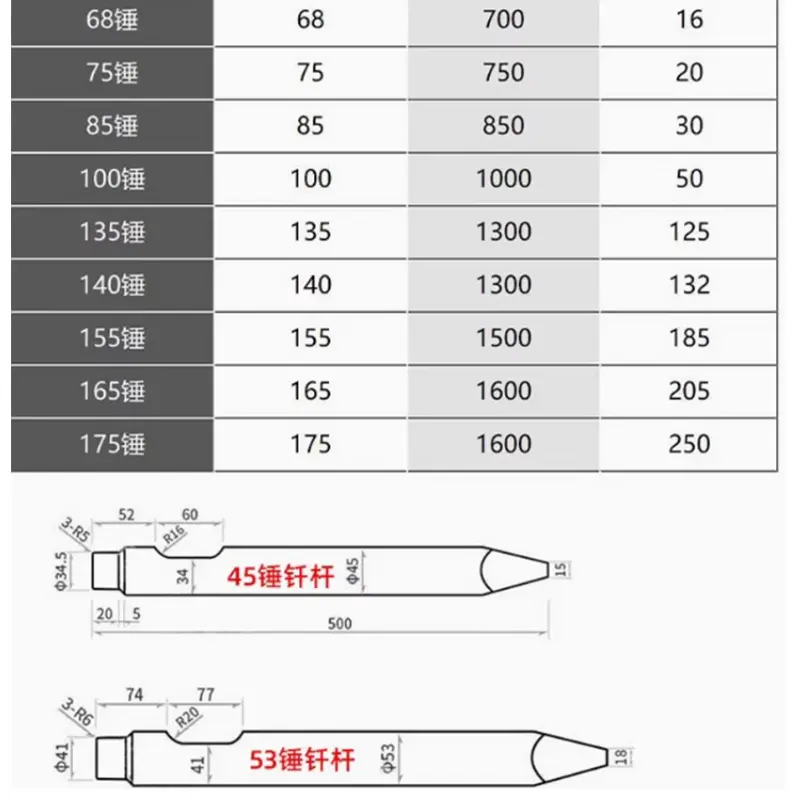
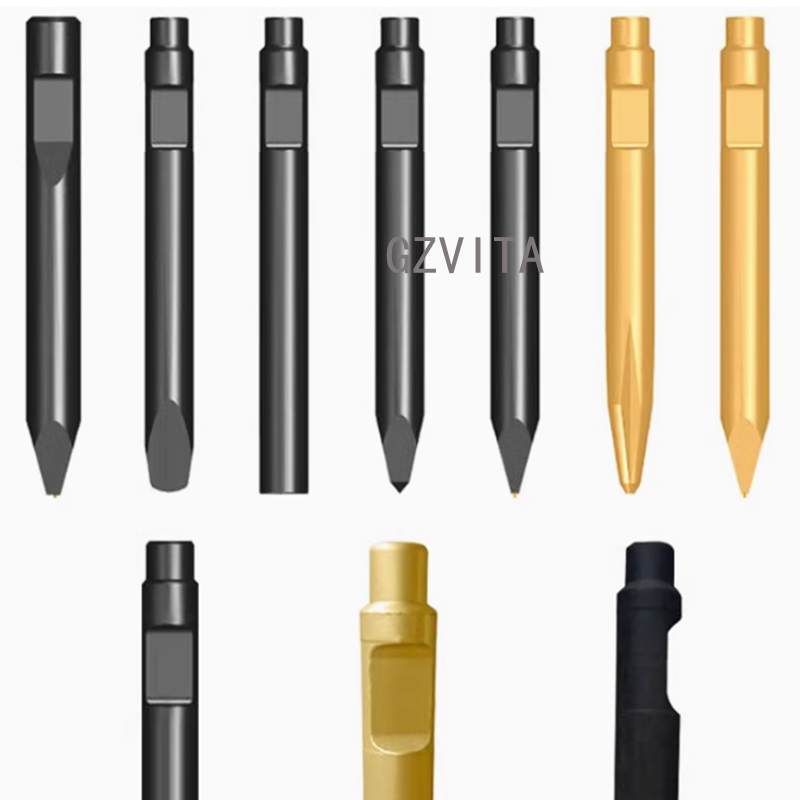
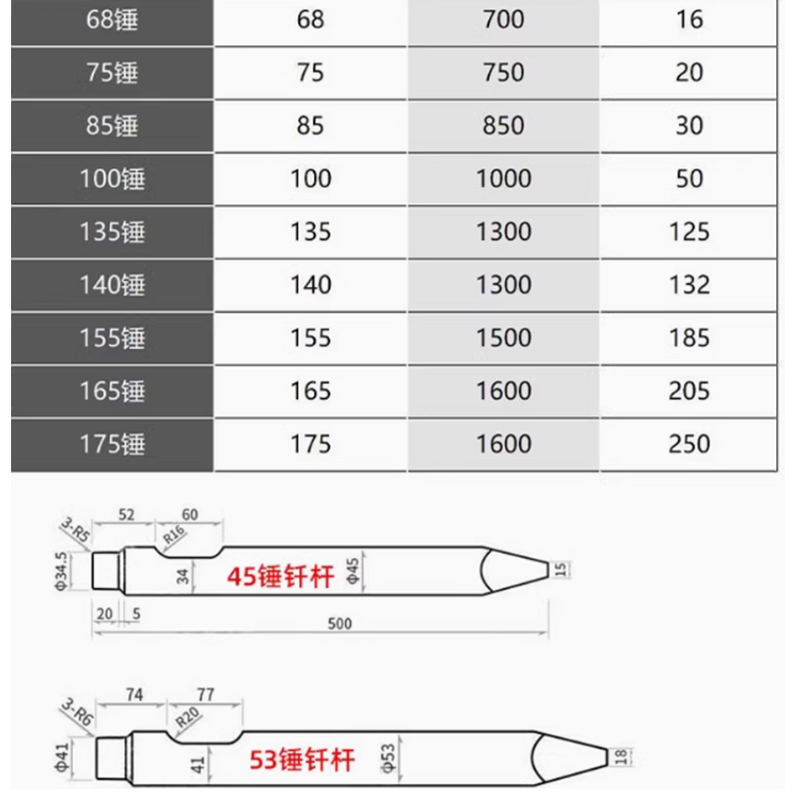
Breaker drill rods come in various lengths and diameters to suit different applications and equipment sizes. This variety allows operators to select the appropriate rod for their specific needs, enhancing versatility on the job site.
Over time, breaker drill rods can wear out due to the high-impact nature of their work. They are designed for easy replacement, allowing for minimal downtime and ensuring that the hydraulic breaker remains operational.
Many breaker drill rods are designed with safety features, such as locking mechanisms or shear pins, to prevent damage to the hydraulic breaker and ensure safe operation. These features help protect both the operator and the equipment.
Regular inspection and maintenance of breaker drill rods are essential to ensure their integrity and performance. Operators should check for signs of wear, deformation, or damage and replace rods as necessary to maintain optimal functionality.
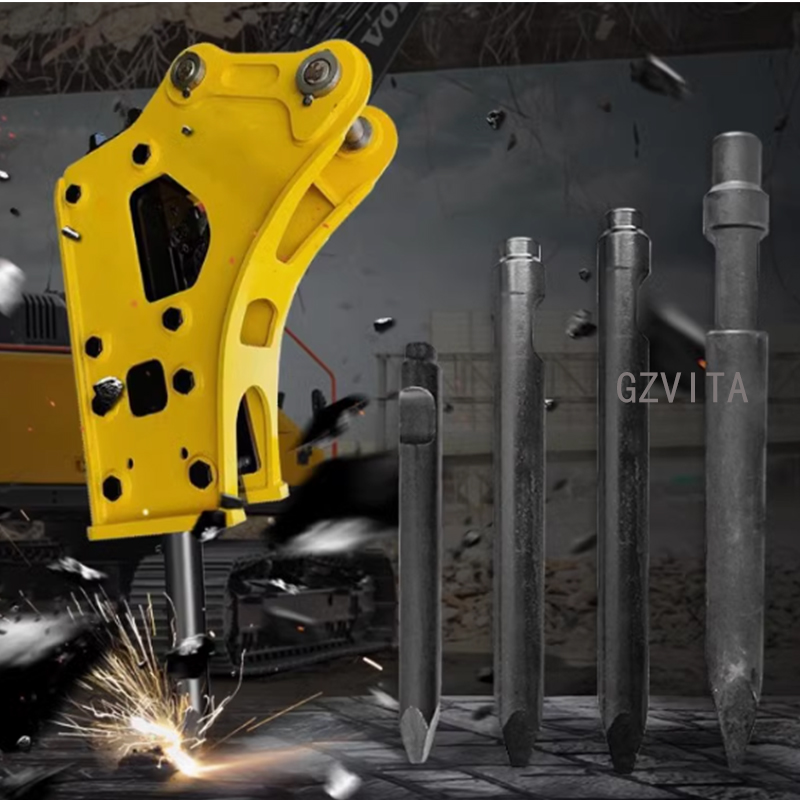
The main function of a breaker drill rod is to act as a connection between the hydraulic breaker and the tool bit, efficiently transferring the hydraulic impact energy to the chisel to break tough materials like concrete and rock.
Breaker drill rods are constructed from high-strength materials, such as premium alloy steel, to ensure they can withstand the extreme forces, stress, and high-impact conditions during operation.
Compatibility ensures optimal performance and safety. Using a rod that is not specifically designed for your hydraulic breaker model and tool bit can lead to premature equipment failure, reduced breaking efficiency, or hazardous operations.
Regular inspections should be conducted before and after use. Operators should check for signs of wear, deformation, micro-cracks, or damage, replacing the rods immediately if any structural defects are found.
Many rods are engineered with safety mechanisms such as locking structures or shear pins. These features are designed to prevent accidental detachments and protect both the operator and the hydraulic hammer system from damage.
Yes, breaker drill rods are available in various lengths and diameters to suit different machinery specifications, excavator sizes, and specific job site application demands.