 Vita Construction
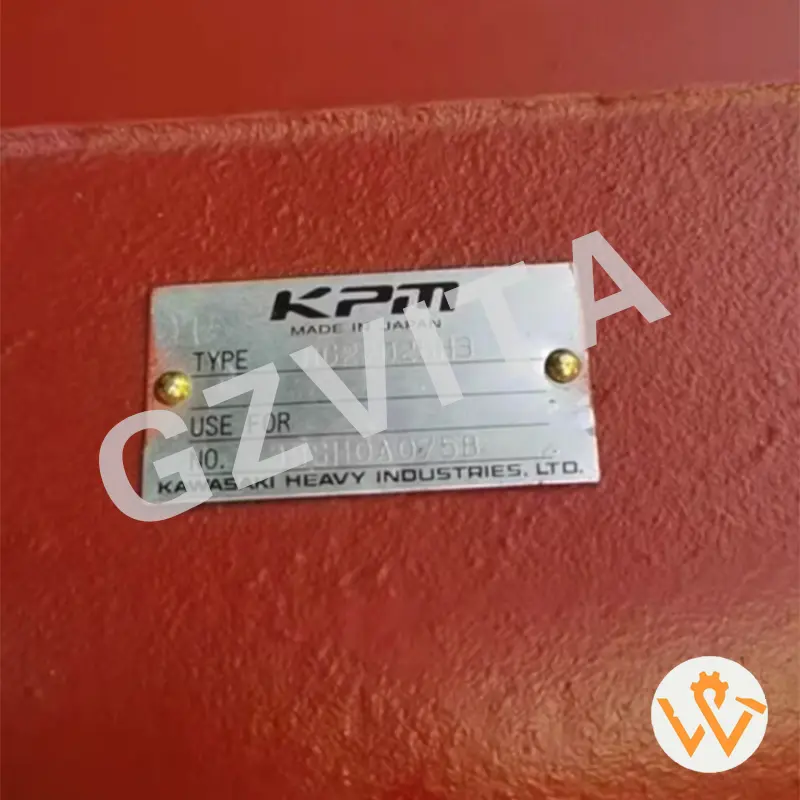
1 / 3
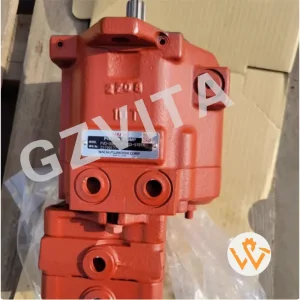
The primary function of hydraulic pumps in mini excavators is to provide the necessary power to move the machine’s components. When the operator activates a control, the hydraulic pump sends pressurized fluid to the corresponding actuator, allowing for smooth and precise movements.
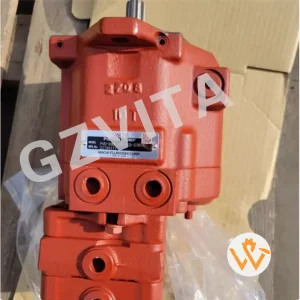
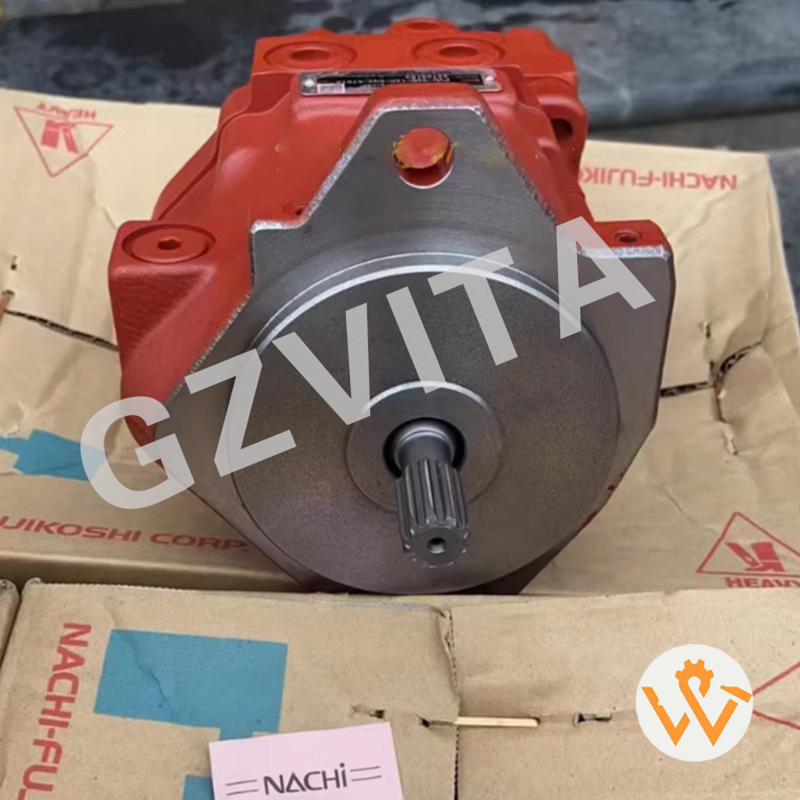
A hydraulic pump is a mechanical device that converts mechanical energy into hydraulic energy by moving fluid through the hydraulic system. In mini excavators, hydraulic pumps are responsible for generating the hydraulic pressure needed to operate various attachments and functions, such as the boom, arm, bucket, and swing mechanisms.
Hydraulic pumps are vital components of hydraulic systems, providing the necessary power to perform a wide range of tasks across various industries. Understanding the different types of hydraulic pumps and their applications can help you choose the right pump for your specific needs. Whether you are in construction, manufacturing, or any other field that relies on hydraulic systems, knowing how hydraulic pumps work will enhance your ability to maintain and optimize these essential machines.
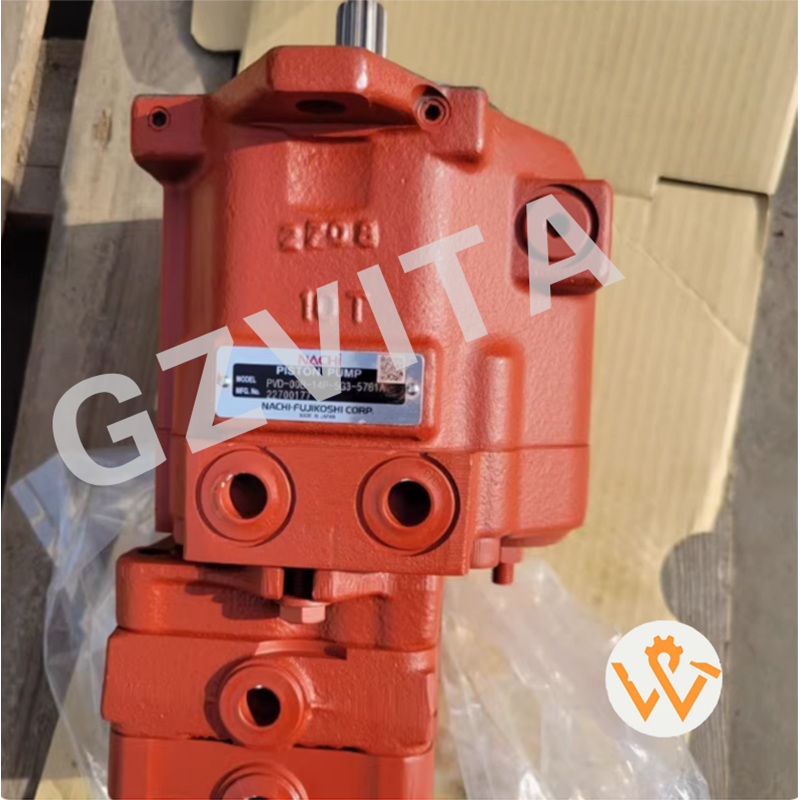
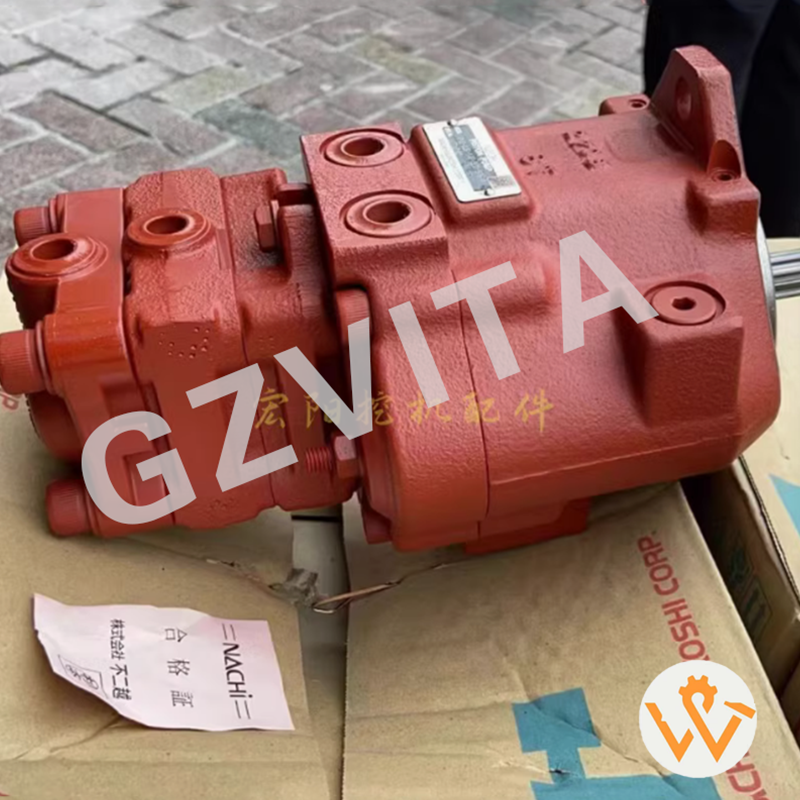
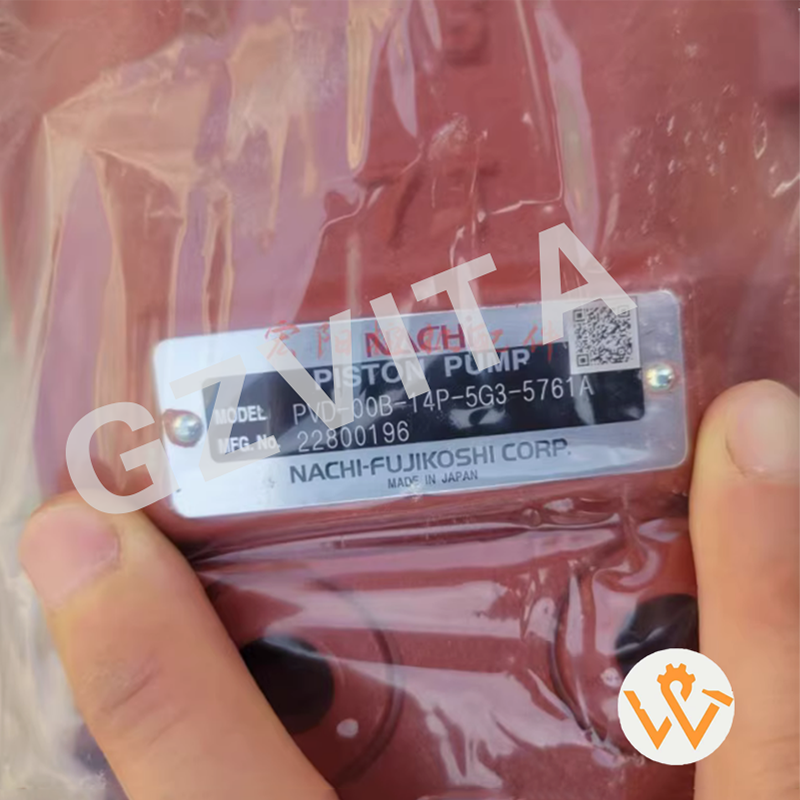
Common indicators include slow or unresponsive controls, unusual noises such as whining or knocking, oil leaks around the pump unit, and elevated hydraulic fluid temperatures during operation.
It utilizes mechanical power (usually from an internal combustion engine) to create a vacuum at the pump inlet, forcing fluid from the reservoir into the inlet line and then delivering it under pressure to the outlet and onto the rest of the system.
Since the hydraulic pump drives the critical movements of the excavator (such as the boom, arm, and swing), a faulty pump directly reduces operating efficiency, increases fuel usage, and can cause damage to other hydraulic cylinders and valves.
Fluid contamination (due to dirt, water, or metal shavings), aeration or cavitation, using incorrect types of hydraulic fluid, and lack of regular maintenance are the leading reasons for pump wear and breakdown.
You must determine the system's operating flow rate, working pressure limits, speed requirements, and type of mounting configuration that matches your specific machinery's design.