 Vita Construction
1 / 4
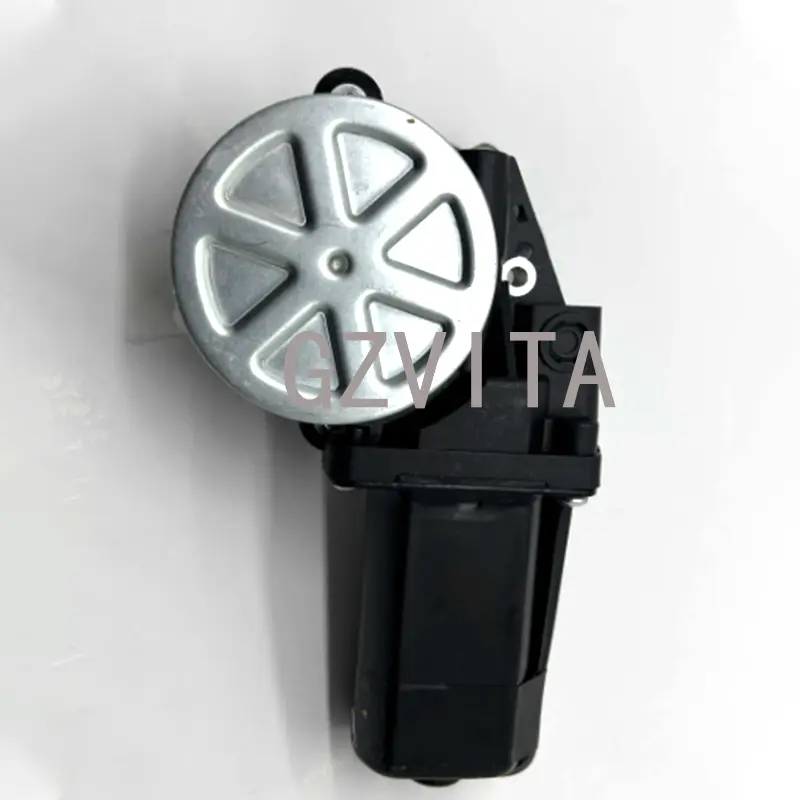
Installing a throttle motor on an excavator involves several steps, and it’s important to follow the manufacturer’s guidelines for your specific model. Here’s a general guide to help you through the process:
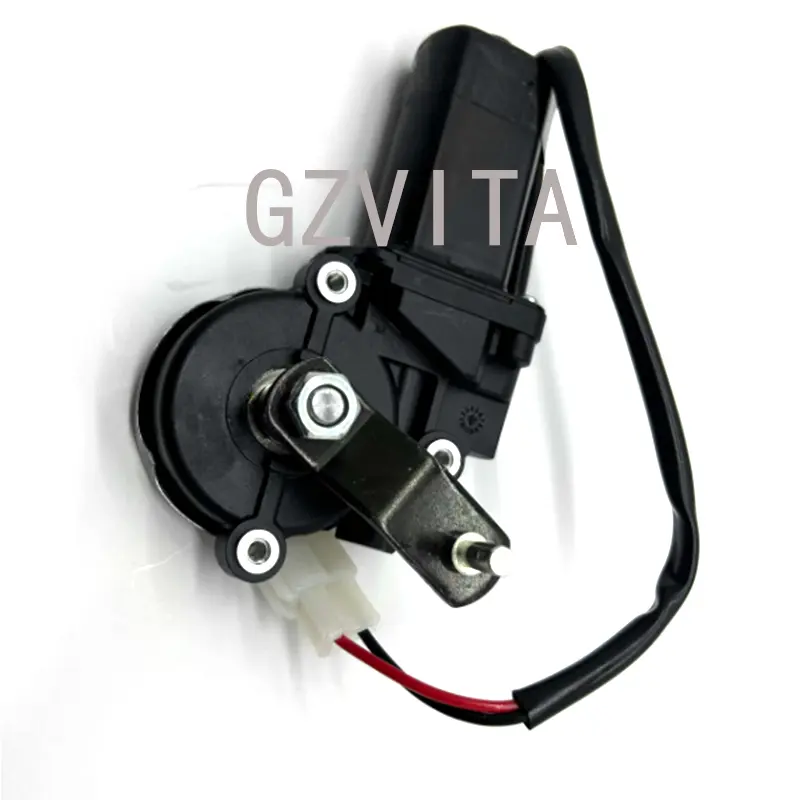
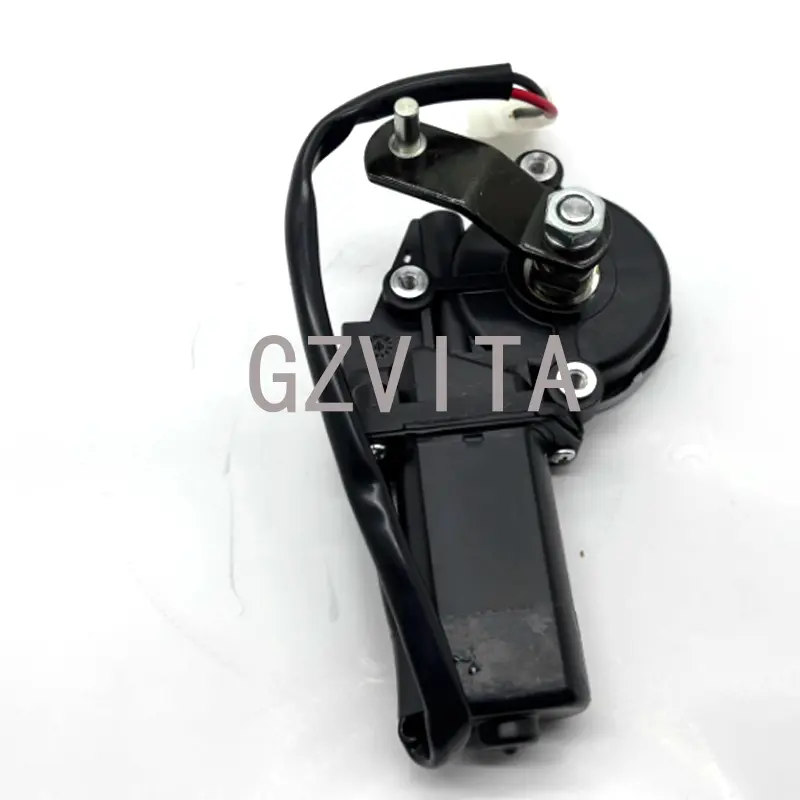
Locate the throttle motor. It is usually found near the engine or on the throttle linkage. You may need to remove covers or other components to gain access.
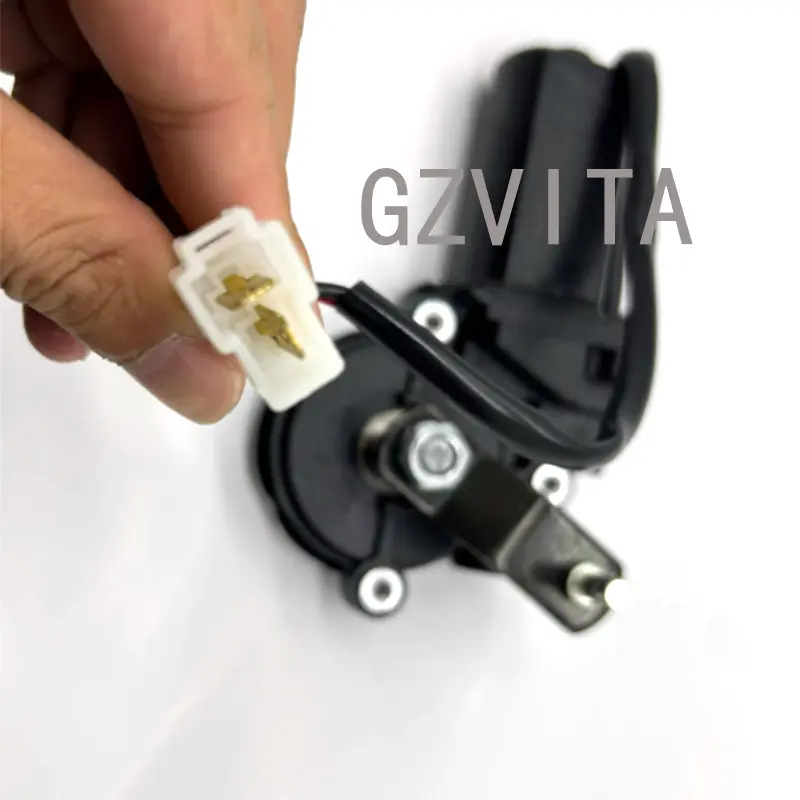
Disconnect any electrical connectors attached to the throttle motor. Remove any bolts or screws securing the throttle motor in place using the appropriate tools. Carefully detach the throttle linkage from the motor.
Position the new throttle motor in place. Reattach the throttle linkage to the new motor, ensuring it is secure and properly aligned. Fasten the throttle motor with the bolts or screws, tightening them to the manufacturer’s specified torque.
Reconnect any electrical connectors to the new throttle motor, ensuring they are secure and properly seated. If you removed any covers or other components to access the motor, reattach them now.
Reconnect the battery terminals, ensuring they are tight and secure. Start the excavator and check for any unusual noises or warning lights. Test the throttle response to ensure the new motor is functioning correctly.
Inspect the installation for any loose connections or components. Make sure everything is in place and secure.
By following these steps, you should be able to successfully install a new throttle motor on your excavator.
Common signs include unstable engine speed, failure of the engine to respond to dial adjustments, difficulty starting, or the engine shutting down unexpectedly.
Disconnecting the battery prevents short circuits, potential damage to the new electronic components, and eliminates the risk of accidental electrical shock during installation.
Yes, many excavator models require a calibration or learning procedure after installing a new throttle motor to align the physical throttle range with the electronic control unit (ECU).
You can reuse the existing linkage if it is not bent, worn, or damaged. Ensure it moves freely without binding before connecting it to the new motor.
You will generally need standard wrenches, sockets, screwdrivers, and a torque wrench to ensure bolts are tightened according to the manufacturer's specification.