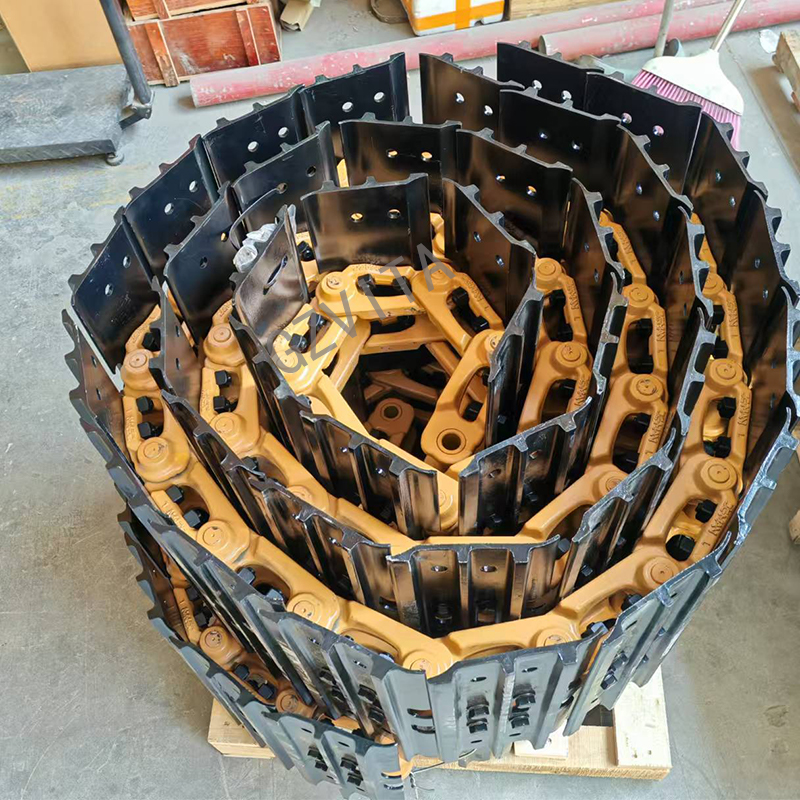
High-Quality Track link Assembly for Excavator Kubota U55 RD411-22203 Factories, Product

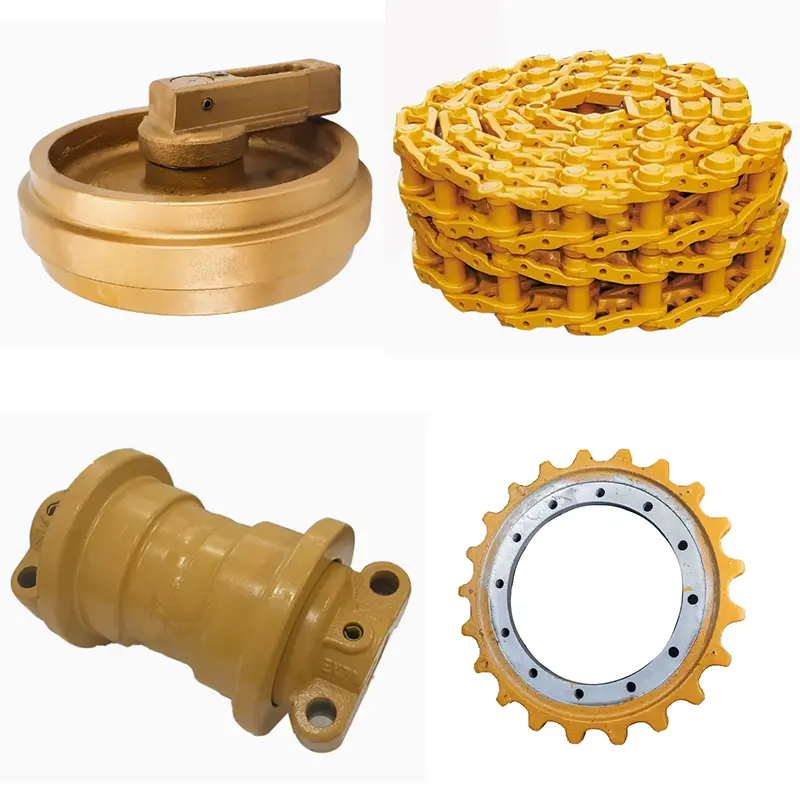
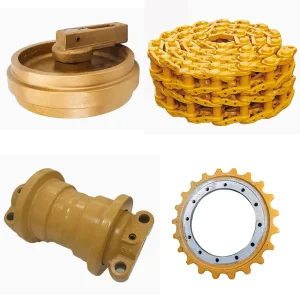
Product name

Part number

Excavator Model

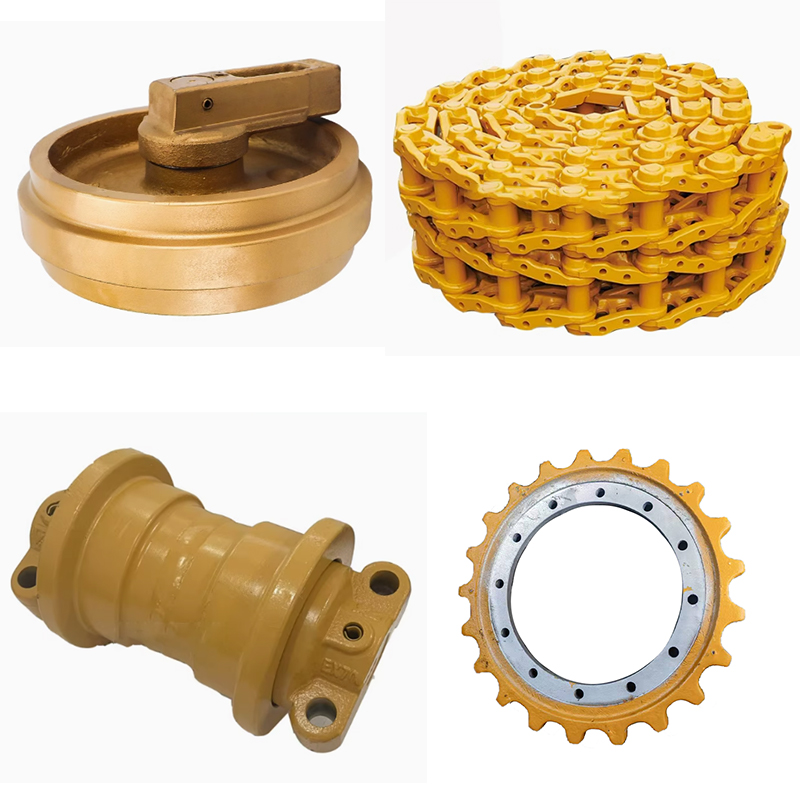
Idler

RD451-21302

Kubota U55

Carrier roller/top roller

RD411-22900

Kubota U55

Track roller/bottom roller

RD411-21740

Kubota U55

Sporcket

RD411-14432

Kubota U55

Track link

RD411-22203

Kubota U55


Product Description

Introduction to Excavator Tracks/Track link

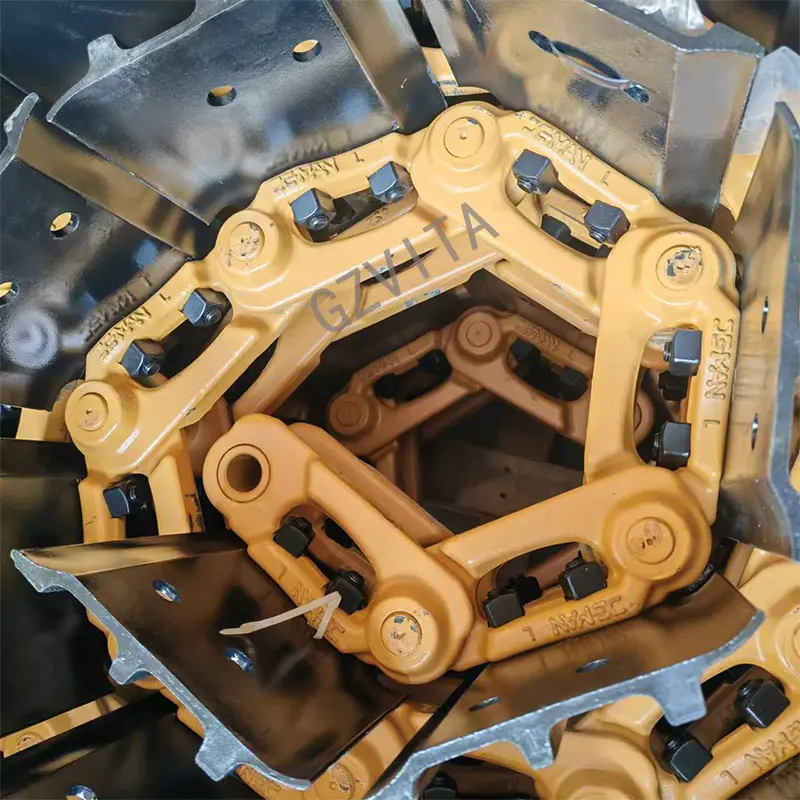
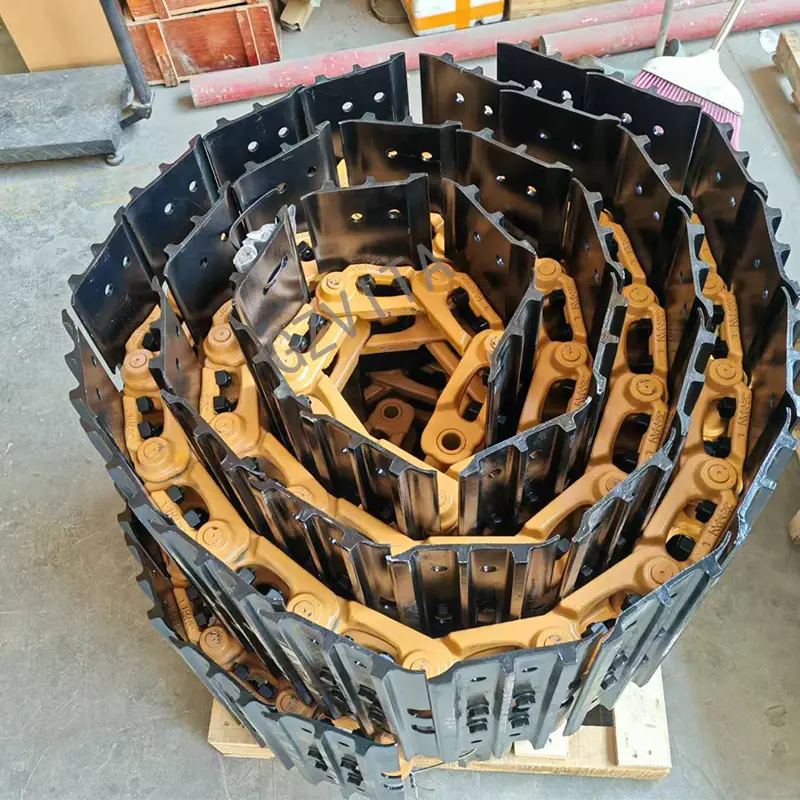
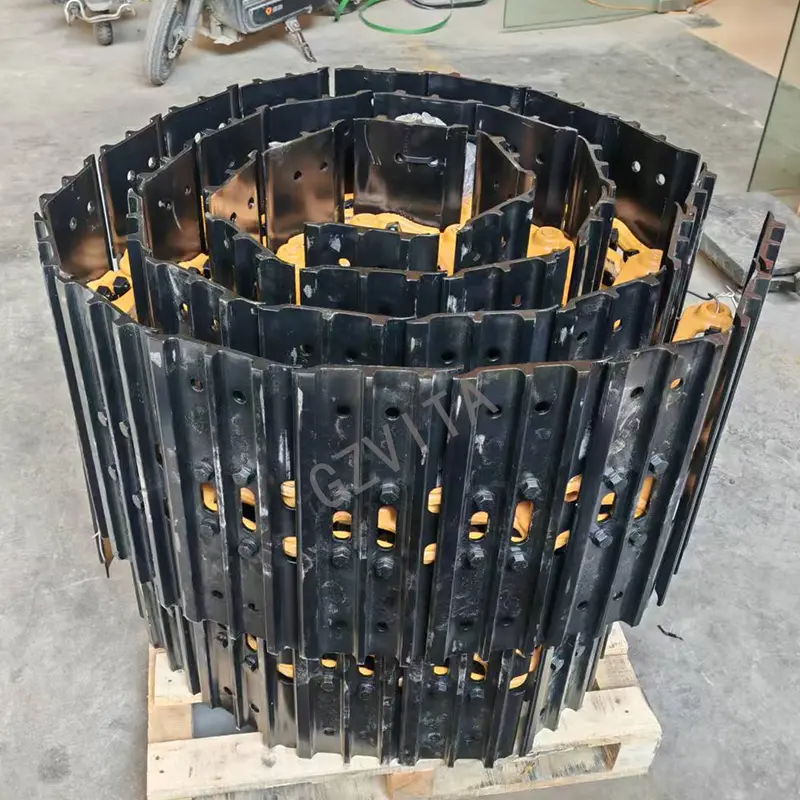
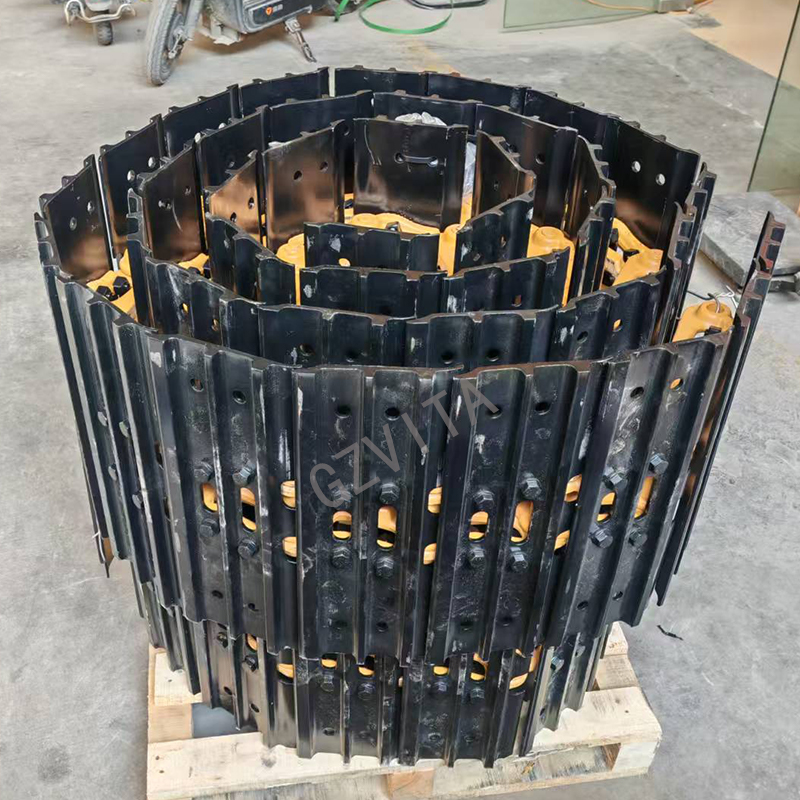
Excavator track link assembly, also known as track chains, are a fundamental component of an excavator’s undercarriage system. They provide the necessary traction and stability for the machine to move across various terrains, making them essential for the performance and efficiency of the excavator.

Key Functions

  • Mobility The primary function of excavator tracks is to enable movement. Unlike wheeled vehicles, tracks distribute the weight of the excavator over a larger surface area, allowing it to traverse soft, uneven, or muddy ground without sinking. This capability is crucial for construction, demolition, and landscaping applications.
  • Traction Tracks provide superior traction compared to wheels, especially on slippery or loose surfaces. The design of the tracks, with their interlocking links and tread patterns, enhances grip and stability, allowing the excavator to climb slopes and navigate challenging terrains effectively.
  • Support and Stability Tracks help support the weight of the excavator and its load, ensuring stability during operation. This is particularly important when the machine is working on inclines or uneven surfaces, as it reduces the risk of tipping or losing balance.

Design and Durability

Excavator tracks are typically made from high-strength steel or rubber, designed to withstand the harsh conditions of construction sites. Steel tracks are more common in heavy-duty applications due to their durability and resistance to wear, while rubber tracks are often used in lighter machines for their quieter operation and reduced ground disturbance.
Key Track Components

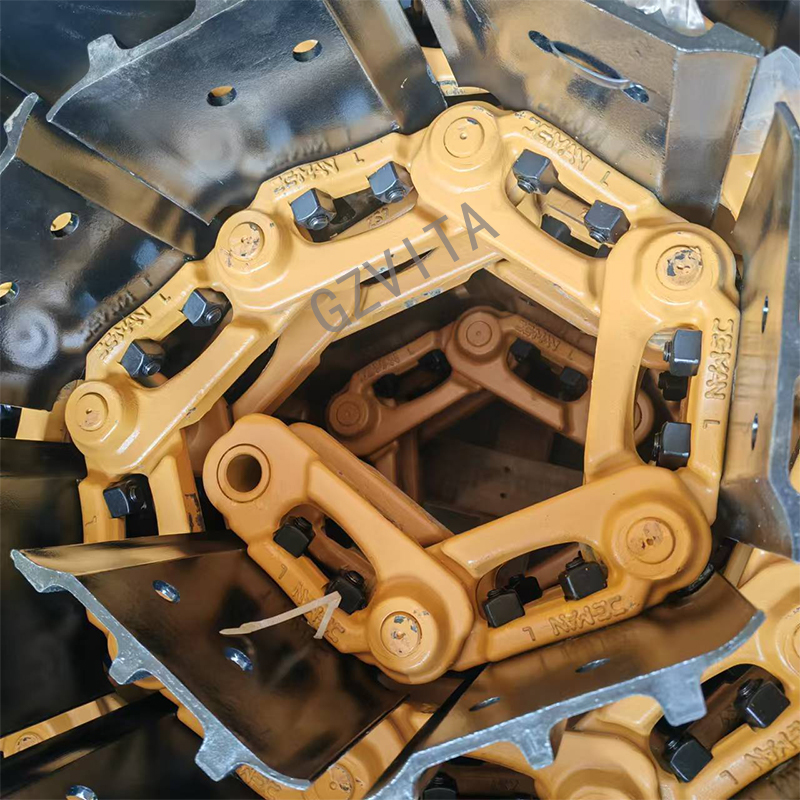
  • Track Links: The individual segments that connect to form the continuous loop of the track.
  • Track Rollers: These support the weight of the excavator and help guide the movement of the tracks.
  • Sprockets: The toothed wheels that engage with the track links, providing the necessary drive to move the excavator.

Maintenance & Care

  • Inspection for Wear: Regularly checking for signs of wear, such as cracks or elongation of the track links.
  • Tension Adjustment: Ensuring that the tracks are properly tensioned to prevent slippage or excessive wear.
  • Cleaning: Keeping the tracks free from debris and mud to maintain optimal performance.

Product Display

Frequently Asked Questions

What is an excavator track link assembly?

An excavator track link assembly, or track chain, is a crucial part of the undercarriage system. It connects the track shoes together to form a continuous chain loop, allowing the excavator to move efficiently and stably across different terrains.

Why are tracks used instead of wheels on excavators?

Tracks distribute the heavy weight of the excavator over a much larger surface area than wheels. This prevents the machine from sinking into soft or muddy ground, provides superior traction, and enhances overall stability on slopes and uneven surfaces.

What is the difference between steel and rubber tracks?

Steel tracks are highly durable, wear-resistant, and ideal for heavy-duty construction sites with rocky or harsh conditions. Rubber tracks are quieter, lighter, and cause less ground disturbance, making them perfect for residential areas, finished surfaces, and lighter machinery.

How often should excavator tracks be inspected?

Regular visual inspections should be conducted daily before operation. Look for signs of wear, such as link elongation, cracks, loose components, and correct tension. Clean out any debris or mud to ensure optimal performance.

What happens if track tension is incorrect?

If the tracks are too loose, they can slip off the sprockets or derail during operation. If they are too tight, it places excessive strain on the undercarriage components, leading to accelerated wear, power loss, and potential mechanical failure.
Related Products