 Vita Construction
1 / 3
Ensure that the engine block and all components are clean. Any dirt or debris can cause damage or misalignment.
Before installation, inspect the crankshaft, bearings, and other related components for wear or damage. Replace any worn or damaged parts.
Apply a suitable engine oil or assembly lube to the crankshaft journals and the bearings before installation. This helps prevent damage during initial startup.
Ensure that the crankshaft is properly aligned with the engine block. Misalignment can lead to premature wear or failure.
Install the main bearings into the engine block and the bearing caps. Ensure they are seated properly and aligned with the oil holes.
Follow the manufacturer's torque specifications for the main bearing caps. Use a torque wrench to ensure that the bolts are tightened to the correct specifications in the proper sequence.
When installing the crankshaft, ensure that it is positioned correctly in relation to the timing marks and any keyways. This is crucial for proper timing and operation.
After installation, manually rotate the crankshaft to ensure it moves freely without binding. This indicates that the bearings are properly seated and aligned.
If applicable, ensure that the oil pump and oil pickup tube are properly installed and aligned with the crankshaft.
Before closing up the engine, double-check all connections, seals, and gaskets to ensure everything is secure and properly installed.
Clean the engine block and ensure all old gasket material is removed.
Place the main bearings in their respective positions in the engine block and the bearing caps.
Carefully lower the crankshaft into the engine block, ensuring it aligns with the main bearings.
Place the bearing caps over the crankshaft and secure them with the bolts. Follow the correct torque sequence and specifications.
If applicable, install the timing gear or chain, ensuring that it is aligned with the crankshaft timing marks.
Continue with the reassembly of the engine, including the oil pan, timing cover, and any other components that were removed.
Once the engine is reassembled, fill it with the appropriate engine oil before starting.
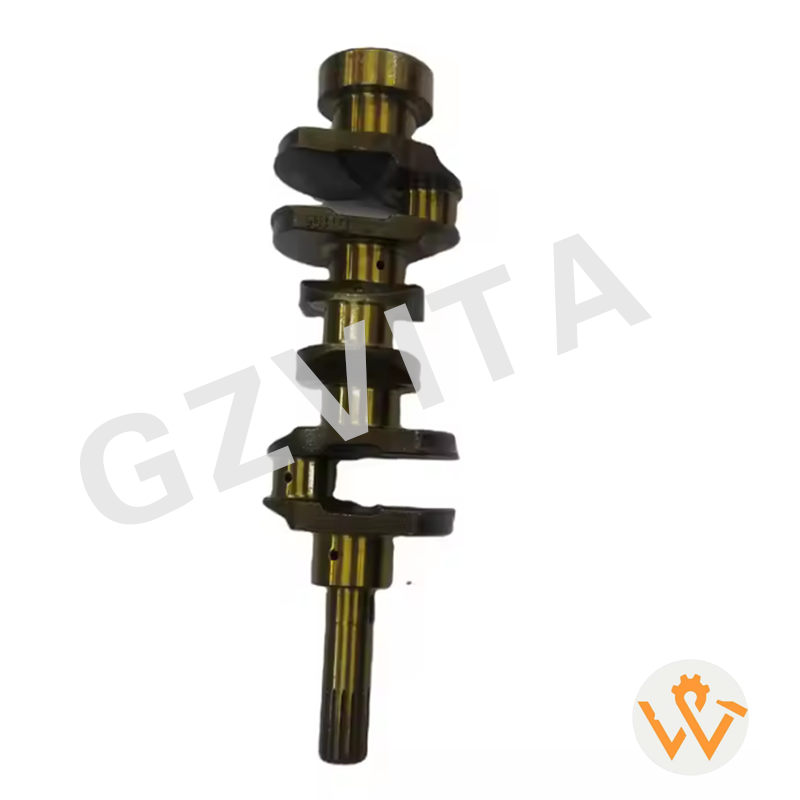
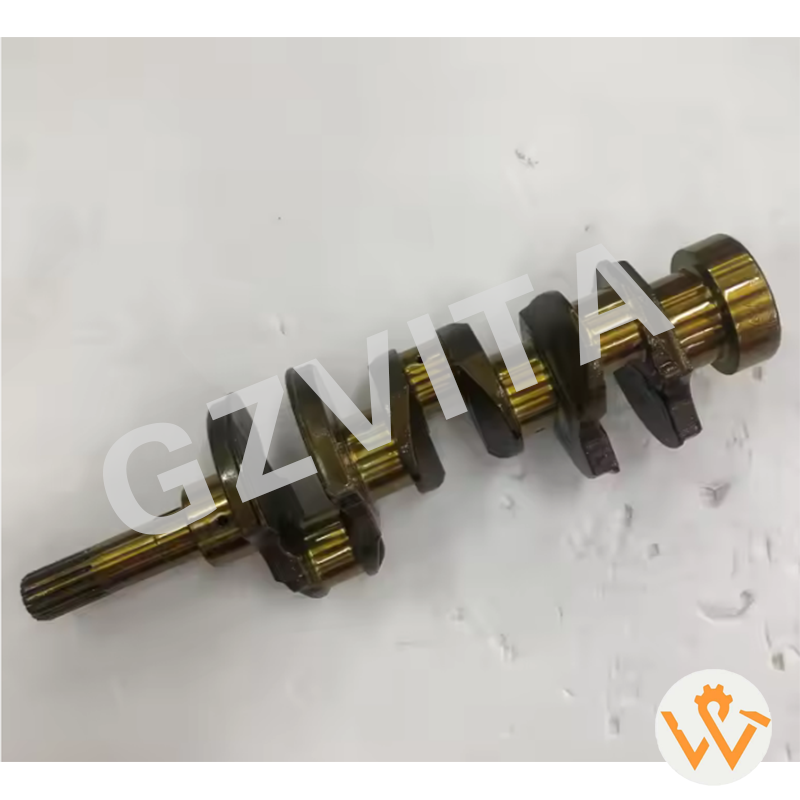
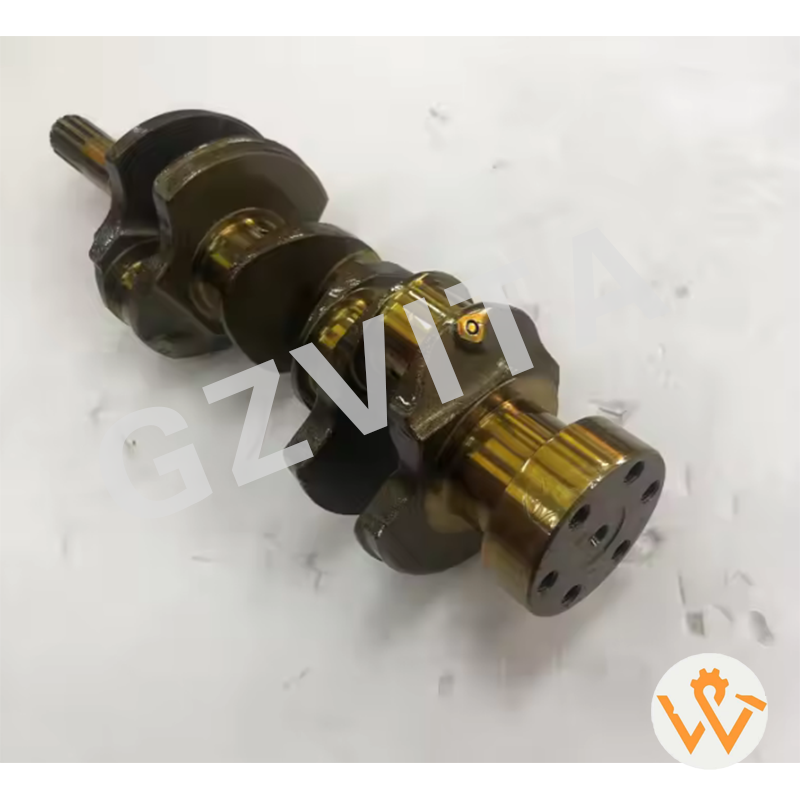
Cleanliness is critical because any dirt, debris, or old gasket material left in the engine block or on the bearings can cause abrasive wear, misalignment, or immediate engine failure during initial operation.
You should apply a suitable, high-quality engine oil or dedicated engine assembly lubricant to the crankshaft journals and bearings to prevent metal-on-metal wear during the engine's initial dry startup.
The main bearing caps must be tightened using a torque wrench according to the manufacturer's exact torque specifications and in the recommended tightening sequence to ensure even load distribution.
You should manually rotate the crankshaft to ensure it turns freely without any binding or tight spots, which confirms the bearings are aligned and properly seated.
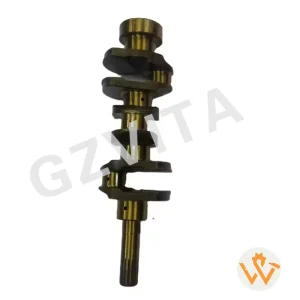
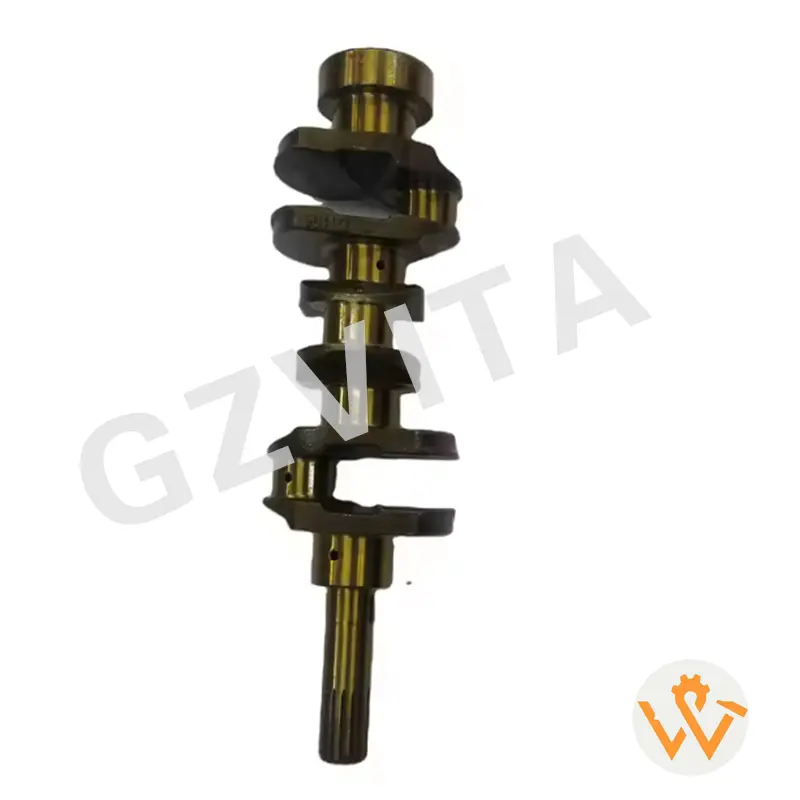
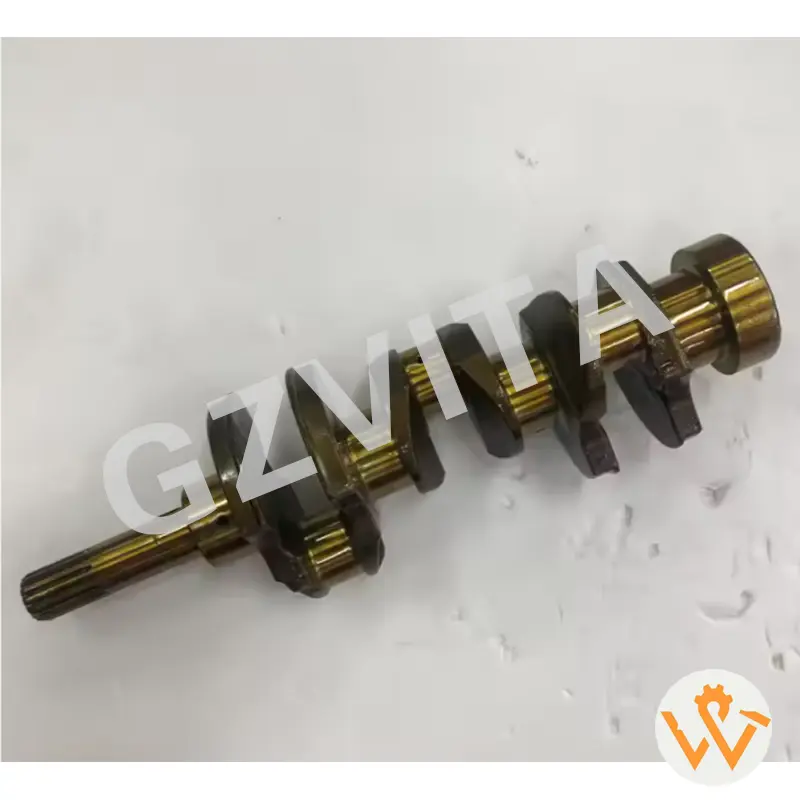
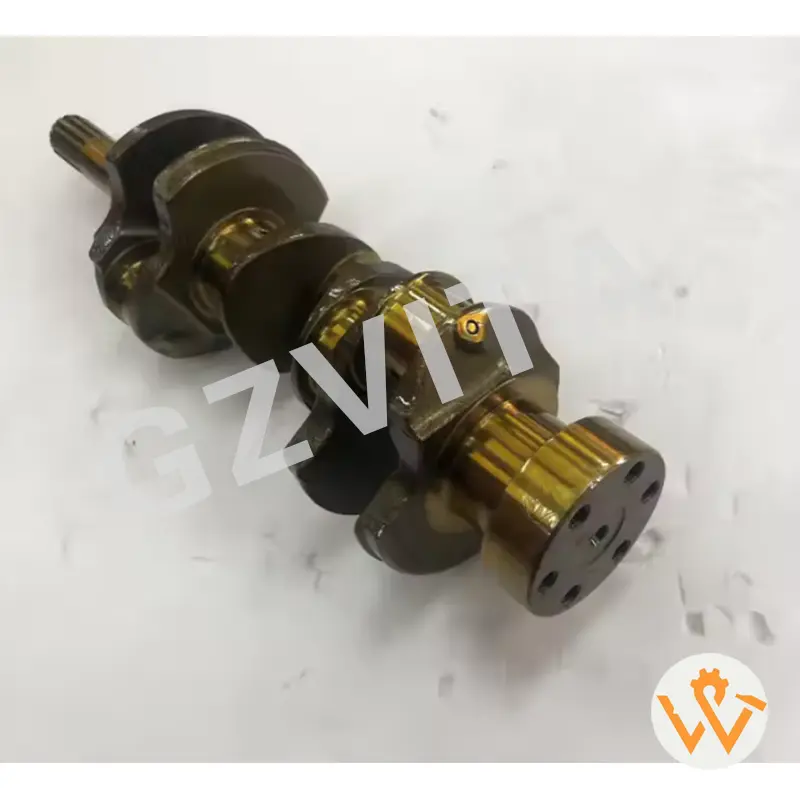
This specific crankshaft (part number 1G065-23010 / 16265-23013) is designed to be compatible with Kubota D1105 diesel engines.