 Vita Construction
1 / 4
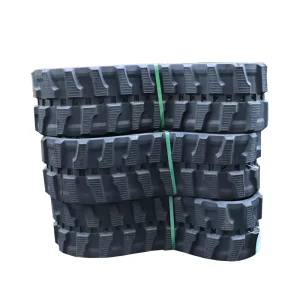
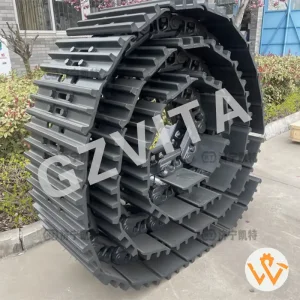
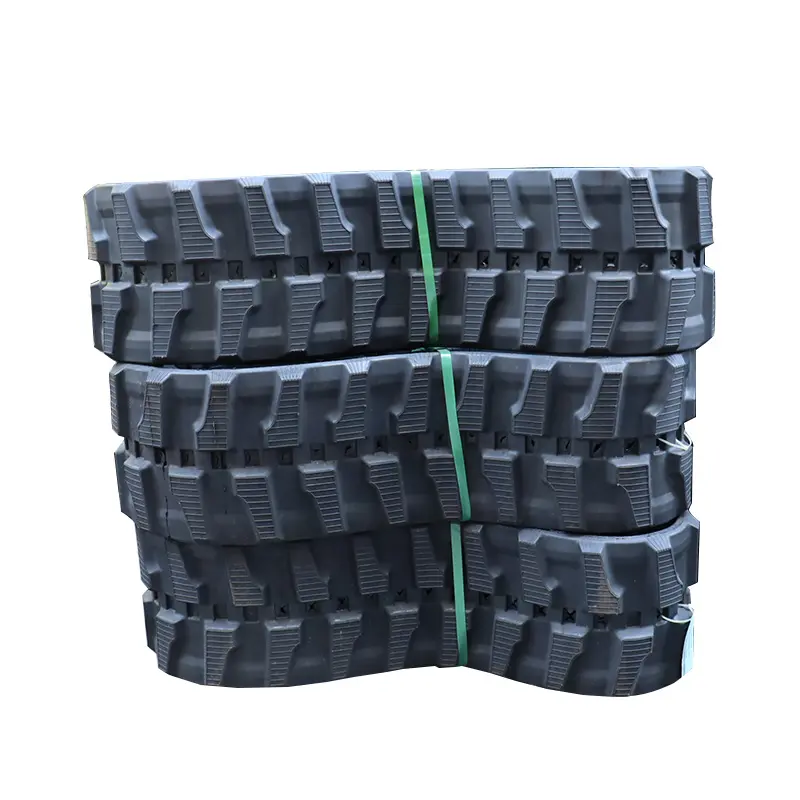
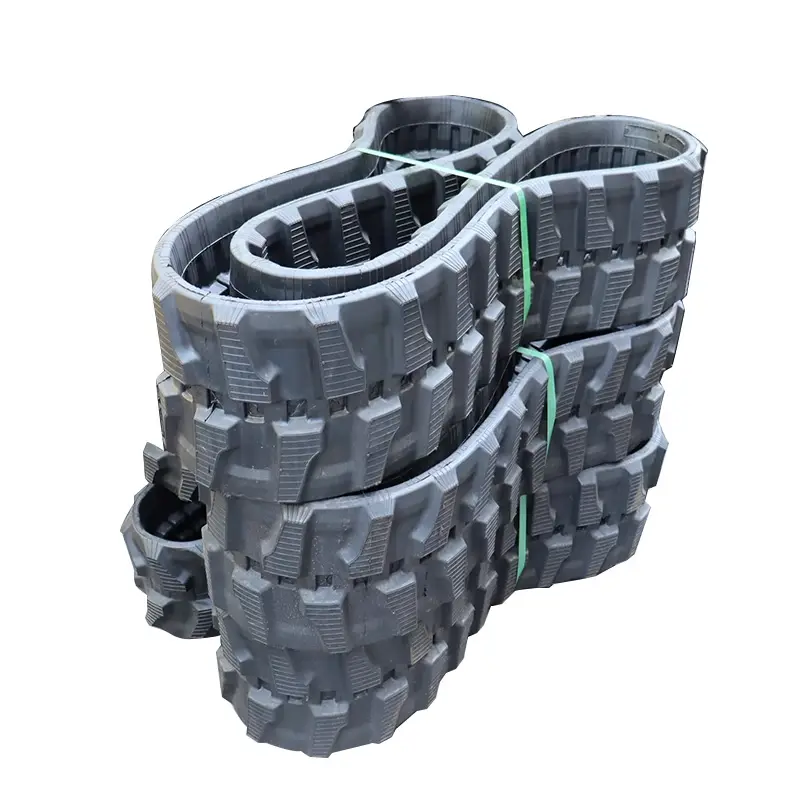
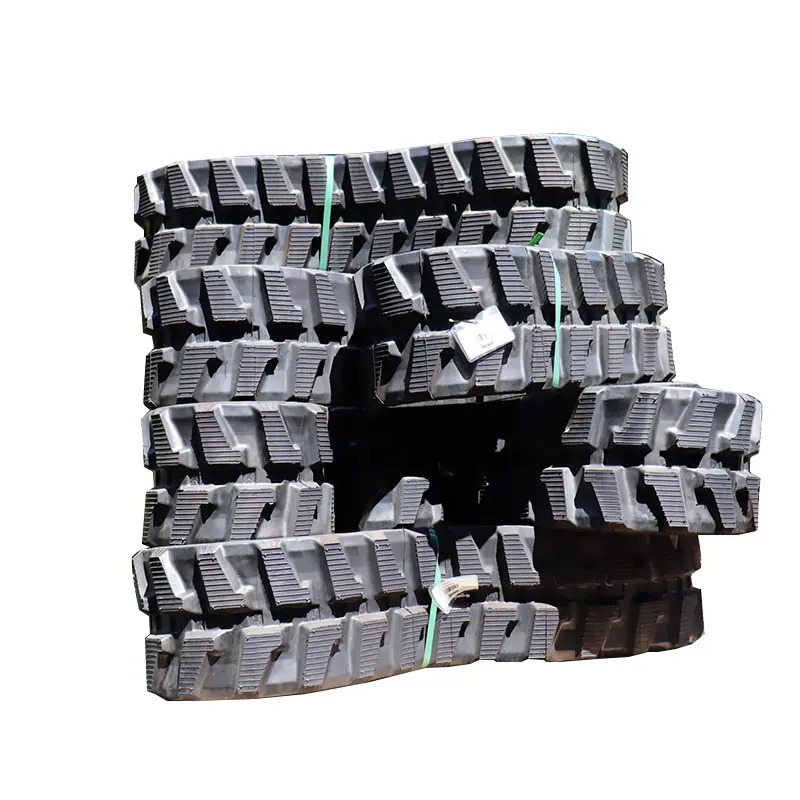
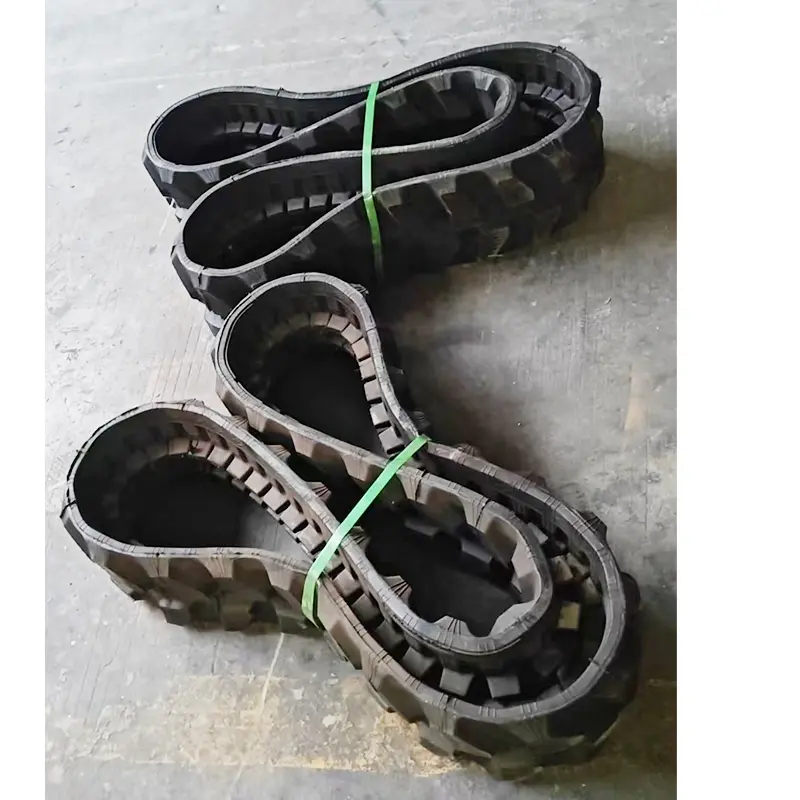
Rubber tracks are a critical component in many types of machinery, particularly in excavators, mini-excavators, and other construction equipment. They provide several advantages over traditional steel tracks and wheels, making them an essential feature for various applications. In this blog, we will explore the importance of rubber tracks in machinery, focusing on their benefits, applications, and maintenance considerations.
Rubber tracks are widely used in various types of machinery, including:
To ensure the longevity and performance of rubber tracks, regular maintenance is essential. Key maintenance practices include:
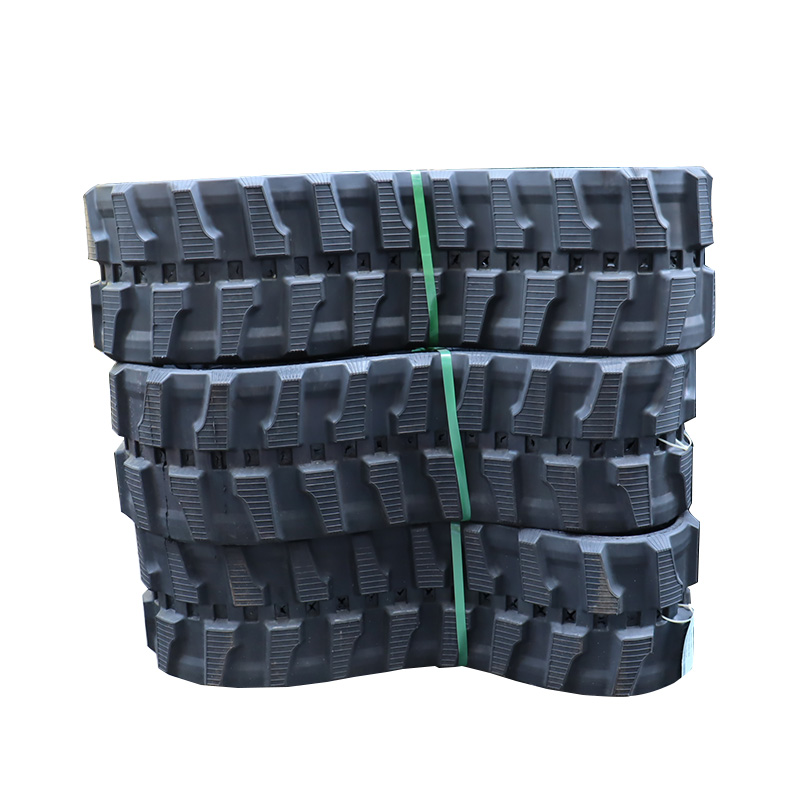
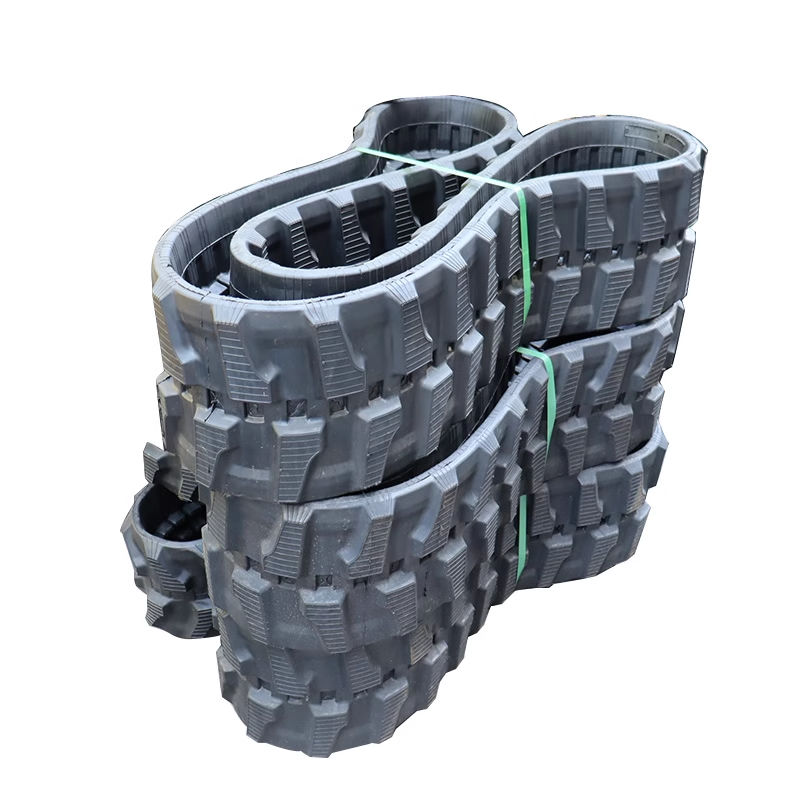
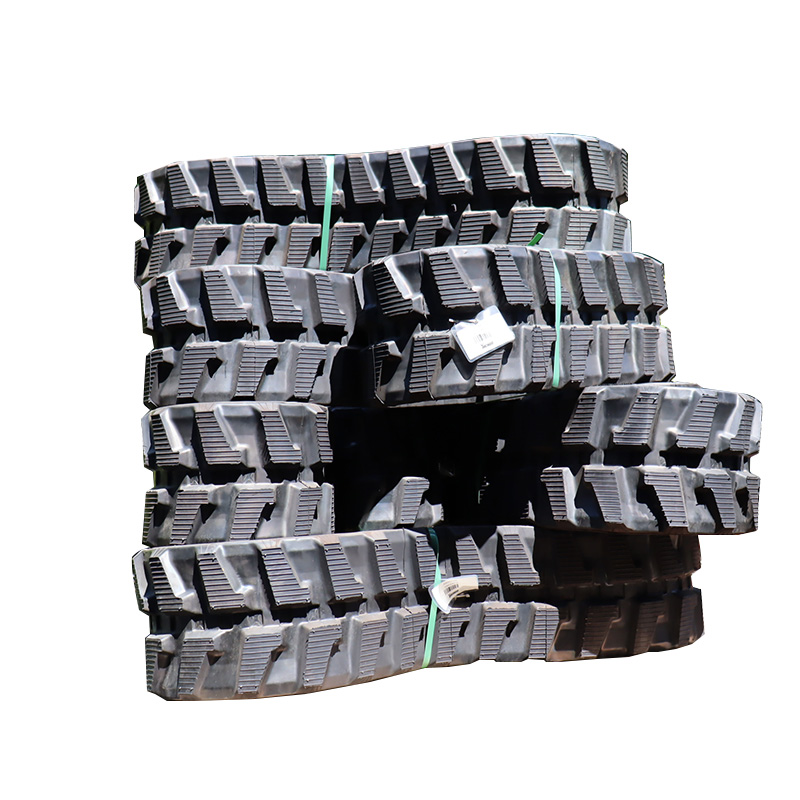
Rubber tracks offer superior traction on soft terrains, distribute machine weight more evenly to reduce ground pressure, minimize surface damage, generate less noise, and provide a much smoother ride for operators compared to steel tracks.
They are widely used in construction, landscaping, and agricultural machinery, including excavators, mini-excavators, skid steer loaders, tractors, and harvesters.
Incorrect tension is a major cause of premature track wear. Over-tensioning increases wear on the track and undercarriage components, while loose tracks can derail, leading to immediate damage.
Machinery with rubber tracks should be stored in a cool, dry indoor environment. Prolonged exposure to direct UV sunlight and extreme heat can degrade the rubber material over time.
By spreading the weight of heavy equipment over a larger surface footprint, rubber tracks lower ground pressure, thereby minimizing soil compaction and avoiding damage to turf, lawns, and asphalt.