 Vita Construction
1 / 3
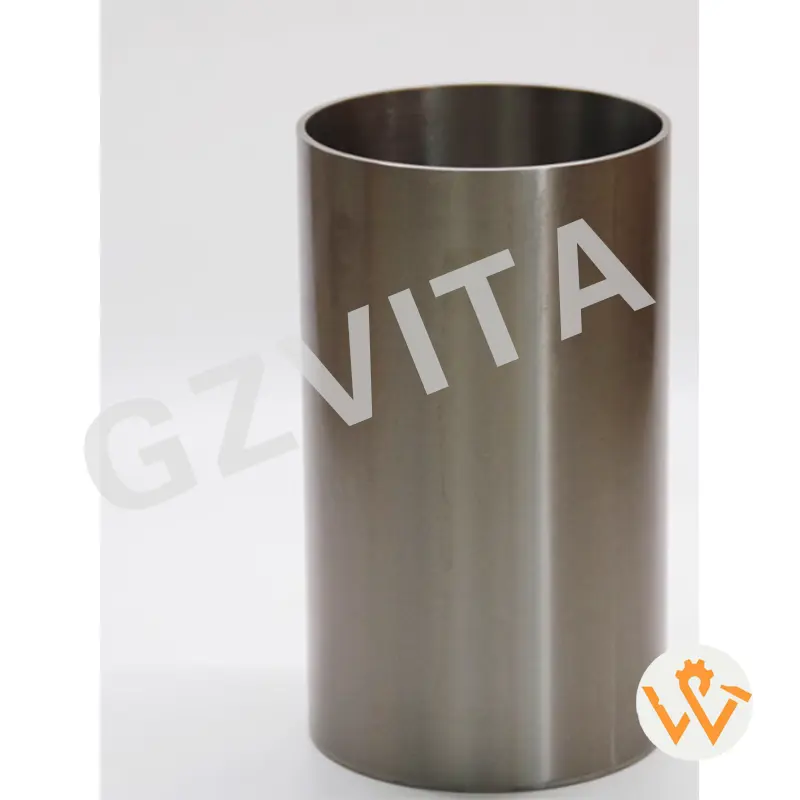
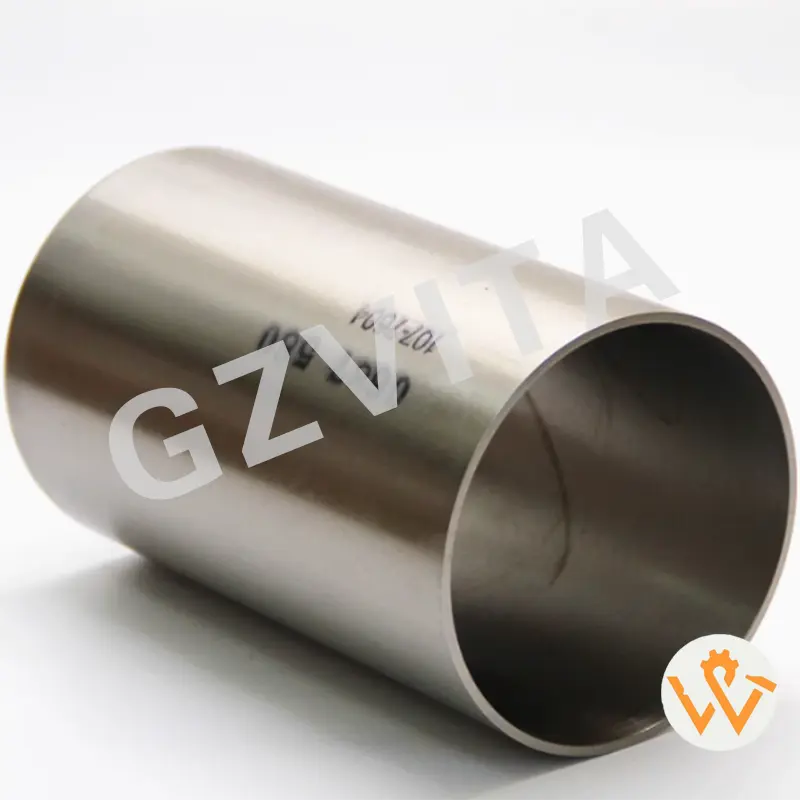
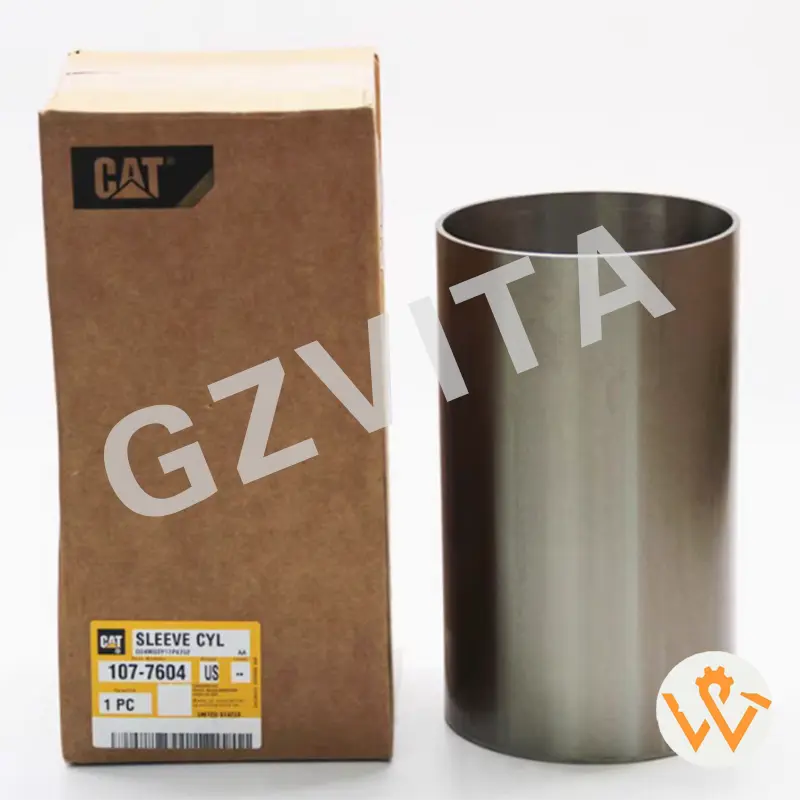
Engine liners, also known as cylinder liners or cylinder sleeves, are critical components in internal combustion engines. They serve several important functions and are designed to enhance the performance and longevity of the engine. Engine liners are cylindrical components that fit into the engine block and provide a surface for the pistons to move within. They can be either integral (cast as part of the engine block) or removable (inserted into the block). Liners are typically made from materials such as cast iron or aluminum, often with a wear-resistant coating.
Engine liners provide a smooth, durable surface for the pistons to slide against during the combustion cycle. This helps maintain proper alignment and reduces friction.
Liners help dissipate heat generated during combustion, which is crucial for maintaining optimal engine temperatures and preventing overheating.
The materials used for liners are designed to withstand the wear and tear from constant movement and high temperatures. This extends the life of the engine and maintains performance.
Liners help create a seal between the combustion chamber and the engine block, preventing the escape of combustion gases and the entry of contaminants.
Removable liners allow for easier repairs and replacements. If a liner becomes worn or damaged, it can be replaced without needing to replace the entire engine block.
These liners are surrounded by coolant, which helps with heat dissipation. They are often used in engines that require efficient cooling.
These liners do not have coolant flowing around them and are typically used in high-performance engines where weight savings are critical.
These are cast as part of the engine block and cannot be removed. They are common in many modern engines.
These can be replaced independently of the engine block, making maintenance easier.
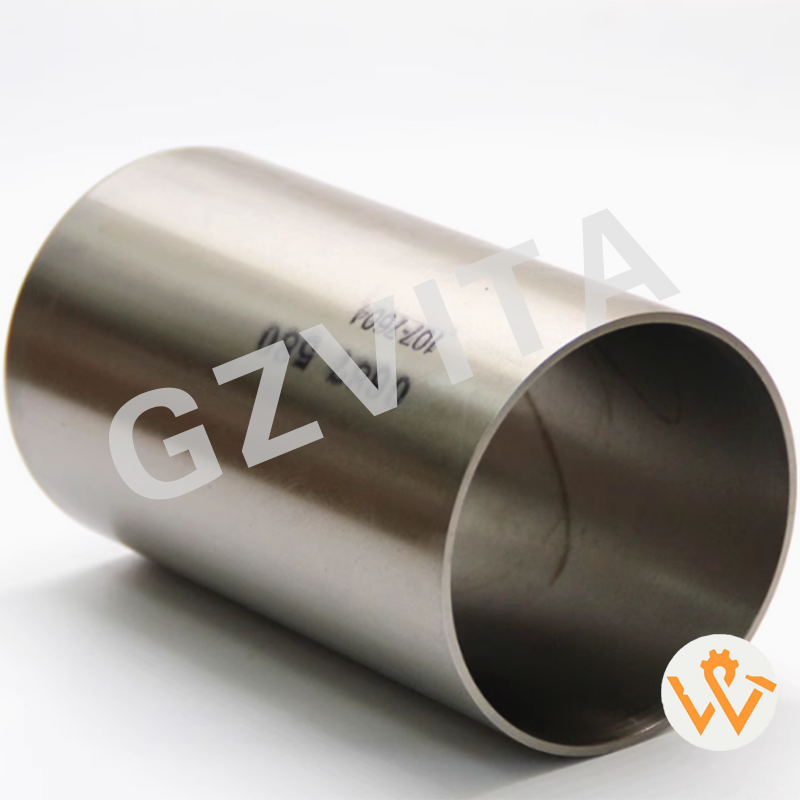
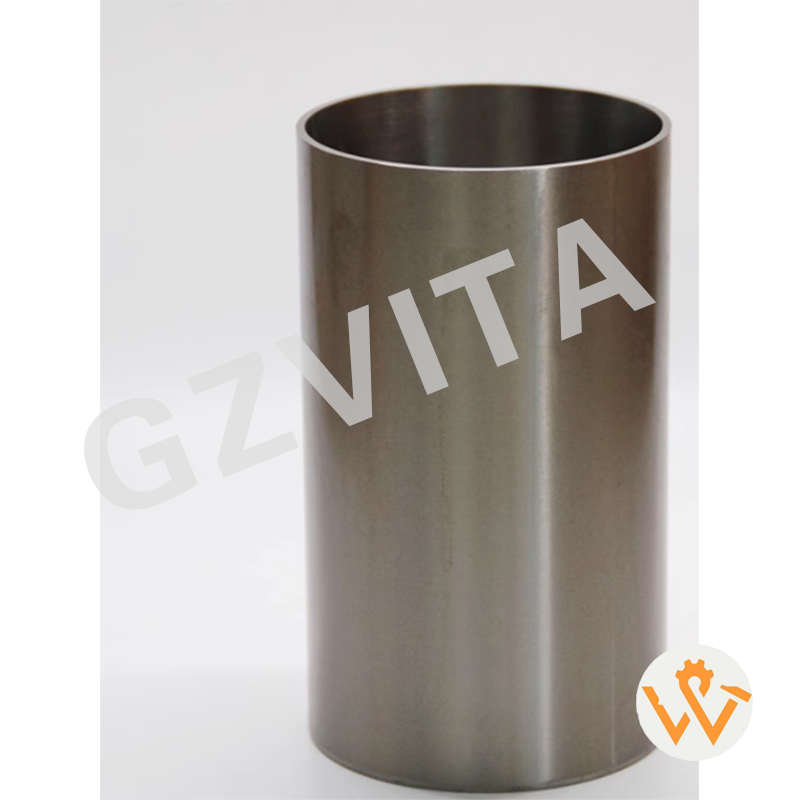
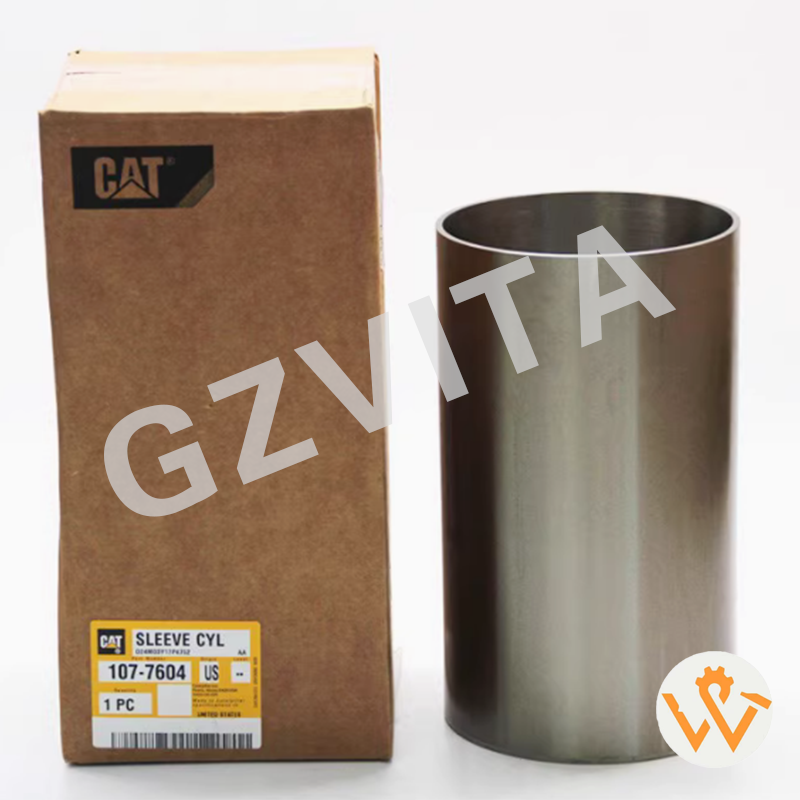
Engine liners (also known as cylinder sleeves) are durable cylindrical components that fit directly into the engine block. They provide a smooth and resistant inner surface for the pistons to slide against during the combustion cycle.
Engine liners are typically manufactured from wear-resistant materials like cast iron or aluminum, often featuring specialized protective coatings to withstand extreme friction and high operational temperatures.
Wet liners are designed to be in direct contact with the engine's coolant liquid to maximize heat dissipation efficiency. Dry liners do not contact the coolant flow directly and are generally utilized in high-performance configurations where saving weight is critical.
Removable liners provide engine modularity. If a cylinder sleeve becomes worn or damaged, it can be individually pulled out and replaced without having to replace or machine the entire engine block, making maintenance much simpler and more cost-effective.
Liners help create a secure seal between the engine block and the combustion chamber. This seal prevents combustion gases from escaping into the block and keeps external contaminants from entering the combustion area.