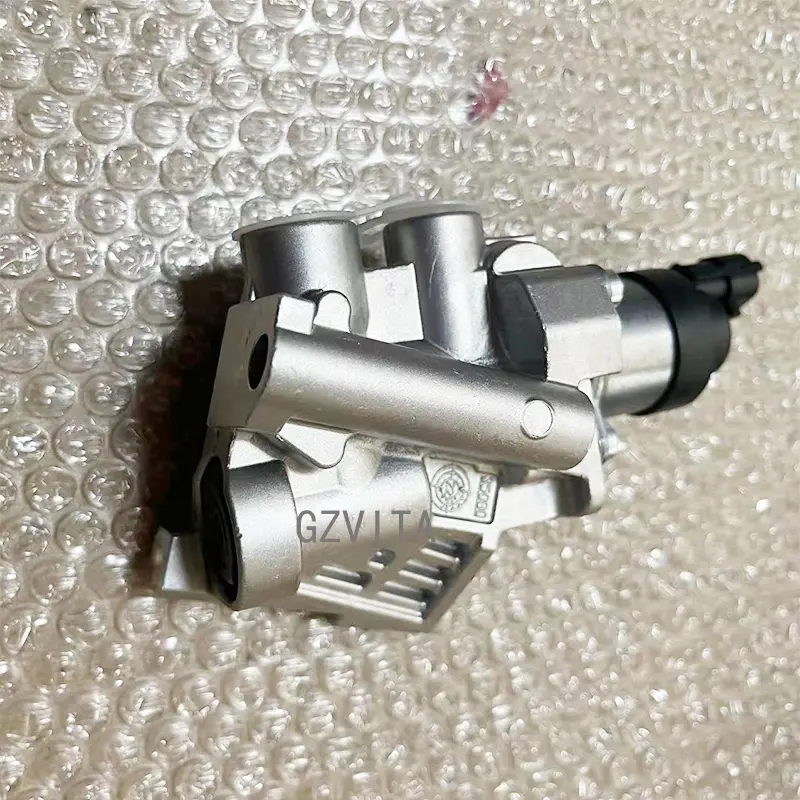
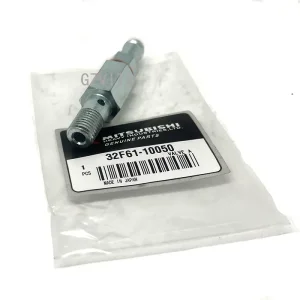
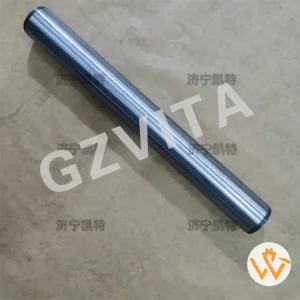
Wholesale Original Fuel Control Valve For Excavator EC290B EC210 Engine D7E VOE21103266 Factory, Company

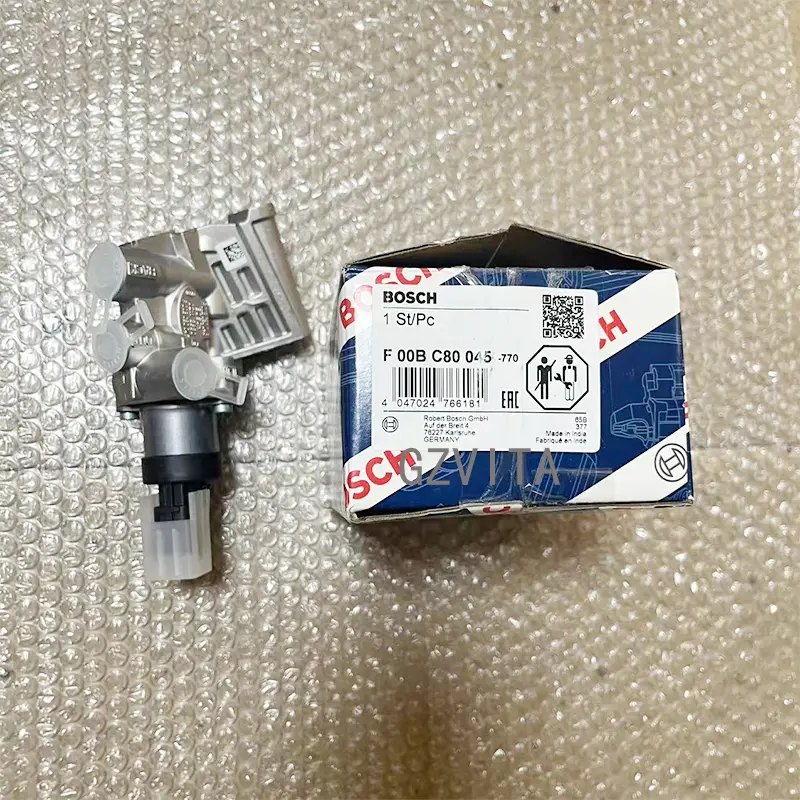
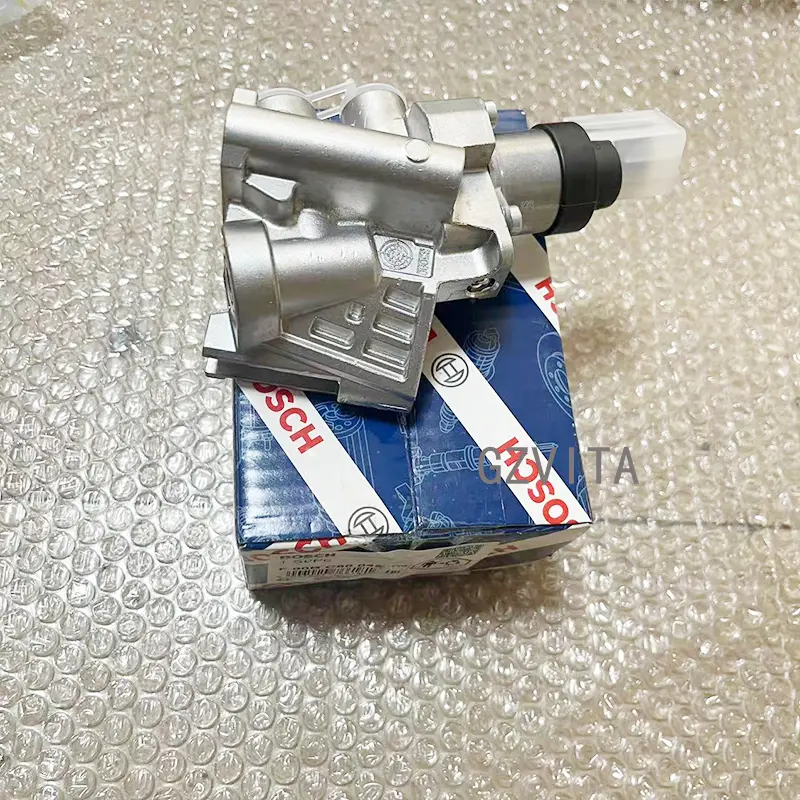
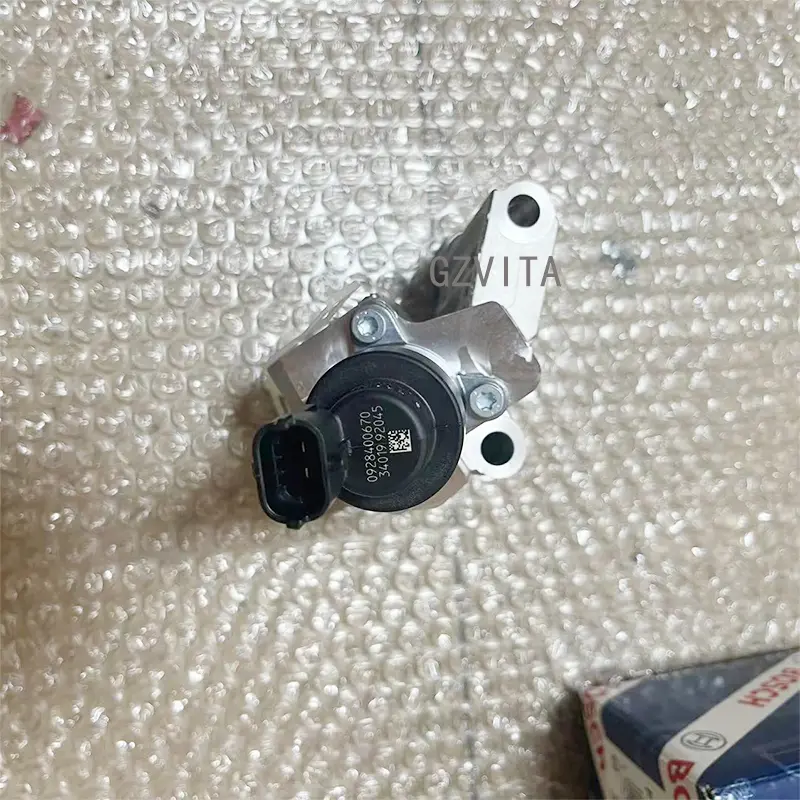
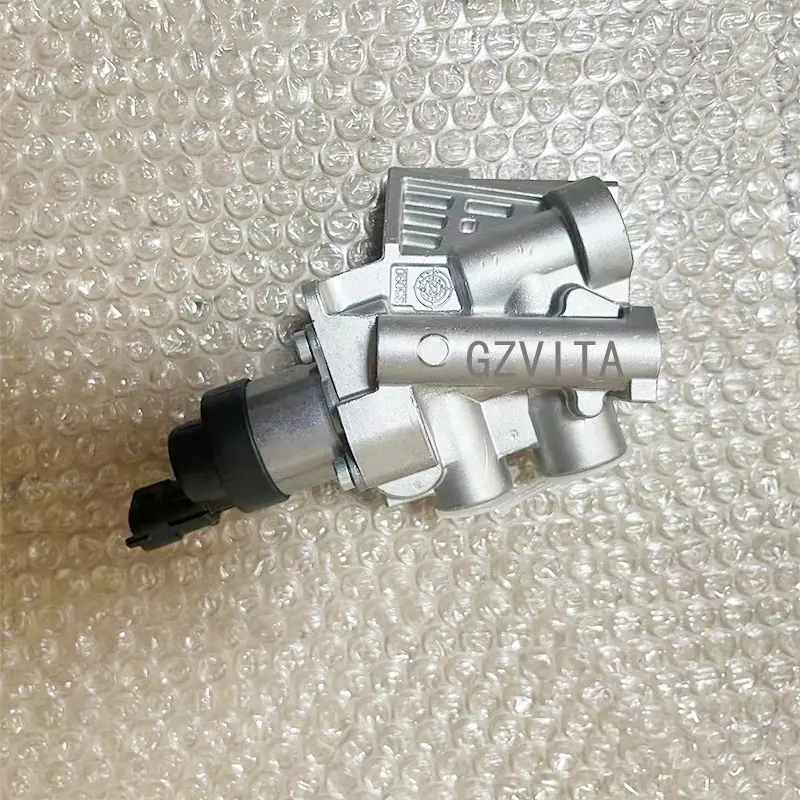
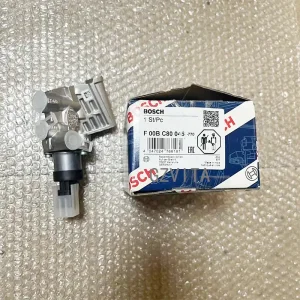
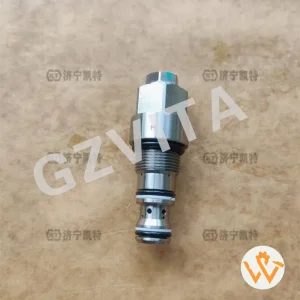
1.Product name:Fuel control valve

2.Part number:VOE21103266

3.Compatible for:EC290B EC210

4.Leading time:2-3 days

5.Packing way:Neutral packing or Original brand packing

Product Description

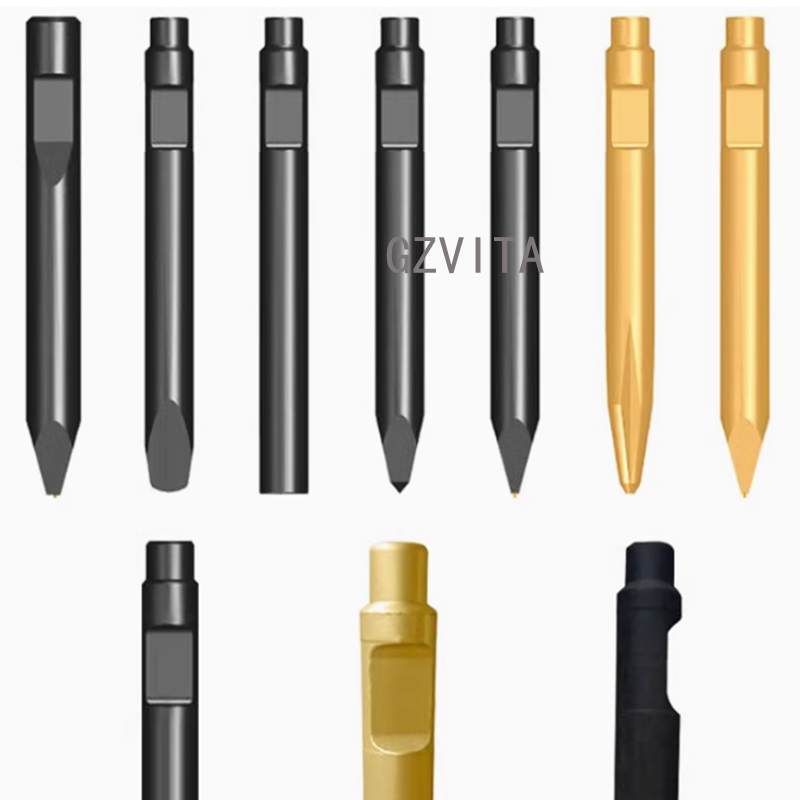
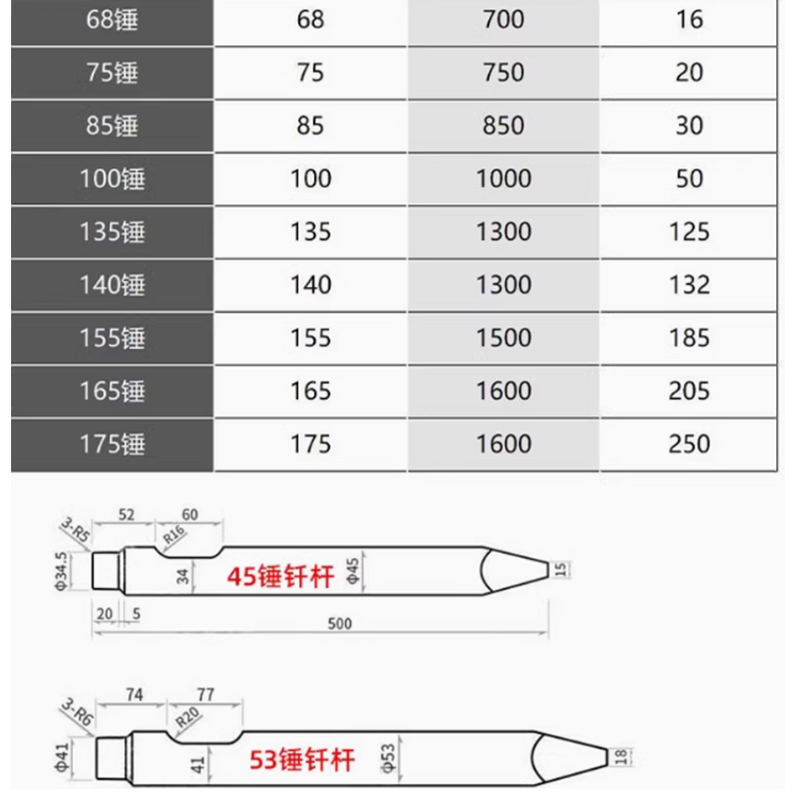
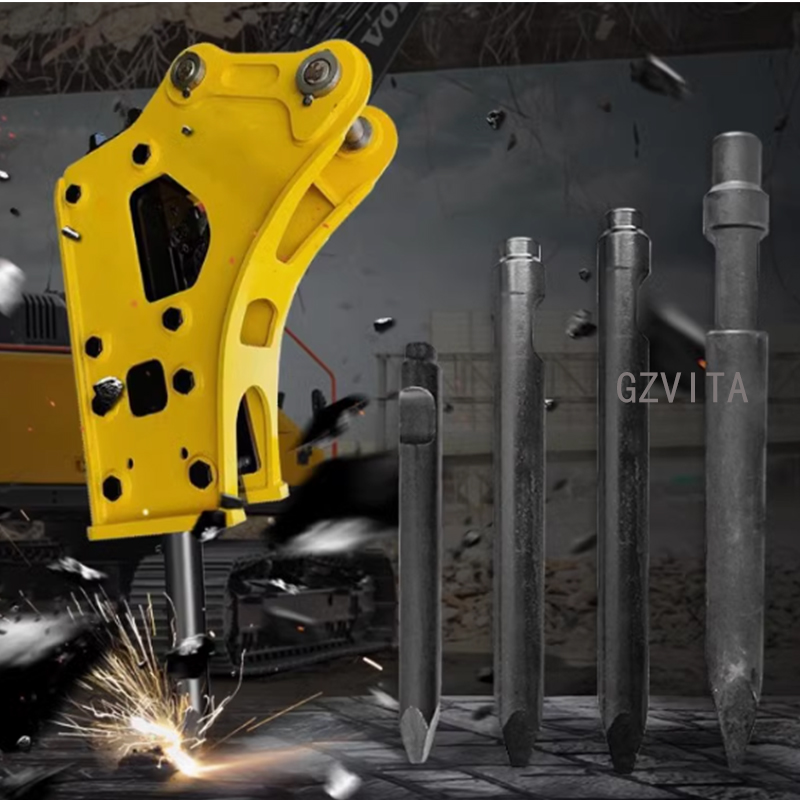
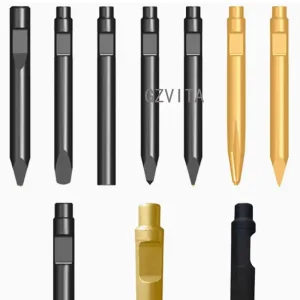
Introduction to Breaker Drill Rods

A fuel control valve is a critical component in various fuel systems, particularly in automotive, aerospace, and industrial applications. Its primary function is to regulate the flow of fuel to the engine or combustion system, ensuring optimal performance, efficiency, and emissions control.

Key Functions of a Fuel Control Valve

  • Flow Regulation: The valve adjusts the amount of fuel entering the engine based on demand. This is essential for maintaining the correct air-fuel ratio, which is crucial for efficient combustion.
  • Pressure Management: It helps maintain the appropriate fuel pressure within the system, which is vital for the proper functioning of fuel injectors and other components.
  • Response to Engine Conditions: Modern fuel control valves are often electronically controlled, allowing them to respond dynamically to changes in engine load, speed, and temperature. This adaptability enhances performance and fuel efficiency.
  • Emissions Control: By optimizing fuel delivery, the valve plays a significant role in reducing harmful emissions, helping vehicles meet regulatory standards.
  • Safety Features: Many fuel control valves are designed with safety mechanisms to prevent fuel leaks and ensure that the system operates within safe parameters.

Types of Fuel Control Valves

  • Mechanical Fuel Control Valves: These are typically found in older vehicles and operate based on mechanical linkages and pressure differentials.
  • Electronic Fuel Control Valves: Common in modern vehicles, these valves use electronic signals from the engine control unit (ECU) to adjust fuel flow precisely.
  • Variable Geometry Fuel Control Valves: These advanced systems can change their geometry to optimize fuel flow under varying conditions, improving efficiency and performance.

Applications

  • Automotive Engines: Fuel control valves are integral to both gasoline and diesel engines, ensuring efficient fuel delivery.
  • Aerospace: In aircraft, fuel control valves manage fuel flow to engines, contributing to performance and safety.
  • Industrial Equipment: Many industrial machines rely on fuel control valves to optimize fuel usage and reduce emissions.

Product Display

Breaker Drill Rods1

Breaker Drill Rods1

Breaker Drill Rods2

Breaker Drill Rods2

Breaker Drill Rods3

Breaker Drill Rods3

Frequently Asked Questions

What does a fuel control valve do?
A fuel control valve regulates the flow and pressure of fuel delivered to an engine or combustion system. This ensures the correct air-fuel mixture is maintained for clean and efficient combustion.
Why is a fuel control valve important for environmental compliance?
By dynamically optimizing the delivery of fuel, the control valve helps minimize harmful exhaust emissions, enabling automotive, aerospace, and industrial engines to comply with environmental regulations.
How do electronic fuel control valves differ from mechanical ones?
Mechanical valves rely on physical linkages and pressure variations to operate. Electronic valves receive signals directly from an Engine Control Unit (ECU) for real-time, precision-controlled adjustments.
What are variable geometry fuel control valves?
These are advanced valves that can dynamically change their internal structure to adjust fuel flow pathways. This improves the performance and fuel efficiency of high-demand systems under varying load conditions.
Where are fuel control valves commonly applied?
They are used extensively in automotive applications (gasoline and diesel vehicles), aerospace engineering (managing fuel flow to aircraft engines), and various industrial machinery requiring optimized combustion processes.

Related Products