 Vita Construction

1 / 2
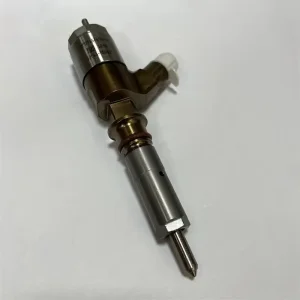
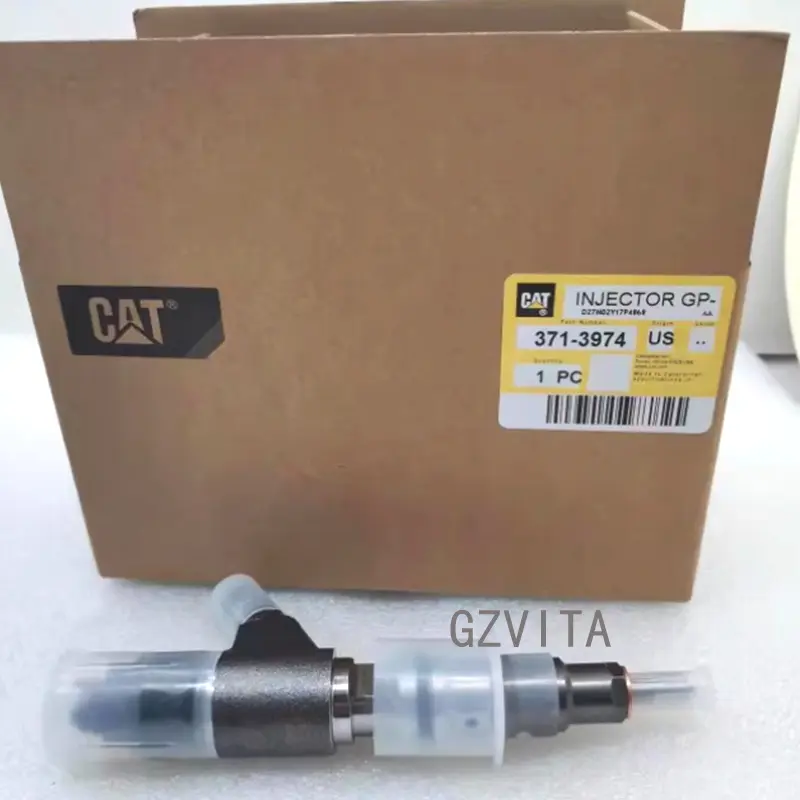
Common rail injectors play a critical role in modern diesel engines, including those used in heavy machinery such as excavators, bulldozers, and other construction equipment. Here’s an overview of their importance and function:
Common rail injectors are part of a common rail fuel injection system that delivers fuel at high pressure to the injectors. This allows for precise control over the amount of fuel injected into the combustion chamber.
They enable multiple injection events per cycle, which improves combustion efficiency and reduces emissions.
Common rail injectors atomize the fuel into very fine droplets, promoting better mixing with air and leading to more complete combustion. This results in increased power output and reduced fuel consumption.
The ability to control the timing and duration of fuel injection allows for optimization of the combustion process, enhancing engine performance.
By improving combustion efficiency and enabling more complete burning of fuel, common rail injectors help reduce harmful emissions, such as nitrogen oxides (NOx) and particulate matter (PM), which are critical for meeting environmental regulations.
Many modern machinery engines are designed to meet stringent emissions standards, and common rail injectors are essential for achieving compliance.
The precise control of fuel injection allows for better power delivery and torque characteristics, which are essential for heavy machinery that requires high performance under varying loads.
Common rail systems contribute to smoother engine operation, reducing vibrations and improving overall operator comfort.
Common rail injectors can adapt to different operating conditions, such as varying loads and speeds, ensuring optimal performance across a range of scenarios.
They can handle a variety of fuel qualities, which is important for machinery that may operate in different environments and fuel availability.
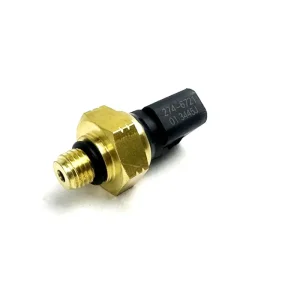
Many common rail systems include sensors that monitor fuel pressure, temperature, and injector performance. This data can be used for diagnostics and maintenance, helping to prevent issues before they lead to significant problems.
The system can make real-time adjustments to fuel delivery based on engine conditions, further enhancing efficiency and performance.
It delivers fuel under high pressure directly to the engine's combustion chamber. This electronic control system enables multiple, precise injections per cycle to improve power output, optimize timing, and reduce fuel consumption.
By atomizing fuel into very fine droplets, it achieves a cleaner and more complete combustion process. This significantly lowers nitrogen oxide (NOx) and particulate matter (PM) emissions, helping heavy machinery comply with local environmental standards.
Yes. The system utilizes real-time sensor data to continuously adjust fuel pressure, volume, and injection timing, ensuring optimal performance under variable heavy loads and operating conditions typical of construction environments.
Construction machinery often operates in remote locations where fuel quality varies. Modern common rail systems are built to tolerate a range of fuel conditions, protecting the engine from unstable performance or damage.
Sensors monitor pressure, fuel temperature, and injector status in real time. Any deviations trigger diagnostic codes, allowing operators and maintenance teams to identify and resolve issues before they escalate into major engine failures.