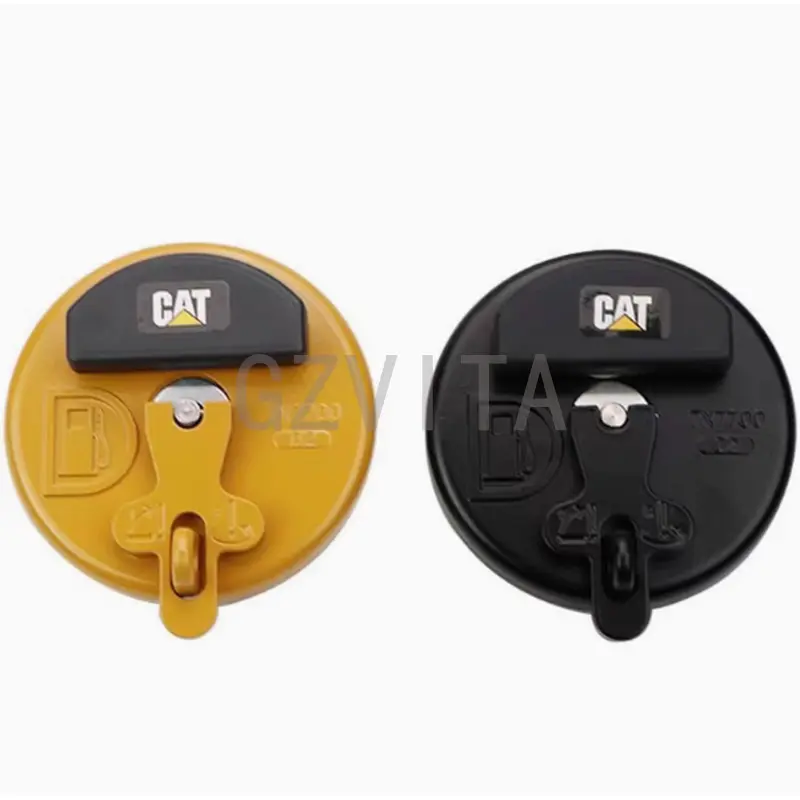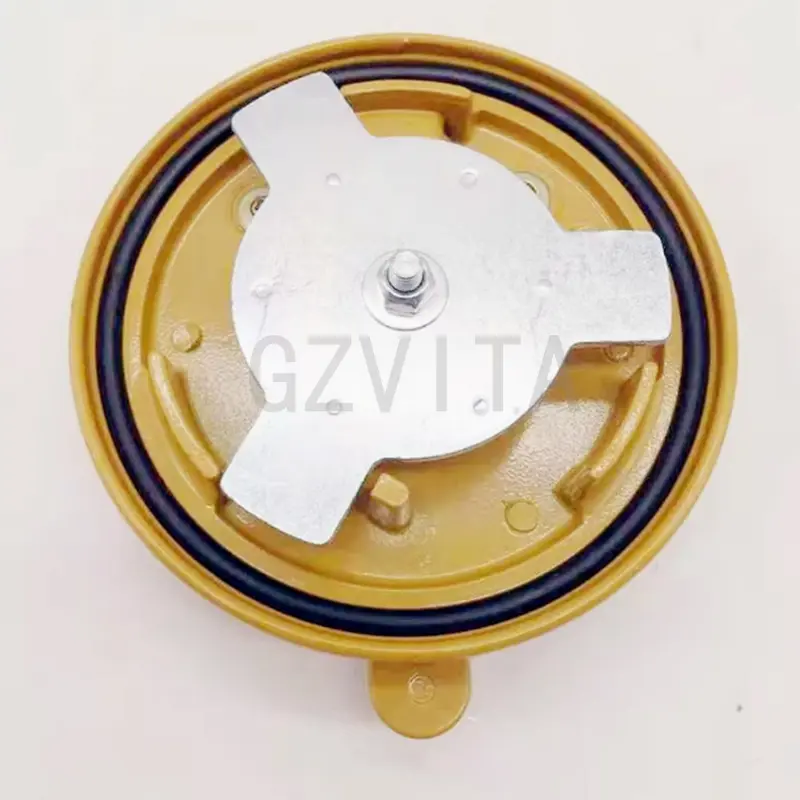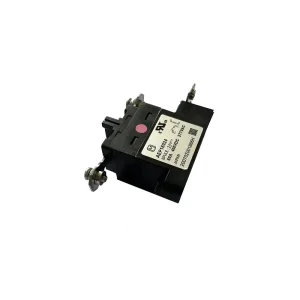
High-Quality Fuel Tank Cover Cap 7X-7700 349-7059 For CAT320 /312/349/336 R1700G Factories, Companies

1.Product name:Fuel Tank Cover Cap/Diesel Oil Tank Cover Cap

2.Part number:7X7700 / 3497059

3.Compatible for: CAT320C 320D 320GC CAT336GC CAT312/313/349

4.Leading time:In stock

5.Packing way:Neutral packing

Product Description

Introduction to Caterpillar Excavator Fuel Cap

The fuel cap on a Caterpillar excavator is a crucial component that serves several important functions. Here's an overview of its purpose, features, and maintenance considerations:

Purpose of the Fuel Cap
Sealing the Fuel Tank

The primary function of the fuel cap is to seal the fuel tank, preventing fuel from spilling and protecting it from contaminants such as dirt, dust, and water.

Maintaining Pressure

Many modern excavators, including Caterpillar models, have fuel systems designed to maintain a certain level of pressure. The fuel cap helps regulate this pressure, ensuring optimal fuel delivery to the engine.

Safety

The fuel cap is designed to prevent unauthorized access to the fuel tank, reducing the risk of theft or tampering. It also helps prevent fuel evaporation, which can be a safety hazard.

Ventilation

Some fuel caps are equipped with a venting mechanism that allows air to enter the tank as fuel is consumed. This prevents a vacuum from forming, which could impede fuel flow to the engine.
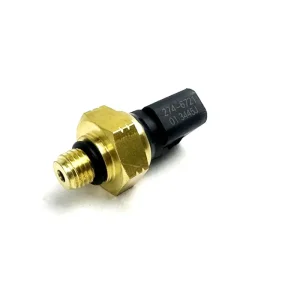
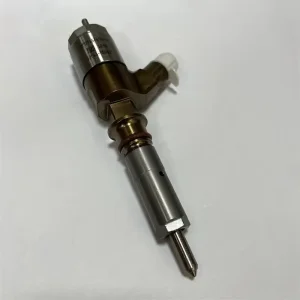
Features of Caterpillar Excavator Fuel Caps
  • Durable Construction: Caterpillar fuel caps are typically made from high-quality materials that can withstand harsh operating conditions, including exposure to fuel, heat, and environmental elements.
  • Easy to Use: Most fuel caps are designed for easy installation and removal, often featuring a hand grip or a twist-lock mechanism.
  • Integrated Safety Features: Many Caterpillar fuel caps come with safety features such as a locking mechanism or a tether to prevent loss.
  • Compatibility: Caterpillar offers fuel caps that are specifically designed for various models of excavators, ensuring a proper fit and function.
Maintenance Considerations
  • Regular Inspection: Periodically check the fuel cap for signs of wear, damage, or cracks. A damaged cap can lead to fuel leaks or contamination.
  • Cleanliness: Keep the area around the fuel cap clean to prevent dirt and debris from entering the fuel tank when the cap is removed.
  • Proper Sealing: Ensure that the fuel cap is properly tightened after refueling to maintain a secure seal and prevent leaks.
  • Replacement: If the fuel cap is damaged or does not seal properly, it should be replaced immediately to avoid potential issues with fuel delivery and contamination.
  • Follow Manufacturer Guidelines: Always refer to the Caterpillar excavator's owner's manual for specific instructions regarding the fuel cap and any maintenance recommendations.
Frequently Asked Questions
What are the primary functions of a Caterpillar excavator fuel cap?
The fuel cap seals the fuel tank to prevent leaks and block contaminants like dust and water. It also helps maintain proper fuel system pressure, prevents unauthorized access, and provides necessary ventilation to avoid vacuum buildup.
How does the fuel cap help maintain fuel system pressure?
Caterpillar excavators rely on regulated pressure for optimal fuel delivery. The fuel cap is engineered to help maintain this pressure standard, ensuring stable engine performance and efficient fuel flow.
Why is ventilation in the fuel cap important?
As the engine consumes fuel, the volume of liquid in the tank drops. A venting mechanism in the cap allows air to enter, preventing a vacuum from forming which could otherwise restrict fuel delivery to the engine.
What materials and features make Caterpillar fuel caps durable?
Caterpillar fuel caps are built from high-grade materials resistant to chemical fuel exposure, extreme engine heat, and harsh weather. They often include ergonomic hand grips, twist-lock connections, or tethers to prevent the cap from getting lost.
When should I replace the excavator fuel cap?
The fuel cap should be replaced immediately if it shows visible cracks, damage, wear, or if it fails to create a tight, secure seal. Damaged caps can lead to contaminated fuel systems and costly engine issues.

Related Products