In the world of hydraulic systems, the arm cylinder plays a crucial role. Choosing the right arm cylinder model can significantly impact machinery performance. This guide dives into the top arm cylinder models projected for 2026, highlighting key options for buyers globally.
Understanding the specifications and applications of various arm cylinder models is essential for informed decisions. Different industries demand different characteristics. Buyers may face challenges when assessing which model best suits their needs. A detailed exploration of features and potential drawbacks is necessary.
As technology evolves, so do the designs and functionalities of arm cylinders. Being aware of trends can help buyers stay ahead. Ultimately, this guide aims to equip buyers with the knowledge to make confident choices in a competitive market.
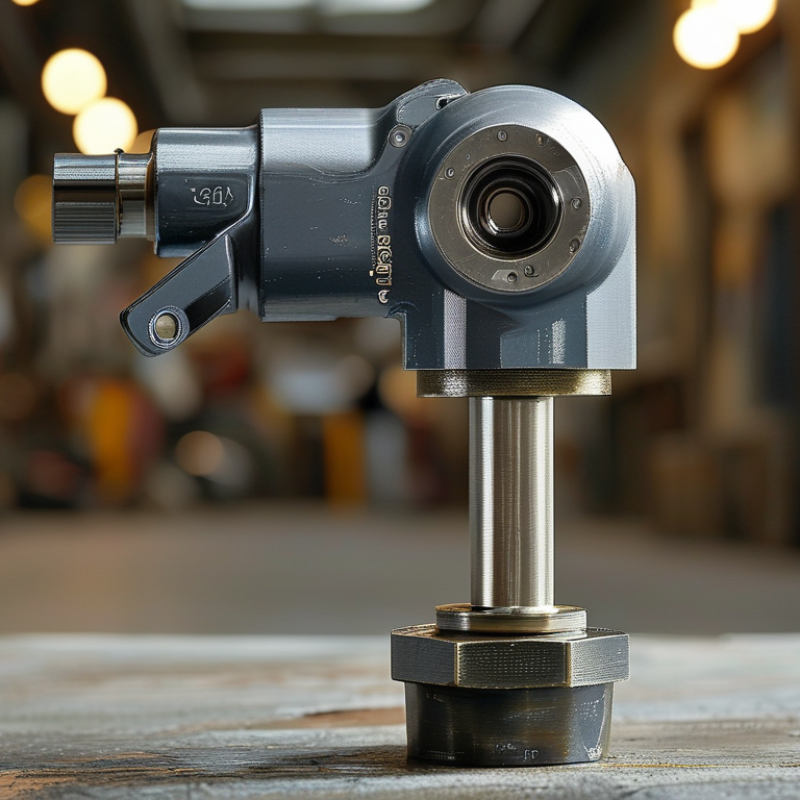
Arm cylinder technology plays a crucial role in various industries. These cylinders convert hydraulic pressure into mechanical power. They are widely used in manufacturing, construction, and automotive sectors. Their design allows for precise control of movement and force. This technology enhances efficiency in many applications, but it requires careful calibration and maintenance.
The versatility of arm cylinders cannot be overlooked. They are employed in robotic arms, lifting equipment, and automated systems. Proper knowledge of material selection and system integration is vital. Users often face challenges during setup and operation. Misalignment or incorrect pressure settings can lead to failure. Continuous training and updates are essential to avoid such issues.
Innovation in this field is ongoing. Manufacturers are exploring new materials and designs to improve performance. There is a growing trend towards energy-efficient solutions. These advancements provide opportunities for better reliability and longevity. However, the rush for new tech can sometimes compromise quality. Users should remain vigilant and prioritize thorough testing of all components.
| Model | Bore Size (mm) | Stroke Length (mm) | Operating Pressure (bar) | Weight (kg) | Application |
|---|---|---|---|---|---|
| Model A | 50 | 250 | 200 | 5.5 | Manufacturing Equipment |
| Model B | 63 | 300 | 220 | 6.2 | Construction Machinery |
| Model C | 80 | 400 | 250 | 8.0 | Material Handling |
| Model D | 100 | 500 | 280 | 10.5 | Automotive Industry |
| Model E | 125 | 600 | 300 | 12.0 | Agriculture Equipment |
When exploring arm cylinder models, key features can significantly impact functionality. One major aspect is the cylinder's size and weight.
Smaller cylinders are lighter and easier to handle, yet larger ones can provide greater force. Buyers must assess their specific application needs.
The right size can enhance agility in machinery.
Another important feature is sealing systems. High-quality seals prevent leaks and maintain pressure, essential for efficient operation.
However, not all seals perform equally under various conditions. It’s wise to conduct thorough research on performance metrics. Not every option is ideal for every environment.
Selecting seals with a good track record can be vital.
Material composition also plays a crucial role. Different materials can withstand varying levels of stress and temperature. Users might overlook durability initially.
But, it’s essential for long-term use. Some models offer advanced coatings that improve resistance to wear. Evaluating these factors ensures a better match for operational demands.
In the realm of arm cylinders, the year 2026 is poised to unveil several noteworthy models. A comparative analysis reveals differences in design, functionality, and performance metrics. Potential buyers need to understand these nuances thoroughly. Not all models will suit every application, making a careful assessment crucial.
When considering these arm cylinders, buyers should focus on the specifications that matter most. Factors like load capacity, stroke length, and speed can significantly impact performance. Additionally, understanding how the cylinder's design influences durability is essential. Some models may appear robust but fail in extreme conditions.
It’s important to recognize that not every model will meet expectations. Reviews often highlight a lack of consistency in quality across different manufacturers. This variability can lead to confusion for buyers. Engaging with industry experts may provide deeper insights into reliable options. Making the right choice involves evaluating specific operational needs and seeking trusted advice, despite the overwhelming variety available.
In recent years, arm cylinders have gained significant traction in the global market. The increasing automation in various industries has driven demand for these components. Buyers are focusing on reliability and efficiency in performance. The need for precision and durability remains crucial for many applications. Emerging markets show a growing preference for cost-effective solutions.
Tips: Consider the specific application requirements. Different industries have unique needs that dictate the type of arm cylinder suitable for them. Understanding these needs can save time and resources during the selection process.
Another trend is the rising interest in eco-friendly options. Buyers are looking for sustainable materials and energy-efficient designs. This shift aligns with broader trends toward environmental consciousness in manufacturing.
Tips: Research suppliers that prioritize sustainability. Look for companies that value transparency in sourcing and production methods. Assessing these factors enhances buyer confidence and builds long-term partnerships.
Market preferences are shifting towards customizable solutions. Many buyers seek the ability to tailor specifications. Customization allows for better integration into existing systems. It's essential to keep an open mind regarding innovative designs that enhance performance.
Tips: Communicate directly with potential manufacturers. Clearly expressing your needs can lead to better solutions. Collaboration is key to achieving optimal results.
Choosing the right arm cylinder can be challenging. Different applications require specific features. Consider factors like load capacity, stroke length, and mounting style. Each component directly affects performance. You must also examine the cylinder's ability to withstand harsh environments.
It's important to evaluate the available materials. Some are more suited for corrosive conditions, while others excel in high temperatures. Remember, the design plays a vital role. Compact designs may enhance space efficiency. However, they might compromise on force output.
Engaging with professionals can provide insights into your specific needs. Their experience can guide your decision-making process. Research is crucial; trends in technology change often. Keep an open mind and be prepared to adapt. Ultimately, the right choice enhances productivity and safety.
: Arm cylinders convert hydraulic pressure into mechanical power for various applications.
They are widely used in manufacturing, construction, and automotive sectors.
Consider load capacity, stroke length, and mounting style for optimal performance.
The design influences durability, compactness, and force output, affecting overall effectiveness.
Without it, users may face misalignment and incorrect pressure settings leading to failure.
Users often encounter misalignment or pressure issues that can hinder performance.
There is a push towards energy-efficient solutions and innovative materials to enhance reliability.
Consulting industry experts and engaging in thorough research can guide better decisions.
Some may not perform well under extreme conditions, causing reliability concerns.
It helps users stay updated on best practices and avoid common operational issues.
The article titled "2026 Top Arm Cylinder Models for Global Buyers Guide" provides a comprehensive overview of arm cylinder technology and its various applications across different industries. It outlines the key features that buyers should consider when selecting arm cylinders, ensuring their choices align with specific operational needs and performance expectations.
Additionally, the article conducts a comparative analysis of the top arm cylinder models projected for 2026, highlighting emerging global market trends and buyer preferences. By synthesizing this information, the article offers valuable recommendations for selecting the right arm cylinder, empowering global buyers to make informed decisions that meet their unique requirements.

Vita Construction