Choosing the right air filter is crucial for maintaining a healthy indoor environment. With so many options available worldwide, it can be overwhelming for consumers. Various factors influence the decision, such as filter type, efficiency, and price. These factors can vary significantly based on location and specific needs.
Air filters are not all created equal. High-efficiency particulate air (HEPA) filters are popular for their superior performance. However, they may not suit all budgets or requirements. Other options, like activated carbon filters, target odors and gases effectively. Understanding your unique air quality concerns can lead to better choices.
Buyers may face challenges selecting the ideal air filter. Misinformation and marketing claims can mislead consumers. It’s essential to scrutinize product specifications, like the MERV rating. This rating indicates a filter's efficiency in trapping particles. A well-informed choice can significantly impact overall health and comfort in any space.
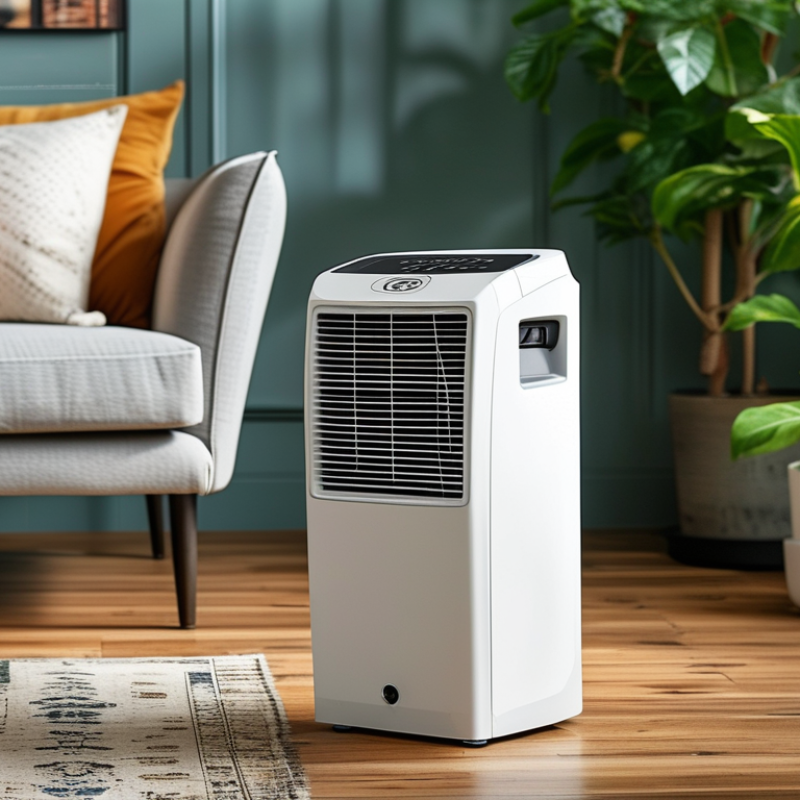
2026 Market Overview of Air Filters: Trends and Innovations
The air filter market is evolving rapidly, driven by innovation and consumer awareness. A recent report from MarketsandMarkets predicts a growth rate of 6.3% from 2021 to 2026. This growth stems from increasing pollution levels and health concerns. Many consumers seek advanced filters that can trap fine particulate matter and allergens effectively.
Technology plays a crucial role in this evolution. HEPA filters continue to dominate due to their efficiency in capturing 99.97% of particles. However, newer types, such as electrostatic and activated carbon filters, are gaining traction. They offer enhanced capabilities for odour removal and virus filtration. The trend points towards smart air filters. These products have sensors that adjust their operation based on air quality data.
Tip: When selecting an air filter, consider the MERV rating for optimal efficiency. A higher rating indicates better filtration. Make sure to review energy consumption. Some filters may use more energy, leading to higher costs.
Sustainability also emerges as a critical theme. Manufacturers are adopting eco-friendly materials and recyclable designs. However, not all consumers prioritize sustainability, leading to a gap in the market. Reflecting on user education is essential; many buyers lack awareness of filter specifications and health impacts. Educating users can bridge this knowledge gap and promote better choices.
Key Features to Consider When Choosing Air Filters for Home Use
When selecting an air filter for home use, consider key features that can significantly impact your indoor air quality. One essential aspect is the filter's efficiency rating. Look for filters with a high MERV (Minimum Efficiency Reporting Value) rating, ideally between 8 and 13. Higher ratings capture smaller particles like dust, pollen, and pet dander.
**Tip:** Remember to replace filters regularly to maintain their effectiveness. A clogged filter can hinder airflow and reduce filtration efficiency.
Another important feature to consider is the filter's lifespan. Some filters last longer than others, often up to six months or more. Knowing the replacement frequency can help you plan and manage air quality more effectively.
**Tip:** Mark your calendar to remind you when to change the filter. This small step can lead to improved air quality.
Don't overlook the filter's compatibility with your HVAC system. An ill-fitting filter can cause leaks or reduce the system's efficiency. Always double-check dimensions and specifications before purchasing.
**Tip:** Measure your current filter to ensure a perfect fit. This might seem minor, but it has a big impact on performance.
2026 Best Air Filter Options for Global Buyers
| Filter Type |
MERV Rating |
Lifespan (Months) |
Key Features |
Price Range (USD) |
| HEPA Filter |
13-16 |
6-12 |
Removes allergens, fine dust, and pet dander |
30-70 |
| Pleated Filter |
7-12 |
3-6 |
High airflow, less pressure drop |
10-30 |
| Activated Carbon Filter |
3-10 |
6-12 |
Reduces odors and VOCs |
20-50 |
| Electrostatic Filter |
8-12 |
12+ |
Reusable, captures small particles |
15-35 |
| Washable Filter |
1-8 |
12+ |
Eco-friendly, cost-effective |
25-60 |
Top Air Filter Brands in 2026: A Comparative Analysis of Performance
When selecting air filters in 2026, performance is key. Recent studies highlight that high-efficiency filters capture up to 99% of airborne pollutants. This statistic underscores the importance of understanding filter effectiveness. Many households overlook the efficiency rating, which impacts overall air quality.
Key factors influence air filter performance. Filters with a Minimum Efficiency Reporting Value (MERV) rating of 13 or higher can trap particles like smoke and pollen. However, not all filters meet these standards. Some seem effective but fall short in real-world tests.
**Tips for Choosing Filters:**
Look for filters compatible with your HVAC system. Changing filters regularly can drastically improve air quality. Always check for certifications that validate performance claims.
A significant number of consumers buy filters based on price alone. This approach can backfire. Filters that are too cheap may not provide the necessary efficiency. Investing in reliable options is essential for health benefits. Studies indicate that poor air quality contributes to respiratory issues. Consider the long-term effects of subpar air filtration on you and your family.
2026 Best Air Filter Options for Global Buyers
This chart provides a comparative analysis of the performance of various air filter options available in 2026 based on efficiency, lifespan, and price range. The data reflects the relative performance of different filter types in the market.
The Role of HEPA Filters in Indoor Air Quality and Health Improvements
HEPA filters play a crucial role in enhancing indoor air quality. They can capture 99.97% of particles as small as 0.3 microns. This includes dust, pollen, and pet dander. With the rise of respiratory issues, improving air quality becomes vital. Many individuals overlook the importance of regular filter maintenance, which can lead to diminished efficiency.
Investing in a high-quality air filter is essential. Find filters with HEPA certification for guaranteed performance. Check the manufacturer's guidelines on replacement intervals. Neglecting to replace a HEPA filter can result in poor air quality. Regularly monitoring indoor air can also help identify pollutants.
Tips for maintaining HEPA filters include gentle cleaning. This prevents damage while prolonging their life. Ensure vents are unblocked to maximize airflow. Use air quality monitors for real-time feedback. Keeping windows closed on high pollution days helps reduce outdoor particles indoors. It may not always be easy, but small adjustments significantly impact health.
Evaluation of Eco-Friendly Air Filter Options for Sustainable Living
In the quest for sustainable living, choosing eco-friendly air filters is crucial. These products improve indoor air quality while minimizing environmental impact. Many options incorporate natural materials, reducing reliance on synthetic substances. Look for filters made from recycled or biodegradable materials. This choice not only benefits your health but also supports a greener planet.
However, selecting the right air filter can be challenging. Not all eco-friendly filters effectively capture pollutants. Research suggests that some perform less efficiently than traditional options. Evaluating filtration efficiency is essential before making a decision. Check for certifications that verify their effectiveness. While eco-friendly is better, it doesn’t always guarantee superior air quality.
Consider the longevity and replaceability of filters too. Many eco-friendly options require frequent changes, generating waste. Educating yourself about maintenance is equally important. Reflect on the balance between convenience and sustainability. The journey toward creating a healthier home may involve trial and error. Empower yourself by making informed choices and exploring innovative solutions.
Conclusion
In 2026, the air filter market is witnessing significant trends and innovations aimed at improving indoor air quality. With a growing awareness of health implications associated with air pollution, consumers are increasingly prioritizing key features while selecting air filters for their homes. Factors such as filtration efficiency, ease of maintenance, and compatibility with existing HVAC systems are crucial in making informed decisions.
Moreover, HEPA filters play a vital role in enhancing indoor air quality by effectively capturing fine particles and allergens, leading to notable health improvements. As sustainability becomes a critical concern, eco-friendly air filter options are also gaining traction among consumers seeking to live more sustainably. This comprehensive evaluation provides insights for global buyers to navigate the diverse range of air filter options available in the market today.

 Vita Construction