The cylinder head gasket plays a crucial role in an engine's performance. According to industry reports, over 60% of engine failures can be traced back to gasket issues. This highlights the importance of selecting the right cylinder head gasket for both durability and performance.
In recent years, buyers have increasingly sought high-quality gaskets to meet their needs. A poorly chosen gasket can lead to significant engine damage and costly repairs. The market offers various options, but distinguishing between brands and materials can be challenging. Factors such as gasket material, thickness, and compatibility must be considered to ensure optimal performance.
Professional mechanics emphasize that not all gaskets are created equal. Some brands may lack the required standards, leading to frequent failures. Buyers should look for trusted names and reviews to guide their decisions. Reliability and quality are essential when investing in a cylinder head gasket, as long-term performance heavily relies on this component.
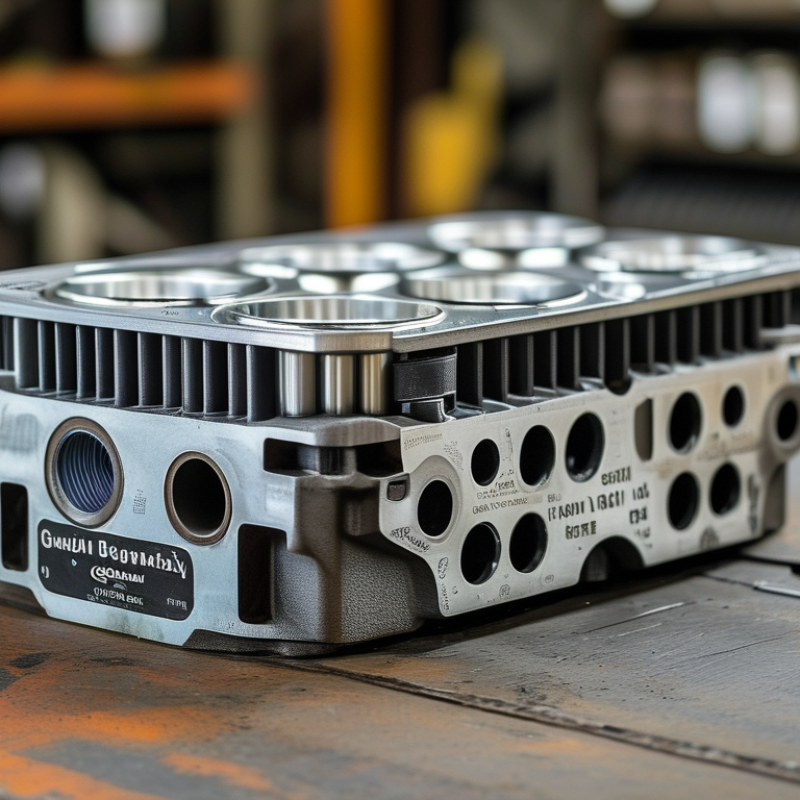
Choosing the right cylinder head gasket is crucial for engine performance. Various materials are available, each with pros and cons. Steel gaskets are robust but can be challenging to install. Composite gaskets offer flexibility, yet they may wear faster under high temperatures.
Global trends show that buyers often prefer durability and reliability. Consider environmental factors as they can affect gasket lifespan. A gasket suitable for a humid climate might fail in a dry, hot environment. Understanding these details can be overwhelming, leading to mistakes in selection.
Improper installation is another common issue affecting gasket performance. Even top-quality options can fail if not fitted correctly. Buyers should invest time in research and seek expert advice when necessary. Small differences in design can lead to significant impacts. Remember, quality should never be compromised for cost.
A cylinder head gasket plays a critical role in an engine's performance. It seals the combustion chamber, preventing coolant and oil from leaking into it. This ensures optimal engine efficiency and reduces emissions. When a gasket fails, it can cause severe engine damage. Symptoms include overheating, oil contamination, and decreased power.
Choosing the right gasket is essential. Different materials offer various benefits. For instance, multi-layer steel gaskets provide durability in high-performance engines. In contrast, fiber gaskets are often used for lighter applications. It's crucial to match the gasket type with your engine's specifications. Ignoring this could lead to premature failure.
Tip: Always inspect the engine surface for damages before installation. A clean, flat surface is vital for ensuring a proper seal. If not, the gasket may not perform well.
Moreover, consider the torque specifications during installation. This ensures an even seal across the entire gasket. Incorrect torque can lead to leaks, costing you time and money. Keeping these factors in mind will enhance the lifespan of your cylinder head gasket.
When selecting a cylinder head gasket, several key factors come into play. The material of the gasket is crucial, impacting durability and performance. Common materials include multi-layer steel (MLS) and composite materials. According to a recent industry study, MLS gaskets offer superior heat resistance, while composites are often preferred for their cost-effectiveness. Each choice carries its pros and cons, emphasizing the need to consider engine specifications and operating conditions.
Another critical aspect is the gasket's thickness. A gasket that’s too thin may not withstand pressure, while one that’s excessively thick could lead to poor sealing. Measurements must align with the engine design to ensure optimal compression. A survey of technicians reported that improper gasket installation is a leading cause of failures, highlighting the importance of precision.
Tips: Always inspect the surface where the gasket will sit. Any imperfections can lead to leaks. Additionally, use professional-grade tools for installation to ensure a proper fit. Investing time in research before making a decision can prevent costly mistakes down the line.
When choosing a cylinder head gasket, quality and reliability are vital. Various brands offer exceptional products that meet the diverse needs of buyers around the globe. A trusted cylinder head gasket ensures compatibility with different engine types and materials. Buyers should consider factors like heat resistance and durability. A suitable gasket withstands pressure and thermal fluctuations, extending engine life.
Several brands are recognized for producing high-quality gaskets. They prioritize rigorous testing and use advanced materials. Users report better engine performance and reduced leaks when opting for these brands. Always check reviews and ratings for insights into real-world performance. Some users encounter mismatches despite the gasket’s reputation. It is crucial to confirm compatibility before purchasing.
Not all options suit every vehicle. Some gaskets may work well with specific engine types but fail in others. Always seek professional advice, especially for unique engine configurations. This approach enhances decision-making and minimizes potential issues. Remember, a quality gasket is essential, but understanding your vehicle's requirements is equally important.
When installing a cylinder head gasket, precision is crucial. One common mistake is not cleaning the surfaces thoroughly. Dirt or residue can cause leaks and lead to costly repairs. Ensure both the cylinder head and the engine block are free from debris. Use a suitable gasket scraper to remove old material without scratching the surfaces.
The torque specifications for head bolts are also vital for a proper seal. Many overlook this, thinking a simple snug will suffice. Following the manufacturer’s guidelines for torque settings is essential. Use a torque wrench for accuracy and tighten bolts in the correct sequence. This helps avoid warping the cylinder head and guarantees a tight fit.
Double-check the alignment of the gasket. Improper placement can lead to major issues. It’s advisable to use a reputable torque pattern for securing bolts. Pay attention to any signs of coolant leaks post-installation. Regular inspections can prevent significant engine problems and ensure optimal performance. A careful approach will yield a robust engine assembly.
: Common materials include multi-layer steel (MLS) and composite. Each offers unique benefits for performance.
Gasket thickness affects sealing. Too thin may cause leaks; too thick may lead to poor compression.
Clean all surfaces thoroughly. Remove debris and old material carefully before installing the new gasket.
Inspect for surface imperfections. Any flaws can result in leaks and serious engine damage.
Correct torque settings ensure a proper seal. Ignoring this can lead to gasket failure and engine problems.
Carefully position the gasket before securing it. Double-check alignment to prevent future issues.
Use professional-grade tools, such as a torque wrench, for accurate installation and a secure fit.
Look for coolant leaks after installation. This indicates potential sealing issues that need addressing.
Conduct regular inspections post-installation. This helps catch problems early and maintain engine health.
Don't rush the process. Skipping thorough cleaning and proper torque can lead to costly repairs later.
In the search for the best cylinder head gasket options for global buyers, it's crucial to understand the functionality and significance of this essential engine component. A cylinder head gasket plays a vital role in sealing the combustion chamber, preventing leaks between the engine block and cylinder head, and ensuring optimal engine performance.
When selecting a cylinder head gasket, buyers should consider key factors such as material compatibility, thickness, and design to match their specific engine requirements. Additionally, understanding the top brands available can guide buyers towards reliable choices. Finally, proper installation is essential for achieving the best performance from the cylinder head gasket; following recommended installation tips can help ensure longevity and efficiency, allowing consumers to make informed decisions in their purchase journey.
Vita Construction