In the industrial world, the **Bucket Cylinder** serves a vital role. Renowned engineer Dr. Emily Carter states, "The bucket cylinder is essential for lifting and moving heavy loads efficiently." This device combines hydraulic power with practical design, making it indispensable in construction and manufacturing.
Understanding how a **Bucket Cylinder** operates can help optimize its use. These cylinders rely on hydraulic fluid to create motion, allowing them to lift heavy items with ease. Its design ensures durability and performance under pressure, yet challenges remain in maintenance and operation.
With advances in technology, the **Bucket Cylinder** evolves. However, some users face difficulties in adapting to new models. Regular training and awareness of the device's intricacies are crucial. The balance between innovation and user familiarity is a point for reflection in the industry.
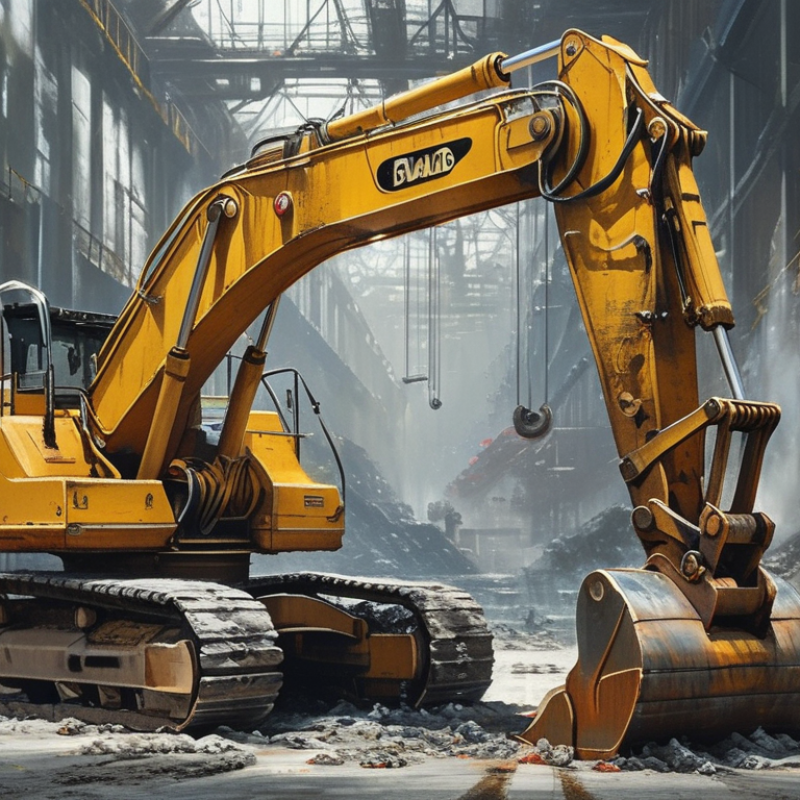
A bucket cylinder is a vital component in various applications, especially in hydraulic systems. It serves to lift and lower items with precision and control. The design typically consists of a cylinder, a piston, and a bucket that holds the load. These elements work together to maximize efficiency.
The way a bucket cylinder functions is quite straightforward yet ingenious. When hydraulic fluid is pumped into the cylinder, it creates pressure. This pressure pushes the piston, which in turn moves the bucket upward. Conversely, releasing the fluid causes the bucket to lower smoothly. Many industries rely on this mechanism to streamline operations. Yet, the simplicity of the design masks potential issues that users must consider.
Over time, wear and tear can affect performance. Seals may degrade, leading to leaks or reduced efficiency. Operators must regularly inspect and maintain these components. Despite the challenges, the ability of a bucket cylinder to lift heavy loads safely is remarkable. Understanding these fundamentals is crucial for anyone working with hydraulic systems.
This chart illustrates the performance metrics of a bucket cylinder, including load capacity, operating pressure, stroke length, and cycle time. These factors are critical for evaluating the efficiency and suitability of bucket cylinders in various applications.
A bucket cylinder is a crucial component in various industries, particularly in hydraulic systems. It efficiently manages force and motion, vital for heavy machinery.
Understanding its anatomy helps in grasping its functionality.
At its core, the bucket cylinder consists of a strong outer casing, typically made of high-strength steel. Inside, a piston moves up and down within a chamber filled with hydraulic fluid.
This fluid creates pressure, pushing the piston and enabling heavy lifting capabilities. Industry reports indicate that bucket cylinders can lift loads exceeding several tons, making them essential in construction and manufacturing sectors.
The seal and rod system within the cylinder must be designed for durability. Small imperfections in the seals can lead to hydraulic fluid leaks, reducing efficiency. Regular maintenance and timely replacements are critical.
Understanding these details can enhance operational safety and performance, enabling users to avoid costly breakdowns or injuries.
A bucket cylinder is a unique hydraulic cylinder used in various machinery, especially in construction and agriculture. Its operation centers around a simple yet effective principle. When hydraulic fluid enters the cylinder, it creates pressure. This pressure pushes the bucket to perform functions such as lifting or digging.
The design of a bucket cylinder includes a piston inside a cylindrical chamber. As the fluid fills the chamber, it forces the piston to move. The motion varies depending on the cylinder type and setup. This process allows precise control over the bucket's position. However, it requires regular maintenance to prevent leaks or pressure drops.
Some users may overlook the importance of regular inspections. This neglect can lead to wear and reduced efficiency. It's essential to understand that proper usage and maintenance are crucial for optimal performance. Awareness of these factors can save costs in the long run.
Bucket cylinders are vital in various industrial applications. They provide efficient lifting solutions in construction and material handling. Their design allows them to handle heavy loads with ease. Reports indicate that more than 40% of industrial lifting projects rely on hydraulic cylinders due to their reliability and power.
Common applications include waste management, where bucket cylinders load and transport debris effectively. The construction industry employs them to raise heavy materials on-site. In agriculture, they are used in tractors for loading bulk materials. According to industry data, about 30% of agricultural machines utilize these cylinders, enhancing productivity.
Tip: Regular maintenance of bucket cylinders is crucial. Checking for leaks can prevent costly repairs. Also, ensure that fittings and connections are secure. Avoid overloading the cylinder; this can lead to malfunction and safety hazards. Considering these aspects can prolong the lifespan of your equipment.
Bucket cylinders offer unique advantages in various applications. They are lightweight and compact, making them easy to transport and install. Their design allows for precise control of movement. This is particularly useful in construction and industrial settings. Operators can achieve accurate lifting and placement of materials.
However, bucket cylinders also have limitations. They may not provide the same lifting capacity as traditional hydraulic cylinders. This can be a drawback for heavy-duty tasks. Maintenance can be challenging as well. Regular checks are necessary to ensure optimal performance. Neglecting this aspect can lead to unexpected failures.
Tips: Regular maintenance is key. Inspect the seals and hoses periodically. Small leaks can lead to big problems. Always follow safety guidelines when operating bucket cylinders. Training operators ensures proper usage and reduces risks. Understanding their limits can prevent accidents.
| Aspect | Details |
|---|---|
| Definition | A hydraulic cylinder that uses a bucket mechanism for lifting and tilting operations. |
| Operation Principle | Uses hydraulic pressure to move a piston that operates the bucket. |
| Main Benefits | High lifting capacity, versatile use in construction and excavation, improved efficiency. |
| Common Applications | Used in excavators, loaders, and other construction equipment. |
| Limitations | High maintenance cost, requires precise operation and training. |
| Safety Considerations | Regular inspections and adherence to operational guidelines are necessary to ensure safety. |
: A bucket cylinder is a hydraulic cylinder used in machinery, primarily in construction and agriculture.
It operates by allowing hydraulic fluid to enter, creating pressure that moves the piston inside.
They are used in construction, agriculture, and waste management for lifting and transporting materials.
Regular maintenance prevents leaks and efficiency loss, which can lead to expensive repairs over time.
Overloading can cause malfunctions and pose safety hazards for users and surrounding workers.
Inspect regularly for leaks, secure fittings, and avoid pushing the cylinder past its limits.
Users often neglect regular inspections, which can lead to increased wear and decreased performance.
Around 30% of agricultural machines use them for efficiently loading bulk materials, improving operations.
Leaks, secure connections, and signs of wear should be routinely checked for better longevity.
Understanding operation and maintenance can save costs and maximize efficiency in various applications.
A Bucket Cylinder is a specialized hydraulic component designed to lift and manipulate materials efficiently. Its anatomy consists of a cylindrical barrel, a piston, and various seals, all working together to create a system capable of transforming hydraulic energy into mechanical motion. The principle of operation relies on the movement of fluids within the cylinder, which allows for controlled extension and retraction, making it a vital tool in various industrial and construction applications.
Common applications of Bucket Cylinders include use in excavators, material handling equipment, and agricultural machinery, due to their ability to lift heavy loads with precision. While they offer numerous benefits such as increased lifting capacity and enhanced control, there are also limitations to consider, including maintenance requirements and potential hydraulic leaks. Overall, the Bucket Cylinder is an essential component in modern machinery, facilitating efficient operations across multiple sectors.

Vita Construction