Choosing the right engine muffler is essential for vehicle performance. An engine muffler significantly impacts noise levels and exhaust flow. However, many car owners overlook this critical component.
A quality engine muffler enhances the driving experience. It can reduce engine noise and improve fuel efficiency. Different mufflers serve various purposes, from performance enhancement to noise reduction. Understanding these options is crucial.
When selecting an engine muffler, consider your vehicle type and personal preferences. Not every muffler fits all vehicles. Whether prioritizing sound or efficiency, you'll face challenges in making your choice. Research and expert opinions can guide you. Your decision will influence the overall performance and comfort of your car.
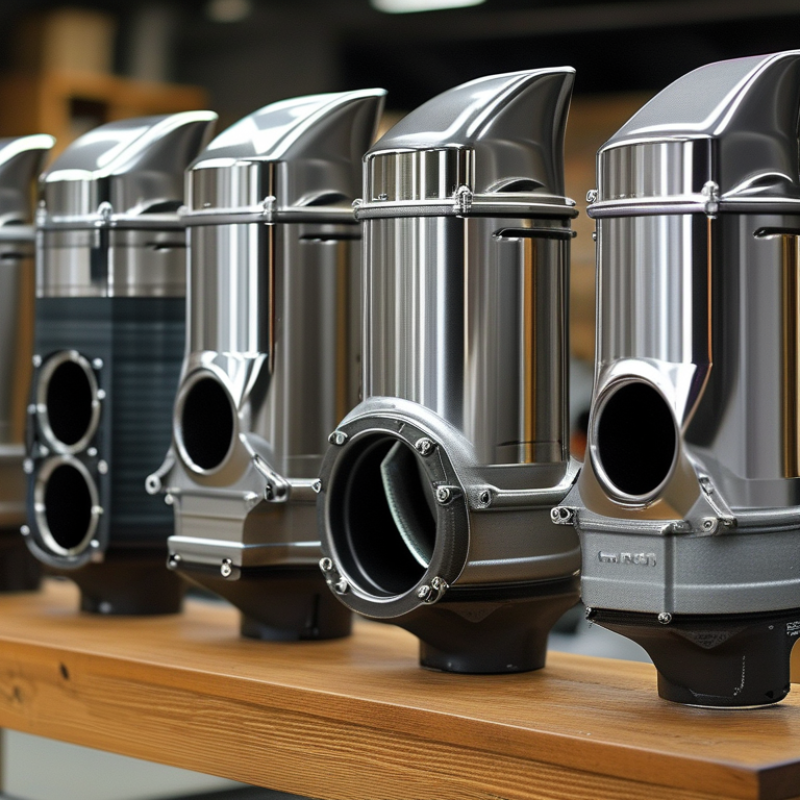
Understanding engine mufflers is vital for vehicle owners. Mufflers play a crucial role in managing engine noise and improving performance. They reduce sound levels produced by the exhaust gases, ensuring a quiet ride. The muffler's design influences sound quality, and choosing the right one can enhance your vehicle's driving experience.
Engine mufflers function by directing exhaust gases through a series of chambers and pipes. This process dampens sound waves, reducing noise output. Some mufflers are designed for performance, promoting efficiency and horsepower. Others prioritize noise reduction for a quieter operation. Identifying your vehicle's needs is important for selection.
Choosing the perfect muffler requires knowledge about various options available. Not every vehicle benefits from all types of mufflers. Some might deliver too much noise for everyday driving, while others may hinder performance. Think about your driving habits and preferences. Conduct research to understand what works best for your vehicle. This decision might seem straightforward, but it often reveals patterns of improvement and need for deeper contemplation.
When it comes to engine mufflers, understanding the different types available is crucial. There are three main categories: chambered, turbo, and straight-through mufflers. Each type serves a unique purpose. Chambered mufflers focus on sound control. They create a deep tone and are popular among car enthusiasts. Turbo mufflers balance noise reduction and performance, making them versatile for everyday driving. Straight-through mufflers, meanwhile, aim for maximum exhaust flow. This can enhance performance but may produce a louder sound.
Choosing the right muffler requires consideration of your vehicle's needs. Do you prioritize a quiet ride or a sporty sound? Some mufflers may reduce back pressure, which can impact engine performance. It is important to understand the implications of your choice. Not all mufflers fit every vehicle type. Improper installation can lead to noise issues or even damage. Therefore, meticulous research and consultation with a professional are advisable. Reflect on your driving preferences and how much you are willing to compromise on noise versus performance.
When selecting an engine muffler, consider sound levels. The decibel rating is crucial. A muffler that is too loud can be disruptive. Research shows that excessive noise can lead to driver fatigue. The ideal sound level varies by vehicle type and personal preference.
Another important factor is material. Stainless steel offers durability and corrosion resistance. This is essential for vehicles in harsh environments. Conversely, fiberglass mufflers are lighter and can reduce sound better. However, they may not last as long. According to industry reports, the average lifespan of a stainless steel muffler can exceed 5 years, while fiberglass may only last around 2 to 3 years.
Compatibility with your vehicle is key. Different makes and models require specific designs to ensure optimal performance. A mismatched muffler can lead to increased back pressure. This in turn affects engine performance and fuel efficiency. A study indicated that using the correct muffler can improve fuel economy by up to 10%. Be mindful of installation practices as well. Poor installation could negate the benefits, leading to costly repairs.
Choosing the right engine muffler can significantly influence your vehicle’s performance and noise levels. Proper installation and maintenance play crucial roles in maximizing its benefits. A recent industry report indicated that nearly 30% of muffler-related issues stem from improper installation. Ensuring a snug fit can prevent leaks, which in turn reduces engine noise and increases efficiency.
Regular maintenance is essential for extending the life of your muffler. Experts suggest checking for rust or corrosion at least twice a year. A worn-out muffler can lead to decreased fuel efficiency, sometimes by as much as 15%. Cleaning any accumulated debris and ensuring that hangers are intact can help maintain optimal performance. If issues persist, a professional inspection may be necessary to avoid further damage.
Remember, no system is infallible. Even properly installed mufflers can develop problems over time. Listening for unusual sounds or vibrations is a good practice. If detected, it’s wise to investigate promptly. Skipping maintenance can lead to larger repairs, costing more in the long run. Keeping an eye on your muffler's condition can save headaches later on.
Choosing the right engine muffler is crucial. Many vehicle owners overlook this aspect, leading to costly mistakes. One common error is selecting a muffler based solely on looks. Aesthetic appeal can be misleading, as performance often takes precedence. According to industry reports, a poorly chosen muffler can reduce engine efficiency by up to 25%.
Another frequent mistake is ignoring the vehicle's specifications. Mufflers are designed for specific engine types and sizes. Installing an incorrect muffler can lead to increased noise levels and reduced power. A study by the Society of Automotive Engineers highlights that mismatched mufflers can impede exhaust flow, ultimately harming engine performance.
Lastly, many underestimate the importance of sound preference. Sound tolerance varies among drivers. Some might enjoy a louder exhaust, while others prefer a quiet operation. Misaligning these needs can lead to dissatisfaction. Engaging with expert forums can provide insights on balancing sound and performance.
| Criteria | Considerations | Common Mistakes |
|---|---|---|
| Muffler Type | Choose between chambered, turbo, or straight-through designs. | Ignoring the type compatibility with your vehicle. |
| Sound Preference | Determine if you want a quiet or aggressive tone. | Not listening to sound samples before purchasing. |
| Material | Select from stainless steel, aluminized steel, or carbon steel. | Choosing a cheaper material that may rust or degrade quickly. |
| Size | Match the muffler size with your exhaust system diameter. | Overlooking proper sizing leading to exhaust flow issues. |
| Installation | Consider whether you will DIY or hire a professional. | Attempting installation without proper tools or knowledge. |
| Brand Reputation | Research reputable brands and read reviews. | Choosing a brand solely based on price without checking quality. |
: Mufflers manage engine noise and enhance performance, ensuring a quieter ride and an improved driving experience.
They direct exhaust gases through chambers and pipes, dampening sound waves, and reducing overall noise output.
Consider sound levels, materials, and compatibility with your vehicle. Research is crucial for making the right choice.
A muffler with a high decibel rating can be disruptive. Excessive noise might cause driver fatigue during long drives.
Stainless steel is durable and corrosion-resistant, while fiberglass is lighter and offers better sound reduction but has a shorter lifespan.
Yes, a mismatched muffler can increase back pressure, decreasing engine performance and fuel efficiency by up to 10%.
Many select based on looks or ignore their vehicle’s specifications, which can lead to higher noise levels and reduced power.
Sound tolerance differs among drivers. Misaligning sound preference can result in dissatisfaction with vehicle performance.
Researching options and seeking expert opinions helps identify what suits your vehicle and driving habits best.
Bad installation can negate benefits and lead to costly repairs, impacting overall engine effectiveness and efficiency.
Choosing the right engine muffler for your vehicle involves understanding its functionality and the various types available. Engine mufflers play a crucial role in reducing noise from the exhaust system, improving performance, and enhancing the overall driving experience. There are several types of engine mufflers, including chambered, turbo, and straight-through designs, each catering to different sound levels and vehicle performance needs.
When selecting an engine muffler, it’s essential to consider factors such as vehicle type, sound preference, and compatibility with the exhaust system. Proper installation and regular maintenance are also key to ensuring optimal performance and longevity of the muffler. Avoid common mistakes, such as choosing based solely on aesthetics or neglecting sound regulations, to ensure you make the best choice for your vehicle's needs.

Vita Construction