Why Choose the Right Excavator Bucket for Your Projects?

Time:2026-09-05 Author:Henry
0%

Choosing the right excavator bucket is crucial for project success. An ill-suited bucket can lead to inefficiencies and increased costs. As reported by the Global Construction Equipment Market Analysis, nearly 30% of project delays stem from equipment misuse. This highlights the importance of selecting the correct bucket for specific tasks.

John Smith, a leading expert in construction equipment, emphasizes, "The right excavator bucket can drastically enhance productivity." His insights resonate within the industry, where the right tools can make a significant difference. For instance, a general-purpose bucket may work, but a specialized digging bucket can yield faster results.

However, not every project is the same. Factors such as soil type, project size, and intended use must be carefully considered. Some contractors rush the decision, leading to challenges later. Reflecting on previous projects, choice errors can come back to haunt teams. Being informed can help make the right choice and avoid unnecessary setbacks.
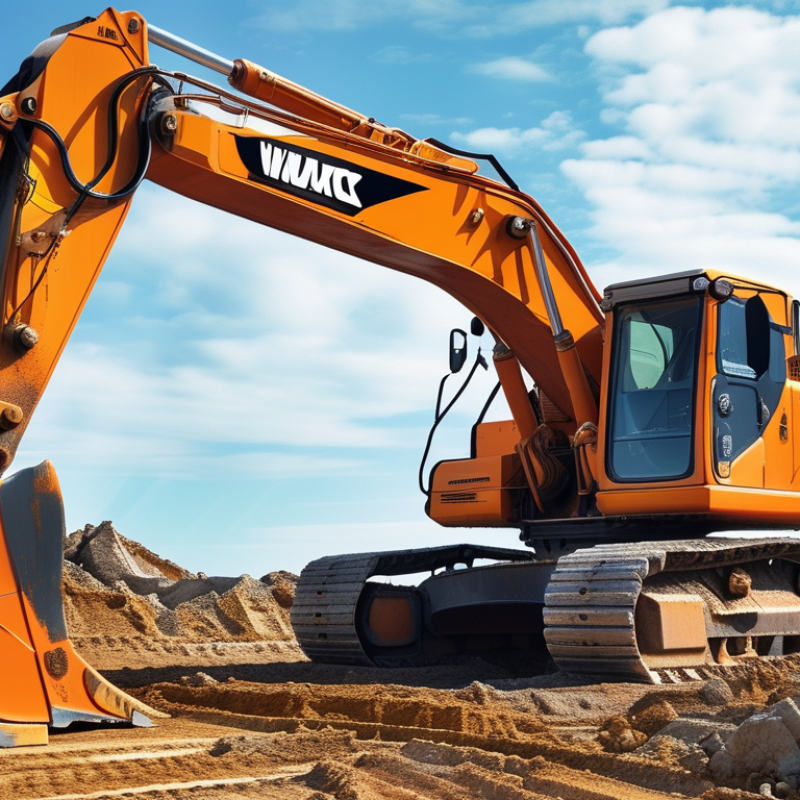
Why Choose the Right Excavator Bucket for Your Projects?

Understanding Excavator Buckets: Types and Their Applications

Excavator buckets come in various types, each designed for specific tasks. Understanding these can enhance efficiency on construction sites. For instance, a standard bucket is ideal for general excavation. It typically has a capacity ranging from 0.5 to 2.5 cubic yards. In comparison, a hydraulic thumb bucket allows for easier handling of materials, offering better precision.

Swamp buckets are another interesting option. They are engineered to operate in wetlands and soft ground. Reports show that using the right bucket can reduce project times by up to 30%. However, what's often overlooked is that mismatched buckets lead to increased wear and tear on excavators, costing more in the long run. Many contractors forget to consider factors like soil type and project scope when choosing.

Trenching buckets are great for linear dig projects. They provide narrow openings and deeper penetration. They are pivotal in pipeline installations. The right choice not only influences the productivity levels but also minimizes operational hazards. Sometimes, operators struggle with outdated equipment, resulting in inefficient work processes. Recognizing the correct bucket for a task can significantly impact the project’s success rate and resource efficiency.

Excavator Bucket Types and Their Applications

Key Factors to Consider When Selecting an Excavator Bucket

Choosing the right excavator bucket is crucial for project efficiency. Different tasks require specific bucket types. Consider the project requirements first. Are you digging in tough soil or handling loose materials? The bucket's design impacts its performance.

Tip: Evaluate the bucket's material. High-strength steel can improve durability. Also, keep the weight in mind. A heavier bucket may enhance digging prowess but could affect machine maneuverability.

Another factor is the bucket size. Too large a bucket can lead to overloading the excavator. This inefficiency can cause delays. On the other hand, a smaller bucket may require more time to accomplish the task.

Tip: Test various bucket sizes to find the best fit. It can be beneficial to seek feedback from operators. Their hands-on experience can reveal insights into performance. Choosing the right excavator bucket is not just about preferences; it's about aligning tools with tasks.

Impact of Bucket Size on Excavation Efficiency and Project Costs

Choosing the right excavator bucket is essential for improving excavation efficiency and managing project costs effectively. The size of the bucket significantly impacts the amount of material moved in a given timeframe. A larger bucket might seem efficient, but it can lead to equipment strain and increased fuel consumption. Balancing size with machine capability is crucial.

When selecting a bucket, consider the type of material you'll be excavating. Different materials require different bucket designs. For instance, handling clay is different from gravel. If the bucket isn't suited for the material, you might face delays.

Tips: Always check the excavator's specifications. Ensure the bucket size matches the machine’s lifting capacity. If unsure, consult expert opinions to avoid costly mistakes. Investing time in this decision now can save money in the long run. Keep in mind that improper bucket choice can negatively affect project timelines and lead to unexpected expenses. Prior planning is key.

Material Selection for Excavator Buckets: Durability and Performance Metrics

Choosing the right excavator bucket is crucial for various projects. Material selection directly impacts durability and performance. Buckets made from high-strength steel often resist wear and tear. They handle tough materials like rock or clay effectively. However, not all projects demand the same strength levels. It’s essential to evaluate the specific requirements of each task.

Furthermore, consider the bucket's design and thickness. A thicker bucket can enhance durability but may affect agility. Lighter designs promote faster operation but can compromise strength. Conducting a thorough analysis can help in making an informed decision. Understanding the project needs can reveal which combination of material and design works best.

The challenge lies in finding a balance. Sometimes, stronger materials may lead to increased costs. In contrast, opting for lighter alternatives might reduce performance in high-stress situations. Engaging with experts can provide insights into which materials stand out in different environments. Ultimately, careful material selection ensures the excavator bucket enhances overall project efficiency and lifespan.

Industry Insights: Trends in Excavator Bucket Technology and Innovations

As excavator bucket technology evolves, industry trends showcase innovative designs that enhance efficiency and productivity. Recent reports indicate that high-performance buckets can increase job site productivity by up to 20%. This upgrade comes with advancements like lightweight materials and optimized shapes, which enable better digging and reduced fuel consumption.

Many contractors are now considering the versatility of buckets. Multi-functional buckets can handle various materials, saving time and cost. A study from the Equipment Manufacturers Association highlights that adopting these adaptable solutions can decrease operational downtime significantly. Yet, there remains a concern; not every project requires the latest technology. Sometimes, the classic designs still perform well in specific conditions.

When choosing an excavator bucket, remember these insights. Ensure you understand the specific requirements of your project. Selecting the wrong bucket can lead to inefficiency and increased wear on your machinery. Evaluate your options carefully, especially when considering new technology. Look at case studies and performance reports to guide your choice. Always balance innovation with practicality to achieve the best results on-site.

FAQS

: What types of excavator buckets are commonly used?

: Common types include standard buckets, hydraulic thumb buckets, swamp buckets, and trenching buckets, each serving distinct purposes.

How can the right bucket impact project efficiency?

Using the correct bucket can reduce project times by up to 30%, enhancing productivity and minimizing equipment wear.

Why might contractors overlook the type of soil?

Some contractors forget to consider soil type when selecting buckets, leading to mismatched tools and inefficiency.

What are multi-functional buckets?

Multi-functional buckets can handle different materials, saving time and reducing costs on diverse projects.

How does technology influence bucket design?

Innovations in material and shape can increase productivity by about 20%, improving fuel efficiency and digging performance.

Are classic bucket designs still relevant?

Yes, classic designs can be effective for specific conditions, proving that not all projects need the latest technology.

What happens if the wrong bucket is chosen?

Selecting an inappropriate bucket can lead to operational inefficiencies and increase wear on the excavator.

Can outdated equipment hinder project success?

Yes, using outdated equipment may result in inefficiencies, affecting the overall success of construction projects.

How can case studies assist in bucket selection?

Reviewing case studies can provide insights into performance and guide better decision-making for selecting excavator buckets.

What factors should be considered when choosing a bucket?

Consider project requirements, soil type, and the balance between innovation and practicality in your selection process.

Conclusion

Selecting the right excavator bucket is crucial for optimizing efficiency and controlling project costs in various excavation tasks. Understanding the different types of excavator buckets and their applications can guide users in making informed choices that align with their specific project requirements. Key factors, such as excavator bucket size, play a significant role in enhancing excavation efficiency, while also impacting overall project expenses.

Additionally, the material selection for excavator buckets significantly influences their durability and performance metrics. With evolving industry insights highlighting trends in excavator bucket technology and innovations, users are equipped with the knowledge to enhance their equipment choices, ensuring that they achieve the best outcomes for their projects. Making the right selection in excavator buckets not only enhances operational effectiveness but also contributes to long-term project success.


Henry

Henry

Henry is a dedicated marketing professional with a profound expertise in the company's offerings. With years of experience in the industry, he possesses an impressive understanding of the market dynamics and consumer behaviors that drive success. Henry is committed to sharing his insights through......