Choosing the right Foot Pedal Valve in 2026 requires more than comparing prices and product photos. It involves understanding pressure, flow, connection size, operating environment, and user comfort. A valve for a pneumatic press may need different control characteristics than one used on a workshop clamping fixture. Small differences matter.
Real-world experience shows that selection errors often begin with incomplete system information. Check the working pressure, air quality, temperature range, and required cycle frequency before reviewing specifications. Confirm whether the pedal returns automatically, locks in position, or requires continuous pressure. Inspect the manufacturer’s technical documentation carefully. Clear port markings and tested performance data usually indicate stronger engineering control.
Some choices still go wrong. A visually robust pedal may have unsuitable seals. A low-cost model may create delays through leakage or difficult maintenance. In 2026, buyers should also consider corrosion resistance, replacement parts, warranty support, and compatibility with existing equipment. Independent certifications can support confidence, but they should not replace application testing. Always verify the valve under realistic load conditions, including repeated foot operation and emergency release procedures.
This guide explains how to compare Foot Pedal Valve designs with practical judgment. It focuses on dependable performance, safe operation, and long-term value. The best selection is not always the most advanced option. It is the valve that matches the system accurately and continues working when conditions become demanding. Even experienced engineers should leave room for review. Assumptions can fail.
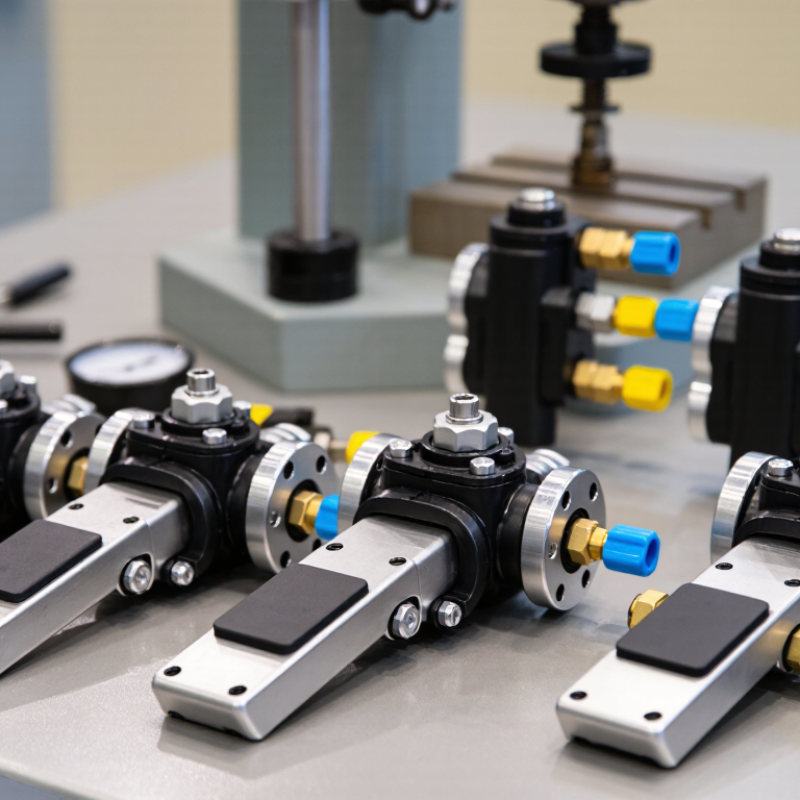
Foot pedal valves let operators control fluid or compressed air without using their hands. This matters when both hands guide a workpiece or hold a tool.
A directional valve changes airflow or hydraulic flow between ports. A three-way valve can start, stop, or redirect a circuit. A four-way valve commonly controls double-acting cylinders.
Some pedals return automatically when released. Others stay in position until pressed again. The right action depends on the machine’s movement and risk level.
In practical inspections, I check the operating pressure, connection size, flow requirement, and pedal travel. A small valve may restrict a fast cylinder. An oversized valve can waste space and increase cost.
Guarded pedals help prevent accidental activation near crowded work areas. However, a pedal is not a complete safety system. Emergency stopping, isolation, and machine guarding still need separate attention.
Selection is rarely perfect on the first attempt. I have seen installations fail because designers ignored foot position and operator fatigue.
A pedal should feel stable, clear, and easy to release. Spring return is often preferable where continued movement creates danger.
Maintained-action pedals may suit controlled positioning tasks, but they require stronger risk assessment.
Check material compatibility, temperature limits, maintenance access, and applicable local standards.
Test the complete circuit under realistic loads. A clean catalog specification cannot replace that test.
Record pressure, flow, medium, temperature, cycle frequency, and connection details. Measure under load. Static readings can mislead.
Specify flow in SCFM or L/min. Compare pressure-drop data at your actual flow rate. A high pressure rating does not guarantee stable movement.
Confirm port size, thread standard, tubing diameter, and exhaust arrangement. A mismatched thread may leak or damage the valve body. Small errors become expensive.
Look for a guarded pedal, stable base, and clear return action. Assess accidental activation risks. Emergency stopping should remain independent.
Choose corrosion-resistant materials and seals suited to the working medium. Protect exposed pivots from grit. Moisture can weaken springs and seals.
Test realistic foot angles, repeated cycles, cold starts, and normal safety footwear. Check smooth movement and reliable return. Test it twice.
Inspect the pedal, guard, tubing, and fittings at planned intervals. Watch for leaks, delayed return, unusual noise, or a soft pedal. Keep records.
Not always. Include fittings, tubing, mounting hardware, maintenance, and downtime. I once underestimated dust exposure. That decision needed rethinking.
Leave a reasonable margin above normal demand. Avoid excessive oversizing, which may increase cost and reduce control. The perfect choice is rarely obvious.
Choosing the right Foot Pedal Valve begins with understanding how it will function within your equipment. Start by reviewing the available valve types, control methods, and common applications to determine whether the valve suits your operating process. Then define your system’s pressure range, required airflow or fluid flow, port size, connection style, and available installation space. These details help prevent poor performance, compatibility issues, and unnecessary modifications.
Next, compare construction materials and actuation styles according to the working environment, including temperature, moisture, dust, chemical exposure, and frequency of use. Prioritize practical safety features, dependable operation, sturdy construction, and easy maintenance. A durable valve may offer better long-term value even if its initial cost is higher, while a simpler model may be appropriate for light-duty equipment. By balancing technical requirements, operating conditions, service needs, and budget, you can select a Foot Pedal Valve that provides reliable control, comfortable use, and consistent performance.

 Vita Construction