How to Choose the Right Oil Filter in 2026?

Time:2026-10-26 Author:Madeline
0%

Choosing the right Oil Filter in 2026 requires more than matching a part number. Modern engines operate under tighter tolerances, higher temperatures, and longer service intervals. A filter must control harmful particles without restricting oil flow.

Dr. Robert M. Gresham, a respected lubrication specialist, wrote, “The purpose of a lubricant is to reduce friction and wear.” His statement also explains why filtration matters. Clean oil protects bearings, turbocharger shafts, timing components, and hydraulic tensioners. The wrong filter can weaken that protection. It may fit the housing but still use poor media, a weak anti-drainback valve, or an unsuitable bypass setting.

Look beyond the box.

A reliable selection starts with the vehicle manufacturer’s specification. Check thread size, gasket dimensions, bypass-valve requirements, and pressure ratings. Then consider driving conditions. Short trips, dusty roads, towing, and cold starts can demand stronger filtration and better flow performance. Synthetic filter media may offer improved dirt-holding capacity, but it is not automatically the best choice for every engine.

This is where many buyers become too confident. A higher price does not guarantee better protection. Marketing claims can also hide important limitations. Compare tested performance, certification details, and the manufacturer’s technical data. Oil Filter quality should be judged by evidence, not appearance.

Even experienced technicians can overlook one detail: service interval compatibility. A filter designed for ordinary maintenance may not suit extended-drain oil. Review the complete lubrication system, not only the filter. In 2026, the smartest choice remains practical, verified, and matched to real operating conditions.
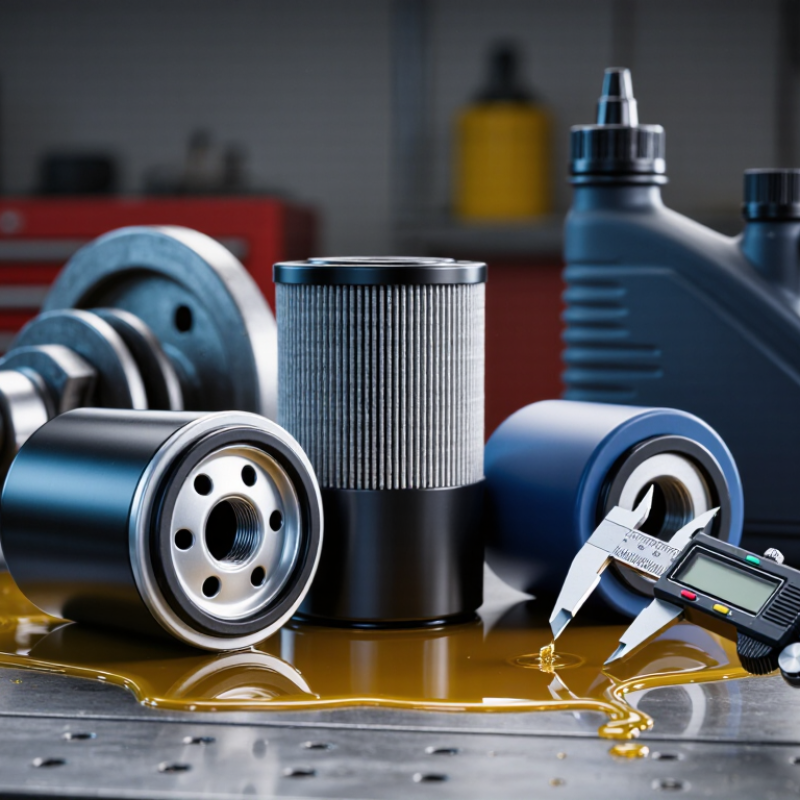
How to Choose the Right Oil Filter in 2026?

Understanding What an Oil Filter Does

How to Choose the Right Oil Filter in 2026?

Understanding What an Oil Filter Does

An oil filter removes harmful particles from engine oil as it circulates through moving parts. Dust, metal fragments, carbon, and sludge can damage bearings and cylinder walls. The filter traps these contaminants inside a folded media element. Clean oil then returns to the engine under pressure.

A good filter does more than catch dirt. Its bypass valve allows oil to flow if the media becomes restricted, especially during cold starts. Its anti-drainback valve helps prevent the filter from emptying when the engine rests. Without it, the engine may run briefly with delayed oil pressure. That small delay matters.

I once assumed a higher micron rating always meant better protection. That assumption was wrong. A filter that traps extremely fine particles may restrict flow if poorly matched to the engine. Service specifications, thread size, gasket dimensions, pressure limits, and replacement intervals all deserve attention. The owner’s manual remains the most reliable starting point.

Check the filter after removal.

A cut-open filter can reveal unusual debris, though it cannot diagnose every problem. Shiny flakes may indicate internal wear, while thick sludge can suggest neglected maintenance or overheating. Filter choice should match the engine’s design, oil viscosity, driving conditions, and approved service requirements. Fancy claims are not enough.

How to Choose the Right Oil Filter in 2026? — Understanding What an Oil Filter Does

An oil filter traps solid contaminants before they circulate through engine lubrication passages. Filter performance is commonly described using a beta ratio: βx indicates the number of particles upstream compared with downstream at a stated particle size.

How to read this chart: The calculated single-pass efficiency is based on the beta-ratio formula Efficiency = (β − 1) ÷ β × 100. A higher beta ratio indicates that fewer particles pass through during the specified test. Always compare filters tested at the same particle size, oil temperature, flow rate, and test standard.

Matching the Filter to Your Vehicle and Engine

How to Choose the Right Oil Filter in 2026?

Matching the filter to your vehicle and engine starts with the owner’s manual. Check the exact engine size, production year, oil viscosity, and recommended filter specifications. A filter for a small turbocharged engine may not suit a larger diesel engine. The thread size, gasket diameter, pressure rating, and filtration capacity must match precisely. I once fitted a filter with the correct thread but a slightly different gasket. It sealed at first, then left a thin oil mark after a long drive. Small differences matter.

Tips: Compare the old filter with the new one before installation. Measure the gasket. Inspect the threads. Choose a filter designed for your engine’s oil pressure and service interval. Engines with turbochargers or extended oil-change periods may need stronger filter media and higher dirt-holding capacity. A quality anti-drainback valve can also reduce dry starts after overnight parking. Read the technical sheet, not only the box label.

Avoid choosing by price alone. Cheap filters can appear identical, yet their valves or filter material may differ. Still, expensive does not automatically mean better. I would recheck the manual, service history, and driving conditions before deciding. Short trips, dusty roads, towing, and heavy traffic can increase contamination. The “perfect” filter may change with the engine’s real working environment. Even experienced owners can overlook that.

How to Choose the Right Oil Filter in 2026? - Matching the Filter to Your Vehicle and Engine

Vehicle or Engine Application Key Oil Filter Requirement Recommended Filter Construction Important Specifications to Verify Selection and Maintenance Guidance
Naturally Aspirated Gasoline Engine Reliable removal of wear particles, combustion by-products, and suspended contaminants during normal operating conditions. Quality cellulose or blended filter media with a correctly sized anti-drainback valve when the filter is mounted horizontally or upside down. Correct thread, gasket diameter, filter height, pressure rating, and engine-approved oil specification. Choose the exact application-specific filter listed for the engine. Replace the filter whenever the engine oil is changed unless the vehicle manufacturer states otherwise.
Turbocharged Gasoline Engine Stable filtration under higher oil temperature, increased oil flow demand, and greater stress on the turbocharger lubrication circuit. High-quality synthetic or blended media with strong pleat support, adequate dirt-holding capacity, and a dependable pressure-relief system. Specified bypass-valve setting, maximum operating pressure, media efficiency, and compatibility with the required oil viscosity. Do not select a filter only by physical fit. A filter with an incorrect bypass setting may affect oil delivery during cold starts or restricted-flow conditions.
High-Performance or Track-Used Engine Consistent oil flow during high engine speed, elevated temperature, and repeated acceleration and deceleration. Durable synthetic-blend or synthetic media, a rigid center tube, secure end caps, and a housing designed for high pressure. Pressure rating, burst strength, bypass-valve specification, gasket material, and suitability for the engine builder's oil requirements. Follow the engine builder's service schedule. Severe-use operation can require more frequent oil and filter changes than ordinary road use.
Diesel Passenger Vehicle High dirt-holding capacity and efficient control of soot and fine particles suspended in diesel engine oil. Heavy-duty cellulose, synthetic-blend, or synthetic media with strong pleat bonding and a robust anti-drainback valve where required. Diesel-specific application, filtration efficiency, dirt capacity, bypass setting, and compatibility with the prescribed low-ash oil. Use the filter specification intended for the exact diesel engine. A gasoline-engine filter that fits physically may not have the required capacity or pressure characteristics.
Heavy-Duty Diesel or Commercial Vehicle Extended operating hours, high oil volume, soot loading, vibration, and demanding thermal conditions. Heavy-duty filter media with high contaminant capacity, reinforced construction, and seals designed for continuous service. Engine manufacturer approval, filter capacity, pressure-flow performance, seal material, service interval, and oil-system volume. Base replacement intervals on the vehicle manufacturer's schedule, oil analysis, and operating conditions. Shorten intervals for heavy loads, dust, idling, or severe duty.
Hybrid Gasoline Vehicle Protection during frequent engine starts and stops, which can increase cold-start events and condensation-related stress. Media with dependable cold-flow performance and an effective anti-drainback valve when specified by the vehicle design. Exact engine application, oil grade, gasket dimensions, anti-drainback design, and the vehicle's maintenance-monitor requirements. Use the vehicle-specific filter rather than assuming a conventional gasoline filter is suitable. Follow the hybrid system's maintenance reminder and engine schedule.
Start-Stop Equipped Vehicle Rapid lubrication after repeated engine restarts and protection against oil drain-back between operating cycles. Filter with a correctly functioning anti-drainback valve and media designed for the specified oil flow and pressure range. Valve material, sealing performance, bypass setting, thread, gasket dimensions, and cold-start flow characteristics. Confirm that the filter is approved for the exact engine. Frequent restarts do not justify exceeding the manufacturer's oil-change interval.
Vehicle Used in Cold Climates Maintained oil flow during low-temperature starts, when engine oil becomes more viscous. Filter media and internal valves that meet the engine's cold-flow and pressure requirements without collapsing or restricting flow. Specified oil viscosity, bypass-valve setting, pressure rating, anti-drainback performance, and cold-weather application data. Use the manufacturer's recommended winter oil grade. A larger filter is not automatically better unless the engine manufacturer approves it.
Dusty, Off-Road, or Construction Use Higher contaminant capacity and resistance to vibration, dust exposure, and extended low-speed operation. Strongly bonded media, durable housing, secure end caps, and a seal capable of maintaining contact under vibration. Dirt-holding capacity, housing strength, gasket quality, bypass specification, and compatibility with the engine's oil system. Inspect for external damage and leaks. Severe dust and heavy idling may require more frequent oil and filter replacement.
Engine With a Cartridge-Style Filter Correct element orientation and complete replacement of the required sealing components. Precisely sized cartridge media with the correct end-cap design and supplied O-rings or seals when applicable. Element length, diameter, pleat configuration, O-ring size, installation position, and housing-cap torque specification. Replace every required O-ring, lubricate the seal with clean engine oil, and install it in the specified groove. Do not place an O-ring over the old seal.
Engine With a Spin-On Filter Correct sealing, secure mounting, and reliable operation of the internal bypass and anti-drainback valves. Application-specific spin-on filter with reinforced casing, properly bonded media, and a correctly sized gasket. Thread size and pitch, gasket outer and inner diameter, filter height, bypass setting, anti-drainback valve, and pressure rating. Compare the new gasket with the old filter before installation. Apply a thin film of clean oil to the gasket and tighten according to the vehicle instructions.
Extended Oil-Change Interval Higher contaminant capacity and durability for the complete manufacturer-approved service interval. High-capacity synthetic-blend or synthetic media, provided the filter is specifically approved for the intended interval. Engine manufacturer approval, maximum service interval, capacity, efficiency, oil specification, and operating-condition limits. Never extend the oil or filter interval solely because a filter is marketed as long-life. Follow the vehicle manufacturer's time, mileage, and severe-service limits.
Important: The correct oil filter is determined by the exact vehicle, engine code, model year, mounting position, and manufacturer specification. Always verify the application through the vehicle owner's manual or an authoritative parts catalog before installation. Physical fit alone does not confirm compatibility.

Comparing Filter Types, Materials, and Filtration Performance

How to Choose the Right Oil Filter in 2026?

Comparing Filter Types, Materials, and Filtration Performance

When choosing an oil filter, start with the engine’s required fit and oil-flow specification. A filter that screws on easily may still have the wrong seal, thread, or bypass-valve setting. Fit comes first. I compare the service manual with the technical sheet, not just the printed micron number. That habit prevents many avoidable mistakes.

Filter media directly affects performance. Cellulose media costs less and offers dependable everyday protection. Synthetic media usually captures finer particles while maintaining steadier flow as the filter loads. Blended media provides a practical middle ground. However, finer filtration does not automatically mean better protection. Excessive restriction can reduce flow during cold starts. The anti-drainback valve also matters, especially when an engine sits overnight. A well-made valve helps limit dry-start wear.

Look for published efficiency data, dirt-holding capacity, burst strength, and temperature limits. A beta ratio tested under ISO 4548 procedures is more useful than vague claims. Yet test conditions differ, so comparisons require caution. I once trusted a high efficiency figure and overlooked poor capacity. The filter became restrictive earlier than expected. That was a useful correction. Select the filter according to oil viscosity, driving conditions, and the recommended change interval. Short trips and dusty roads may justify more frequent replacement. Inspect the removed filter when possible. Dark oil alone proves little, but metal flakes, collapsed pleats, or damaged seals deserve professional investigation.

Checking Fit, Quality Standards, and Manufacturer Compatibility

How to Choose the Right Oil Filter in 2026?

Choosing an oil filter starts with fit, not price. Check the vehicle manual, service catalog, thread size, gasket diameter, filter length, and bypass-valve setting. A filter can screw on correctly and still perform poorly. I have seen this mistake during routine servicing. The engine sounded normal, but the gasket had seated unevenly.

Manufacturer compatibility also depends on oil viscosity, engine design, and recommended service intervals. Confirm the filter’s part specification through the vehicle identification number, not only a similar-looking catalog image. Catalogs can contain errors. Recheck the dimensions before installation. A clean sealing surface matters, too. Wipe the mounting plate and lightly lubricate the new gasket with clean engine oil.

Quality should be supported by recognized testing. SAE J806 evaluates full-flow lubricating oil filter performance, including contaminant capacity and filtration behavior. ISO 4548-12 examines particle removal efficiency under controlled operating conditions. These standards provide stronger evidence than vague claims such as “premium” or “maximum protection.” The 2024 Auto Care Factbook valued the U.S. automotive aftermarket at roughly 390 billion dollars in 2023, reflecting the crowded replacement-parts market. More choices do not always mean better choices. I still question unusually low prices, missing test references, and unclear bypass-valve data. A suitable filter should match the engine’s specifications, maintain oil flow, and carry traceable technical information.

Choosing Replacement Intervals and Verifying Filter Performance

Choosing an oil filter in 2026 requires more than matching thread size and engine capacity. The 2024 Auto Care Association Factbook reports that the average U.S. light vehicle is 12.6 years old. Older engines may produce more deposits, especially under short-trip or high-temperature driving. Therefore, replacement intervals should follow the vehicle maker’s schedule, then adjust for severe service. Frequent towing, dusty roads, and repeated cold starts justify earlier changes.

A practical interval is often linked to the oil change, but that is not universal. Fleet maintenance records can reveal rising oil pressure, reduced flow, or unusual contamination. I would not trust a clean-looking filter alone. Filter performance should be checked against ISO 4548-12 multi-pass testing, which measures particle removal and pressure loss under controlled conditions. SAE J806 also provides an established method for evaluating filtration efficiency and capacity.

Look for published test values, including efficiency at a stated particle size, dirt-holding capacity, and burst strength. Numbers without test conditions are weak evidence. A filter claiming high efficiency may restrict flow if its media area is inadequate. That trade-off is easy to miss. The 2024 Factbook also shows an aging vehicle fleet, so one fixed interval cannot fit every engine. My own maintenance rule would remain conservative, but it should be reviewed after oil analysis, driving changes, or repeated warning-light events.

FAQS

What does an engine oil filter do?

It traps dust, metal fragments, carbon, and sludge inside folded filter media. Clean oil then returns under pressure.

Why are bypass and anti-drainback valves important?

The bypass valve maintains oil flow when the filter becomes restricted. The anti-drainback valve helps prevent an empty filter after parking. Small delay, real consequence.

Is the finest filtration always the best choice?

No. Extremely fine media can restrict oil flow when poorly matched. Check the engine’s approved specifications and oil viscosity.

How can I confirm the correct filter fit?

Check the service manual, thread size, gasket diameter, filter length, and bypass-valve setting. A similar-looking filter may still fit badly.

What should I check before installing a replacement filter?

Clean the mounting surface and inspect the old gasket area. Lightly lubricate the new gasket with clean engine oil.

How can I judge filter quality?

Look for traceable technical data and recognized filtration testing. Check efficiency, dirt-holding capacity, pressure loss, and burst strength.

When should an oil filter be replaced?

Replace it according to the vehicle’s service schedule, usually with the oil. Dusty roads, towing, short trips, and frequent cold starts may require earlier changes.

What can an old filter reveal about engine condition?

Shiny flakes may suggest internal wear. Thick sludge can point to neglected maintenance or overheating. A filter cannot diagnose everything.

Why should testing conditions matter?

A high efficiency number means little without particle size and test conditions. I once trusted a large percentage too quickly.

Should older engines use one fixed replacement interval?

Not necessarily. Older engines may create more deposits, so review intervals after driving changes, oil analysis, or warning lights. Be conservative, but reassess.

Conclusion

Choosing the right Oil Filter in 2026 starts with understanding its essential role: it removes dirt, metal particles, sludge, and other contaminants from engine oil, helping reduce wear and support reliable lubrication. The filter should match your vehicle’s engine type, oil specifications, operating conditions, and manufacturer requirements. A correct match ensures proper oil flow, secure installation, and effective protection during both normal driving and demanding conditions.

When comparing options, consider filter construction, media materials, filtration efficiency, dirt-holding capacity, bypass valve design, and overall durability. Always verify the thread size, gasket dimensions, pressure ratings, and compatibility with the vehicle before installation. Choosing a filter that meets recognized quality standards can improve consistency and reduce the risk of leaks or restricted oil flow. Replacement intervals should follow the vehicle’s maintenance schedule while also accounting for driving habits, climate, and oil type. After installation, checking for leaks, unusual engine noise, and proper oil pressure can help confirm that the filter is performing as intended.


Madeline

Madeline

Madeline is a dedicated marketing professional with a wealth of expertise in our company's core offerings. With a keen understanding of the industry, she brings a unique perspective to her role, consistently delivering high-quality content that highlights the superior aspects of our products. As......