What is an Engine Cylinder Block and Its Importance in Cars?

Time:2026-08-21 Author:Mason
0%

The Engine Cylinder Block is a fundamental component of any internal combustion engine. It houses multiple cylinders, which are essential for converting fuel into mechanical energy. According to the International Organization of Motor Vehicle Manufacturers (OICA), over 90 million cars are produced annually, emphasizing the importance of robust engine designs, including the cylinder block, in today’s automotive industry.

Recent studies indicate that the engine block contributes significantly to engine performance and efficiency. A well-designed Engine Cylinder Block can optimize heat dissipation and reduce weight, which are crucial for enhancing overall vehicle performance. However, not all engine blocks are created equal. Variations in manufacturing processes can lead to inconsistencies, affecting their durability and efficiency.

Engine Cylinder Blocks can also face challenges such as wear and tear over time. This makes regular inspections critical for vehicle maintenance. Reports from the Society of Automotive Engineers (SAE) highlight that about 15% of engines experience significant issues due to block deterioration. Addressing these challenges requires ongoing innovation in materials and engineering—a reflection of the industry's commitment to safety and reliability.
What is an Engine Cylinder Block and Its Importance in Cars?

What is an Engine Cylinder Block?

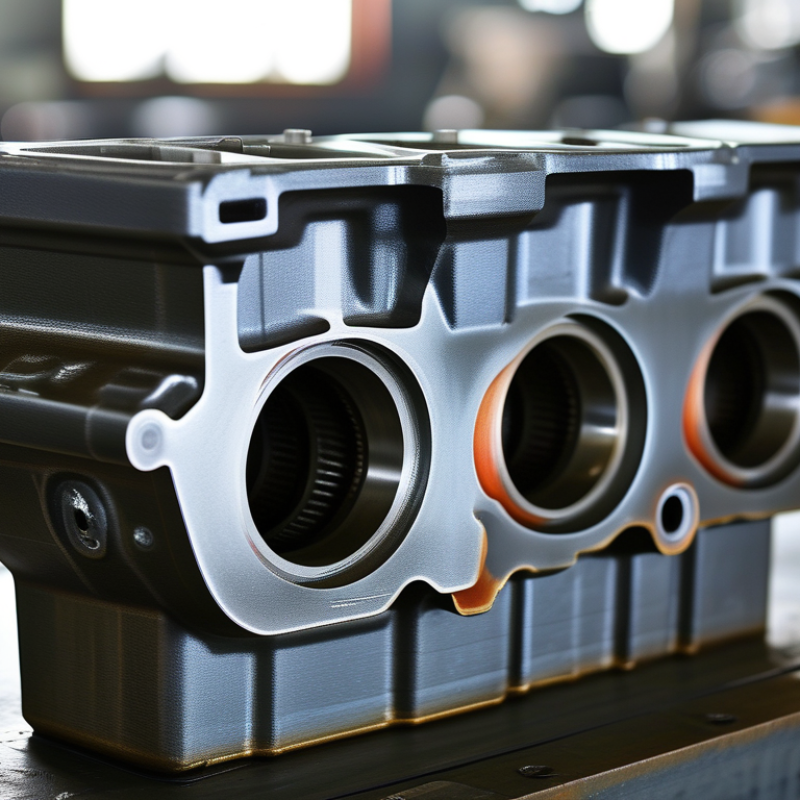
The engine cylinder block is a crucial component in any vehicle's engine. It serves as the main structure that houses the cylinders, pistons, and crankshaft. Typically made from iron or aluminum, the block must endure high temperatures and pressures. According to a report from the Society of Automotive Engineers (SAE), the design and manufacturing of the cylinder block can account for up to 30% of a car's total engine weight. This weight impacts fuel efficiency and overall performance.

Choosing the right material is essential for durability. Aluminum blocks are lighter, which enhances performance but may not withstand wear as well as cast iron. Some engineers argue that advancements in manufacturing could improve aluminum's longevity. An imperfect balance between weight and strength often exists, leading to ongoing debates in the industry.

Wear and tear in the cylinder block can lead to engine failures, which are costly. Regular maintenance can prolong its life. Inspecting for cracks or leaks enhances reliability. Monitoring coolant levels is also critical. Remember that neglecting the cylinder block could lead to serious issues down the line.

Engine Cylinder Block Characteristics

The above chart illustrates the various characteristics of engine cylinder blocks. The data provided includes different dimensions such as material type index, average weight, heat resistance, and cost, highlighting the importance of these components in vehicle performance and durability.

Key Components of an Engine Cylinder Block

The engine cylinder block is a fundamental component in cars. It serves as the main structure that houses several key elements of the engine. This block supports the cylinders, where combustion occurs. Its design directly influences engine performance and efficiency.

Key components of an engine cylinder block include the cylinders themselves, the coolant passages, and oil galleries. Each cylinder is a tube where pistons move up and down. These movements are essential for power generation. The coolant passages are crucial for regulating temperature. If these passages are blocked or damaged, overheating can occur. Oil galleries ensure proper lubrication throughout the engine, reducing friction.

However, imperfections in the cylinder block can lead to significant issues. Cracks or warping can drastically affect engine performance. Regular inspections are necessary, but mechanics may miss subtle signs of wear. Maintaining the integrity of the cylinder block is vital for a functioning engine. Addressing minor problems early can prevent costly repairs later. Understanding these components enhances overall vehicle knowledge and readiness.

The Role of the Cylinder Block in Engine Functionality

The cylinder block is a crucial component of an internal combustion engine. It houses the cylinders, which are vital for the combustion process. Inside each cylinder, fuel and air mix, ignite, and create the power that drives the vehicle. The design and materials used in a cylinder block can significantly impact engine efficiency and durability.

The functionality of the cylinder block goes beyond just housing the cylinders. It also supports the crankshaft and strengthens the engine’s overall structure. A well-engineered cylinder block helps control heat, ensuring optimal performance. However, not all designs are equal. Some may lead to overheating or wear over time. Issues like these highlight the importance of quality engineering in cylinder block production.

When considering an engine’s efficiency, the cylinder block plays a pivotal role. Manufacturing processes can vary, leading to differences in performance. Choosing the right block involves understanding its materials, cooling systems, and potential weaknesses. Even small imperfections in the cylinder block can lead to significant issues in the engine’s longevity. Therefore, careful selection and knowledge about these components are essential for any vehicle enthusiast.

What is an Engine Cylinder Block and Its Importance in Cars?

Dimension Specification Significance
Material Cast Iron or Aluminum Alloy Durability and Weight Considerations
Cylinder Count 4, 6, 8 Cylinders Impact on Power Output and Engine Size
Bore Diameter 70-100 mm Determines Engine Displacement
Stroke Length 80-90 mm Affects Torque and Efficiency
Cooling System Type Liquid or Air-Cooled Prevents Overheating
Sealing Technology Gasket Formed Ensures Engine Efficiency

How Cylinder Block Design Affects Engine Performance

The design of an engine cylinder block plays a crucial role in overall engine performance. A well-engineered block enhances strength and stability, accommodating the intense heat and pressure generated during combustion. For instance, integrating cooling passages is vital for maintaining optimal engine temperatures. A properly designed block ensures effective heat dissipation, preventing overheating and subsequent engine failure.

Various factors affect cylinder block design, such as materials used and manufacturing techniques. Aluminum blocks are popular for their lightweight properties, while cast iron offers durability. However, each material has its trade-offs. Aluminum may warp under extreme conditions, while cast iron can be heavier, affecting acceleration and fuel efficiency. Designers must balance these aspects to maximize performance without compromising reliability.

Next, the orientation and size of cylinder bores influence the engine's power output. Larger bore sizes can improve airflow, leading to enhanced combustion efficiency. However, this may require careful tuning to avoid excessive fuel consumption. Achieving an optimal design involves considering both power generation and efficiency, prompting ongoing reflection and innovation in engineering practices.

Common Materials Used in Engine Cylinder Blocks

Engine cylinder blocks are a crucial component of internal combustion engines. They are primarily made from durable materials that can withstand high pressure and heat. Common materials include cast iron and aluminum, each offering distinct advantages.

Cast iron is a traditional choice. It has excellent wear resistance and thermal stability. This material can handle the stress of engine operations. However, cast iron is heavy, which might affect vehicle performance and fuel efficiency.

Aluminum has gained popularity in modern engines. It is significantly lighter than cast iron, improving power-to-weight ratios. Aluminum allows for better fuel efficiency and handling. Some manufacturers use aluminum alloys to gain strength while reducing weight. However, aluminum can be less durable under extreme conditions. Engineers often contemplate the best material based on the desired performance and engine design. The choice isn’t always straightforward, requiring careful analysis.

FAQS

: What is the role of the cylinder block in an engine?

: The cylinder block houses the cylinders essential for combustion. It also supports the crankshaft.

What materials are commonly used for cylinder blocks?

Common materials include cast iron and aluminum, each offering different benefits for engine performance.

How does cast iron compare to aluminum for cylinder blocks?

Cast iron is heavy but durable, while aluminum is lighter, improving fuel efficiency.

Why is the design of the cylinder block important?

The design impacts engine efficiency and durability. Poor designs can lead to overheating or wear.

What factors should be considered when choosing a cylinder block?

Consider materials, cooling systems, and potential weaknesses to ensure optimal performance.

Can small defects in a cylinder block cause issues?

Yes, small imperfections can lead to significant problems affecting engine longevity.

Does the weight of the cylinder block affect vehicle performance?

Yes, heavier blocks may reduce fuel efficiency and overall vehicle performance.

What is the impact of manufacturing processes on cylinder blocks?

Different manufacturing processes can lead to variations in engine performance and reliability.

How important is the relationship between materials and engine design?

It is crucial, as the right material choice affects strength, weight, and overall engine function.

Is it easy to choose the right cylinder block?

No, it's complex and requires careful analysis of performance needs and material options.

Conclusion

The Engine Cylinder Block is a critical component of an automotive engine, serving as the main structure that houses the cylinders where fuel combustion occurs. It plays a vital role in maintaining engine functionality by providing a robust foundation for various engine parts such as crankshafts and pistons. The design of the cylinder block significantly influences engine performance, affecting factors like heat dissipation and overall power output.

Key components of an Engine Cylinder Block include the coolant passages, oil galleries, and cylinder walls, all of which work together to optimize engine efficiency. Materials commonly used in manufacturing cylinder blocks, such as cast iron and aluminum, offer unique advantages in weight, durability, and thermal conductivity. Understanding the importance and design intricacies of the Engine Cylinder Block is essential for appreciating its impact on automotive engineering and performance.


Mason

Mason

Mason is a seasoned marketing professional with a deep expertise in the company's offerings and a passion for driving brand awareness. With a strong background in digital marketing strategies, he has an innate ability to connect with diverse audiences and effectively communicate product benefits.......