Essential Crankshaft Bearing Tips for Global Buyers?

Time:2026-08-06 Author:Ethan
0%

Understanding the complexities of "Crankshaft Bearings" is vital for global buyers. Expert John Bennett, a renowned industry consultant, has emphasized, "Quality bearings can dramatically affect engine longevity." In an industry where precision and reliability are crucial, knowing the right tips can prevent costly mistakes.

When selecting Crankshaft Bearings, buyers must understand the options available. Parameters such as size, material, and design play significant roles. A poorly chosen bearing can lead to engine failure. These decisions are often clouded by misinformation and a lack of clear guidance.

Buyers should seek out suppliers with strong reputations and proven track records. Engaging with industry professionals can provide valuable insight. However, even with expertise, no one is immune to error. Continuous learning and adaptation are essential for success in sourcing Crankshaft Bearings. Being mindful of these factors can lead to better choices and ultimately, a more reliable engine performance.
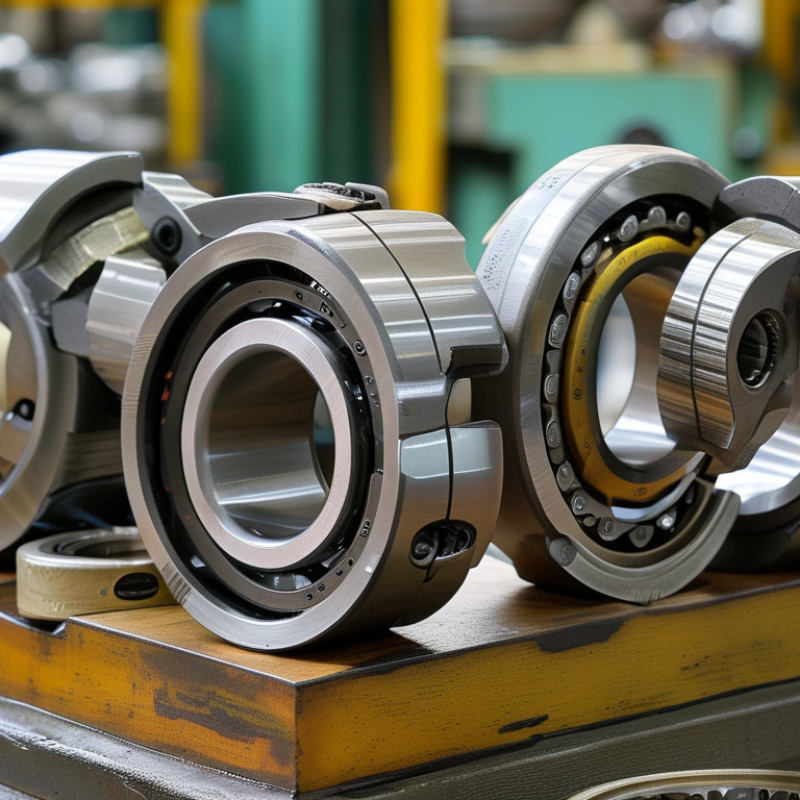
Essential Crankshaft Bearing Tips for Global Buyers?

Understanding Crankshaft Bearings: Types and Functions

Crankshaft bearings play a crucial role in engine performance. They support the crankshaft, allowing it to rotate smoothly while minimizing friction. Understanding these components is essential for buyers in any market. Different types of crankshaft bearings exist, including plain, roller, and thrust bearings. Each type serves a unique function suited to various engine designs.

Plain bearings, commonly used in many engines, rely on a smooth surface to eliminate friction. Roller bearings, on the other hand, use cylindrical elements to handle higher loads. They provide better performance but can be more expensive. Thrust bearings are designed to control axial movement, ensuring that the crankshaft remains in place during operation.

Buyers should assess their specific needs carefully. The right choice impacts vehicle reliability and efficiency. Some may find it challenging to distinguish between bearing types, leading to confusion. Always consider the weight, load capacity, and application. Such details matter in making informed decisions. Researching thoroughly can help mitigate errors and improve overall outcomes.

Key Factors to Consider When Sourcing Crankshaft Bearings

When sourcing crankshaft bearings, understanding material quality is critical. The bearings typically come in various materials, like aluminum and bronze. Each material offers unique benefits, such as thermal stability or corrosion resistance. Buyers must evaluate the specifics of their applications to choose the right ones. It’s important to consider the long-term performance of these materials under different operating conditions.

Another vital aspect is the manufacturer’s reputation. A reliable supplier likely has stringent quality control processes. Checking reviews and industry certifications can provide insights into a manufacturer’s credibility. Buyers should also inspect samples before making bulk orders. This hands-on experience can reveal manufacturing flaws that might not be apparent in catalog images.

Don’t underestimate the impact of proper installation. Improper placement can lead to operational issues. Ensuring that installation guidelines are followed is paramount. Regular checks and maintenance are also necessary to optimize life span. Paying attention to these details can significantly affect functionality and reliability.

Quality Standards and Certifications for Crankshaft Bearings

When purchasing crankshaft bearings, understanding quality standards and certifications is crucial. Buyers need assurance of reliability and performance. The ISO 9001 certification is often a good indicator. It shows that the manufacturer follows strict quality management systems. Additionally, look for certifications like ASTM and SAE. These organizations provide guidelines that ensure high-quality materials and manufacturing processes.

Quality control tests are vital to the manufacturing process. A bearing may look perfect visually, but internal defects can lead to failure. Regular testing methods, such as ultrasonic testing and magnetic particle inspection, help detect these hidden issues. Not all manufacturers may perform these tests thoroughly. This gap often leads to subpar products entering the market.

Buyers should also consider the impact of material selection. The composition of steel or alloy in bearings influences durability and performance. Hardness, lubrication, and resistance to wear are essential factors. Sometimes, manufacturers may prioritize cost over materials, which can affect longevity. Therefore, conducting thorough research before making a purchase is essential.

Common Issues and Solutions in Crankshaft Bearing Selection

Selecting the right crankshaft bearing is critical for optimal engine performance. Buyers often encounter common issues, such as improper sizing or material selection. These can lead to premature wear, increased friction, or even catastrophic engine failure. Understanding the mechanics involved is essential for making informed decisions.

One crucial tip is to always verify specifications. Missing or misinterpreted details can result in poor fitment. Check the manufacturer's guidelines, but also rely on your own measurements. Engage with trusted suppliers who can provide insights based on their experience. This proactive approach can mitigate risks significantly.

Another common pitfall is overlooking material compatibility. Not all bearings are created equal; different applications require specific materials. For instance, some engines need high-strength steel, while others may perform better with aluminum alloys. Research the optimal choices for your particular engine type. It may be less glamorous than other engine components, but the right bearing can save immense costs down the line.

Essential Crankshaft Bearing Selection Criteria

This chart represents the importance level of various selection criteria for crankshaft bearings, which are critical for global buyers to consider when making their purchasing decisions.

Best Practices for Installation and Maintenance of Crankshaft Bearings

When it comes to crankshaft bearings, installation and maintenance are critical. Studies show that improper installation can reduce bearing life by up to 50%. Following best practices can help maximize performance.

Ensure cleanliness during installation. Dust and debris can cause premature wear. A clean workspace is essential. Use gloves and avoid touching bearing surfaces with bare hands. Torque specifications are equally important. Over-tightening can lead to distortion. This can create friction and heat, ultimately shortening bearing lifespan.

Regular maintenance is vital for long-term performance. Inspection intervals should match vehicle usage. Monitoring oil quality is crucial. Contaminated oil harms bearings. According to the World Bearing Association, nearly 30% of bearing failures are due to lubrication issues. Consider implementing a proactive approach. Early detection can prevent costly replacements. Keep an eye on unusual noises or vibrations. These could signal underlying problems.

Essential Crankshaft Bearing Tips for Global Buyers

Tip Description Best Practices Maintenance Frequency
Proper Lubrication Ensure adequate oil supply to minimize friction. Use high-quality oil and check levels regularly. Check daily or with each maintenance cycle.
Torque Specifications Follow manufacturer's torque settings during installation. Use a calibrated torque wrench. Inspect during major service intervals.
Bearing Clearance Ensure proper clearance to prevent overheating. Measure clearances with precision tools. Verify during installation and every rebuild.
Vibration Monitoring Use sensors to detect abnormal vibrations. Regularly check sensor readings. Daily monitoring recommended.
Inspection for Wear Regularly inspect bearings for signs of wear. Look for scoring or discoloration. Monthly visual inspections.

FAQS

: What is the main function of crankshaft bearings?

: Crankshaft bearings support the crankshaft, allowing smooth rotation while minimizing friction.

What are the different types of crankshaft bearings?

The main types are plain, roller, and thrust bearings, each serving unique functions for various engines.

How do plain and roller bearings differ?

Plain bearings rely on a smooth surface to reduce friction, while roller bearings use cylindrical elements for higher loads.

Why is it important to consider material selection for bearings?

The material affects durability, hardness, lubrication, and wear resistance, influencing overall performance and longevity.

What are some common mistakes when selecting bearings?

Common issues include improper sizing and overlooking material compatibility, leading to engine problems or failures.

What quality standards should buyers look for?

Look for ISO 9001 certification and guidelines from organizations like ASTM and SAE to ensure quality materials.

How can buyers verify bearing specifications?

Always check dimensions against the manufacturer's guidelines and take your own measurements to ensure proper fitment.

What tests are essential for quality assurance?

Regular tests like ultrasonic testing and magnetic particle inspection help identify internal defects that could cause failure.

Can the wrong bearing choice impact vehicle efficiency?

Yes, incorrect bearing selection can cause increased friction and premature wear, affecting vehicle reliability.

Is research necessary before purchasing bearings?

Absolutely, conducting thorough research can help avoid costly mistakes and ensure the right choice for your engine type.

Conclusion

Crankshaft bearings play a crucial role in the functionality of an engine by reducing friction between the crankshaft and the engine block. Understanding the various types and functions of crankshaft bearings is essential for global buyers looking to source these components. When selecting crankshaft bearings, key factors such as material quality, load capacity, and environmental conditions must be taken into account.

Additionally, adhering to quality standards and certifications is vital to ensure reliability and performance. Buyers should also be aware of common issues related to crankshaft bearings, such as wear and improper installation, and seek effective solutions. Finally, implementing best practices during installation and maintenance can significantly extend the lifespan and efficiency of the crankshaft bearings, ensuring optimal engine operation.


Ethan

Ethan

Ethan is a seasoned marketing professional with a deep expertise in our company's innovative product line. With a passion for sharing knowledge and insights, he takes the lead in regularly updating our corporate blog, where he explores industry trends, product features, and effective marketing......