7 Flywheel Housing Buying Tips for Global Buyers

Time:2026-09-30 Author:Amelia
0%

A Flywheel Housing may look like a simple cast shell, but small errors can cause costly installation delays. Buyers must check more than price: material grade, dimensional tolerances, mounting points, machining quality, and compatibility with the engine or transmission. A housing that arrives with a misaligned bolt pattern can stall assembly while teams wait for clarification or replacement parts. Details matter.

The 2024 Deloitte and Manufacturing Institute study projects that U.S. manufacturing may need 3.8 million workers by 2033, with up to 1.9 million positions potentially unfilled. This is not a flywheel-housing market forecast, but it highlights the value of dependable suppliers, clear documentation, and predictable production. The World Bank’s Logistics Performance Index 2023 also examines shipment tracking, timeliness, and logistics reliability—useful factors when sourcing components across borders. Reports do not certify any individual part. Buyers still need evidence: drawings, inspection records, material documentation, and sample validation where appropriate. A polished catalogue is not proof.

These seven buying tips help global buyers compare suppliers with practical questions, not vague promises. Confirm the exact application, ask how critical dimensions are checked, and clarify packaging, lead time, and after-sales support before placing an order. One point is easy to miss: specifications can be incomplete, even when both sides believe they are clear. A second review may feel slow. It can prevent a much slower problem later.
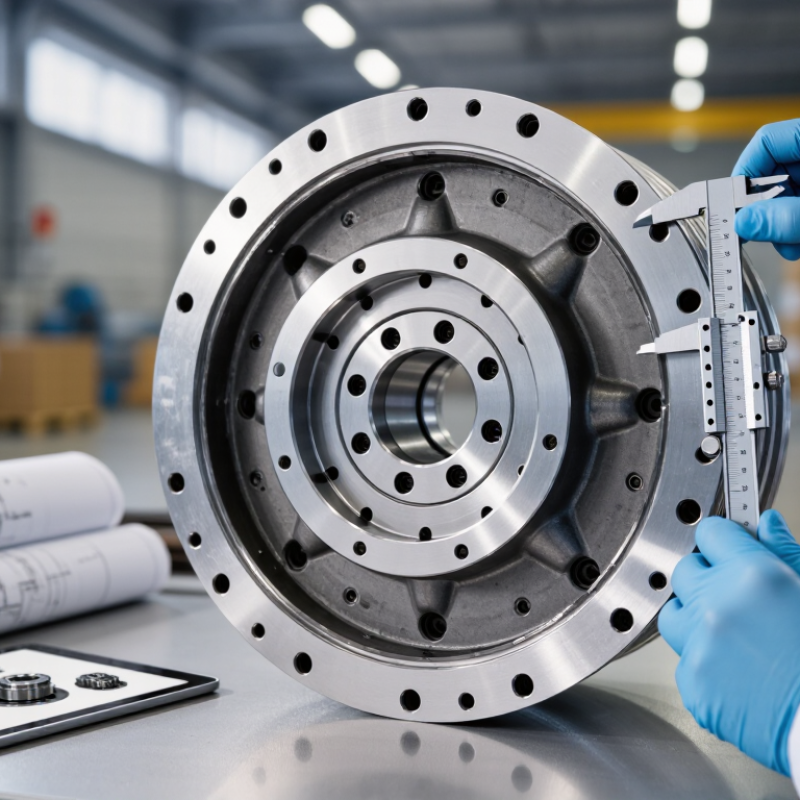
7 Flywheel Housing Buying Tips for Global Buyers

Understanding Flywheel Housing Types and Their Applications

Flywheel Housing Types and Their Applications

A flywheel housing protects the rotating flywheel and connects the engine to nearby equipment. Its design affects alignment, vibration control, maintenance access, and operating safety. Cast iron housings suit heavy industrial engines and generator sets. They handle repeated loads well, but their weight increases transport costs. Aluminum housings reduce overall weight and support mobile equipment. However, they may require careful inspection around mounting points. Steel housings offer strength for demanding environments, especially where impact or high vibration is expected.

Application details matter more than appearance. A housing for a standby generator may prioritize rigid mounting and easy service access. A marine or pump engine may need corrosion-resistant treatment and accurate shaft alignment. Standard housings simplify replacement, while custom housings help match unusual frames, adapters, or driven equipment. In practical sourcing reviews, bolt patterns and pilot diameters cause frequent delays. Buyers should verify both measurements before requesting quotations. Small errors become expensive.

Tips: Request a dimensional drawing, material specification, and inspection report. Confirm the engine model, flywheel size, mounting pattern, and operating speed. Ask whether the housing includes inspection covers, dowel holes, and drain openings. Check packaging support for international transport. A damaged flange can ruin accurate installation. Do not rely only on product photographs. They rarely show internal clearances. I would also compare at least two suppliers, even when the first quotation seems complete. Some specifications are easy to overlook.

Matching Housing Specifications to Engine and Transmission Requirements

7 Flywheel Housing Buying Tips for Global Buyers

Matching a flywheel housing to the engine and transmission is more than checking overall size. Measure the crankshaft centerline, bolt pattern, pilot bore, and mounting depth. Confirm the transmission input shaft clears the housing without contact. A small mismatch can create vibration, clutch wear, or installation delays. Check the torque rating too. The housing must handle the engine’s peak load, not only its normal output.

Ask for a controlled drawing with tolerances, material details, and surface treatment. Verify the housing’s concentricity and flatness through inspection reports. Cast iron may suit heavy-duty applications, while aluminum can reduce weight. However, lighter is not always better. Review temperature changes, mounting stress, and corrosion exposure in the destination environment. Confirm clutch diameter, starter position, sensor openings, and access for maintenance. These details are easy to miss.

Request sample measurements before approving bulk production. Use the same reference points on both engine and transmission drawings. If possible, conduct a trial fit with the actual mating components. Digital models help, but they do not replace physical verification. I have seen accurate-looking drawings hide a two-millimeter offset. That mistake was expensive. Check packaging protection, identification marks, inspection records, and technical support for cross-border delivery. Require clear acceptance criteria in the purchase agreement, including allowable runout and replacement procedures.

Flywheel housing size is a key specification when matching an engine to a transmission. The chart shows nominal SAE flywheel housing bore diameters commonly used for global engine and transmission interface checks. Buyers should also verify bolt-circle layout, pilot diameter, housing depth, crankshaft centerline, and concentricity with the latest supplier drawings before ordering.

Comparing Materials, Manufacturing Methods, and Quality Standards

For global buyers, material choice should match load, heat, and corrosion exposure. Gray cast iron offers damping and low cost. Ductile iron provides higher tensile strength and impact resistance. Steel suits severe loads, but increases machining and shipping costs. The American Foundry Society’s 58th Census reported more than 109 million tonnes of global castings in 2022, showing the scale of this supply chain. Still, volume does not guarantee consistency.

Ask for the material grade, heat-treatment record, and laboratory results. ASTM A48 supports gray iron classification, while ASTM A536 covers ductile iron grades. Check hardness at several housing points, not one convenient location. Inspect bolt holes, flange faces, and bearing bores with calibrated gauges. A coordinate-measuring-machine report can reveal misalignment before assembly. It sounds basic. It is often missed.

Manufacturing method matters. Sand casting handles complex shapes economically, but may leave variable surface finish and porosity. Permanent-mold casting can improve repeatability for suitable designs. CNC machining must follow a controlled drawing revision. Require process capability data for critical dimensions, although small suppliers may provide incomplete records. ISO’s 2022 Survey recorded more than 1.26 million ISO 9001 certificates worldwide. Certification supports a process, not every individual part. Request traceability from melt batch to final inspection, plus nonconformance records. A supplier that admits occasional defects may be more reliable than one claiming perfection.

Assessing Suppliers, Documentation, and Customization Capabilities

Global buyers should assess a flywheel housing supplier beyond price and online photos. A low quotation can hide weak machining controls, unclear materials, or costly shipping conditions. Ask for the supplier’s business license, factory address, quality certificates, and recent inspection records. Verify that these documents match the actual production site. Small inconsistencies deserve attention.

Request complete technical documentation before approving an order. This should include dimensional drawings, material grades, surface treatment details, tolerance ranges, packing specifications, and applicable tariff codes. For export shipments, confirm the commercial invoice, packing list, certificate of origin, and inspection report. Clear documents reduce customs delays. They also protect both parties when specifications change. An independent pre-shipment inspection is useful, although it cannot replace production monitoring.

Customization capability requires practical evidence, not confident promises. Ask whether the supplier can manage your mounting pattern, bolt spacing, sensor openings, wall thickness, and balancing requirements. Review a sample drawing with marked critical dimensions. Then ask for a process plan, tooling estimate, prototype schedule, and approval procedure. A capable supplier should explain risks in plain language. I would also test communication speed and revision accuracy. One missed unit conversion can damage an otherwise acceptable housing. My earlier assumption that a standard drawing was sufficient proved too optimistic; casting distortion and machining access still needed discussion. Keep every revision dated and signed. This simple habit prevents expensive misunderstandings across time zones.

Checking Samples, Pricing, Shipping, and After-Sales Support

7 Flywheel Housing Buying Tips for Global Buyers

Checking Samples, Pricing, Shipping, and After-Sales Support

Tip 1: Request a production sample before placing a large order. Check bolt-hole positions, wall thickness, surface finish, and machining accuracy. Measure critical points with simple tools, then compare them with the approved drawing. I once trusted a supplier’s photographs, and that judgment was incomplete. A real sample revealed rough edges near the mounting area. Ask for material certificates and inspection records. These documents improve traceability and support safer engineering decisions.

Tip 2: Study the full price, not only the unit quotation. Confirm tooling fees, sample charges, packaging, inland transport, and payment terms. A low price may exclude export packing or inspection costs. Ask whether the quotation covers taxes, insurance, and delivery to your port. Use the same specification when comparing suppliers. Otherwise, the figures can mislead you. Allow room for reasonable currency changes, but request written notice before any adjustment.

Tip 3: Treat shipping as part of product quality. Confirm carton strength, moisture protection, pallet dimensions, and shipping marks. Cast components can suffer damage when poorly supported. Request photos before loading and keep the packing list with the shipment documents. Agree on delivery milestones and responsibility for damage in writing. After-sales support matters, too. Ask about response times, replacement procedures, technical drawings, and access to an experienced engineer. One detail is often overlooked: keep spare samples and inspection data for future claims.

7 Flywheel Housing Buying Tips for Global Buyers — Checking Samples, Pricing, Shipping, and After-Sales Support
Buying Tip What to Check Useful Benchmark or Data Point Buyer Action
1. Confirm Fitment and Specifications Verify engine and transmission application, housing material, mounting pattern, starter position, dimensions, and any required casting or part references. Request a dimensioned drawing and confirm critical interfaces before ordering. Even small differences in mounting points or alignment can prevent installation. Send the supplier the application details and compare the drawing against the original part or approved engineering data.
2. Inspect a Production-Representative Sample Check the sample’s dimensions, machined surfaces, bolt holes, finish, visible defects, and packaging. Confirm whether it is made using the same process as production units. Allow roughly 1–3 sample units and about 1–3 weeks for sample preparation and dispatch, depending on machining and inspection requirements. Agree in writing on sample charges, freight, inspection criteria, and whether the sample cost can be credited against a later order.
3. Compare the Full Price, Not Just the Unit Price Review tooling or setup charges, minimum order quantity, packing, inspection, payment terms, and the quoted Incoterm. Ask for a clearly itemized quotation and compare the same quantity, specification, delivery term, and destination across suppliers. Calculate landed cost, including product, freight, insurance, duties, taxes, and destination handling where applicable.
4. Check Production Capacity and Lead Time Confirm material availability, production scheduling, machining capacity, inspection steps, and how schedule changes are communicated. For planning, made-to-order parts may require around 20–40 days of production after specifications and order details are approved; actual timing varies. Request a written production and shipment schedule, including approval milestones and the expected date goods will be ready to ship.
5. Select Shipping Based on Urgency and Cost Compare air, ocean, and courier options; check shipment size, packing method, export documents, insurance, and delivery responsibilities under the chosen Incoterm. As a broad planning estimate, air freight often takes about 5–12 days and ocean freight about 25–45 days port to port. Customs and inland delivery add time. Ask for a freight estimate to the actual destination and confirm who handles export clearance, import clearance, duties, and final delivery.
6. Verify Quality Controls and Traceability Ask how incoming material, machining, dimensions, and final appearance are checked, and whether batch records or inspection reports are available. Agree on measurable acceptance criteria before production. For important dimensions, specify the measurement method and acceptable tolerances. Request a pre-shipment inspection report and, where needed, arrange an independent inspection before the balance is paid or cargo is released.
7. Clarify Warranty and After-Sales Support Review the warranty period, coverage, exclusions, evidence required for a claim, response time, and the process for replacement or credit. Warranty terms differ by supplier and application; some industrial and automotive components are offered with coverage around 12 months, subject to written terms. Keep the approved sample, drawings, order records, and installation details. Obtain the claim procedure and support contact before placing the order.

FAQS

What does a flywheel housing do?

It protects the rotating flywheel and connects the engine with nearby equipment. It also supports alignment, vibration control, and safer maintenance access.

Which material suits a heavy industrial engine?

Cast iron handles repeated loads and reduces vibration effectively. However, it adds weight and can increase transport costs. Heavy, but steady.

When is aluminum a practical choice?

Aluminum reduces equipment weight and suits mobile machinery. Inspect mounting points carefully, because lighter sections may experience higher stress.

When should buyers choose steel?

Steel suits severe impact, high vibration, and demanding operating environments. It usually costs more to machine and transport.

Which dimensions must buyers verify?

Confirm the crankshaft centerline, bolt pattern, pilot bore, and mounting depth. Also check the flywheel size, clutch diameter, and starter position. Small errors become expensive.

How can buyers prevent alignment problems?

Request controlled drawings with tolerances and reference points. Compare engine and transmission measurements directly. A physical trial fit is better than trusting digital models alone.

What quality documents should accompany the housing?

Request material details, heat-treatment records, inspection results, and dimensional reports. Check flange faces, bolt holes, bearing bores, flatness, and concentricity. One measurement is not enough.

What packaging and service details matter during international delivery?

Ask for flange protection, identification marks, inspection covers, and drain openings. Confirm replacement procedures and acceptance limits before production. A damaged flange can ruin installation accuracy.

Conclusion

Buying the right Flywheel Housing requires more than comparing prices. Global buyers should first understand the available housing types and their intended applications, then confirm that dimensions, mounting patterns, alignment tolerances, and load capacity match the engine and transmission. Material selection and manufacturing methods also deserve close attention, since casting quality, machining accuracy, corrosion resistance, and relevant quality standards can directly affect service life and installation reliability.

A dependable supplier should provide complete technical documentation, inspection records, and clear evidence of customization capabilities when non-standard requirements exist. Before placing a large order, request samples or detailed drawings to verify fit and workmanship. Buyers should also evaluate total cost, including tooling, packaging, shipping, taxes, and potential replacement expenses rather than focusing only on the unit price. Finally, clarify delivery schedules, warranty terms, communication procedures, and after-sales support to reduce risks and ensure reliable cooperation across international markets.


Amelia

Amelia

Amelia is a seasoned marketing professional with a wealth of expertise in our company’s core offerings. With an unwavering passion for driving growth and innovation, she plays a pivotal role in shaping our marketing strategies and enhancing brand visibility. A key aspect of her responsibilities......