What Is a Fuel Filter and How Does It Work?

Time:2026-10-10 Author:Liam
0%

A Fuel Filter is a small component with a demanding responsibility. It stands between contaminated fuel and sensitive engine parts. Inside its housing, specially designed media trap rust, dust, tank sediment, and other particles. Some filters also separate water from diesel fuel. That detail matters.

James C. Fitch, a respected contamination-control and filtration specialist, once stated, “Contamination is the enemy of reliability.” His observation explains why fuel filtration deserves more attention than its modest size suggests. A blocked filter can restrict fuel flow, reduce acceleration, increase starting difficulty, and place extra stress on the pump. In modern engines, even tiny particles can affect injectors with extremely narrow passages.

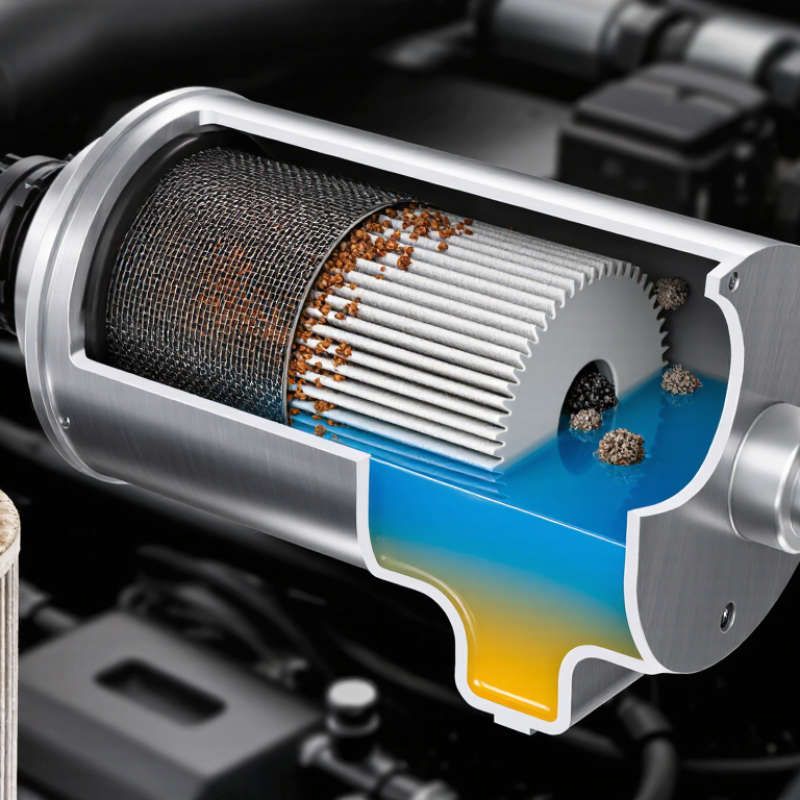
The working process is straightforward, but not always simple. Fuel enters the filter under pressure. The filter media slows the flow and captures unwanted material. Cleaner fuel then travels toward the pump, rail, or injectors. In diesel systems, a water separator may collect moisture in a lower chamber. A drain or sensor can reveal the problem.

Real-world inspection adds useful context. A filter removed from a dusty vehicle may look dark and harmless, yet its restricted passages tell another story. Not every dirty filter is fully blocked. That is where judgment becomes important. Replacement intervals from the vehicle manufacturer provide a starting point, not an absolute guarantee. Fuel quality, storage conditions, driving habits, and tank cleanliness can change the result. The explanation here is practical, though no single filter design fits every engine. Understanding these differences helps owners choose maintenance decisions based on evidence, not guesswork.
What Is a Fuel Filter and How Does It Work?

What Is a Fuel Filter?

A fuel filter is a protective component in a vehicle’s fuel delivery system. It cleans fuel before it reaches sensitive parts, such as the fuel pump, injectors, or carburetor. Dust, rust flakes, tank residue, and other particles can enter the fuel system over time. Some diesel filters also separate water from fuel, but ordinary filters may not perform this task.

The filter usually sits between the fuel tank and the engine. In some vehicles, it is installed inside the tank or combined with the pump assembly. Fuel pressure pushes fuel through a porous filter material. The material traps contaminants while allowing cleaner fuel to continue moving. Small pores catch fine particles. Larger debris collects near the outer surface.

The engine may hesitate.

A restricted filter can reduce fuel flow and cause hard starting, weak acceleration, or engine stalling. However, these symptoms do not prove the filter is clogged. A failing pump, damaged sensor, or ignition fault can feel similar. This is where careful diagnosis matters. A technician may check fuel pressure and inspect service records before replacing anything. Filter replacement intervals vary with vehicle design and fuel quality. The label can mislead. A filter that looks clean externally may be restricted internally. Work around fuel also requires proper pressure release, ventilation, and no ignition sources.

How a Fuel Filter Cleans Fuel

A fuel filter is a small barrier between contaminated fuel and the engine. It usually sits along the fuel line, before fuel reaches the pump or injectors. Its purpose is simple: catch harmful particles without stopping normal fuel flow. Rust flakes, dust, and sediment can enter a tank during storage or refueling. Even tiny particles may damage precise injector openings.

Inside the filter, fuel passes through folded paper, synthetic fibers, or another porous material. These layers trap debris as fuel moves across them. Some filters also separate water from fuel, which helps prevent corrosion and poor combustion. In a workshop inspection, dark fuel residue on the filter often shows what the tank has collected. The filter may look ordinary, but its internal surface does the difficult work.

A clogged filter restricts flow. The engine may then start slowly, hesitate during acceleration, or lose power under load. No filter is perfect. Very fine contamination can still pass through, especially after prolonged use. Technicians often check fuel pressure and inspect the filter housing before replacing parts. A replacement should match the vehicle’s required flow direction and pressure rating. I have found that service intervals are useful, but real fuel quality can change them. One dusty refueling stop may matter more than the calendar suggests.

Where Fuel Filters Are Located

What Is a Fuel Filter and How Does It Work?

A fuel filter removes rust, dust, and other particles before fuel reaches the engine. Clean fuel protects injectors and supports steady engine performance. Its location depends on the vehicle’s design, fuel system, and engine type.

Many older vehicles place the filter beneath the car, along the fuel line between the tank and engine. You may find it near the rear axle or under the passenger area. Some vehicles position it inside the engine compartment, where metal lines connect to a small filter housing. Diesel systems may include a water separator nearby. It can look similar to another component, so guessing is risky.

Modern vehicles often use a filter inside the fuel tank. It may form part of the fuel pump assembly and remain inaccessible without removing the tank or an access panel. This arrangement reduces exposed fuel lines, but it makes inspection less convenient. I have seen owners search under the hood and miss the filter completely. That mistake is understandable.

Check the service manual before touching any fuel line. Fuel systems can retain pressure after the engine stops. Work in a well-ventilated area, keep ignition sources away, and use the specified replacement part. The exact position may differ even between similar vehicles, which is why a visual check alone is not always enough.

Types of Fuel Filters and Their Uses

What Is a Fuel Filter and How Does It Work?

Fuel filters remove dirt, rust, water, and microscopic particles before fuel reaches the engine. They protect injectors, pumps, and narrow fuel passages. A typical filter uses pleated paper or synthetic media inside a sealed housing. As fuel flows through, contaminants remain trapped in the material.

Types of Fuel Filters and Their Uses

In-tank filters sit near the fuel pump and catch larger debris early. They suit gasoline systems with compact fuel modules. Inline filters fit along the fuel line and allow easier replacement. Diesel engines often use primary and secondary filters. The primary unit separates water and larger particles, while the secondary unit captures finer contamination. Some diesel filters include a transparent bowl or drain valve.

Useful details matter here.

ISO 4406:2021 measures fluid cleanliness through particle-count codes. Its method shows why a filter’s micron rating alone can mislead. Two filters with the same rating may hold very different contaminant loads. A 2023 technical review from the U.S. Department of Energy’s vehicle technology program highlights tighter injector tolerances in modern engines. Cleaner fuel is increasingly important.

However, replacement intervals still depend on fuel quality, climate, and driving conditions. Dusty storage tanks can overload a new filter quickly. I have seen maintenance schedules treated as guarantees. They are not. A pressure test and inspection can reveal the real condition.

Signs of a Clogged or Failing Fuel Filter

What Is a Fuel Filter and How Does It Work?

A fuel filter removes rust, dust, and other particles before fuel reaches the engine. This small component protects injectors and helps maintain a steady fuel supply. Over time, trapped debris can restrict flow. The engine may then receive less fuel during acceleration or heavy loads.

A clogged filter often causes slow starting, especially after the vehicle sits overnight. You may notice hesitation when pressing the accelerator, weak power on hills, or sudden stalling at traffic lights. Some drivers hear a faint whining sound from the fuel pump. Fuel economy can also decline, although that symptom has many possible causes. Pay attention to patterns. A single rough start does not prove the filter has failed.

A reliable diagnosis requires more than guessing. A technician can check fuel pressure against the vehicle manufacturer’s specifications and inspect related components. In some vehicles, the filter sits inside the fuel tank and forms part of the pump assembly. Replacement can therefore require careful procedures. Fuel pressure must be released safely, and ignition sources should remain away from the work area. The replacement schedule varies by vehicle and fuel system design. Waiting for obvious symptoms may allow extra strain on the pump. Still, changing the filter alone may not solve the problem if the real cause is a weak pump, blocked line, or faulty sensor.

What Is a Fuel Filter and How Does It Work? - Signs of a Clogged or Failing Fuel Filter

Data Dimension Key Information Typical Signs or Details Recommended Action
Definition A fuel filter is a component that removes contaminants from fuel before the fuel reaches the engine or fuel-injection system. It helps reduce the risk of dirt, rust, scale, and other particles entering sensitive fuel-system components. Keep the filter installed and replace it according to the vehicle manufacturer's service schedule.
Primary Function The filter traps solid particles while allowing fuel to flow through the system at the required rate. A clean filter supports stable fuel delivery and helps protect fuel injectors and pumps. Use the correct filter specification for the vehicle and fuel system.
Operating Principle Fuel enters the filter, passes through a porous filter medium, and exits with many contaminants retained inside the element. As debris accumulates, resistance to fuel flow can increase. Investigate restricted fuel flow if symptoms appear, rather than assuming the filter is the only possible cause.
Common Contaminants Dust, rust particles, sediment, tank debris, and particles introduced during fuel handling may be captured by the filter. Contaminated fuel may appear cloudy or contain visible sediment, although some contamination cannot be seen without testing. Avoid questionable fuel sources and keep the fuel system closed and clean during service.
Reduced Engine Power A restricted filter can limit fuel flow, especially when the engine demands more fuel during acceleration or climbing. Sluggish acceleration, reduced pulling power, or hesitation under load. Have fuel pressure and delivery checked before replacing parts.
Engine Stalling Severe fuel restriction can cause insufficient fuel delivery and may contribute to stalling. The engine may stall during acceleration, at higher speeds, or after operating for some time. Stop driving if stalling creates a safety risk and arrange professional diagnosis.
Hard Starting Insufficient fuel flow or pressure can make it difficult for the engine to start. Extended cranking, repeated starting attempts, or an engine that starts and then stops. Check the battery, fuel pressure, pump, injectors, and filter because several faults can cause the same symptom.
Engine Misfire or Rough Running An unstable fuel supply can contribute to uneven combustion. Rough idle, hesitation, jerking, or a noticeable loss of smoothness. Scan for diagnostic trouble codes and inspect ignition and air-intake systems as well.
Fuel Pump Noise A restricted filter can make the fuel pump work harder in some fuel-system designs. A new whining or unusually loud pump sound may indicate a fuel-delivery problem. Do not diagnose by sound alone; test fuel pressure and electrical supply.
Fuel Economy Changes A clogged filter is not the only cause of poor fuel economy, but drivability problems may affect engine operation and fuel use. Unexpected changes in fuel consumption accompanied by hesitation or reduced power. Check tire pressure, driving conditions, sensors, ignition, fuel pressure, and maintenance history.
Filter Location The filter may be installed in the fuel line, near the fuel tank, or inside the fuel-tank module, depending on vehicle design. Some filters are externally accessible; others require removal of additional components. Confirm the location and replacement procedure using the vehicle's service information.
Replacement Timing Replacement intervals vary by vehicle, fuel type, filter design, operating conditions, and manufacturer requirements. Short-trip use, dusty environments, contaminated fuel, or a history of tank debris may increase service needs. Follow the owner's manual or service schedule instead of relying on a universal mileage interval.
Diagnostic Tests Fuel-pressure, fuel-volume, electrical, and scan-tool tests can help identify fuel-delivery problems. A filter may be restricted even when it does not look visibly dirty. Use the correct test specifications for the vehicle and observe all fuel-system safety procedures.
Safety Considerations Fuel is flammable, and the system may remain pressurized after the engine is switched off. Fuel leakage, strong fuel odor, or visible damage requires immediate attention. Work in a well-ventilated area away from flames and sparks; relieve pressure and follow approved procedures.
Important Limitation The same symptoms can result from a weak fuel pump, faulty injectors, ignition problems, sensor faults, restricted lines, or contaminated fuel. Replacing the filter may not solve the problem if the underlying fault is elsewhere. Use a complete diagnostic process before replacing multiple components.

FAQS

What is a fuel filter?

A fuel filter removes dust, rust, sediment, and other particles from fuel. It protects pumps, injectors, and narrow fuel passages.

How does a fuel filter clean fuel?

Fuel passes through folded paper or synthetic fibers. Small pores trap contamination while cleaner fuel continues toward the engine.

Where is a fuel filter located?

It commonly sits between the fuel tank and engine. Some vehicles place it inside the tank or combine it with the pump assembly.

What symptoms can a restricted fuel filter cause?

The engine may start slowly, hesitate, lose power, or stall. Acceleration can feel weak, especially under load.

Do these symptoms prove the filter is clogged?

No. A weak pump, faulty sensor, or ignition problem can feel similar. Pressure testing helps separate these possibilities.

What types of fuel filters are common?

In-tank filters catch larger debris near the pump. Inline filters fit along the fuel line. Diesel systems may use primary and secondary filters.

Can a fuel filter remove water?

Some diesel filters separate water from fuel. Ordinary filters may not perform this task. Check the vehicle’s required filter design.

When should a fuel filter be replaced?

Replacement intervals depend on vehicle design, fuel quality, climate, and driving conditions. Service schedules help, but they are not guarantees.

Can a filter look clean but still be restricted?

Yes. Contamination may be trapped inside the filter. External appearance proves little. A pressure test can reveal hidden restriction.

What safety steps matter during replacement?

Release fuel pressure, provide strong ventilation, and remove ignition sources. Fuel work needs care. A rushed repair can create serious problems.

Conclusion

A Fuel Filter is an essential component of a vehicle’s fuel system. Its main purpose is to remove dirt, rust, dust, and other unwanted particles from the fuel before it reaches the engine. Inside the filter, the fuel passes through a specially designed filtering material that traps contaminants while allowing clean fuel to continue flowing. This helps protect fuel system components, support efficient combustion, and promote reliable engine performance.

Fuel filters may be installed along the fuel line, near the fuel tank, or as part of the fuel delivery assembly, depending on the vehicle’s design. Common types include inline filters, cartridge filters, and filters integrated into the fuel tank system. Over time, a filter can become clogged or damaged, restricting fuel flow. Warning signs may include difficult starting, weak acceleration, engine hesitation, reduced fuel efficiency, rough running, or unexpected stalling. Regular inspection and replacement at suitable service intervals can help maintain a clean fuel supply and prevent avoidable performance problems.


Liam

Liam

Liam is a dedicated marketing professional with a profound expertise in the industry, where he excels at highlighting the unique advantages of our core products. With a keen understanding of market trends and consumer needs, Liam frequently updates our company’s professional blog, providing......