A final drive does more than turn a track or wheel. It converts motor speed into usable torque, carries working loads, and influences how smoothly a machine moves across rough ground. Choose poorly, and the symptoms can be costly: sluggish travel, excess heat, leaks, or premature gear wear. The right choice begins with the machine, not a sales label. Check its make and model, operating weight, travel speed, torque requirements, and the conditions it actually faces. Mud, steep grades, and repeated turning put different demands on components. Small details matter.
The scale of the equipment industry makes careful selection worthwhile. Caterpillar’s 2023 Annual Report lists $25.7 billion in sales and revenues for its Construction Industries segment. That figure reflects a broad equipment market, not final-drive failure rates or replacement demand. It is useful context, but not a substitute for component-specific evidence. Compare the original equipment manufacturer’s specifications with the replacement unit’s ratio, mounting dimensions, motor compatibility, and rated pressure. Ask suppliers for documented test data, warranty terms, and parts support. Then verify the serial number before ordering. A matching photograph is not enough. Even experienced buyers can miss a fitment detail when a machine has been modified or its records are incomplete. These seven tips offer a practical way to narrow the options, check the evidence, and avoid buying on price alone. A little hesitation helps. A final drive should fit the machine’s real workload, not just its product listing.
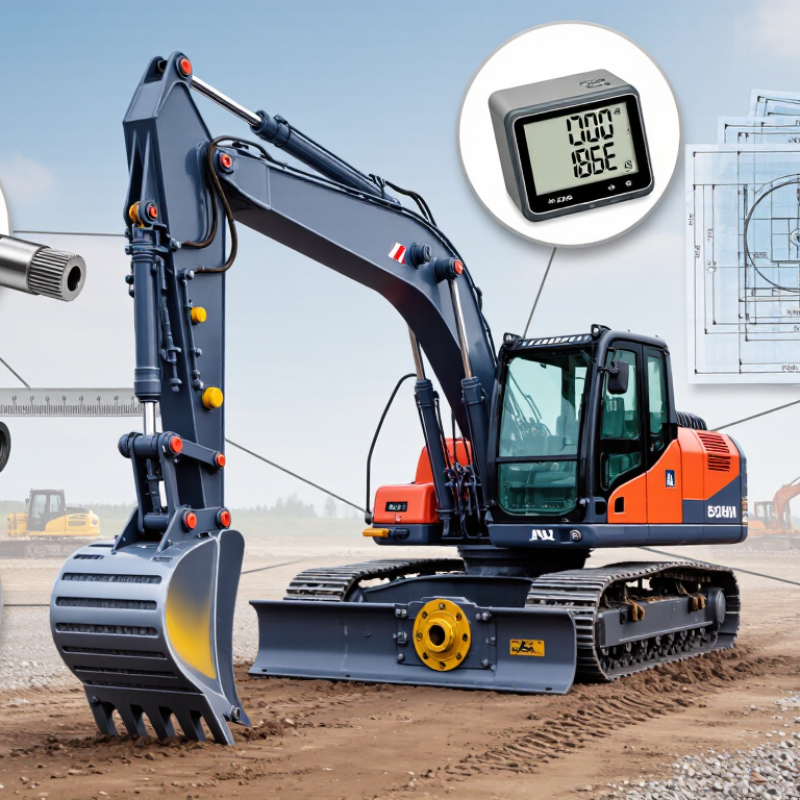
Before choosing a final drive, define what the machine must do during a normal shift and its hardest working moment. Record the machine’s loaded weight, travel speed, expected grade, and hours of operation per day. Note whether it carries uneven loads or turns repeatedly on soft ground. Small details matter.
Describe the load at the drive sprocket, not just the machine’s engine or motor rating. Required torque depends on factors such as vehicle weight, slope, rolling resistance, sprocket radius, and acceleration. A machine that crawls steadily across a flat floor has different needs from one climbing a muddy ramp with a full load. Check both continuous and peak demands. Don’t size from peak torque alone. That can lead to a drive that is unnecessarily heavy or costly.
Also record the available hydraulic flow and pressure, or the electrical supply, along with mounting space and operating temperature. These requirements help narrow the drive’s speed, torque, and interface options. In field assessments, mismatches often become obvious during startup, turning, or repeated stop-and-go work. Still, duty-cycle estimates can be messy; operators may use the machine differently than planned. Ask them about real shifts, not only ideal conditions, and verify the figures against measurements where possible.
7 Tips for Choosing the Right Final Drive
Match Final Drive Specifications to the Equipment
A final drive should fit the machine’s real workload, not just its model description. Check required output torque, travel speed, operating weight, and mounting dimensions against the equipment’s service manual. Then consider the terrain and duty cycle: a loaded machine climbing loose ground needs different performance from one moving slowly on firm floors. Measure the available space, too. A few millimeters can matter.
Bearings and gears also need to suit expected loads. ISO 281:2007 gives the basic bearing-life relationship as L10 = (C/P)^p, expressed in millions of revolutions. Here, C is the dynamic load rating and P is equivalent dynamic load; the exponent is 3 for ball bearings and 10/3 for roller bearings. L10 represents a calculated life that 90% of a sufficiently large group of identical bearings is expected to reach under the standard’s assumptions. It is a useful comparison, not a service-life promise.
Check lubrication requirements, oil compatibility, sealing, and temperature limits against actual site conditions. Dust, water, frequent starts, and side loads can change wear patterns. Small details matter. Confirm the gear ratio and hydraulic flow with a qualified technician before ordering, and compare the specification sheet with the machine’s measured requirements. I once treated a catalog match as enough; it wasn’t. One overlooked mounting offset turned an otherwise suitable drive into a poor fit.
Choosing a final drive means matching torque and speed at the output, not just selecting a gear ratio. The U.S. Department of Energy’s 2014 sourcebook, Improving Motor and Drive System Performance, estimates that motor-driven systems use about 68% of U.S. manufacturing electricity. That makes efficient system matching important. Start with the driven load’s peak torque, typical running speed, and duty cycle. A conveyor starting with a full load needs different starting torque from a fan running steadily. Check the motor’s speed-torque curve, too. Measure it under real conditions.
Then compare configurations against the space and load direction. Parallel-axis helical drives suit many inline layouts; right-angle drives can help where the footprint is tight. Planetary arrangements offer compact, coaxial packaging, but their load distribution and service needs deserve careful review. At constant power, higher output speed generally means lower available torque, so confirm both at the actual operating point. Include starts, reversals, shock loads, and expected operating hours in your comparison. A tidy spreadsheet can still miss a brief overload. That happens. Treat catalog ratings as a starting point, then verify the selected drive against measured loads and the manufacturer’s documented limits.
Typical approximate efficiency by final-drive configuration. Actual performance depends on ratio, load, lubrication, and design.
For a given input speed, a higher reduction ratio lowers output speed and increases output torque. Allow for efficiency losses, then check that the selected drive meets your required torque, speed, duty cycle, and installation constraints.
Mounting compatibility is more than matching a bolt pattern. Compare the final drive’s mounting face, pilot diameter, shaft size, spline count, and shaft orientation with the machine. Measure center distances and check thread pitch, fastener length, and clearance around nearby hoses or guards. A unit can bolt on and still sit slightly off-center. That small mismatch can create noise, heat, or premature bearing wear. Use the machine’s service drawing, then confirm critical dimensions on the actual mount. Drawings may not show years of wear or a bent bracket. A paper match is not enough. Measure twice.
Check the operating environment before selecting seals, lubricant, and housing protection. Fine dust can work past damaged seals; water can collect around a poorly oriented breather. Note washdown, mud, salt spray, temperature swings, and daily operating hours. These details affect sealing and oil choice. Confirm that the drive’s specified lubricant and mounting orientation suit the installation; do not assume one oil or seal arrangement fits every site. Leave room for service access and inspect the area after the first operating shift. Look for fresh oil, unusual warmth, or loosened fasteners. Easy to overlook: a guard may block access to a fill plug. Catch that before installation.
| Tip | What to Check | Practical Verification | Why It Matters |
|---|---|---|---|
| 1 | Confirm the mounting interface | Compare the bolt-hole pattern, pilot or register diameter, mounting face, and available clearance with the machine’s specifications or the removed unit. | A matching bolt pattern alone does not guarantee that the drive will center correctly or fit without interference. |
| 2 | Match the input connection | Check the input shaft dimensions, spline count and profile, coupling type, and engagement length. Verify any adapter or motor interface requirements. | An incorrect input connection can prevent assembly or cause poor engagement, excessive wear, or damage under load. |
| 3 | Verify speed, torque, and gear ratio | Use the machine’s required travel speed, available motor speed, and operating torque to confirm the drive’s ratio and rated capacity. | The ratio affects output speed and torque. A drive that is undersized or incorrectly matched may reduce performance or overheat. |
| 4 | Check duty cycle and load conditions | Review continuous and peak loads, starts and stops, shock loads, gradients, and expected operating hours against the drive’s published ratings. | Repeated peak loading or demanding duty can shorten service life even when the drive’s nominal rating appears adequate. |
| 5 | Assess temperature and weather exposure | Compare expected ambient and operating temperatures with the specified limits. Consider heat from nearby components, cold starts, rain, and washdown. | Temperature and moisture can affect lubricant performance, seals, and other components. Use a drive specified for the actual operating range. |
| 6 | Evaluate dust, water, and corrosive conditions | Identify exposure to dust, mud, salt, chemicals, or water jets. Check the documented enclosure or ingress-protection rating and any installation restrictions. | Protection ratings apply only under their stated test conditions; choosing suitable protection helps reduce contamination and corrosion risks. |
| 7 | Confirm lubrication and service requirements | Check the specified lubricant type and quantity, fill and drain plug positions, service intervals, and whether the installation orientation is permitted. | Correct lubrication and access for routine maintenance support reliable operation and help prevent avoidable wear or leakage. |
Evaluate Durability, Maintenance, and Supplier Support
Match the drive to the machine’s real workload, not just its peak rating. Note typical loads, operating hours, starts, stops, and sudden shocks. A unit that works on paper may run hot during long shifts. Check the housing, gears, and seals for materials suited to dust, moisture, and temperature changes. Small details matter.
Look for clear lubrication points and inspection intervals. If a technician needs to remove a guard just to check oil, routine service may get delayed. Ask how seals, bearings, and other wear parts are replaced, and whether they are readily available. Review maintenance records from similar applications when possible. They often reveal more than a polished specification sheet.
Supplier support matters after installation, too. Ask for load-rating documentation, setup guidance, and practical troubleshooting help. Confirm expected lead times for replacement parts before a breakdown makes the question urgent. A quick answer is useful; a precise answer is better. I would also check whether the recommended service schedule fits your crew and operating conditions. That part is easy to overlook, and sometimes the published interval needs careful interpretation.
Record loaded weight, travel speed, expected slopes, daily operating hours, and available mounting space. Ask operators about real shifts, including repeated turns on soft ground. Small details matter.
Sprocket torque reflects the load the drive must handle. It depends on vehicle weight, slope, rolling resistance, sprocket radius, and acceleration. Engine ratings alone can be misleading.
Check both continuous and peak torque demands. Sizing only for peak torque may create an unnecessarily heavy or costly drive. A measured load can still be imperfect.
At constant power, higher output speed generally means lower available torque. Compare both values at the machine’s actual operating point, including startup and loaded travel.
Parallel-axis helical drives suit many inline layouts. Right-angle drives can fit tight spaces, while planetary arrangements offer compact, coaxial packaging. Check load distribution and service needs, too.
Watch for problems during startup, turning, climbing, and repeated stops. A drive may also run hot during long shifts. That happens.
Review housing, gear, and seal suitability for dust, moisture, and temperature changes. Check lubrication points and inspection intervals. If checking oil requires removing a guard, routine service may be delayed.
Ask for load-rating documents, setup guidance, troubleshooting help, and replacement-part lead times. Compare the service schedule with your crew’s routine. Published intervals may need careful interpretation.
Choosing the right Final Drive starts with a clear understanding of the machine’s operating requirements, including its workload, terrain, duty cycle, and expected performance. Use these needs to identify a drive whose specifications suit the equipment, then compare torque capacity, operating speed, and available drive configurations to find a practical match. Considering these factors together can help avoid choosing a unit that is either inadequate for the task or unnecessarily oversized.
Before making a decision, confirm that the Final Drive’s mounting dimensions and connections are compatible with the machine. Account for environmental conditions such as dust, moisture, temperature, and vibration, since these can affect performance and service life. Finally, review durability, maintenance needs, replacement-part availability, and the level of technical support offered by the supplier. A careful evaluation of these points can help improve reliability, simplify upkeep, and support efficient equipment operation over time.

Vita Construction