A piston ring is a small component with a demanding job. It helps seal combustion pressure, manage oil on the cylinder wall, and transfer heat from the piston. A search for “Pinston Ring” may lead to many product names, but choosing the right design takes more than comparing labels. Fit, engine condition, and operating demands matter.
The main types are compression rings, scraper or second rings, and oil-control rings. Compression rings limit gas leakage above the piston. Second rings provide additional sealing and help regulate oil movement. Oil-control rings use slots or rails to leave a thin film on the cylinder wall. Some assemblies use a one-piece oil ring; others use several parts. Materials and coatings vary, too. Cast iron, steel, and surface treatments each suit different designs and conditions. There is no universal winner.
This guide compares the leading piston ring types discussed in 2026 by function, construction, and practical application. It also explains what to check before selecting a replacement, including bore measurements, manufacturer specifications, and signs of wear. Details matter. A ring that looks suitable may still fail to seal correctly if its dimensions or profile do not match the engine. Even experienced technicians can find a worn cylinder complicates the choice. That uncertainty is worth acknowledging: the best option depends on the whole engine, not the ring alone.
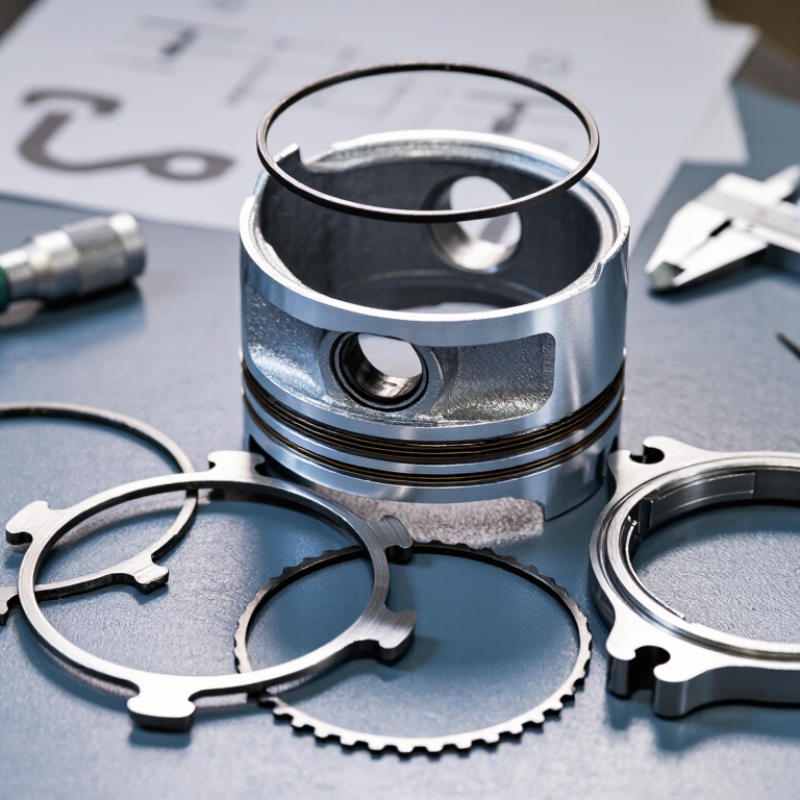
Piston rings manage pressure, lubricant, and heat within a narrow space between the piston and cylinder wall. The top compression ring helps contain combustion pressure, supporting power and steady operation. A second ring can assist sealing while guiding excess oil downward. Exact roles vary with engine design. Small parts, demanding work.
Oil-control rings scrape surplus oil from the cylinder wall, then leave a thin film to protect moving surfaces. Too much oil can enter the combustion chamber and burn; too little can increase friction and wear. The balance is delicate. A clean-looking ring is not proof of a good seal: bore condition, ring gaps, and installation also matter.
Rings also carry heat from the piston into the cylinder wall, where the engine’s cooling system can remove it. Contact and fit are important, but they do not make heat transfer perfectly uniform. In real engines, deposits, wear, and changing temperatures complicate the picture. That is easy to oversimplify. When diagnosing oil use or low compression, measurements and inspection are more reliable than judging rings by appearance alone.
Modern piston rings combine a load-bearing base material with a wear-resistant surface. Gray cast iron remains common because it conforms to the cylinder wall and retains oil in its graphite structure. Steel rings are often selected for thinner, highly loaded designs; they can resist fatigue while maintaining a narrow profile. SAE International’s J431 automotive cast-iron standard includes G3000 material with a minimum tensile strength of 30,000 psi. That figure is a useful reference, not a universal piston-ring specification. Still, no material wins everywhere.
Surface treatment matters just as much. Chrome plating can reduce scuffing, while molybdenum-based coatings help resist wear under high temperatures. Nitriding hardens steel surfaces, and physical-vapor-deposited coatings, including chromium nitride, can provide a thin, hard wear layer. The right pairing depends on combustion pressure, lubrication, cylinder finish, and operating temperature. In a teardown, a ring may look sound yet show uneven contact along its face; material choice alone cannot explain that. Engineers therefore evaluate the ring, coating, and bore as a working system, rather than treating a material label as proof of durability.
What Are the Main Piston Ring Types in 2026?
Most piston sets use three functional ring types. The top compression ring helps contain combustion pressure and transfers heat from the piston to the cylinder wall. It may have a coating suited to the engine’s operating conditions. The second ring also supports sealing, while its profile often helps scrape excess oil downward. Exact designs vary by engine.
The oil-control ring regulates the thin lubricant film on the cylinder wall. Many designs use a three-piece assembly: two narrow rails and an expander between them. Too much oil can increase consumption; too little can raise friction and wear. Ring materials, face coatings, and profiles differ, so a type that works well in one engine may not suit another. The label alone does not tell the whole story.
Tips: Check the engine’s service specifications before selecting rings. Confirm the bore size, ring-groove clearance, and end gap; even a small mismatch matters. A clean cylinder surface is important, too. I would pay more attention to measurements than marketing terms, though the correct finish still depends on the ring material and engine design. Don’t guess.
What Are the Top Piston Ring Types in 2026?
How Piston Ring Designs Vary Across Engine Applications
Piston rings are selected for the engine’s pressure, speed, temperature, and lubrication demands. A compression ring seals combustion gases, while an oil-control ring meters lubricant on the cylinder wall. Small details matter: ring face shape, material, coating, and tension all affect sealing and friction. SAE technical literature on ring-pack design describes this balance as a trade-off, not a single “best” specification.
Passenger-car engines often use thinner, lower-tension rings to reduce friction, but they need precise oil control and stable cylinder surfaces. The U.S. EPA’s 2024 Automotive Trends Report gives new light-duty vehicles a preliminary average of 27.1 miles per gallon for model year 2023. That efficiency pressure helps explain the focus on friction reduction, though ring design is only one factor. There is no magic ring.
Heavy-duty diesel engines face sustained load and high cylinder pressures. Their rings typically prioritize wear resistance, gas sealing, and oil management over minimum friction alone. Two-stroke engines add another constraint: ports interrupt the cylinder wall, so ring ends and locating pins must avoid snagging. Even within one engine category, duty cycle changes the answer. A short-trip vehicle and a truck hauling uphill do not ask the same ring pack to do the same job. Check wear patterns before choosing replacements; the original specification may not suit a rebored or heavily used cylinder.
What Are the Top Piston Ring Types in 2026?
How to Choose the Right Piston Ring for an Engine
Choosing a piston ring starts with the engine’s bore, operating load, and oil requirements—not a “best” material list. A typical ring pack combines a compression ring for sealing, a second ring that supports sealing and oil control, and an oil-control ring that meters lubricant on the cylinder wall. Cast iron and steel are common base materials; coatings may help manage wear or friction in demanding conditions. Fit comes first. Check ring thickness, end gap, and groove clearance against the engine’s service specifications. A ring that looks right can still cause poor sealing if the bore is tapered or out of round.
Match the ring profile and material to the engine’s duty cycle. A high-load engine may need different heat and wear characteristics than a lightly used engine, while an oil-control ring must suit the bore finish and lubricant. Holmberg, Andersson, and Erdemir’s 2012 Tribology International analysis estimated that friction and wear account for about 23% of global energy use, with roughly 20% spent overcoming friction. That estimate covers many types of mechanical contact, not piston rings alone; it shows why friction control matters, but it cannot select a ring for you. I would not choose from material alone. Inspect the cylinder condition, confirm the maker’s clearance data, and consider how the engine is actually used. Small details matter.
Use the chart as a rough starting point for top compression ring end gap: a common rule of thumb is 0.004 in per inch of cylinder bore. Actual clearance depends on the ring design, engine use, and manufacturer specifications.
Choosing a ring: Cast-iron rings suit many standard-duty engines; ductile-iron rings offer greater strength for demanding use; steel rings are common in high-performance applications. Face coatings and profiles also affect wear and sealing. Match the ring material and profile to the bore finish and engine requirements, and follow the ring maker’s specified end gap.
They help manage combustion pressure, oil, and heat between the piston and cylinder wall. Small parts, demanding work.
The top compression ring helps contain combustion pressure. This supports engine power and steady operation.
It scrapes surplus oil from the cylinder wall, leaving a thin protective film. Too much oil may burn in the combustion chamber; too little can increase wear.
A typical ring pack includes a top compression ring, a second ring, and an oil-control ring. Their exact roles vary by engine design.
Cast iron and steel are common base materials. Some rings also have coatings to help manage wear or friction. Material alone is not enough.
Match its thickness, end gap, and groove clearance to the engine’s service specifications. Check the bore condition too; a tapered or out-of-round bore can affect sealing.
Rings carry heat from the piston into the cylinder wall, where the cooling system can remove it. Heat transfer is not perfectly uniform.
No. Ring gaps, installation, bore condition, deposits, and wear also matter. Appearance alone can mislead.
Use measurements and inspection rather than judging rings by appearance. Check the cylinder condition and specifications; the cause may not be obvious.
Pinston Ring plays a vital role in an engine by helping seal combustion pressure, regulate oil on the cylinder walls, and transfer heat from the piston. Modern rings are made from materials such as cast iron and steel, often with surface treatments or coatings that improve wear resistance and reduce friction. Their material and finish affect durability, sealing performance, and suitability for different operating conditions.
The main ring types include compression rings, which help contain combustion gases, and oil-control rings, which manage excess lubricant. Ring profiles and arrangements vary according to engine design, speed, load, and temperature demands. Choosing the right set means considering the engine’s specifications, cylinder condition, intended use, and required balance of sealing, oil control, and longevity. Properly matched rings support consistent performance and help an engine operate efficiently over time.

Vita Construction