In high-pressure hydraulic circuits, fluid is the lifeblood of operations. However, particle contamination remains the leading cause of hydraulic component wear and catastrophic system failure. Industry studies indicate that up to 75% to 80% of hydraulic breakdowns are directly attributable to fluid contamination. Fine particulates act as grinding agents, accelerating the wear of pumps, control valves, cylinders, and sensitive electro-hydraulic servo valves.
High-quality hydraulic fluid filters act as the primary defense mechanism against this destructive dynamic. By maintaining particulate levels below strict ISO 4406 cleanliness thresholds, high-performance filters stabilize system performance, reduce fluid degradation, and protect critical downstream investments. The return on investment for superior filtration is realized through significantly extended preventative maintenance intervals and maximized machinery uptime.
Guangzhou Vita Construction Machinery Co., Ltd. stands as a premium enterprise integrating state-of-the-art manufacturing with comprehensive global trade capabilities. Our advanced production factory is strategically located in Xiangyang City, Hubei Province, covering a modern production footprint of more than 18,000 square meters.
Equipped with advanced precision manufacturing machinery and automated assembly lines, our facility operates under rigorous international quality controls. Our production power is supported by a highly skilled workforce of over 278 well-trained technicians and an engineering R&D team consisting of 8 experienced fluid dynamics and mechanical engineers. This technical foundation guarantees that every hydraulic filter and machinery component meets exact dimensional tolerances and performance metrics before dispatch.
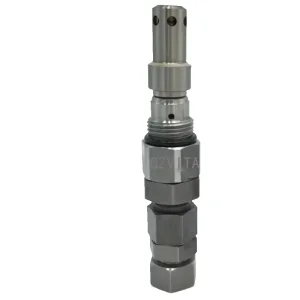
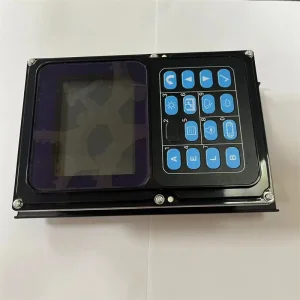
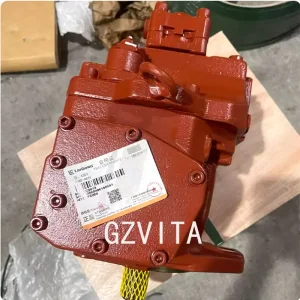
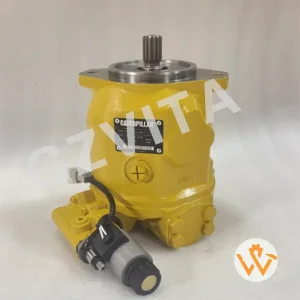
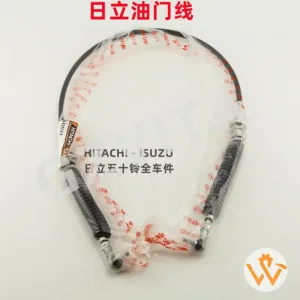
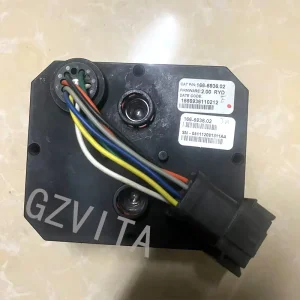
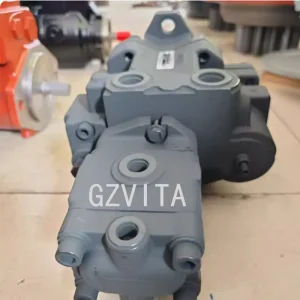
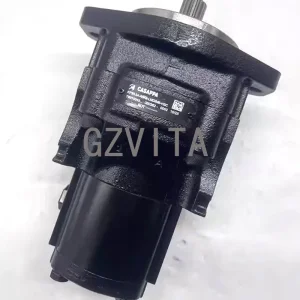
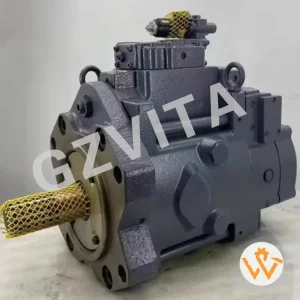
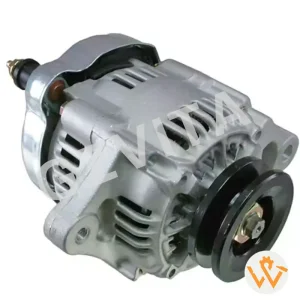
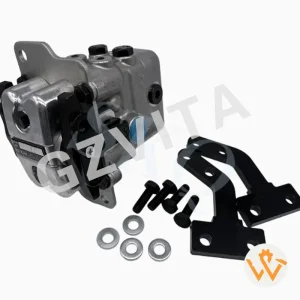
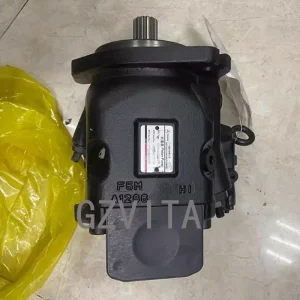
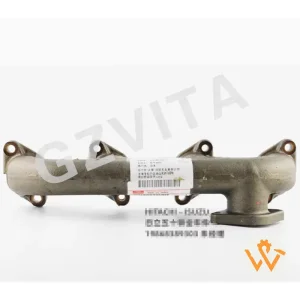
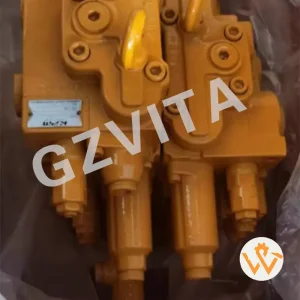
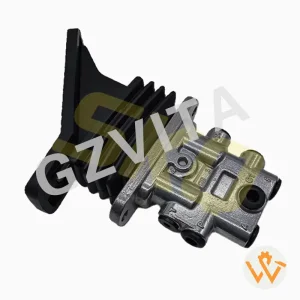
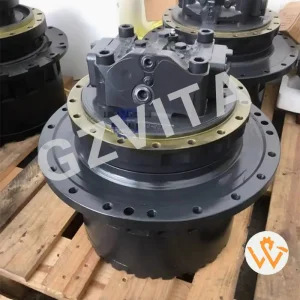
We specialize in the end-to-end design, development, production, and distribution of a complete spectrum of construction machinery parts. Our comprehensive portfolio includes high-performance engine assemblies, hydraulic main pumps, final drives, electric generators, heavy-duty engine bearings (including rod and main bearing series), crankshafts, precision engine valves, robust gear pumps, hydraulic cylinders, specialized heavy equipment filtration systems, excavator buckets, and resilient undercarriage parts. Our aftermarket and OEM solutions are engineered for seamless compatibility with leading global heavy-equipment brands, including Komatsu, Volvo, Sumitomo, Caterpillar, Kubota, Hitachi, John Deere, Kobelco, Hyundai, Kato, Sany, XCMG, Sunward, and other prominent global manufacturers.
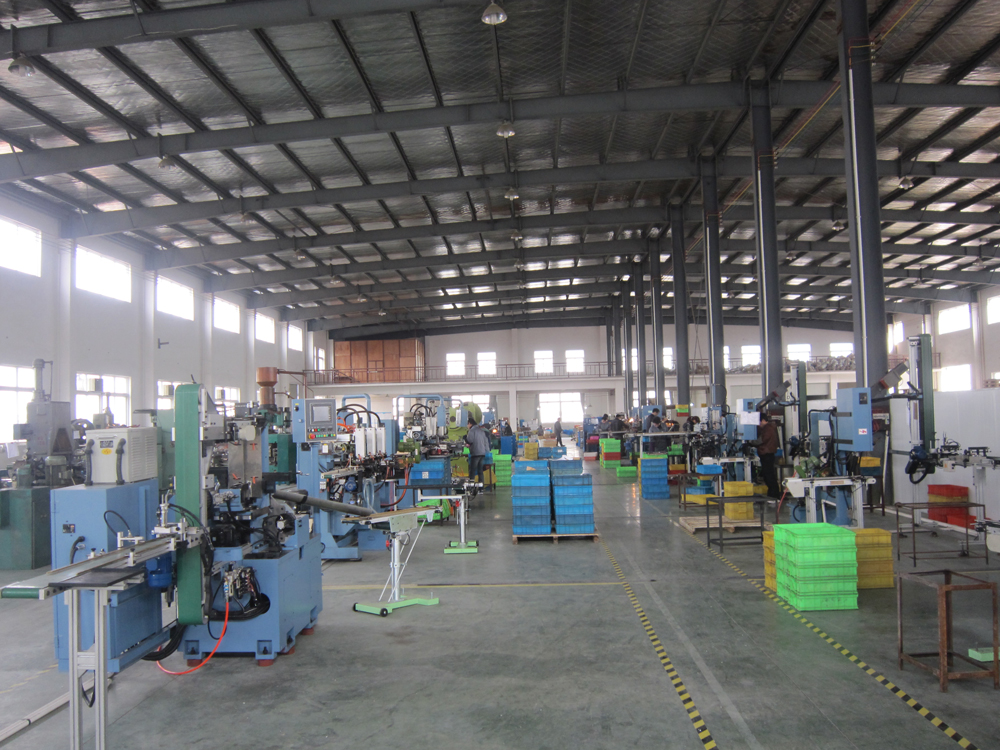
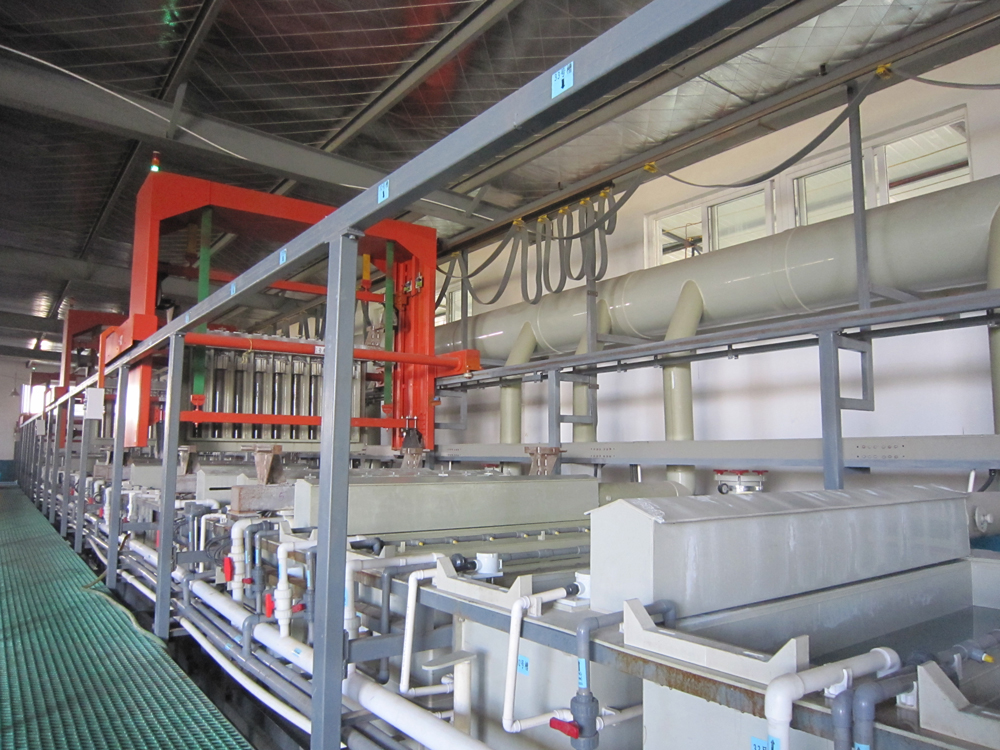
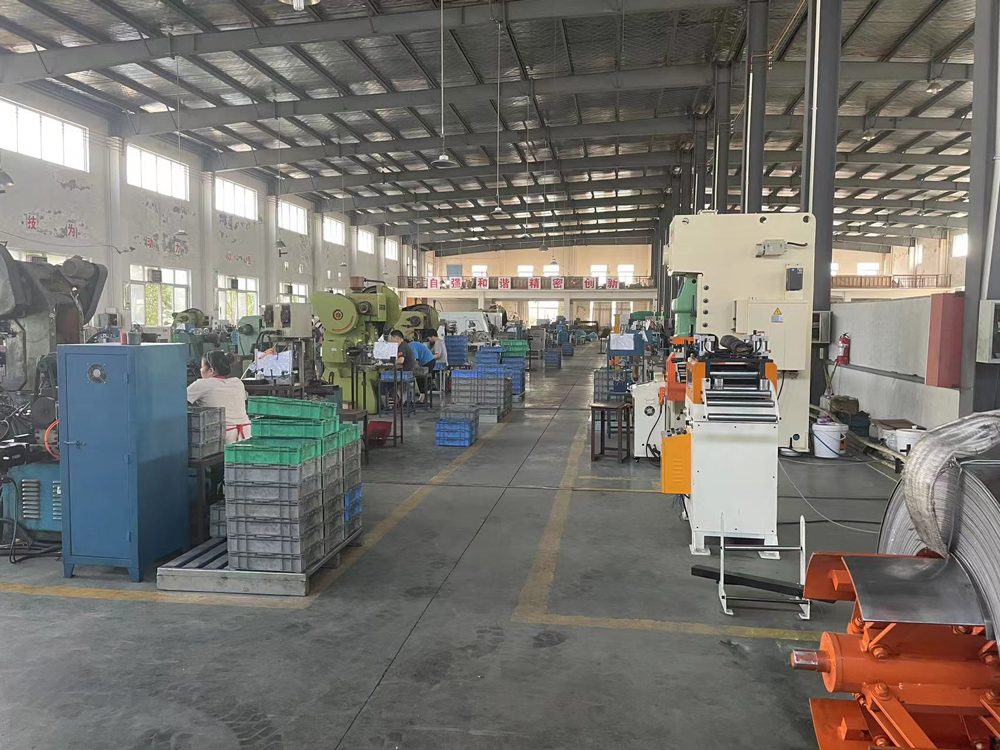
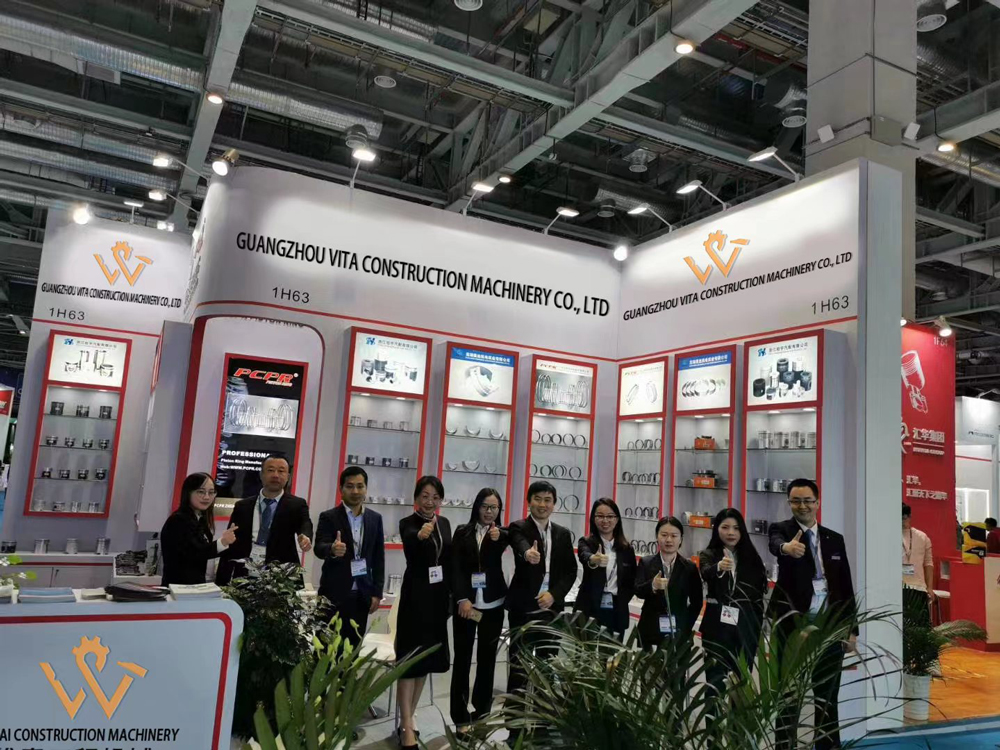
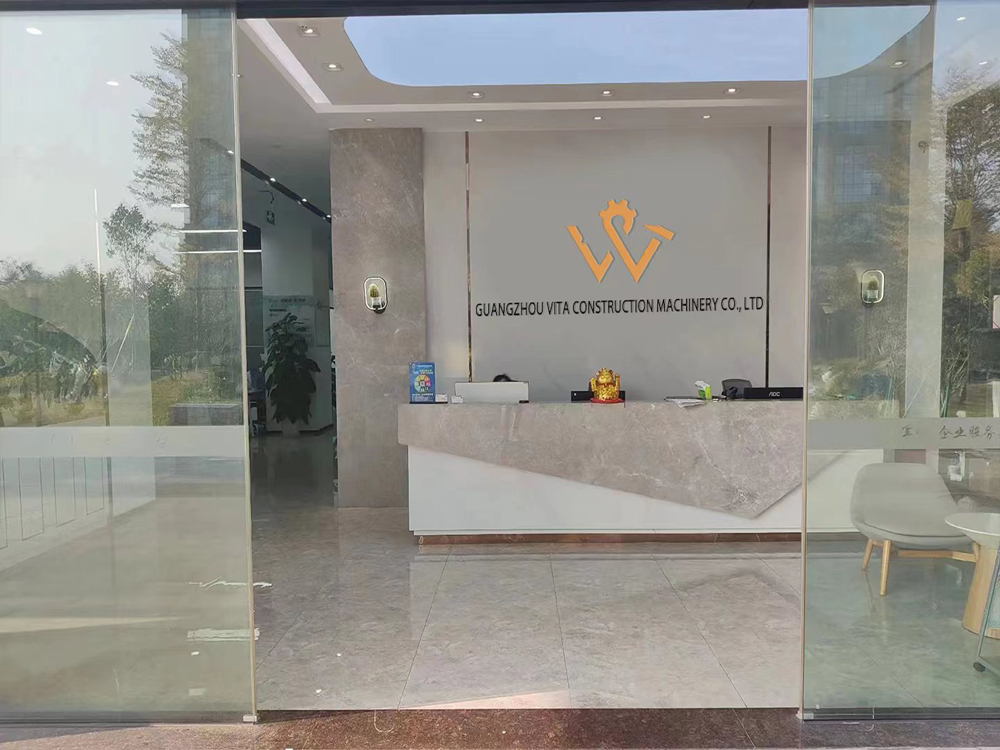
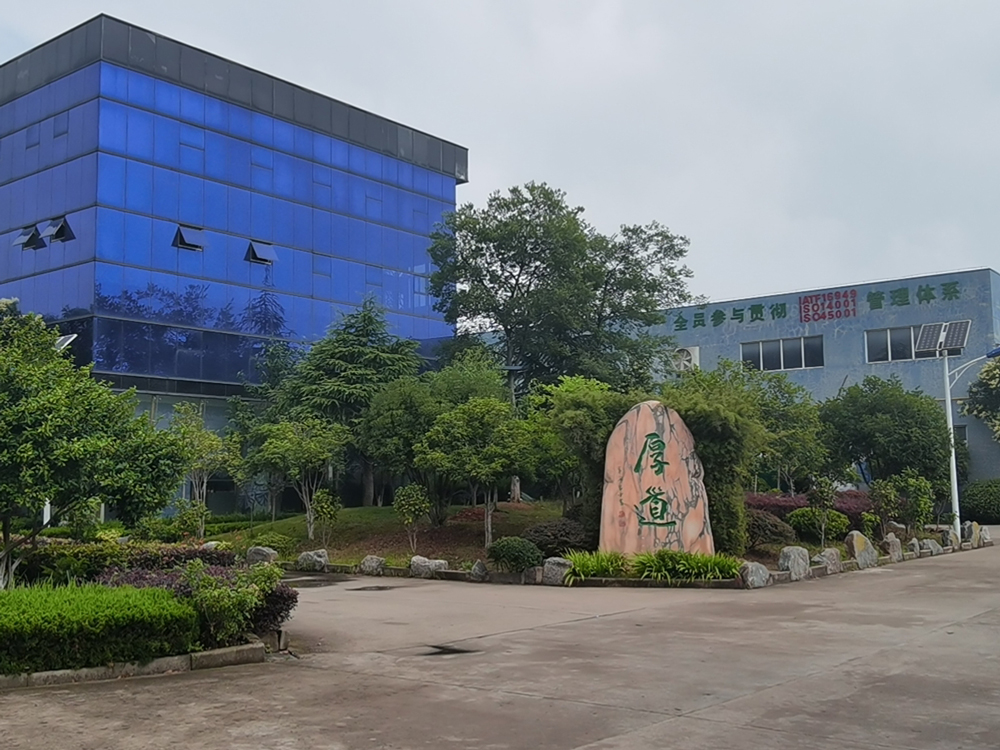
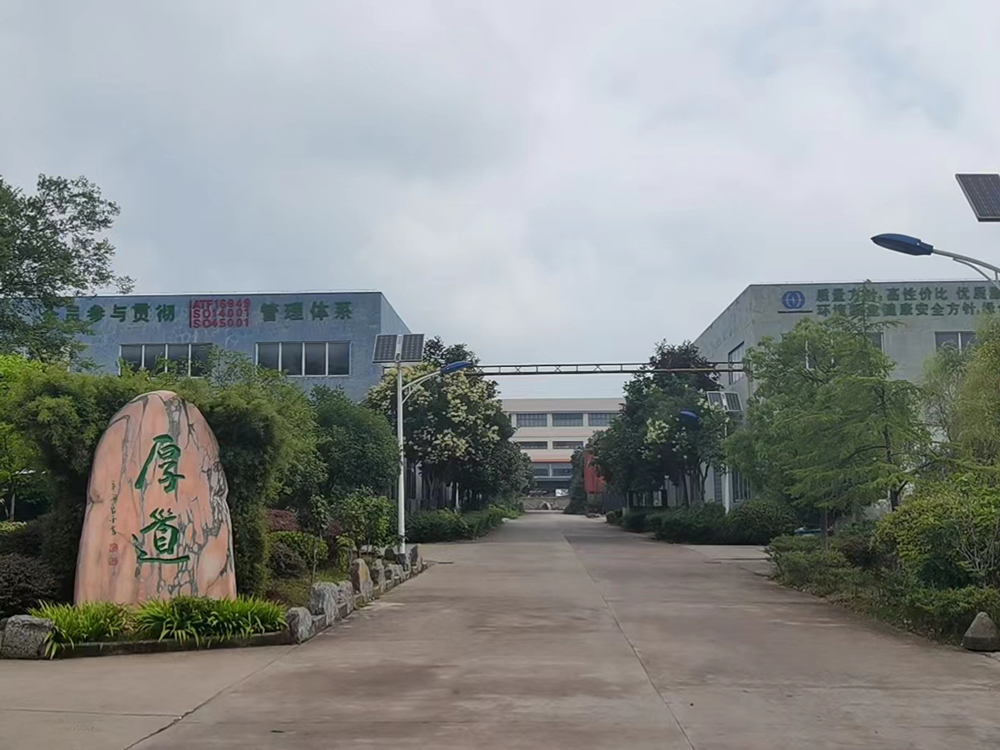
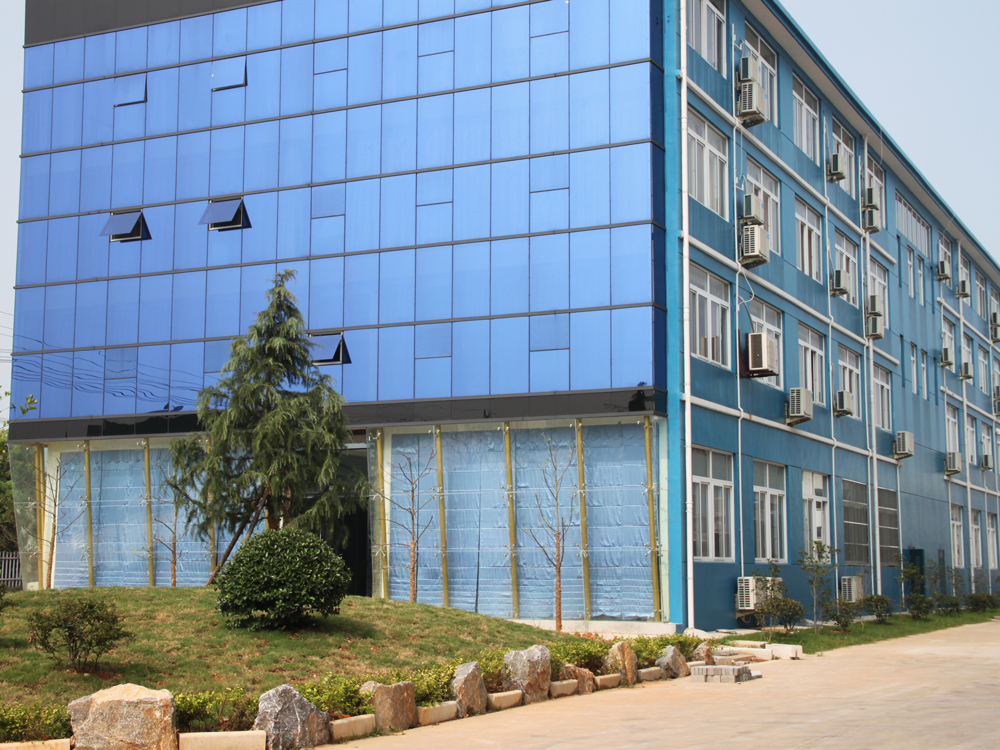
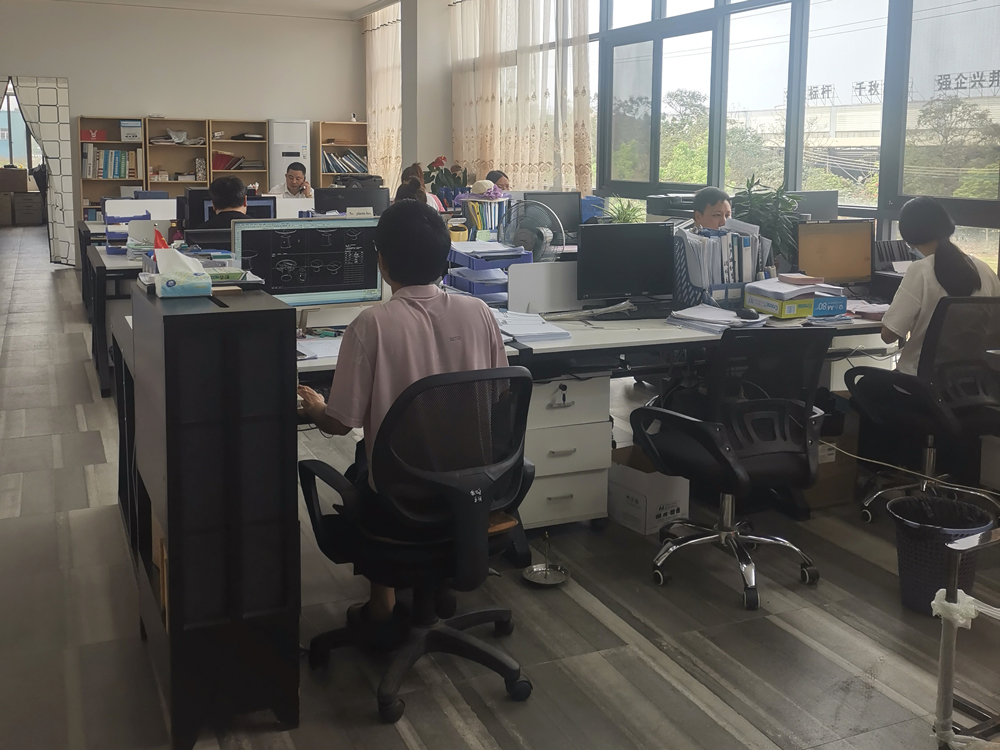
In the high-intensity construction and earthmoving sectors, equipment uptime defines profitability. We employ strict quality-control protocols at every manufacturing stage, utilizing premium raw materials and rigorous testing rigs to guarantee that each part survives severe operating conditions.
To complement our hardware supply, we operate a specialized engine maintenance and diagnostics division. Beyond distributing assemblies and components, we offer deep-level technical engineering support to help clients diagnose and troubleshoot complex hydraulic, mechanical, and engine assembly integrations.
Our service commitments extend beyond our physical boundaries. Guangzhou Vita maintains a mobile team of field technicians and service engineers available for overseas deployments, supporting large-scale enterprise clients with complex engine overhauls, hydraulic tuning, and on-site training.
Hydraulic systems face distinct environmental profiles depending on geography, industry, and mechanical application. Our filters are customized to address these distinct operational variables:
Our engineering division in Hubei is constantly pushing the boundaries of mechanical separation technologies. The future roadmap of Guangzhou Vita’s filtration line focuses on three core pillars:
Operating a unified business model that bridges our manufacturing facility in Xiangyang, Hubei with our international logistics and trading division in Guangzhou offers significant competitive advantages for our global clientele. Hubei’s industrial hub provides raw access to premium metallurgical inputs, specialized machinery manufacturing talent, and domestic supply networks. This keeps manufacturing costs highly optimized without sacrificing material selection.
Once components pass final QA testing at our Hubei facility, they are fed into our Guangzhou logistical pipeline. Guangzhou’s status as a premier global transport hub ensures streamlined customs handling, consolidation of mixed machinery parts orders, and immediate access to major ocean freight lines and international air cargo networks. This integrated structure significantly compresses turnaround times, ensuring that critical replacement parts arrive at global job sites on time.
 Vita Construction