 Vita Construction
1 / 4
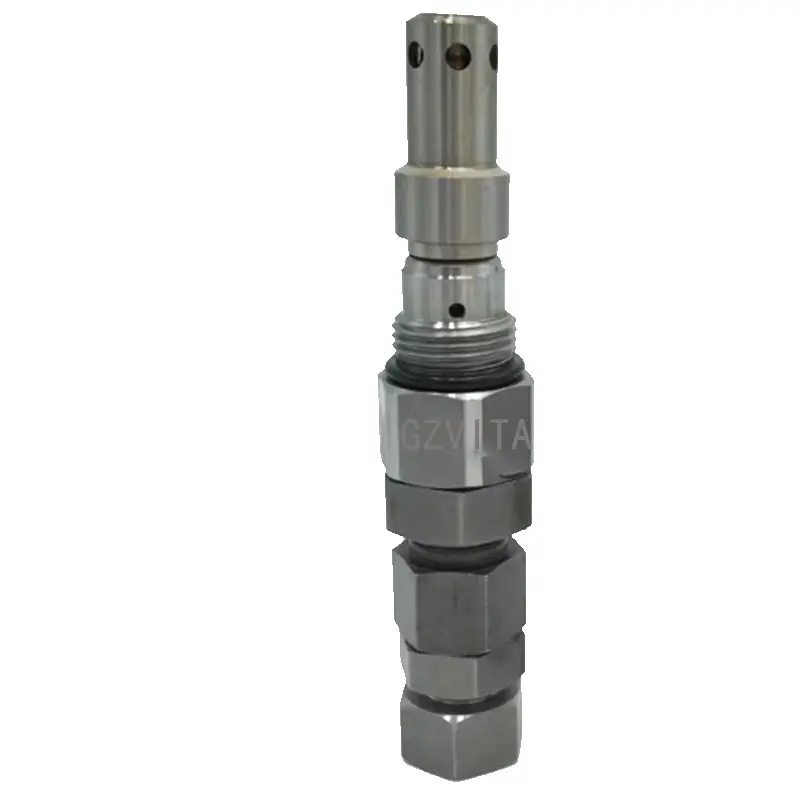
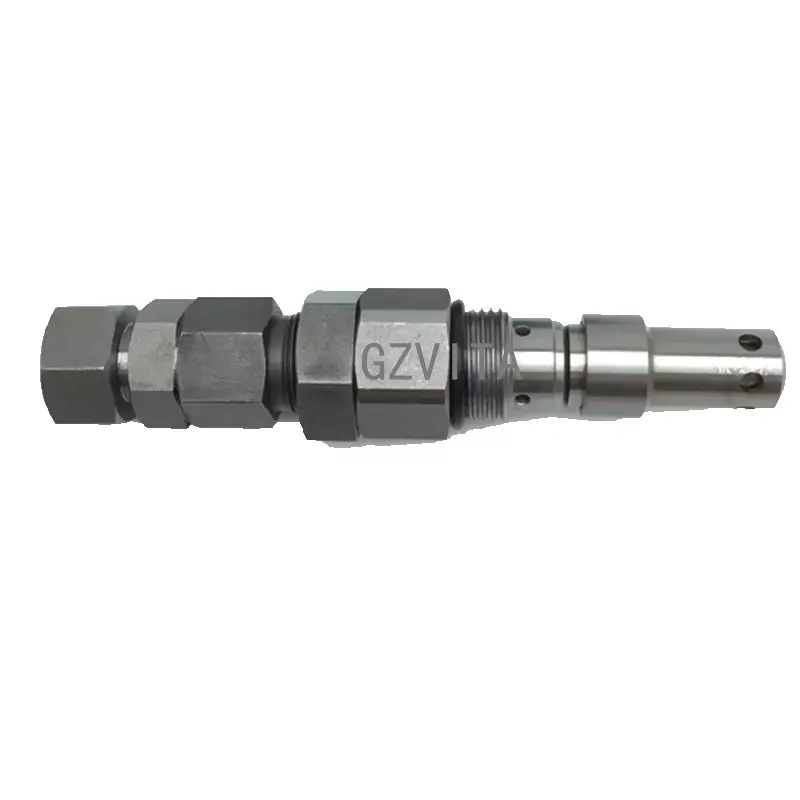
Determine the maximum operating pressure of the hydraulic system in the excavator. The relief valve should be rated to handle this pressure, typically with a margin for safety. Check the manufacturer's specifications for the recommended pressure settings.
Assess the flow rate requirements of the hydraulic system. The relief valve must be able to handle the maximum flow rate without causing excessive pressure drop or cavitation. This is usually measured in liters per minute (L/min) or gallons per minute (GPM).
There are different types of relief valves, such as direct-acting, pilot-operated, and adjustable relief valves. Choose the type that best suits the application and the control system of the excavator.
The valve should have a quick response time to ensure that it can react to changes in pressure promptly. This is crucial for maintaining system stability and preventing damage.
Consider the operating temperature range of the hydraulic fluid. Ensure that the relief valve can operate effectively within this range without degradation of performance.
Ensure that the materials used in the valve are compatible with the hydraulic fluid being used in the excavator. This includes checking for resistance to corrosion and wear.
Verify that the physical size of the valve fits within the available space in the hydraulic system. Also, check the mounting options to ensure proper installation.
Consult the excavator's manufacturer specifications or service manual for recommendations on the appropriate relief valve. This can provide guidance on the correct model and settings.
If the application requires varying pressure settings, consider a relief valve that allows for easy adjustment. This can be beneficial for different operating conditions.
Look for additional safety features such as built-in pressure gauges or indicators that can help monitor the system's performance.
Choose a valve from a reputable manufacturer known for producing high-quality hydraulic components. Reliability is crucial to prevent failures that could lead to costly downtime or safety hazards.
The relief valve must be rated to handle the maximum operating pressure of the excavator's hydraulic system. Under-rating the valve can cause early relief opening and loss of performance, while over-rating can lead to system damage or safety failures.
The valve must accommodate the system's maximum flow rate (measured in L/min or GPM). If the flow capacity is too low, it can cause high pressure drops, heat build-up, and cavitation, which damages the system.
Direct-acting valves open directly when the pressure limit is reached and are best for low-flow systems. Pilot-operated relief valves use a two-stage control mechanism, making them ideal for high-flow, high-pressure systems where precise control is needed.
A fast response time ensures the valve opens immediately to vent unexpected pressure spikes, preventing damage to the hydraulic pump, cylinders, and hoses.
Verify the materials of the valve's seals and internal components. They must resist degradation, wear, and corrosion when exposed to the specific type and operating temperature of the hydraulic fluid used in your excavator.