 Vita Construction
1 / 3
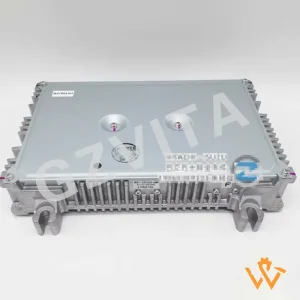
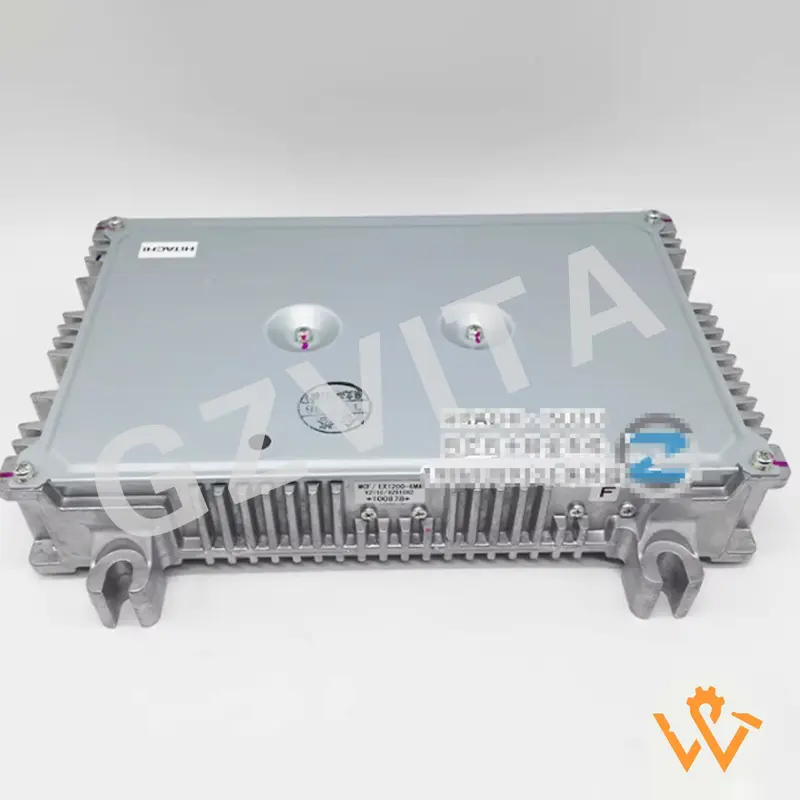
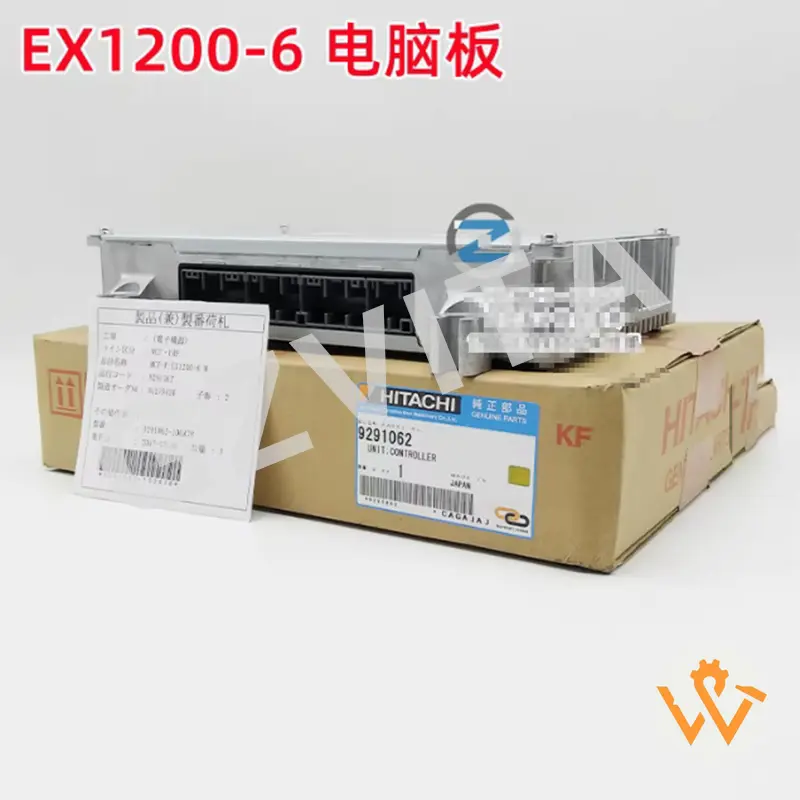
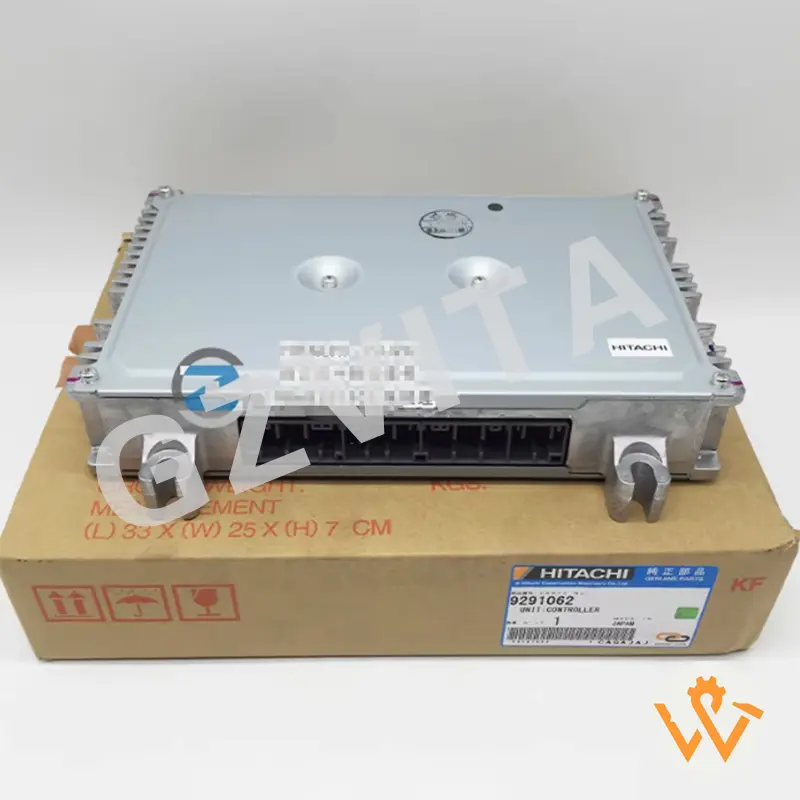
The ECU regulates the hydraulic flow to the boom, arm, and bucket, ensuring precise movements and optimal power delivery. This control is essential for tasks that require fine manipulation, such as grading or digging.
The control board monitors engine parameters such as temperature, RPM, and fuel consumption. It adjusts fuel injection and ignition timing to optimize engine performance and reduce emissions.
The ECU continuously monitors the health of various systems within the excavator. It can detect faults or malfunctions and store diagnostic trouble codes (DTCs) that can be accessed by technicians for troubleshooting.
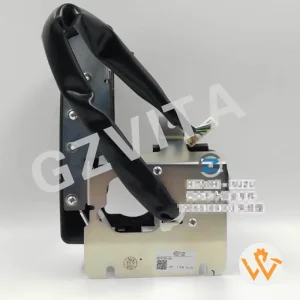
The computer control board interfaces with the operator's display panel, providing real-time information about the machine's status, including alerts for maintenance needs or operational issues.
Modern ECUs are equipped with powerful microprocessors that can handle complex calculations and data processing quickly and efficiently.
The control board can connect to various sensors and actuators, enabling comprehensive monitoring and control of the excavator's systems.
Keeping the ECU's software up to date can improve performance and fix any known issues.
Ensuring that all sensors connected to the ECU are properly calibrated is crucial for accurate data collection and system performance.
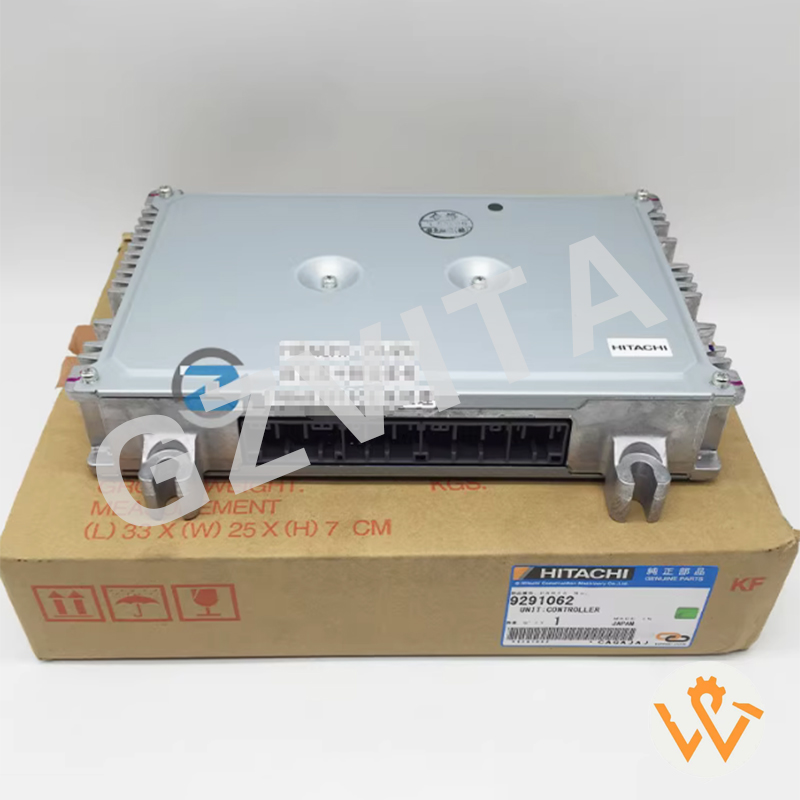
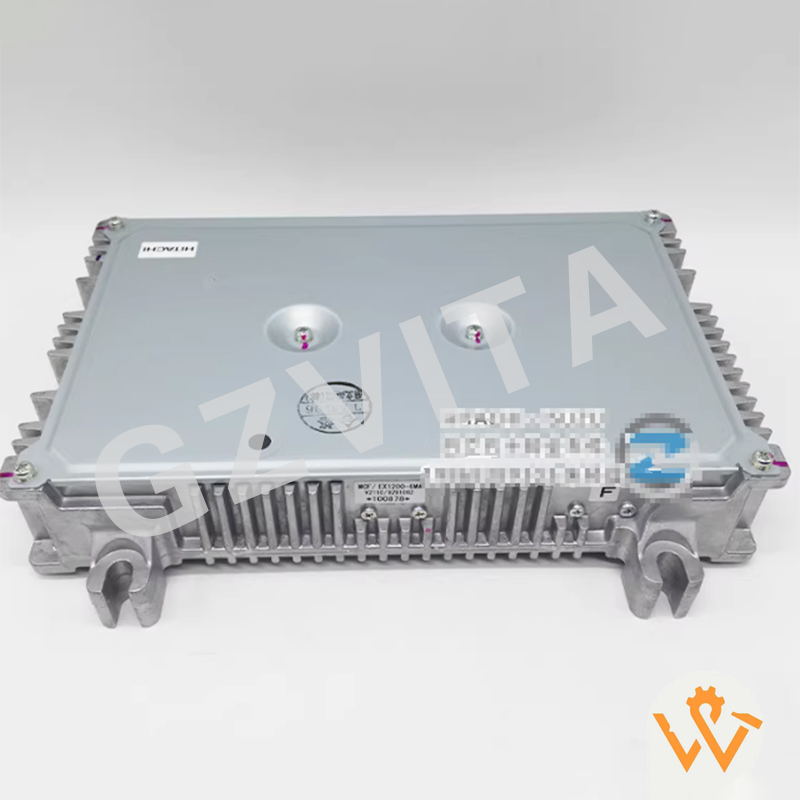
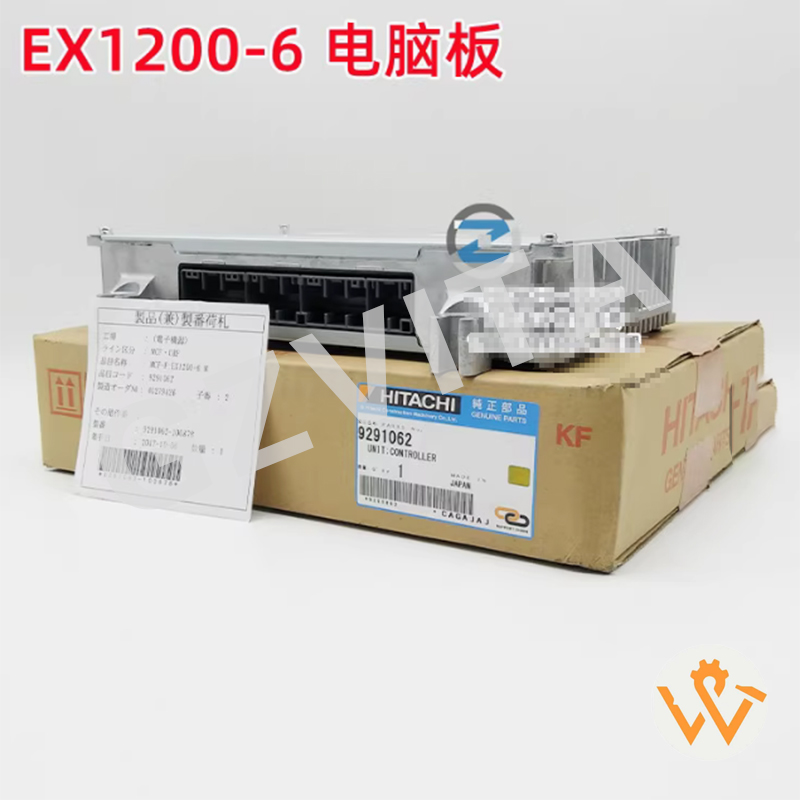
The ECU monitors and controls the excavator's engine performance, hydraulic systems, and other operational parameters in real time using data processed from sensors throughout the machine.
It regulates the hydraulic flow to key components like the boom, arm, and bucket, ensuring precise, smooth movements and optimal power delivery for fine tasks like grading.
Yes, the ECU continuously monitors system health, detects malfunctions, and stores diagnostic trouble codes (DTCs) that technicians can access to quickly troubleshoot issues.
The control board monitors engine RPM, temperature, and fuel consumption, then adjusts fuel injection and ignition timing to optimize efficiency and reduce emissions.
Software updates fix bugs and improve performance features, while regular sensor calibration ensures that the control board receives accurate data for precise machine operations.