 Vita Construction
1 / 5
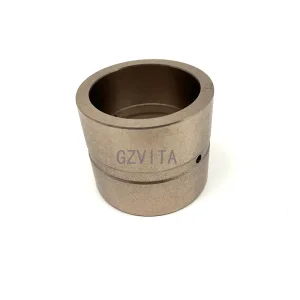
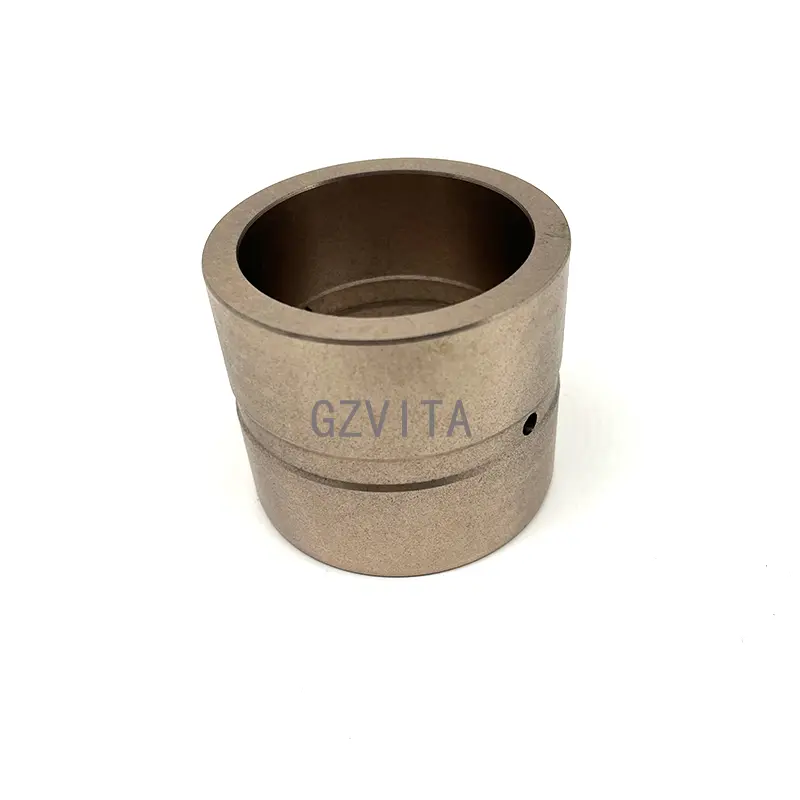
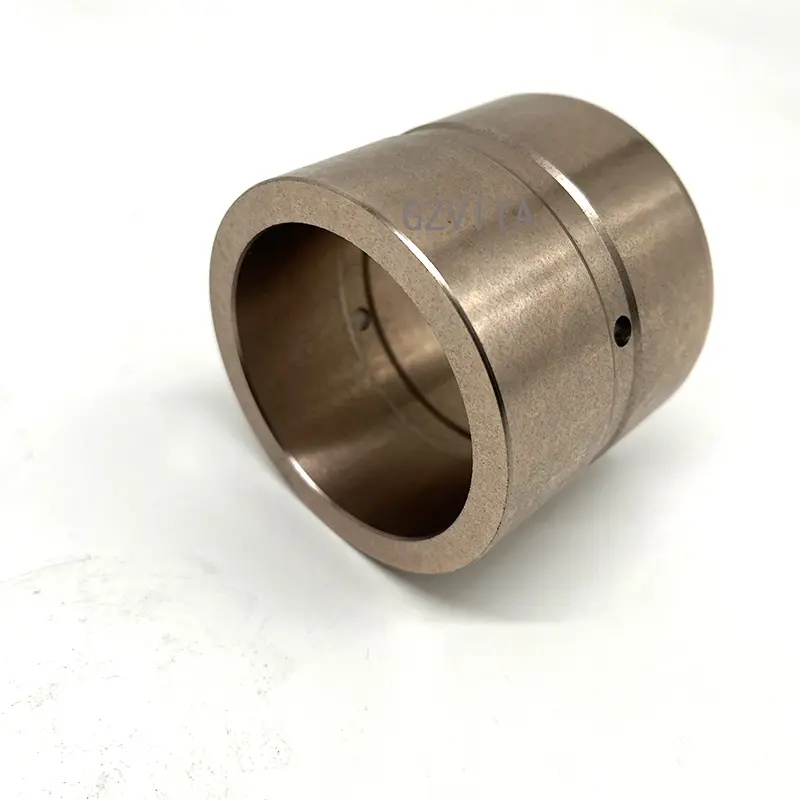
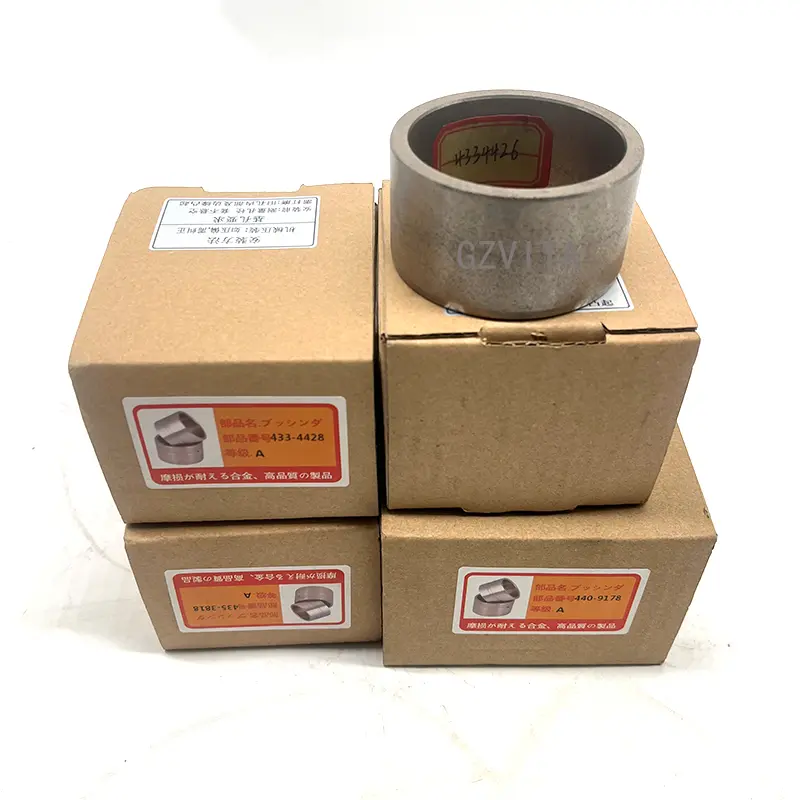
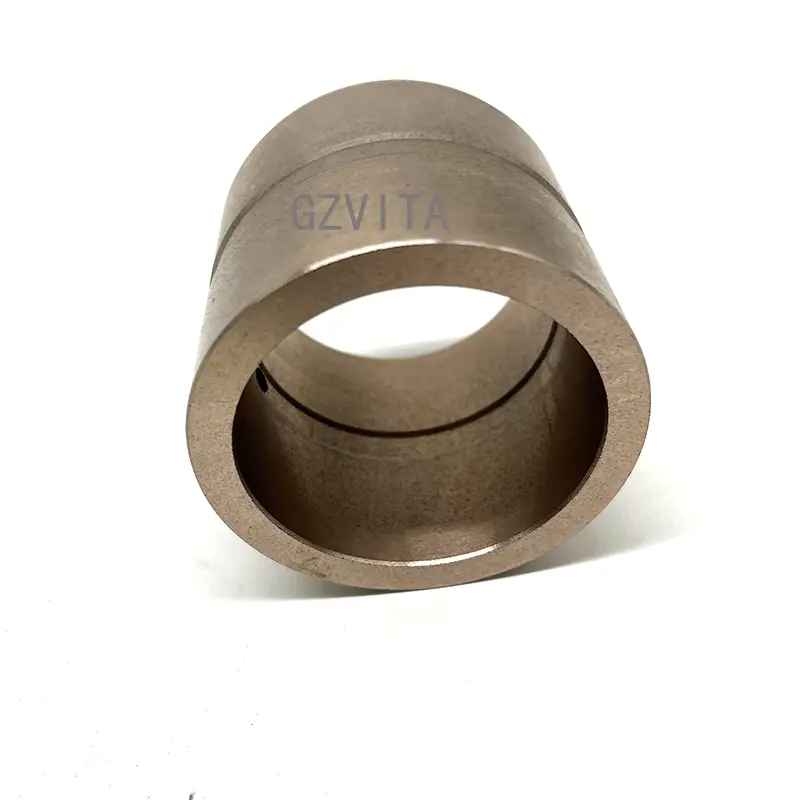
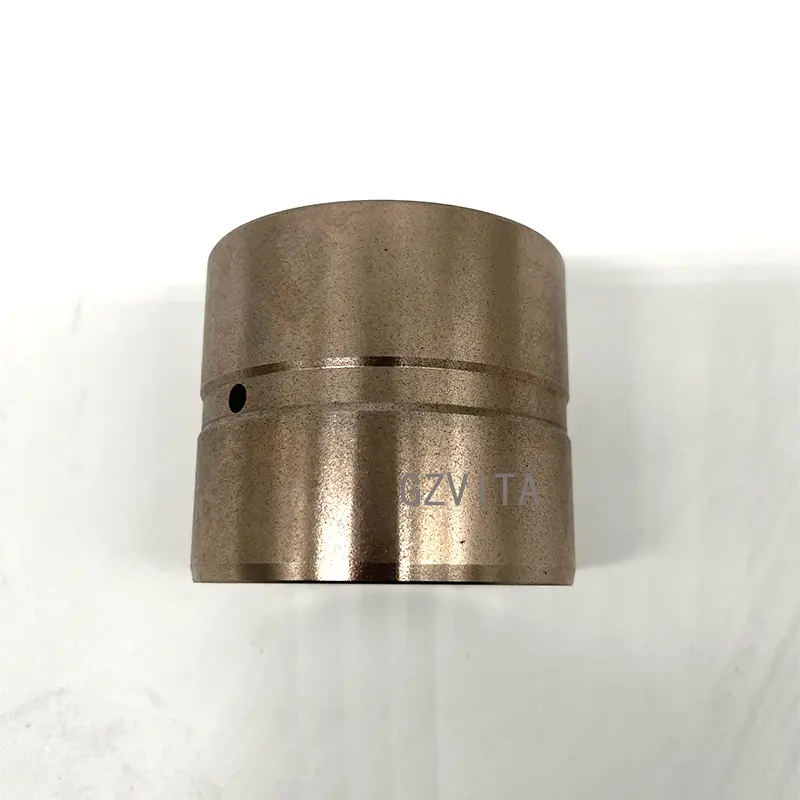
Bushings are critical components in excavators and other heavy machinery, serving various essential functions that contribute to the overall performance, durability, and efficiency of the equipment. Here's an overview of their importance:
Bushings act as a protective layer between moving parts, reducing friction and wear. This is particularly important in high-load applications, such as those found in excavators, where components are subjected to significant stress.
They help maintain proper alignment between parts, ensuring smooth operation and reducing the risk of misalignment that can lead to mechanical failure.
Bushings can be made from various materials, including bronze, plastic, rubber, and composite materials. The choice of material depends on the specific application and the operating conditions.
Different types of bushings, such as flanged, cylindrical, or spherical, are used depending on the specific requirements of the excavator's components.
By providing a low-friction surface, bushings help improve the efficiency of moving parts, leading to better fuel economy and reduced wear on components.
Bushings can absorb vibrations, which helps protect sensitive components and enhances operator comfort by reducing noise and vibration transmitted to the cabin.
They can also act as shock absorbers, helping to mitigate the impact forces that occur during operation, which is crucial for maintaining the integrity of the excavator's structure.
Regularly inspecting bushings for wear and damage is essential for maintaining the performance of the excavator. Worn bushings can lead to increased friction, misalignment, and potential failure of connected components.
Timely replacement of worn bushings is critical to prevent further damage to the excavator and to ensure optimal performance.
Well-functioning bushings contribute to the overall efficiency of the excavator, allowing for smoother operation and better handling of loads.
By reducing wear and tear on other components, bushings can help lower maintenance costs and extend the lifespan of the excavator, making them a cost-effective investment.
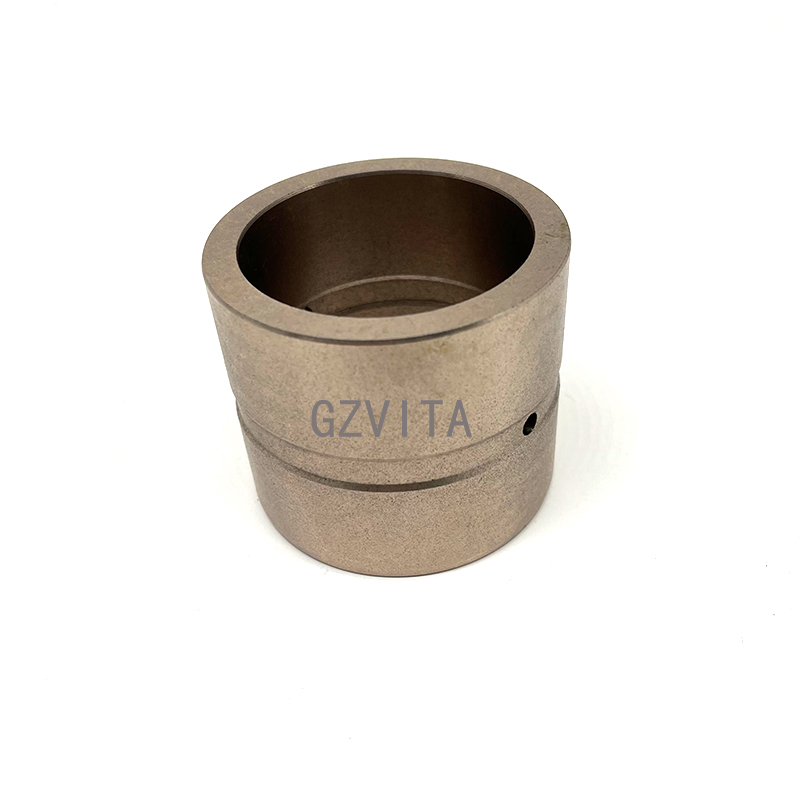
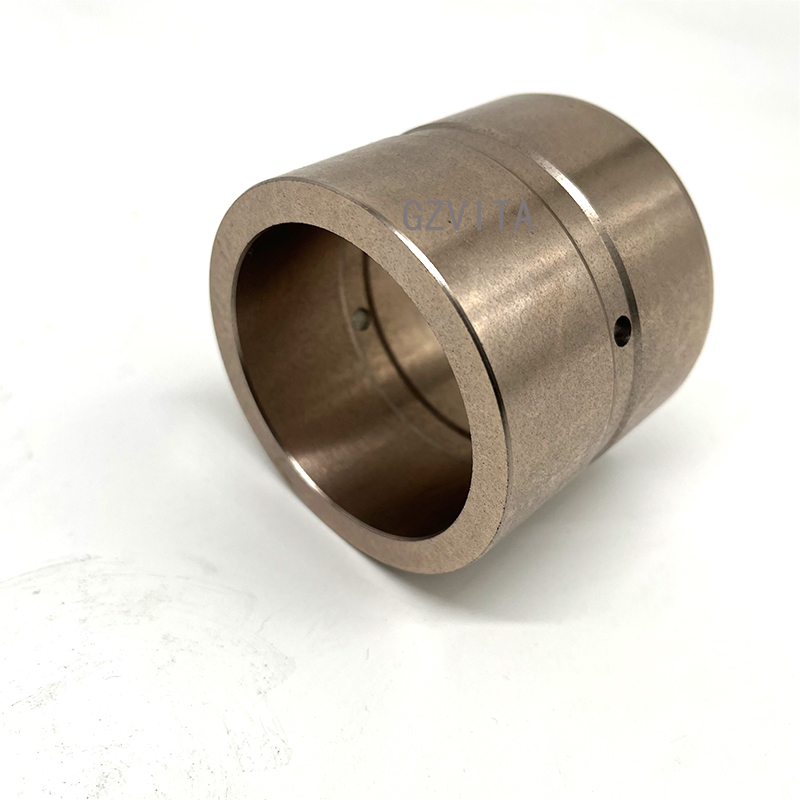
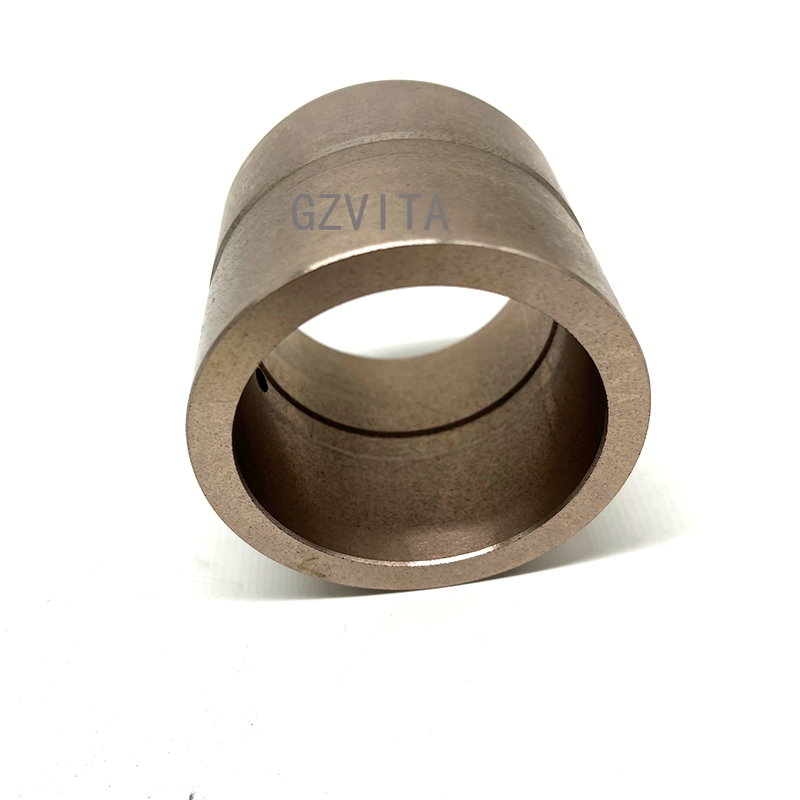
Bushings act as a protective barrier between moving components, minimizing direct metal-on-metal contact. They significantly reduce friction, align parts correctly, absorb shocks, and prevent structural wear to prolong the lifespan of the excavator.
Excavator bushings are manufactured using various materials depending on their specific application and load demands. Common materials include durable bronze, specialized plastics, heavy-duty rubber, and robust composite materials.
By providing a low-friction interface between moving parts, bushings minimize mechanical resistance. This allows the hydraulic system and engine to operate more smoothly, consuming less power and improving overall fuel economy.
Failing to replace worn bushings leads to increased friction, part misalignment, and excessive vibration. Over time, this can damage main structural components and pins, resulting in high repair costs and unplanned machine downtime.
Depending on the load distribution and joint movement requirements, bushings come in several designs, including flanged, cylindrical, and spherical variations to match different excavator parts.
Yes. Certain bushings (like rubber or composite types) have high dampening properties that absorb operating vibrations and shock loads. This minimizes structural fatigue and enhances comfort inside the operator's cabin.