 Vita Construction
1 / 3
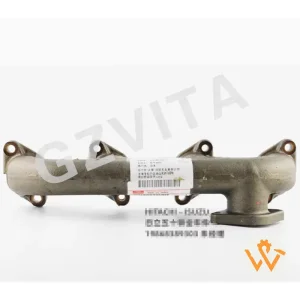
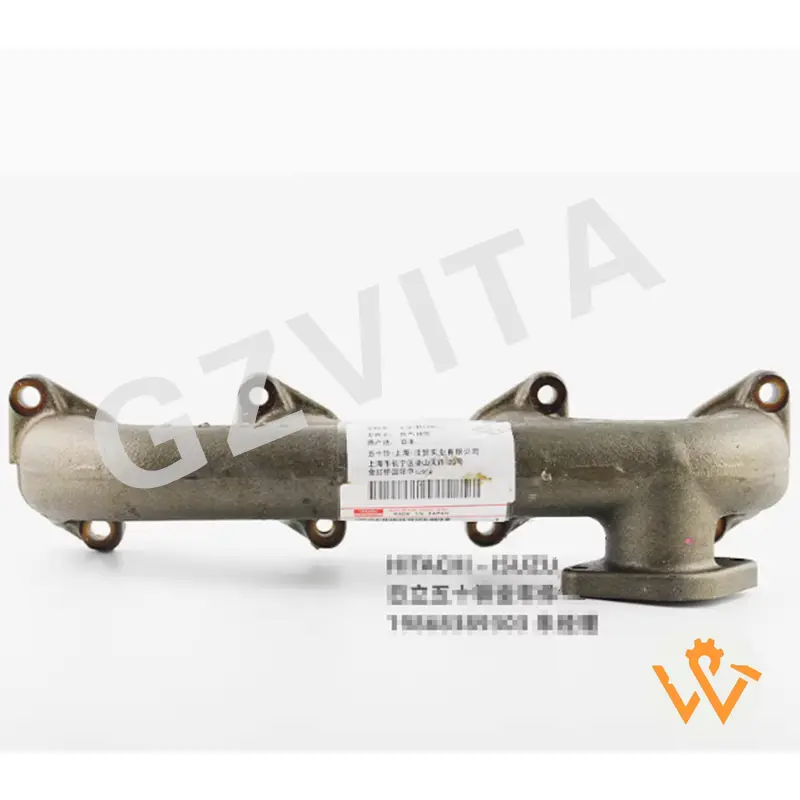
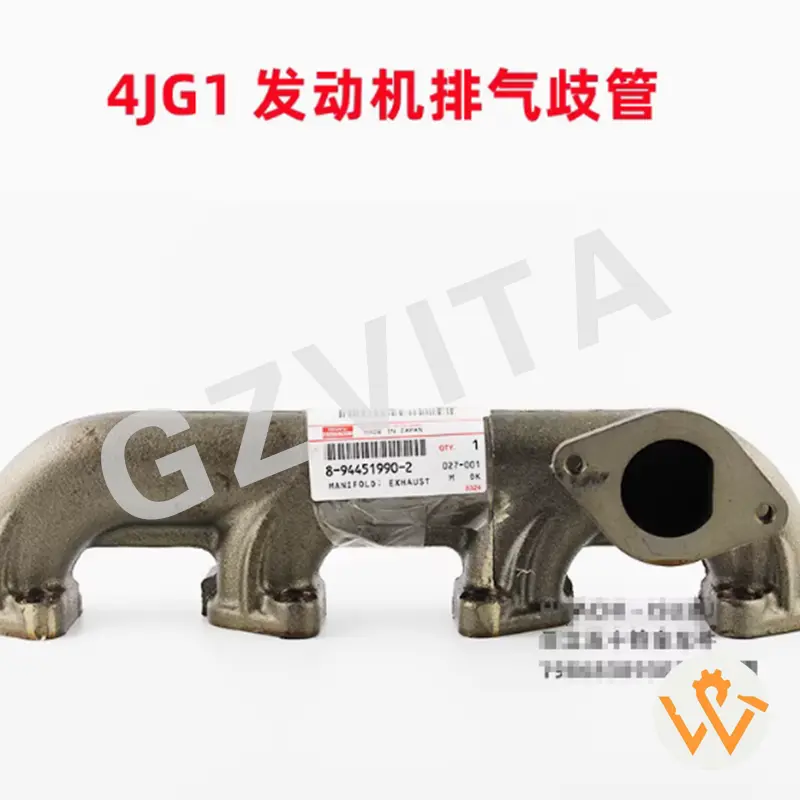
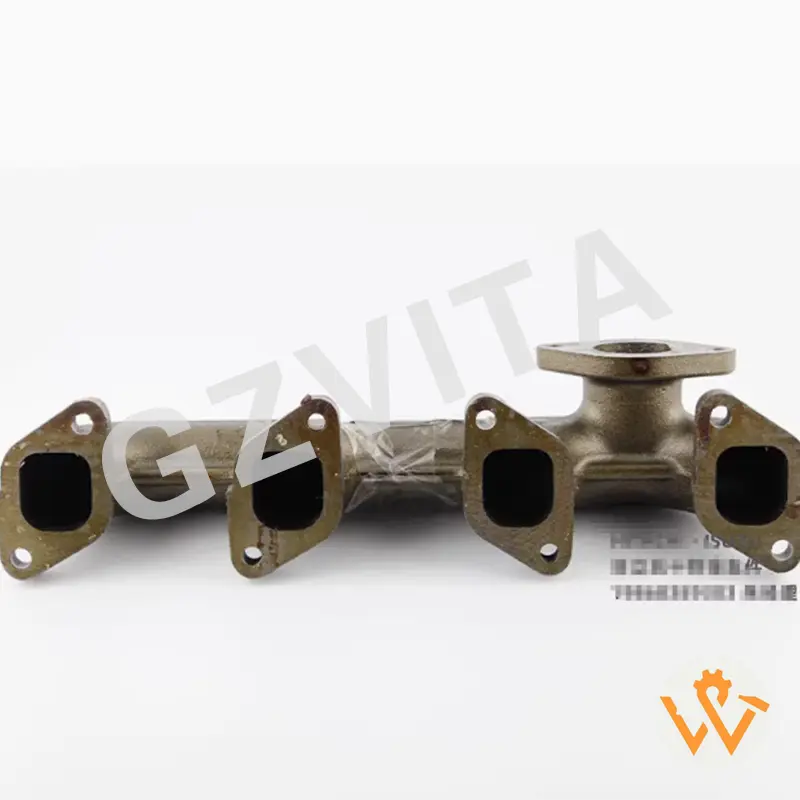
The exhaust manifold is a crucial component of an engine’s exhaust system, responsible for collecting exhaust gases from the engine cylinders and directing them to the exhaust system. In the case of the 4GJ1 engine, which is a diesel engine commonly used in various applications, including light trucks and industrial machinery, the exhaust manifold plays a vital role in performance and efficiency.
The exhaust manifold collects exhaust gases from multiple cylinders and channels them into a single outlet. This helps in efficiently directing the gases away from the engine.
The manifold is designed to withstand high temperatures generated during combustion. It helps dissipate heat from the exhaust gases, which is essential for maintaining engine performance and preventing overheating.
A well-designed exhaust manifold minimizes back pressure in the exhaust system, allowing for better engine performance. Reduced back pressure can lead to improved fuel efficiency and power output.
The design of the exhaust manifold can also help in reducing engine noise by providing a smoother path for exhaust gases to exit the engine.
Regularly inspect the exhaust manifold for cracks or signs of wear. Exhaust leaks can lead to decreased engine performance and increased emissions.
The gasket between the exhaust manifold and the engine block should be checked and replaced as needed to ensure a proper seal.
Keep the exhaust manifold clean from carbon buildup and other deposits that can affect performance. This can be done during routine maintenance.
If equipped, ensure that any heat shields are in place to protect surrounding components from excessive heat.
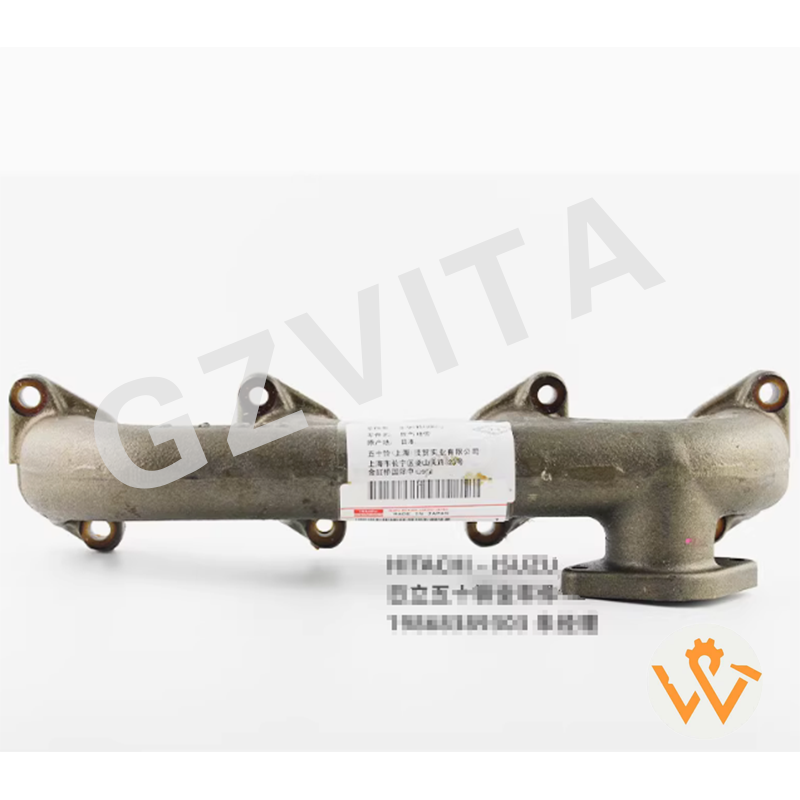
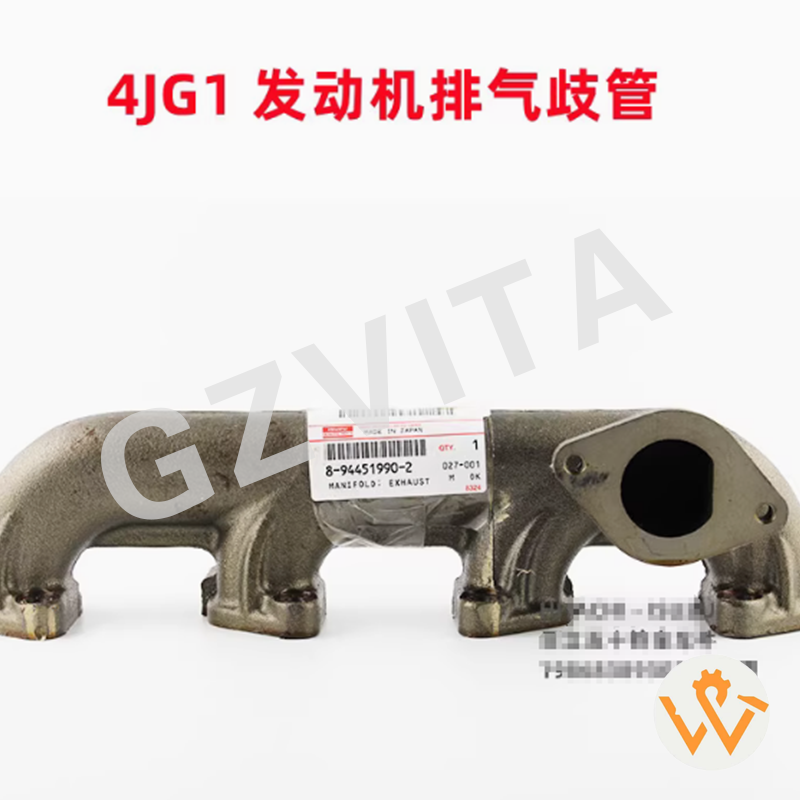
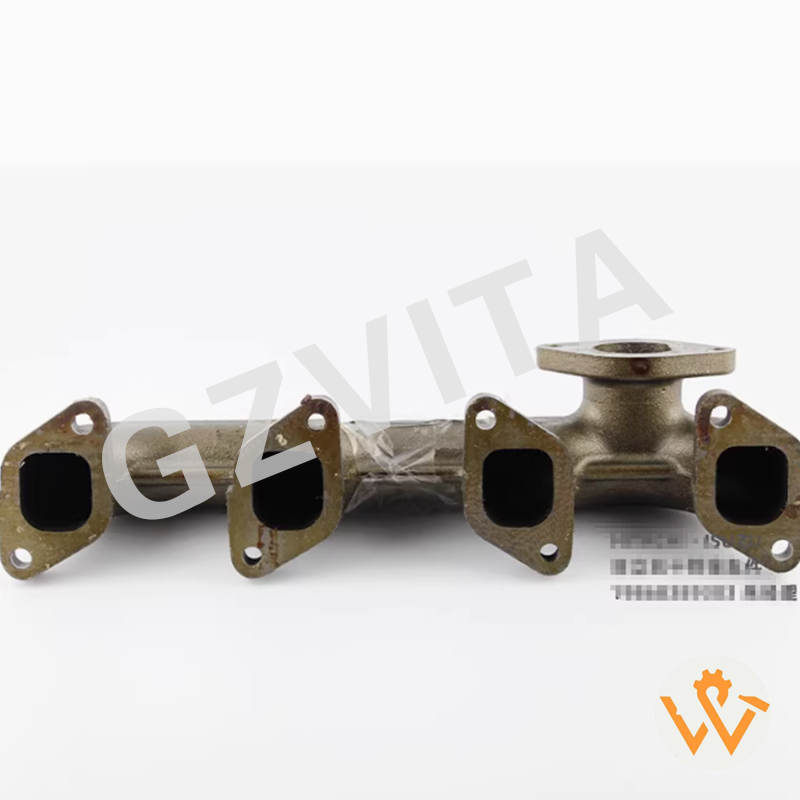
The primary role of the 4GJ1 engine exhaust manifold is to gather hot exhaust gases from the individual cylinders and safely guide them into the exhaust system, optimizing cylinder evacuation.
The manifold is typically manufactured from cast iron or stainless steel. These heavy-duty materials provide superior heat tolerance and resist damage from rapid temperature fluctuations and rust.
A high-quality manifold helps reduce exhaust back pressure. By smoothing the path of exiting gas, the engine breathes better, which translates directly into improved fuel efficiency and power output.
An exhaust leak can result in decreased engine performance, abnormal ticking noises, increased exhaust emissions, and potential overheating issues in surrounding engine bay components.
The gasket should be inspected during routine engine maintenance intervals or whenever you notice engine noise changes or performance dips. A bad gasket must be replaced immediately to ensure proper sealing.
Yes, if equipped, the heat shield is essential. It protects other critical components under the hood from the extreme heat radiating from the manifold, preventing premature wear of wires and hoses.